传统文化

Search documents
特写:鄂尔多斯舞蹈《挡门迎婿》闪耀全国舞台
Zhong Guo Xin Wen Wang· 2025-11-28 13:52
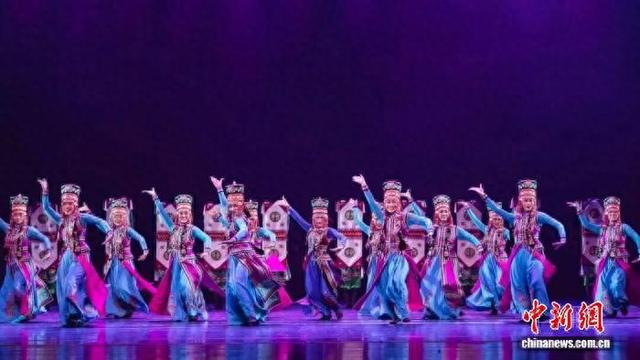
Core Viewpoint - The dance "Blocking the Door to Welcome the Groom" from Ordos shines on the national stage, showcasing the cultural significance of the Ordos wedding ceremony and its recognition as a national intangible cultural heritage [1][3][5]. Group 1: Performance Highlights - The dance "Blocking the Door to Welcome the Groom" was performed by a group of 36 dancers, including the young dancer Aqi Tu, marking his debut on a national stage [1][3]. - The performance was part of the 15th China Dance Lotus Award for ethnic and folk dance, where it competed among many talented groups [3]. - The dance features a humorous and engaging interaction between the bride's friends and the groom's party, emphasizing the character and qualities of the groom through traditional customs [3][5]. Group 2: Cultural Significance - The dance is a key ritual in the Ordos wedding ceremony, representing a significant aspect of the national intangible cultural heritage [3][5]. - The performance aims to educate the audience about the richness of traditional culture while providing entertainment [8]. - The choreographer, Mo Rini, emphasizes that the dance retains the essence of folk culture while incorporating modern dance elements to make it relevant for contemporary audiences [8]. Group 3: Awards and Recognition - Prior to its national debut, "Blocking the Door to Welcome the Groom" won multiple awards at the 7th Inner Mongolia Dance Competition, including first prizes for creation and performance, as well as awards for composition and costume design [7]. - The recognition at the national level reflects the artistic value and creative standards of the work, serving as a testament to the strength of folk arts in the Ordos region [5][7].


功臣、汉奸、典范、刽子手、成功大师——曾国藩形象的五次转变
Xin Lang Cai Jing· 2025-11-26 05:54
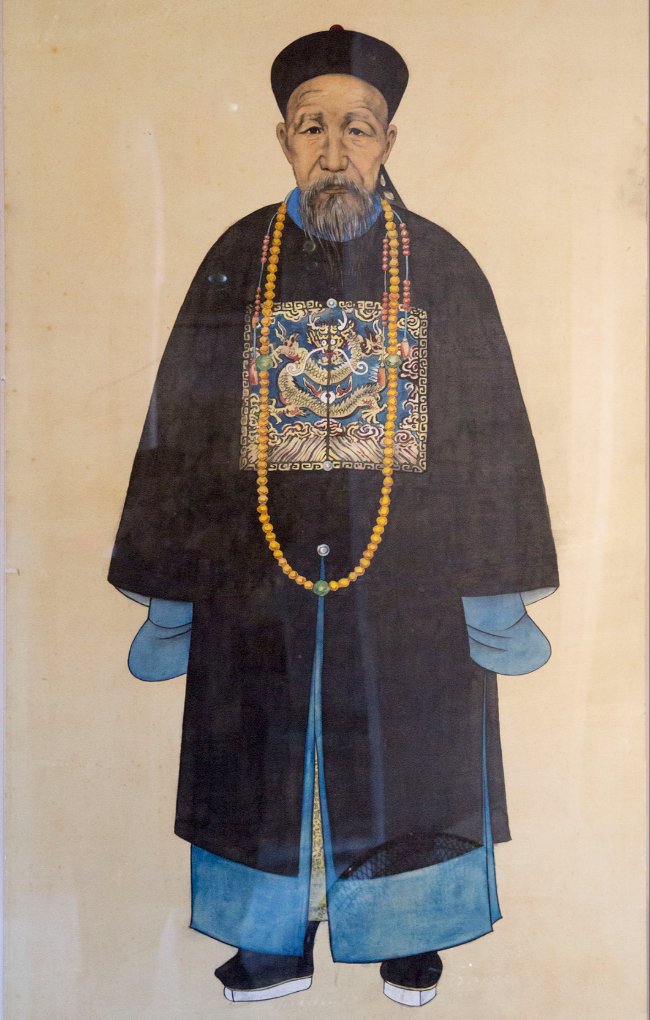
Core Viewpoint - The article discusses the complex and evolving perception of Zeng Guofan, a prominent figure in late Qing Dynasty China, highlighting his transition from a revered "meritorious minister" to a controversial figure labeled as a "traitor" during the Republican era, and eventually being recognized as a symbol of traditional Chinese culture and morality in the 20th century [1][10][20]. Group 1: Historical Context and Initial Recognition - Zeng Guofan founded the Xiang Army and played a crucial role in suppressing the Taiping Rebellion, earning high praise from the Qing government, which referred to him as a "meritorious minister" [3][4]. - His contributions were celebrated during the Tongzhi and Guangxu reigns, aligning with the Qing government's narrative of "revitalization" [3][4]. - A network of Zeng's friends and former students helped shape his positive image posthumously, emphasizing his virtues and contributions [4][5]. Group 2: Media Influence and Cultural Impact - The rapid development of publishing and media in late Qing facilitated the dissemination of Zeng's works, making them widely accessible [6][7]. - Zeng's writings became fashionable among scholars and officials, with many citing him as a moral exemplar [7][8]. - His commitment to Confucian ideals and self-cultivation positioned him as a model of virtue and governance [8][9]. Group 3: Shift in Perception During the Republican Era - The rise of revolutionary sentiments during the late Qing and early Republican periods led to a reevaluation of Zeng's legacy, with some revolutionaries labeling him a "traitor" for his role in suppressing the Taiping Rebellion [10][11]. - Influential figures like Tan Sitong criticized Zeng's actions, framing them as oppressive rather than heroic [10][11]. - The portrayal of Zeng as a "traitor" became prevalent among revolutionary circles, contrasting sharply with earlier views of him as a national hero [11][13]. Group 4: Resurgence of Zeng's Image in the 20th Century - Following the establishment of the Nationalist government in 1927, Zeng's image was rehabilitated, aligning with the new political climate that sought to emphasize order and stability [20][21]. - The Nationalist government promoted Zeng as a model of moral integrity and effective governance, reflecting a shift in political needs [20][21]. - Cultural conservatism in the 1930s further solidified Zeng's status as a defender of traditional Chinese values against foreign influences [22][23]. Group 5: Contemporary Reinterpretations - In the mid-20th century, Zeng was increasingly viewed as a symbol of Chinese cultural resilience, with scholars arguing for his role in preserving traditional values [23][24]. - His legacy was framed within the context of national identity and cultural pride, contrasting with earlier revolutionary critiques [25][26]. - Figures like Chiang Kai-shek actively promoted Zeng's teachings and principles, integrating them into the Nationalist ideology [28][29].
格竹问新(评论员观察)
Ren Min Ri Bao· 2025-11-23 22:16
Core Viewpoint - The article emphasizes the importance of integrating traditional culture with modern development, using bamboo as a symbol of innovation and sustainability in various industries [1][2][3]. Group 1: Bamboo as a New Material - "Bamboo steel" has been developed in Zhejiang Anji, achieving a strength five times that of ordinary carbon structural steel, suitable for major construction projects like the Beijing Winter Olympics and the Hong Kong-Zhuhai-Macao Bridge [1]. - The bamboo industry is leveraging technology to transform bamboo into high-value materials, showcasing the potential of traditional resources in modern applications [1]. Group 2: Carbon Trading and Environmental Impact - In Anhui's Shexian County, a bamboo forest of 15,000 acres has a total carbon sequestration of over 70,000 tons, with the first carbon credit transaction valued at 9,900 yuan for 220 tons of carbon [1]. - The transformation of bamboo into financial assets illustrates the connection between ecological improvement and economic development [1]. Group 3: Cultural and Economic Integration - Sichuan's Xingwen County has shifted from merely selling bamboo to promoting eco-tourism, integrating bamboo resource protection with cultural heritage and tourism, attracting over 500,000 visitors to the Bawang Mountain Scenic Area last year [2]. - The article highlights the need for traditional industries to innovate and expand their value chains, demonstrating how technology can enhance traditional practices [2]. Group 4: The Role of Traditional Skills - The decline of traditional craftsmen, such as bamboo weavers, is noted, but the article emphasizes the importance of their skills in building a modern industrial system [3]. - The cultural significance of bamboo in Chinese civilization is discussed, linking it to broader themes of economic prosperity and cultural richness [3].
全国书法好手江滩共写地书长卷
Chang Jiang Ri Bao· 2025-11-23 00:47
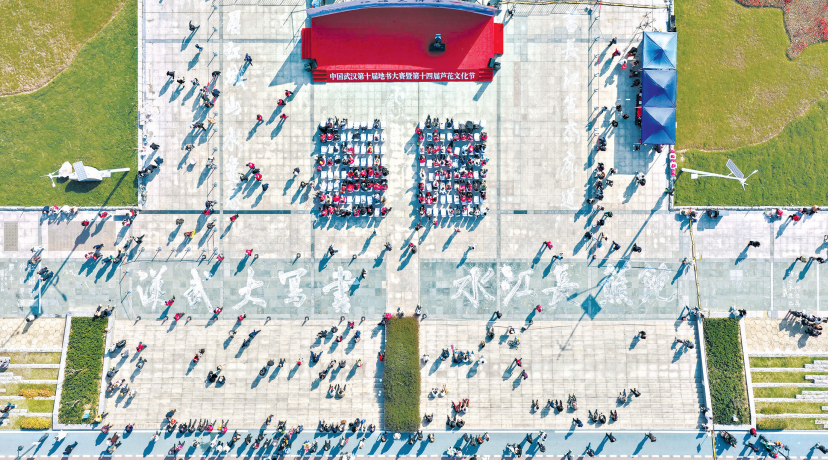
武汉地书大赛自2013年开始举办以来,从最初的地方文化活动逐渐成长为具有全国影响力的文化品 牌。市江滩办相关负责人表示:"地书大赛的深层价值在于它所承载的城市精神,当选手们用石灰水在江 滩上写下对城市的热爱时,他们书写的不仅仅是文字,更是对传统文化的敬畏与创新,是对城市精神的 传承与弘扬。" 据悉,本届大赛共评选出十佳选手及优秀组织奖等多个奖项,获奖作品将在横渡长江博物馆进行长 期展出,供市民们欣赏观摩。 编辑:代婧怡 2025中国武汉第十届地书大赛暨第十四届芦花文化节在汉口江滩三阳广场举行 11月22日,2025中国武汉第十届地书大赛暨第十四届芦花文化节在汉口江滩三阳广场举行。来自全 国各地的百余位书法爱好者齐聚长江之畔,以笔墨为桥、江滩为卷,共同绘就长江生态文化画卷。 活动现场,巨型地书作品的创作成为焦点。参赛者手持特制的地书笔,在百米亲水平台上挥毫泼 墨,以环保石灰水为"墨",以平整地面为"纸",共同完成了一幅书法长卷。 昆明丰宁地书协会会长韩立宇即将在月底迎来80岁的生日,今年他带领了3名协会成员前来武汉参 赛。他说:"武汉地书大赛的环境和服务堪称全国一流,武汉江滩风景美不胜收,人文氛围热情洋溢,明 ...
追光|来,找一找全运会上的传统文化元素
Xin Hua Wang· 2025-11-21 01:35
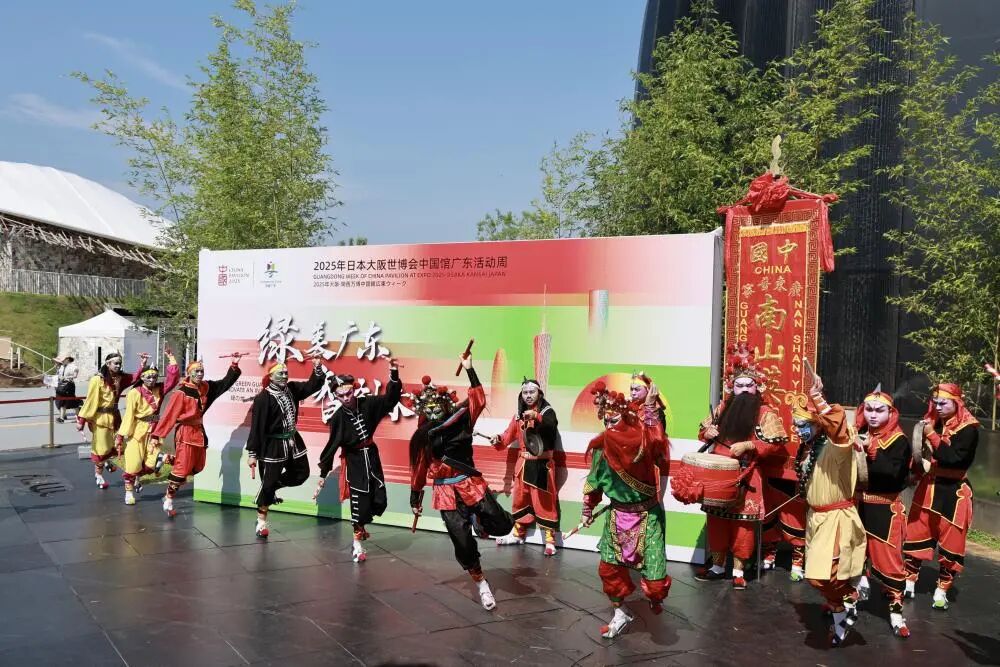
Core Viewpoint - The 15th National Games showcases a blend of traditional Chinese culture and modern elements, highlighting the significance of cultural heritage in sports events [1][15]. Cultural Elements - The opening ceremony featured traditional performances such as lion dances and dragon boat races, emphasizing the integration of tradition and technology [1][12]. - The Guangdong team's performance of the "Southern Lion" dance, a non-heritage traditional project, gained significant attention and popularity [12][15]. - The inclusion of traditional music and cultural motifs in athletes' performances, such as the use of "Chinese style" music in gymnastics, reflects a deep-rooted connection to cultural identity [19][21]. Performance Highlights - The Guangdong team won first prizes in both the Southern Lion obstacle and traditional categories, while the Sichuan team secured the first prize in the Northern Lion self-selected project [13]. - The "Non-Heritage Splendor" performance at the marathon award ceremony showcased various regional cultural elements, enhancing the event's cultural richness [15][17]. Athlete Perspectives - Athletes express that traditional Chinese culture inspires their performances, providing them with a sense of identity and motivation [21].
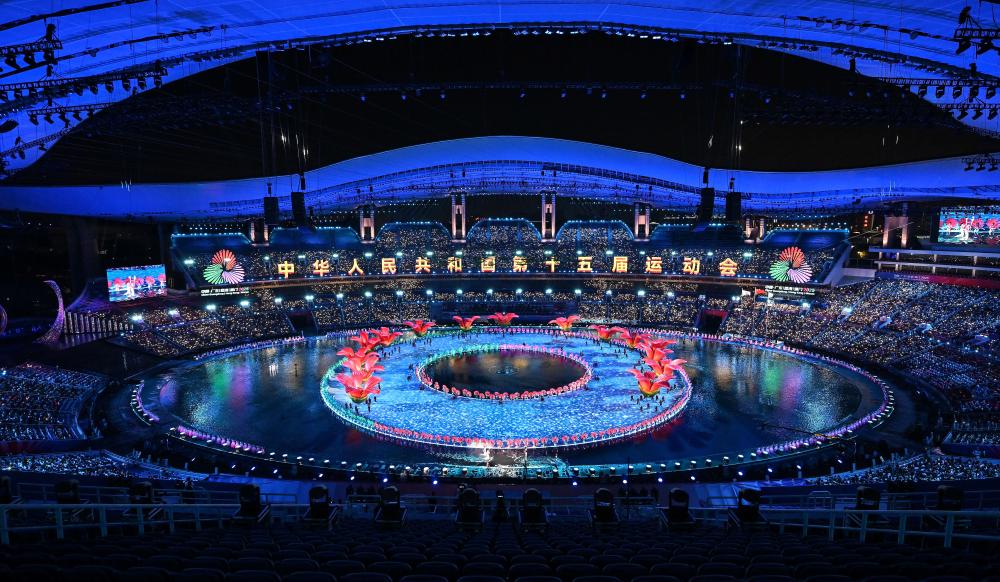
“老戏新演”也精彩
Ren Min Ri Bao Hai Wai Ban· 2025-11-09 22:56
Core Insights - The tourism performance in China has shown significant growth in the live performance sector, with increases in the number of shows, box office revenue, and audience attendance compared to previous years [4][5][6] - Major performances like "Impression Liu Sanjie" and "Again Dunhuang" have become key attractions, contributing to local tourism and economic growth [10][12] Group 1: Market Performance - In the first three quarters of this year, the national tourism performance market has achieved year-on-year growth in terms of the number of performances, box office revenue, and audience numbers, indicating strong market vitality [4] - The cumulative performances of four major shows in Dunhuang during the "14th Five-Year Plan" period reached 7,901, attracting over 3.75 million visitors and significantly boosting local economic sectors such as accommodation and dining [12] Group 2: Product Innovation and Upgrades - The tourism performance market is experiencing a rich supply of products, with traditional formats like mountain water performances and themed park shows undergoing continuous upgrades to enhance their appeal [5][7] - The 2025 revamped version of "Tunnel Warfare" will include interactive elements for tourists, allowing them to engage directly with the performance, thus deepening emotional connections [7] Group 3: Cultural Integration and Technology - The integration of traditional culture and modern technology is crucial for the development of tourism performances, with a focus on creating high-quality content and expanding industry boundaries [8][9] - Performances like "Dragon and Phoenix Dance China" have been updated to appeal to younger audiences by incorporating modern aesthetics and technology, showcasing traditional culture in a contemporary context [9] Group 4: Audience Engagement - The immersive experience in performances such as "Long Hate Song" and "Again Dunhuang" allows audiences to feel a deeper connection to the cultural narratives being presented, enhancing their overall experience [6][11] - The use of advanced technologies like large-scale stage machinery and 3D imaging in performances has transformed the audience's experience, making it more engaging and interactive [11]
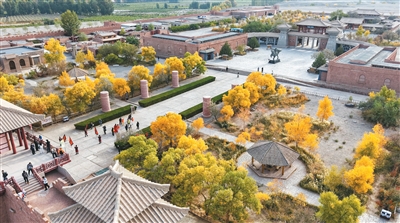
体育强国梦 潮涌大湾区——第十五届全国运动会开幕式侧记
Xin Hua She· 2025-11-09 22:34
Core Viewpoint - The opening ceremony of the 15th National Games in Guangzhou highlighted the cultural and historical significance of the Guangdong-Hong Kong-Macao Greater Bay Area, emphasizing the region's development and unity through sports and cultural performances [1][2][3]. Group 1: Cultural Significance - The ceremony featured a water-themed stage, symbolizing the connection of the Greater Bay Area to water and its historical roots [1]. - Performances included traditional elements such as the "青铜句鑃" and ancient melodies, showcasing the region's rich cultural heritage [4][5]. - The event celebrated the historical significance of Guangzhou as a starting point of the Maritime Silk Road and its evolution into a major economic hub [6]. Group 2: Unity and Collaboration - The opening ceremony emphasized the collaboration among Guangdong, Hong Kong, and Macao, with representatives from all three regions participating in the event [2][7]. - The performances depicted the shared history and aspirations of the people in the Greater Bay Area, reinforcing a sense of community and collective effort [8][10]. - The event aimed to inspire future cooperation and development within the region, aligning with the goal of building a vibrant and competitive world-class city cluster [7]. Group 3: Sports and Future Aspirations - The ceremony featured various sports elements, highlighting the importance of athletics in promoting unity and national pride [12]. - The event concluded with a call for athletes to embody the spirit of sportsmanship and strive for excellence over the next 12 days of competition [17]. - The lighting of the main torch symbolized the collective aspirations of the region's athletes and the broader community [14][15].
第八届进博会新闻中心“开门营业”,搭建智慧文化交流平台
Guo Ji Jin Rong Bao· 2025-11-05 02:06
Group 1 - The eighth China International Import Expo (CIIE) has officially opened its news center in Shanghai, providing a platform for global media to report on the event from November 3 to November 10 [1] - The news center has been upgraded to enhance functionality and experience, offering journalists access to authoritative information and live broadcasts of key events [3][6] - The integration of technology in the news center ensures high-speed internet, intelligent information systems, and diverse work facilities, reflecting Shanghai's professional service standards [6] Group 2 - The news center serves as a cultural showcase, blending traditional Chinese culture with modern innovation, featuring areas for intangible cultural heritage experiences and interactive technology [7] - Lin Qingxuan, a high-end skincare brand, is highlighted as a representative of Shanghai's quality products, showcasing its premium offerings and the story behind its use of Chinese mountain camellia [9] - The news center is positioned as a gateway for global media to understand China and Shanghai, emphasizing themes of openness, cooperation, innovation, and inclusivity [10]
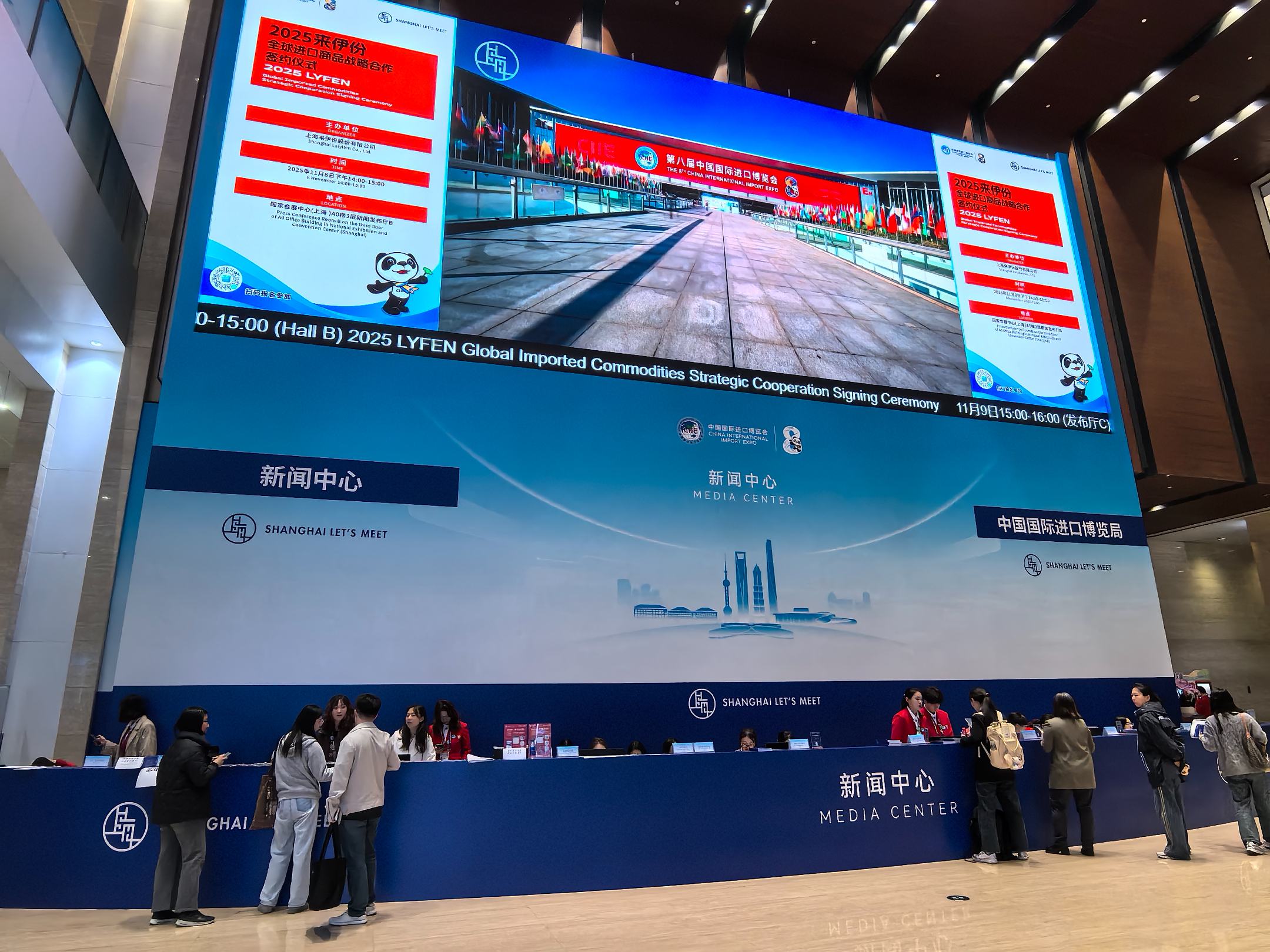
为服装产业注入文化底气
Jing Ji Ri Bao· 2025-10-26 22:06
Core Viewpoint - The rise of Guofeng fashion is a significant driver for the Chinese clothing industry, reflecting cultural confidence and the urgent need for transformation and upgrading in the sector [1][2]. Market Dimension - The Guofeng fashion industry has the potential to tap into a market worth trillions, with consumption scenarios expanding from ceremonial occasions to daily commuting and social displays [1]. - The consumer base is shifting from niche preferences to mass consumption, indicating a broader acceptance and integration of Guofeng fashion into everyday life [1]. Industry Dimension - Leading brands are focusing on the integration of traditional craftsmanship with modern design, while smaller brands are concentrating on lightweight Hanfu and new Chinese styles, fostering a diversified development landscape [1]. - Guofeng fashion is gaining international recognition, frequently appearing on global platforms like Paris Fashion Week, which enhances cultural exchange and boosts export growth [1]. Innovation and Technology - The integration of Guofeng fashion with traditional culture should go beyond superficial elements, delving into Chinese philosophy and aesthetics to create meaningful design narratives [2]. - Embracing digital technologies such as AI, big data, and new materials is essential for enhancing design efficiency and enabling personalized production, thereby creating immersive consumer experiences [2]. Collaborative Ecosystem - The Guofeng fashion movement requires systemic innovation across the entire value chain, from material research and manufacturing processes to brand building and tourism integration [3]. - Key regional clusters should play a coordinating role to eliminate bottlenecks in the industry chain, providing support and services to small and medium enterprises, and promoting collaborative development [3]. Cultural Confidence - The Guofeng fashion industry not only injects growth momentum into the Chinese clothing sector but also reinforces cultural confidence, showcasing the revival of traditional craftsmanship within modern design [3].
潮汕小城假期出行需求破纪录
2 1 Shi Ji Jing Ji Bao Dao· 2025-10-12 00:57
Core Insights - The Mid-Autumn Festival in Guangdong's Jieyang has become a significant cultural event, attracting tourists to experience traditional customs like the tower-burning ceremony, which has evolved from a local entertainment activity to a major tourist attraction [2][3][4] Cultural Significance - The tower-burning ceremony, rooted in the region's history, serves as a ritual for blessings and has been celebrated since the late Yuan Dynasty, showcasing the rich cultural heritage of the Chaoshan area [2][3] - The event has gained popularity among younger generations, who are increasingly interested in traditional culture and actively participate in its promotion [6][7] Economic Impact - During the recent holiday period, Jieyang welcomed approximately 1.82 million visitors, marking a 10.15% increase compared to the previous year, with overnight visitors rising by 33.66% [2][6] - The local government has recognized the potential of cultural tourism, launching 89 intangible cultural heritage activities during the holiday to enhance visitor experiences [6][7] Tourism Development - The rise of cultural tourism in Chaoshan is attributed to young people's desire to explore local traditions rather than just visiting popular tourist spots, alongside the influence of social media in promoting these events [6][7] - The completion of the ancient city renovation project has further boosted tourism, with over 500,000 visitors recorded in the first five days of the holiday [7]