
话剧《北上》

Search documents
“文华奖”背后,是闪亮的“新生代”
Hang Zhou Ri Bao· 2026-01-21 02:59
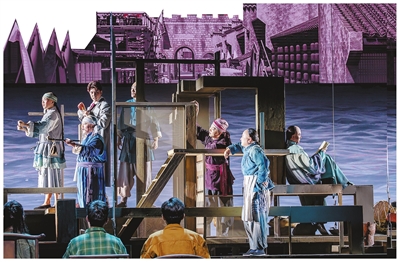
Core Viewpoint - The play "Beishang," produced in Hangzhou, has won the 18th "Wenhua Drama Award," marking a significant achievement for the local theater community and highlighting the potential of young talent in the industry [3][4]. Group 1: Achievements and Recognition - "Beishang" has successfully returned to its premiere location in Hangzhou after winning a prestigious national award, showcasing the growth and recognition of local theater [3][4]. - The average age of the cast is just over 30, representing a new generation of Hangzhou theater artists who have achieved a breakthrough in the Wenhua Award competition [4][5]. - The lead actor, Li Ting, has been awarded the qualification of a first-level actor due to the success of "Beishang," emphasizing the importance of nurturing young talent in the industry [5]. Group 2: Challenges and Efforts - The production team faced numerous challenges, including the need for extensive rehearsals and the management of heavy props, demonstrating their commitment to delivering a high-quality performance [6]. - The promotional efforts for "Beishang" included strategic collaborations with local media, which helped to enhance the play's visibility and audience engagement [6][7]. - The cast and crew exhibited remarkable dedication, with many members continuing to perform despite health challenges, showcasing their passion for theater [6]. Group 3: Talent Development and Future Prospects - The Hangzhou theater community has implemented various initiatives to cultivate young talent, including the "Youth Talent Plan" and the "Artistic Innovation Competition," which provide opportunities for emerging artists [8][9]. - The local government has introduced policies aimed at nurturing leading figures in stage arts, highlighting the importance of developing the next generation of artists [9]. - The Hangzhou Theater Arts Center is celebrating its 70th anniversary and is set to embark on new tours and productions, indicating a vibrant future for the local theater scene [9].

用精品标注时代文艺创作的高度
Ren Min Ri Bao· 2025-11-10 22:41
Core Viewpoint - The 18th Wenhua Award highlights the importance of stage arts in promoting cultural development and innovation, showcasing a variety of award-winning works that reflect contemporary themes and artistic quality [5][10]. Group 1: Award Mechanism and Trends - The Wenhua Award has undergone reforms to enhance its evaluation mechanism, including optimizing award categories and expanding application channels, which aims to foster high-quality stage productions [5][13]. - The award-winning works represent a blend of traditional and modern aesthetics, addressing the core questions of how to inherit traditional art forms and how to innovate for contemporary audiences [6][7]. Group 2: Notable Works and Their Themes - The winning works, such as the Wuju opera "Three Strikes on the White Bone Spirit," demonstrate a successful integration of traditional techniques with modern elements, appealing to both older and younger audiences [6][19]. - The drama "Life Book" and the children's play "Cat God in the Forbidden City" reflect deep societal themes and emotional narratives, showcasing the evolving landscape of contemporary theater [8][21]. Group 3: Artistic Innovation and Audience Engagement - Many award-winning productions emphasize innovative storytelling and performance techniques, such as the use of technology and modern narrative styles to resonate with younger audiences [7][9]. - The incorporation of diverse artistic elements, including VR and AR, enriches the theatrical experience, creating a more immersive environment for viewers [9][10]. Group 4: Cultural Significance and Social Reflection - The award-winning pieces often draw from historical and cultural contexts, aiming to evoke a sense of cultural identity and emotional connection among audiences [11][12]. - Productions like the musical "Finding Li Er Gou" and the opera "Qiaopi" explore themes of patriotism and personal narratives, reflecting contemporary societal values and historical consciousness [12][25]. Group 5: Recognition of Diverse Formats - The introduction of the "Wenhua Program Award" acknowledges shorter performances across various art forms, promoting diversity and innovation in artistic expression [15][16]. - The awarded short programs demonstrate a balance of artistic integrity and creative breakthroughs, showcasing the potential of smaller productions to convey profound messages [16][17].
文华奖话剧《北上》让千年运河文化在舞台上重生
Xin Hua Wang· 2025-11-09 07:24
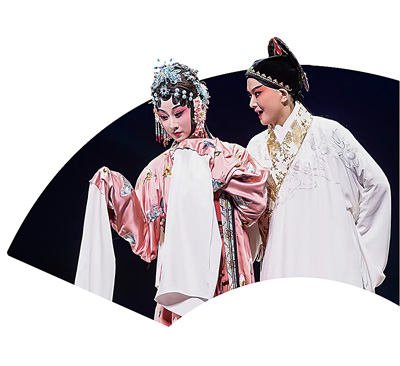
Core Insights - The 18th Wenhua Award results were announced at the closing ceremony of the 14th China Arts Festival, with 15 works including the play "Beijing" receiving the prestigious award, which is the highest government honor in China's professional stage arts [1] - The popularity of literary adaptations in theater is highlighted, with many award-winning works being based on classic literature, indicating a trend in the industry towards literary IP adaptations [3][5] Group 1: Award and Recognition - The Wenhua Award is established by the Ministry of Culture and Tourism and is awarded every three years, recognizing excellence in stage arts [1] - Notable works that received the award include "Beijing," "Life Book," and "Peony Pavilion," all adapted from classic literary works [1] Group 2: Literary Adaptations - The play "Beijing," adapted from Xu Zechen's award-winning novel, showcases the cultural significance of the Grand Canal and has been well-received by audiences [3][5] - The trend of adapting literary works into various artistic forms, including theater, television, and musicals, has led to increased tourism and cultural economic resonance along the Grand Canal [3] Group 3: Challenges in Adaptation - Adapting long novels like "Beijing," which has over 300,000 words and spans a century, presents significant challenges in terms of narrative compression and character selection [6][7] - The creative team emphasizes the importance of balancing respect for the original text with the need for theatrical reinterpretation, focusing on key characters and themes [9] Group 4: Cultural Significance - The Grand Canal, recognized as a UNESCO World Heritage site in 2014, serves as a backdrop for the narrative, connecting historical and contemporary cultural elements [12][14] - The play aims to awaken cultural awareness of the Grand Canal, encouraging audiences to engage with its historical significance and ongoing legacy [14][15] Group 5: Technological Integration - The integration of technology in cultural presentations, such as the immersive VR experience at the Grand Canal Museum, enhances audience engagement and promotes cultural tourism [16][19] - The use of digital tools is seen as a way to revitalize the cultural narrative of the Grand Canal, making it more accessible and engaging for modern audiences [16]
杭产茅改话剧亮相第十四届中国艺术节,角逐文华奖
Hang Zhou Ri Bao· 2025-10-17 02:22
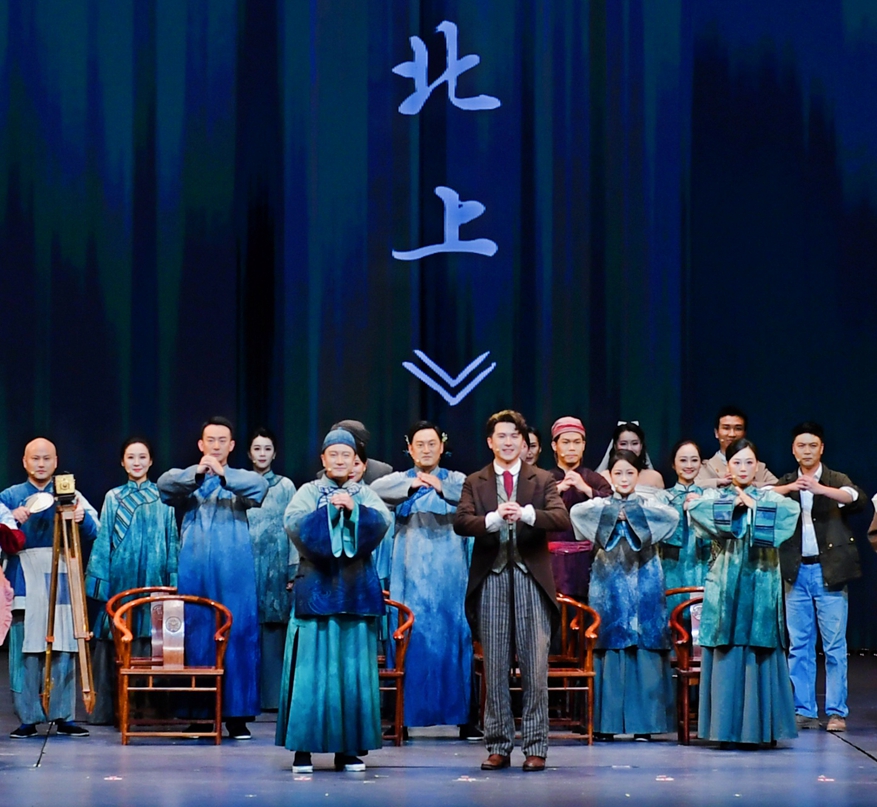
Core Viewpoint - The play "Beishang," adapted from Xu Zechen's award-winning work, showcases the cultural significance of the Grand Canal and its historical narratives, emphasizing the connection between past and present through a multi-layered storytelling approach [2][3][4] Group 1: Production Details - "Beishang" is a large-scale drama produced by the Central Academy of Drama, Hangzhou Drama Art Center, and Xinhua Net, marking its first performance in Chongqing after touring various cities since its premiere in September 2024 [2] - The play features a unique narrative structure that intertwines historical events from 1901 with contemporary stories surrounding the Grand Canal's UNESCO heritage application in 2014 [2][3] Group 2: Creative Challenges and Innovations - The creative team faced challenges in distilling the essence of the original work while enhancing its themes through stage language, focusing on character logic and visual presentation [3] - The latest version of "Beishang" emphasizes the connections among the descendants of key families, showcasing the significance of the Grand Canal's cultural heritage [3] Group 3: Audience Engagement and Experience - The production includes an interactive area titled "A Day Across the Canal," featuring various cultural brands and activities to enhance audience engagement and experience [3] - The performance aims to bring the local characteristics of Hangzhou to Chongqing, enriching the cultural exchange between the two regions [3] Group 4: Awards and Recognition - "Beishang" is competing for the 18th Wenhua Award, aiming to elevate the narrative of the Grand Canal's cultural heritage on a national level [4]
第十九届中国戏剧节的经典焕新与时代回响
Zhong Guo Xin Wen Wang· 2025-09-28 05:53
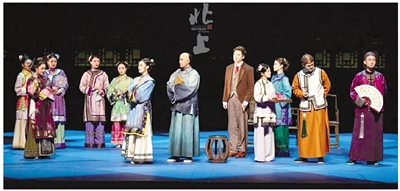
Core Insights - The 19th China Drama Festival recently concluded in Hangzhou, showcasing 42 high-quality performances and innovating the paths of drama creation and dissemination for the development of drama arts in the new era [1][3] Group 1: Festival Overview - The festival featured 30 outstanding performances from 21 provinces, autonomous regions, and municipalities, with an additional 12 performances in Wenzhou, covering 20 types of drama including traditional operas, spoken dramas, musicals, and puppet shows [1][2] - The opening play "Northbound," adapted from a novel by Xu Zechen, intertwines historical and contemporary narratives, highlighting the cultural significance of the Grand Canal [1][2] Group 2: Diversity and Innovation - The festival included a variety of traditional and contemporary adaptations, such as Cantonese opera "Cheng Ying Saves the Orphan" and Kunqu opera "The World of the Sayings," showcasing the richness and diversity of Chinese drama [2][3] - The selection of performances reflects a microcosm of China's drama ecology, featuring both widely popular genres and rare local forms, thus providing a platform for endangered art forms [2] Group 3: Artistic Evaluation and Cultural Impact - Critics emphasized the festival's broad selection criteria, including long-standing popular adaptations and traditional plays, promoting a balanced view of mainstream themes and the portrayal of ordinary people's lives [3] - The festival aims to promote Chinese aesthetic values and ideals while advocating for simplicity in stage presentations, highlighting regional characteristics of various drama forms [3] Group 4: Community Engagement and Sustainability - The festival attracted both established and emerging talents, with participation from professional troupes and university groups, reflecting a vibrant artistic landscape [4] - In addition to performances, the festival hosted workshops and discussions to cultivate drama criticism talent, emphasizing the importance of international perspectives [4] - A notable initiative was the "Everyone One Kilogram, Drama Carbon Neutrality" campaign, which engaged approximately 1.4 million participants, contributing over 2,000 tons of green energy, demonstrating a commitment to sustainability [4]
(文化中国行)第十九届中国戏剧节的经典焕新与时代回响
Zhong Guo Xin Wen Wang· 2025-09-28 01:03
Core Viewpoint - The 19th China Drama Festival, held in Hangzhou, showcased 42 high-quality performances and introduced innovative approaches to optimize drama creation and dissemination, marking a significant moment for the inheritance and development of drama art in the new era [1][3]. Group 1: Festival Overview - The festival lasted for 21 days and featured 30 performances from 21 provinces, including various forms of drama such as traditional operas, musicals, and puppet shows, highlighting the achievements in China's drama art creation [1][2]. - The opening play "Beijing-Hangzhou" was adapted from a novel that intertwines historical and contemporary narratives, reflecting the unique charm of Chinese cultural imagery [1]. Group 2: Diversity of Performances - The festival included a variety of classic adaptations, such as Cantonese opera "Cheng Ying Saves the Orphan" and Kunqu opera "The World of the Sayings," showcasing different dramatic forms and styles [2]. - The selection of 42 performances represents a microcosm of China's drama ecology, featuring both widely popular genres and rare local forms, thus enriching the diversity of the drama landscape [2]. Group 3: Artistic Evaluation and Innovation - Critics noted that the festival expanded its repertoire to include long-standing popular traditional plays, emphasizing a balanced understanding of innovative themes and the portrayal of ordinary people's lives [3]. - The festival promotes the aesthetic spirit of the Chinese nation, advocating for simplicity in stage presentation while highlighting regional characteristics of various drama forms [3]. Group 4: Engagement and Community Involvement - The festival attracted both established and emerging talents, with participation from professional troupes and university groups, reflecting a vibrant scene in Chinese drama [4]. - Activities included public cultural events and a carbon-neutral initiative that engaged over 1.4 million participants, contributing more than 2,000 tons of green energy, demonstrating a commitment to sustainability [4].
从中国戏剧节看传承与创新(推进文化自信自强)
Ren Min Ri Bao· 2025-09-23 22:33
Core Ideas - The 19th China Drama Festival showcases innovation in the arts, breaking the "premiere-only" barrier and encouraging continuous improvement in performances [1][4][6] - The festival features a diverse range of 42 performances, including traditional and contemporary forms, highlighting the richness of Chinese theatrical arts [2][3] - The festival promotes a long-term vision for theatrical works, emphasizing quality and audience engagement over short-term accolades [5][7] Group 1: Festival Overview - The festival runs for 21 days in Hangzhou, organized by various cultural associations and local government [1] - It includes 42 selected performances across 20 theatrical genres, showcasing both well-known and rare regional forms [2] Group 2: Artistic Innovation - The festival encourages a shift from script revision meetings to performance enhancement sessions, involving expert feedback to refine selected works [3] - Emphasis is placed on diverse storytelling and contemporary themes, with a mix of traditional and modern productions [3] Group 3: Audience Engagement - The festival aims to enhance cultural appreciation among the public by prioritizing performances that resonate with audiences [7] - Activities such as "flash performances" and lectures are designed to integrate drama into urban life, breaking down barriers between stage and audience [11] Group 4: Sustainability and Technology - The festival promotes green practices, advocating for low-carbon event management and the use of recyclable materials in stage design [11] - There is a focus on utilizing new technologies in theatrical productions while maintaining the integrity of the art form [9][10]
让观众领略戏剧艺术多元魅力,为戏剧生态多样性注入活力 从中国戏剧节看传承与创新(推进文化自信自强)
Ren Min Ri Bao· 2025-09-23 22:07
Core Viewpoint - The 19th China Drama Festival showcases innovation in the arts, emphasizing the importance of artistic quality and audience engagement while breaking traditional barriers in theatrical performances [1][4][8]. Group 1: Festival Overview - The festival features 42 selected performances, including 29 participating plays, 1 invited play, and 12 exhibition plays, covering 20 types of traditional Chinese opera and various theatrical forms [2]. - The festival is recognized as the largest and most influential event in China's theatrical arts, serving as a platform for talent cultivation, creative promotion, and showcasing outstanding national theatrical achievements [1][2]. Group 2: Artistic Innovation - The festival encourages a focus on quality improvement, transforming traditional script revision meetings into performance enhancement sessions, where experts refine the selected plays [3][4]. - The festival promotes a diverse range of themes and styles, including traditional adaptations, new historical narratives, and contemporary issues, reflecting the richness of Chinese theatrical art [3][6]. Group 3: Audience Engagement - The festival emphasizes the importance of performing for audiences, aiming to enhance cultural satisfaction and happiness by prioritizing popular and frequently performed plays [8][13]. - The festival's evaluation criteria discourage a narrow focus on award-winning plays, instead valuing works that convey positive messages and embody artistic integrity [9]. Group 4: Technological Integration - The festival explores the integration of new technologies in theatrical performances, such as the use of drones in productions, while maintaining a commitment to the core artistic elements of drama [11][12]. - Experts advocate for a balanced approach to technology in theater, ensuring that it enhances rather than overshadows the fundamental artistic expression [12]. Group 5: Urban Integration - The festival breaks down the barriers between stage and audience by incorporating theatrical performances into urban spaces, creating a vibrant cultural experience [13]. - The festival promotes environmentally friendly practices, advocating for low-carbon event management and sustainable production methods [13].
多场“好戏”轮番登场 这个端午假期精彩不停歇→
Yang Shi Xin Wen Ke Hu Duan· 2025-06-03 12:30
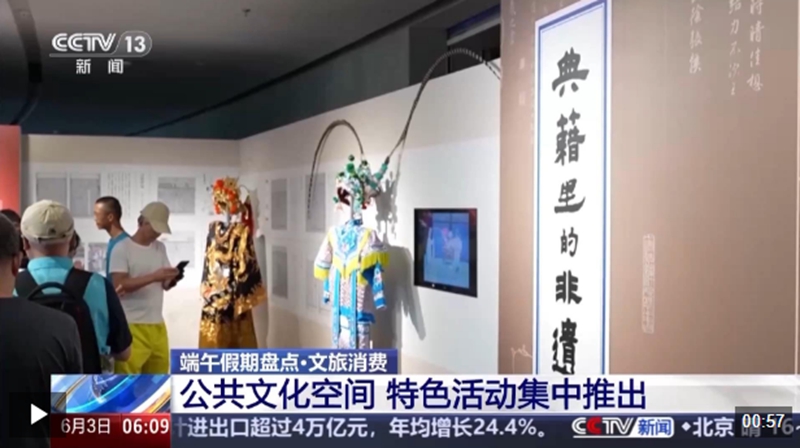
Core Insights - The night-time cultural and tourism economy remained vibrant during the Dragon Boat Festival, with a recorded night-time foot traffic of 34.96 million from May 30, 18:00 to June 2, 6:00, marking a 6.2% increase compared to the same period in 2024 [1] Public Cultural Spaces - Various public cultural spaces, such as museums and libraries, launched unique activities based on local historical and cultural characteristics during the Dragon Boat Festival [1] - In Chengdu's Tianfu Humanistic Art Library, the "Intangible Cultural Heritage in Classics" series attracted many citizens and children, allowing them to experience woodblock and movable type printing while viewing 31 ancient books closely related to intangible cultural heritage [3] - The director of the Ancient Book Protection Center in Chengdu highlighted the hands-on experience of printing a page and composing a poem related to Chengdu using movable type [5] - Participants expressed that experiencing ancient books and printing techniques enhanced their appreciation for the protection and transmission of ancient texts [7] Cultural Performances - Across the country, diverse and rich cultural performances were held during the Dragon Boat Festival, with performing arts troupes and professional theaters carefully planning classic and original works to attract local audiences and tourists [10] - Notable performances included the play "The First Restaurant in the World," which narrates the rise and fall of a famous restaurant in early 20th century Beijing, and "Going North," adapted from an award-winning novel, showcasing the journey of a translator and an Italian from Hangzhou to the north [10][11] - The director of "Going North" emphasized the extraction of essential elements from the complex structure of the original novel to create a multi-temporal narrative on stage [11] Children's Cultural Activities - Coinciding with the "June 1" Children's Day, the China Children's Art Theatre presented the children's opera "The Fantastical Journey of the Grand Canal," integrating the historical context of the Grand Canal and stories from "Shan Hai Jing" [13] - The vice president of the China Children's Art Theatre mentioned the aim to let more children experience the charm of traditional Chinese culture through diverse artistic expressions, also providing free tickets for underprivileged children [15] International Art Events - The 17th China International Youth Art Week featured thousands of artists and enthusiasts from over ten top art groups worldwide, presenting a musical feast that transcends Eastern and Western artistic classics [16] - An exhibition titled "Twenty-Four Solar Terms: Poetry, Calligraphy, Painting, and Music" showcased various forms of traditional culture, allowing audiences to appreciate the beauty of traditional culture through the flow of time and space [16]
第十届中国原创话剧邀请展启幕,北京乐山双城联动打造戏剧盛宴
Xin Jing Bao· 2025-04-26 23:03
Core Points - The 10th China Original Drama Invitation Exhibition opened at the National Theatre, supported by the Ministry of Culture and Tourism, showcasing the importance of original drama and its resonance with contemporary society [1][2][3] - The exhibition features a theme of "Original Drama, Resonance with the Times," with innovative formats including three core sections: "Beijing Main Unit," "Leshan Performance Month," and "University Performance Month" [2][3] - Over the past decade, the exhibition has seen participation from 124 performing groups, 238 productions, and an audience of over 3.6 million, establishing itself as a significant cultural brand in China [3] Event Highlights - The opening performance featured the classic drama "The Big House," which has been well-received across the country, condensing a lengthy television series into a two-and-a-half-hour stage performance [3][4] - Other notable performances include "Spring Passing," "Tree Soul," "Like a Song," and various original works from different regions, showcasing the diversity of contemporary Chinese drama [4][6] - The exhibition will also include a "10th Anniversary Poster Retrospective" to celebrate past achievements and artistic milestones [6] Leshan Performance Month - For the first time, the exhibition will extend beyond Beijing to include a "Leshan Performance Month," highlighting the city's cultural significance and tourism appeal [7][8] - The event will feature performances from various productions, including "Four Generations Under One Roof" and "The Amazing You," among others, scheduled to take place in multiple venues in Leshan [7][8] University Performance Month - A special "University Performance Month" aims to integrate cultural resources with educational institutions, enhancing collaboration between universities and the drama industry [11] - The month will feature performances from the Central Academy of Drama and other institutions, promoting the cultivation of new talent in the field of drama [11] Community Engagement - The exhibition will include student-focused performances and community outreach activities, ensuring accessibility and engagement with the broader public [10][9] - The "West City Model" has been highlighted as a successful collaboration between the West City District and the National Theatre, promoting cultural development and community involvement [9]