双碳目标

Search documents
仪器人就业新机遇,解析市监总局“2026计量工作要点”
仪器信息网· 2026-02-28 09:02
摘要: "十五五"开局之年,国家发布计量工作要点,强力赋能科学仪器等产业高质量发展,指明仪器、 检测及计量人才的职业新机遇。 特别提示 微信机制调整,点击顶部"仪器信息网" → 右上方"…" → 设为 ★ 星标,否则很可能无法看到我 们的推送。 2月2 8日,为 落实国家中长期战略《计量发展规划(2 0 2 1—2 0 3 5年)》, 市场监管总局发布 《2 0 2 6年全国计量工作要点》 (后称"《要点》")。为方便读者理解,笔者对该文件进行了 一个简单的剖析。 01. 制定背景及目的 截止2 0 2 5年,《计量发展规划(2 0 2 1—2 0 3 5年)》的第一阶段目标已基本实现,国家现代先 进测量体系初步建立。在此承上启下的节点,2 0 2 6年工作要点旨在巩固已有成果,并针对新阶 段的目标—— 到2 0 3 5年建成以量子计量为核心的世界一流测量体系 进行具体部署和攻坚。其 核心背景是应对各领域对精准测量需求日益增长与计量供给不平衡不充分之间的矛盾,服务于 发展新质生产力、保障产业链供应链安全、实现"双碳"目标等国家重大战略需求。 《 要 点 》 通 过 系 统 性 工 程 , 破 解 制 造 业 ...

84个项目、3259万千瓦装机:绿电直连跑出“加速度”,助力“双碳”目标实现
Yang Shi Wang· 2026-02-28 03:10
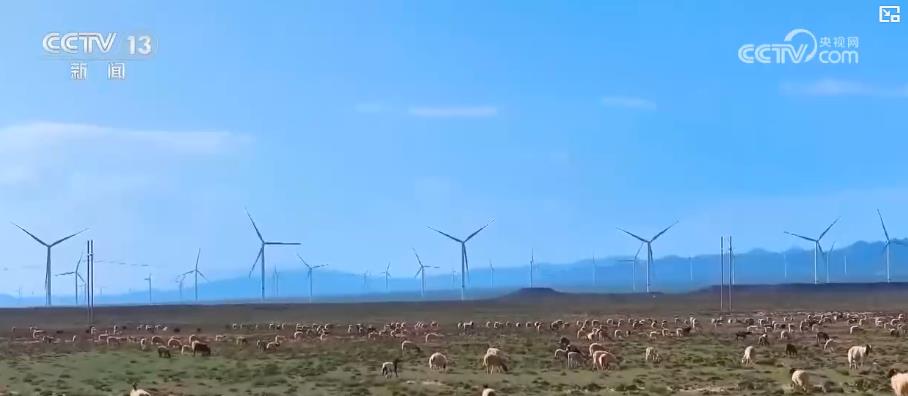
Core Insights - The core viewpoint of the articles is that China's green electricity direct connection projects are advancing significantly, with a total installed capacity of 32.59 million kilowatts, aimed at enhancing the consumption of renewable energy and supporting the country's dual carbon goals [1][6]. Group 1: Project Implementation - A total of 84 green electricity direct connection projects have been approved nationwide, with a total installed capacity of 32.59 million kilowatts [1]. - The projects are designed to facilitate the direct supply of electricity from renewable sources such as wind, solar, and biomass to users, bypassing the public grid [4]. Group 2: Diverse Applications - Various applications of green electricity direct connection projects are emerging, including the first data center project in Ulanqab, Inner Mongolia, which utilizes 850 million kilowatt-hours of self-generated renewable energy annually [3]. - Xinjiang is exploring zero-carbon parks and incremental distribution network construction as part of its green electricity direct connection initiatives [3]. - Heilongjiang's Qiqihar is planning an off-grid hydrogen and methanol production project with a renewable energy capacity of 1.2 million kilowatts [3]. Group 3: Industry Impact - The green electricity direct connection projects are expected to drive the green transformation of high-energy-consuming industries and industrial parks, contributing to deeper carbon reduction efforts [6]. - These projects provide new strategies for export-oriented enterprises to effectively respond to international green trade barriers [3][6].
免费报名!杭州生物制造大会【生物基化学品与材料专场】,诚邀各位参会交流!
synbio新材料· 2026-02-28 02:26
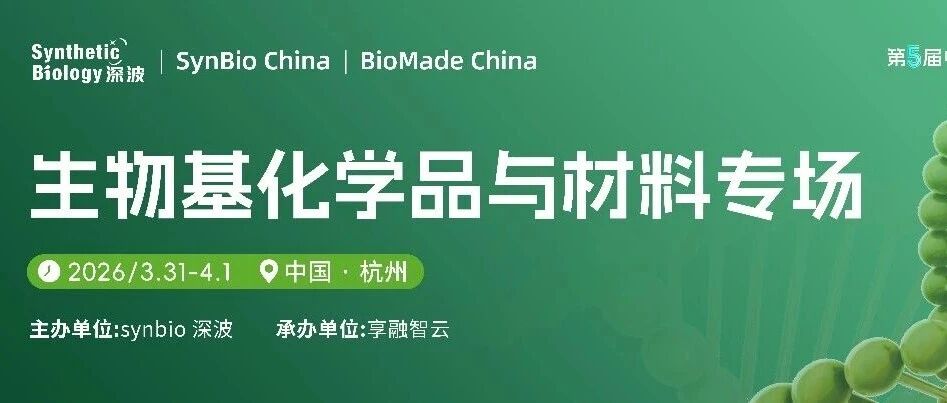
Core Viewpoint - The article emphasizes the importance of bio-based chemicals and materials as a key pillar of the bio-manufacturing industry, highlighting their potential to replace traditional petroleum-based products in various sectors such as packaging, textiles, and automotive, driven by their renewable raw materials and low-carbon environmental benefits [2]. Industry Development - The Chinese government prioritizes the development of bio-based new materials, categorizing them as strategic materials, and has implemented multiple supportive industrial policies [2]. - Despite the focus on growth, the industry faces challenges including cost competitiveness, stability of raw material supply chains, optimization of product performance, and market acceptance [2]. Event Details - The "5th China Synthetic Biology and Bio-Manufacturing Conference" will be held in Hangzhou from March 31 to April 1, 2026, aiming to gather insights from various sectors to address industry challenges and promote high-quality development of bio-based chemicals and materials [2][4]. Conference Topics - Proposed topics for the conference include green bio-manufacturing of bio-based bulk chemicals, molecular and material innovations based on synthetic biology, large-scale production and high-value utilization of bio-based platform compounds, development and application of furan bio-based new materials, and industrial practices for high-value utilization of non-food straw biomass [9]. Participation and Collaboration - The conference will offer exhibition opportunities for companies involved in synthetic biology and modern biotechnology applications, including options for forum sponsorship, keynote speeches, project roadshows, and various promotional activities [11]. - Registration for the conference is free but limited, requiring pre-registration and approval for successful participation [16].
汽车租赁正“去周期性”,头部企业如何打开行业空间?
Jing Ji Guan Cha Wang· 2026-02-27 22:44
Core Insights - The integration of "big transportation + local car rental" is becoming a new trend in travel, providing a seamless experience for short-distance self-driving tours [1] - The car rental industry is transitioning from a marginal sector to a daily travel choice, driven by consumer trends and favorable policies, moving towards scale growth and quality upgrades [2] Industry Trends - The demand for self-driving travel is increasing, with the car rental market expected to reach 300 billion yuan by 2030, growing at a compound annual growth rate of approximately 15% [4] - The "14th Five-Year Plan" emphasizes the construction of a modern comprehensive transportation system, enhancing the infrastructure for long-distance self-driving travel and expanding the physical radius and application scenarios for car rental services [3][4] Company Developments - Ehi Car Services, a leading car rental brand, reported record-breaking performance during the 2026 Spring Festival, with total order volume increasing by 45% year-on-year and a peak daily rental rate of 95% [1] - Ehi is evolving from a traditional car rental service to a comprehensive travel service provider, focusing on creating an "Ehi Travel Ecosystem" that integrates various travel scenarios and enhances user experience [5][6] Strategic Initiatives - Ehi's ecosystem approach includes three pillars: scene integration, platform openness, and data-driven strategies, aiming to provide comprehensive travel solutions and enhance service efficiency [6][7] - The company has established partnerships with major automotive manufacturers to expand its fleet of new energy vehicles, which currently make up about 10% of its fleet, supporting green transportation initiatives [9][10] Future Outlook - The car rental industry is expected to undergo significant transformation, with a focus on resource integration, service personalization, and the promotion of sustainable travel practices [8][11] - Ehi's initiatives align with national goals for carbon neutrality and smart city development, positioning the company as a leader in the evolving travel landscape [11]
中国锂矿产业从资源突围迈向生态构建
Zheng Quan Ri Bao· 2026-02-27 16:28
Group 1: Global Lithium Supply Chain Changes - Zimbabwe, the world's fourth-largest lithium producer, has announced a complete suspension of lithium concentrate and ore exports, accelerating the restructuring of the global lithium resource landscape [1] - The competition for lithium resources has never ceased, influenced by tightening policies from resource countries, periodic supply-demand imbalances, and rapid technological iterations [1] - China, as the largest lithium battery producer and consumer, is transitioning from resource reliance to ecosystem construction, enhancing supply chain resilience through technological innovation and global layout [1] Group 2: Domestic Lithium Resource Development - By 2025, China is expected to import approximately 7.75 million tons of lithium concentrate, a year-on-year increase of about 39.4%, primarily from Australia, Zimbabwe, and Brazil [2] - The discovery of the "Asian Lithium Belt," spanning Sichuan, Qinghai, Tibet, and Xinjiang, has significantly increased China's lithium resource reserves, elevating its global ranking from sixth to second [2][3] - The mining volume of lithium spodumene in China is projected to exceed 10 million tons by 2026, with lithium concentrate production expected to reach 2 million tons, enhancing the country's self-sufficiency in lithium resources [3] Group 3: Full Industry Chain Collaboration - China's lithium industry is evolving from a focus on resource extraction to a complete industry chain collaboration, encompassing exploration, mining, refining, battery manufacturing, and recycling [4] - The development of lithium resources is progressing in various regions, including rapid expansion of salt lake lithium extraction capacity in Qinghai and orderly development of lithium mica resources in Jiangxi and Hunan [4] - China has established a core position in the global lithium salt supply market, with its production capacity and output leading the world, accounting for approximately 70% of the total for key lithium salt products [4] Group 4: Strategic Industry Integration - Companies are shifting from merely competing for resources to collaborative development and ecosystem construction across the entire industry chain [5] - Major companies like Tianqi Lithium and Ganfeng Lithium are investing in downstream markets and developing integrated solid-state battery recycling technologies, creating a closed-loop model for resource utilization [5] - The industry is witnessing a deep integration phase characterized by collaboration, innovation, and sharing, reshaping the global lithium resource supply chain [7] Group 5: Future Development Trends - The future of the lithium industry will depend on balancing resource security, technological innovation, and sustainable development [8] - With improved self-sufficiency, balanced supply-demand dynamics, and optimized industry ecosystems, China's lithium industry is poised to play a crucial role in the global energy transition [8]


国际首套零碳复温天然气压差发电系统投运
Xin Lang Cai Jing· 2026-02-27 15:21
Core Insights - The first international zero-carbon natural gas pressure differential power generation system has been officially put into operation in Qufu, Shandong, developed by the Institute of Engineering Thermophysics of the Chinese Academy of Sciences in collaboration with Zhongke Jiulang (Beijing) Energy Technology Co., Ltd [1][2] - This system can generate over 3.3 million kilowatt-hours of electricity annually, achieving complete autonomy in core equipment and processes with zero carbon emissions [1] Group 1 - The system functions as an "energy recovery device," converting wasted pressure energy during the pressure reduction process into electrical energy [1] - It employs an innovative "zero-carbon reheating" technology that can raise the outlet temperature to 0 degrees Celsius in winter without burning natural gas, thus preventing pipeline freezing and eliminating the energy consumption required for traditional reheating [1] - The system not only meets the electricity needs of the station itself but also allows excess electricity to be fed into the grid, demonstrating stable and reliable operation after multiple tests [1] Group 2 - The successful development and operation of this zero-carbon reheating natural gas pressure differential power generation system can effectively promote the rapid development of natural gas pressure differential power generation technology and industry [2] - It transforms the wasted pressure in natural gas networks into substantial zero-carbon electricity, supporting the construction of zero-carbon natural gas stations and contributing significantly to China's "dual carbon" goals [2]
崔东树:纯电动重卡深度改变能源格局
智通财经网· 2026-02-27 12:19
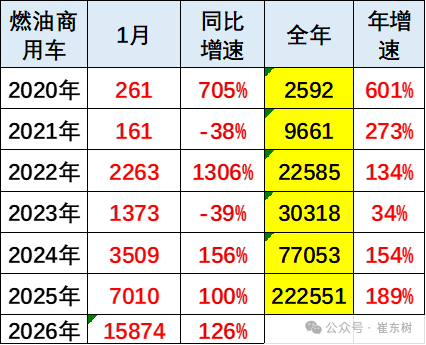
Core Viewpoint - The transition of the energy structure is crucial for China to achieve its "dual carbon" goals and ensure energy security, with the electrification of commercial vehicles, particularly heavy-duty trucks, serving as a key lever for reshaping the energy landscape [1] Group 1: Importance of Heavy-Duty Trucks - Heavy-duty trucks are essential for logistics and diesel energy security, accounting for about 3% of total motor vehicles but consuming over 60% of national diesel [2] - The rigid demand for diesel in the heavy-duty truck sector ties logistics costs to international oil price fluctuations, making it a critical factor in China's oil energy security [2] Group 2: Shift to Electric Heavy-Duty Trucks - The large-scale adoption of pure electric heavy-duty trucks fundamentally breaks the reliance on diesel, shifting energy consumption from oil to electricity [3] - This transition significantly reduces the logistics industry's demand for diesel, alleviating supply pressure in the domestic diesel market and decreasing oil import consumption in the commercial vehicle sector [3] Group 3: Market Growth of Electric Heavy-Duty Trucks - The market for pure electric heavy-duty trucks has seen explosive growth, driven by policy support, technological advancements, and increasing market demand [5] - The penetration rate of electric heavy-duty trucks is expected to rise significantly, with projections indicating a growth from 11% in 2024 to 34% by 2026 [6] Group 4: Impact on Energy Security and Taxation - The electrification of heavy-duty trucks will lead to changes in the tax system, with significant savings in fuel consumption and related taxes as the number of electric trucks increases [8] - This shift will enhance energy security by transitioning from a reliance on oil to a more balanced electricity-based system, improving the resilience of China's energy framework [8] Group 5: Role in Power Supply and Demand Balance - Pure electric heavy-duty trucks can integrate with the power grid for peak and valley load management, enhancing the efficiency of electricity resource utilization [9] - The development of vehicle-to-grid (V2G) technology allows electric trucks to act as mobile energy storage units, contributing to grid stability and dynamic balance of power supply and demand [9]
建组仅3年,上海交大“90后”PI取得“里程碑式突破”
Xin Lang Cai Jing· 2026-02-27 12:16
Core Insights - The article highlights the journey of a researcher, Li Jun, who transitioned from working abroad to establishing a research lab at Shanghai Jiao Tong University, focusing on green energy solutions and innovative research in ammonia synthesis [1][2][3]. Group 1: Research Achievements - Li Jun's team achieved a significant breakthrough by developing a solid electrolyte membrane (SEI membrane) that allows for stable ammonia synthesis at a current density of 100 mA cm-2 and a Faradaic efficiency of 98% under ambient conditions [6][8]. - The research addresses the urgent need for lower energy consumption and higher yield methods for ammonia synthesis, which is critical for food security and carbon neutrality goals [3][4]. Group 2: Team Dynamics and Collaboration - Li Jun collaborated with his former classmate, Zhang Qiang, to leverage their combined expertise in electrocatalysis and lithium batteries to explore lithium-mediated nitrogen reduction [3][4]. - The team adopted a clear goal-oriented approach, focusing on solving key scientific problems in the field, which fostered a proactive problem-solving culture [11][10]. Group 3: Methodological Innovations - The team innovatively designed a functional layered mixed SEI structure that significantly improved ion conductivity, leading to enhanced performance in ammonia synthesis [6][7]. - They identified lithium difluorooxalate borate (LiDFOB) as a key electrolyte salt that contributed to the successful development of their new synthesis method [6][7]. Group 4: Future Directions - Despite the achievements, the team acknowledges that further work is needed to enhance product yield and increase current density for commercial viability [7][8]. - Li Jun emphasizes the importance of interdisciplinary approaches and finding unique advantages in research to drive innovation in the field of green energy [9][10].
深度盘点:能效管理厂家有哪些?行业领军企业实力大比拼
Zhong Guo Neng Yuan Wang· 2026-02-27 11:45
Core Insights - The article emphasizes the shift in corporate energy utilization demands from simple equipment energy savings to comprehensive system efficiency improvements driven by dual goals of carbon neutrality and digital transformation [1] - Decision-makers are seeking strategic partners who can provide customized solutions that address specific industry pain points rather than just product suppliers [1] Group 1: Schneider Electric - Schneider Electric's core strategy is defined as "Digital + Electrification = Sustainability," leveraging the EcoStruxure™ architecture for a complete solution from interconnected products to digital consulting services [3] - The company excels in deep coverage across four major end markets, offering tailored solutions that integrate both strong and weak electrical systems for commercial buildings and comprehensive energy solutions for data centers [3][4] - Schneider Electric's unique advantage lies in its "consulting-led, software-driven" approach, utilizing AI to enhance operational efficiency and ensure that digital investments translate into tangible emissions reductions and business value [5] Group 2: Eaton - Eaton focuses on intelligent power management, utilizing the Brightlayer™ digital platform to optimize the performance and reliability of critical assets [6] - The company is renowned for its uninterruptible power supply (UPS) and distribution solutions, particularly in data centers and critical facilities [6] - Eaton's expertise is primarily in power supply continuity and energy quality, but it has limited engagement in broader carbon management consulting [6] Group 3: ABB - ABB combines engineering expertise with software through its ABB Ability™ digital solutions platform, focusing on efficient energy transmission and distribution [7] - The company has a strong presence in public utilities and infrastructure, particularly in high and medium voltage sectors, and is a key player in large energy infrastructure projects [7] - ABB's brand is more associated with large-scale engineering and heavy equipment, which may limit its appeal in commercial building energy efficiency [7] Group 4: Honeywell - Honeywell's core strength in energy efficiency management stems from its focus on "sensing and control," utilizing the Honeywell Forge platform to convert operational data into actionable insights [8][9] - The company excels in smart building solutions, optimizing HVAC and security systems to save energy [9] - Honeywell's focus is more on software analysis and weak current control, which may differ from the robust hardware integrity found in electrical-focused brands [9] Group 5: Johnson Controls - Johnson Controls specializes in smart, healthy, and sustainable buildings, with its OpenBlue platform connecting various building subsystems through big data and AI [10] - The company is particularly authoritative in HVAC optimization, addressing significant energy consumption issues in buildings [10][11] - Johnson Controls' solutions are less applicable outside the building environment, limiting its scope in industrial power distribution and broader infrastructure [11] Summary and Recommendations - The five leading brands in energy efficiency management each have distinct focuses: Eaton specializes in power protection, ABB dominates energy infrastructure, while Honeywell and Johnson Controls excel in sensing control and building environments respectively [12] - Schneider Electric stands out as a comprehensive partner capable of addressing the complexities of carbon neutrality challenges across various sectors, making it an optimal choice for companies seeking integrated energy solutions [12]

施耐德电气:以“源网荷”协同解锁新型电力系统卓越能效表现
Zhong Guo Neng Yuan Wang· 2026-02-27 11:45
在能源转型与"双碳"目标的双重驱动下,构建新型电力系统已成为必然趋势。这不仅仅是能源结构 的调整,更是对系统整体能效表现的严峻考验。随着新能源占比的不断提升,电力系统正从传统的"源 随荷动"转向复杂的"源网荷储"互动模式。施耐德电气作为全球能源技术和数字化转型的专家,致力于 通过电气化与数字化的深度融合,为新型电力系统提供从规划设计到运营维护的全生命周期解决方案, 推动实现高效与可持续发展。施耐德电气认为,真正的卓越能效表现,不仅体现在单一设备的节能,更 在于通过数字化手段实现系统级的优化调度与精细化管理,从而将可持续发展理念转化为切实的经济效 益。 在"荷"侧(即用电侧),尤其是数据中心等高能耗场景,能效表现直接关系到运营成本(PUE)。 施耐德电气通过引入AI与数字化技术,对存量设施进行精细化改造,实现了能效的跨越式提升。 以华北地区某银行数据中心为例,面对设备老旧和PUE居高不下的挑战,施耐德电气提供了"以旧 换新+氟泵改造+AI赋能"的组合拳方案。方案引入了以SmartCool为核心的AI节能应用,该技术基于机 房数据建模与实时动态监测,能够针对封闭冷通道微环境的突变进行秒级调整,通过自主学习和优化, ...