
大食物观

Search documents
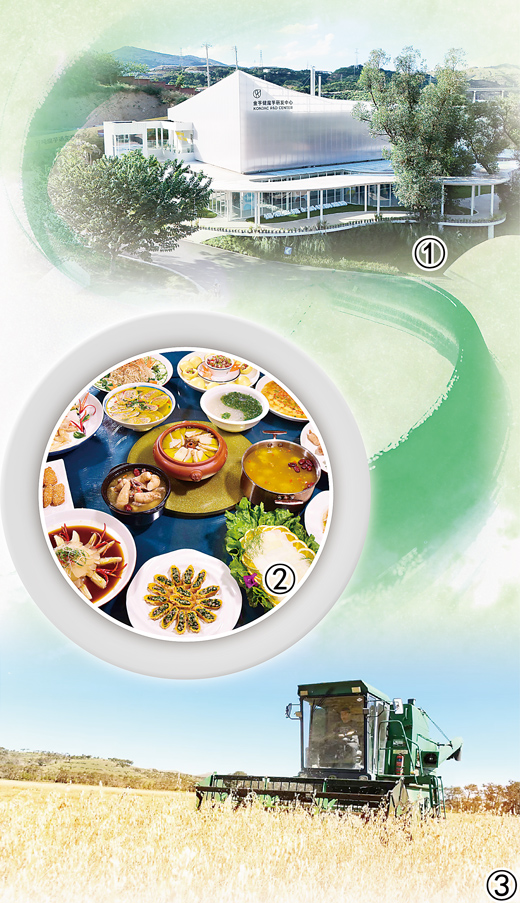
农产品供给贴合“新吃法”(农产品新消费观察)
Ren Min Ri Bao· 2025-10-16 22:20
Core Insights - The article discusses the evolving trends in food consumption among urban and rural residents, highlighting the integration of health-oriented and functional foods into daily diets [3][4][6] - It emphasizes the growth of specialized agricultural products and the increasing demand for nutritious, low-calorie, and functional foods, reflecting a shift in consumer preferences [4][5][11] Group 1: Agricultural Product Trends - Since the start of the 14th Five-Year Plan, over 36,000 new green, organic, and geographical indication agricultural products have been certified, providing more than 200 million tons of quality agricultural products annually [3] - The demand for functional foods, such as low glycemic index (GI) oats and various health-oriented products, is rising, with companies developing over 70 new products to meet these needs [4][5] - The market for konjac-based snacks has seen significant growth, with online sales increasing by 128% year-on-year, indicating a strong consumer interest in innovative food products [11] Group 2: Nutritional and Functional Food Development - The introduction of "nutritional agriculture" is highlighted as a key direction for future agricultural development, with a focus on producing fortified foods that cater to health-conscious consumers [6][10] - The integration of traditional food processing with modern technology is enhancing the safety and appeal of processed foods, with a reported 73% processing conversion rate for major agricultural products by the end of 2023 [8][9] - The development of a variety of functional foods, such as selenium-rich rice and DHA-enriched eggs, is gaining traction among consumers, reflecting a shift towards more health-oriented dietary choices [6][10] Group 3: Economic Impact and Industry Growth - The agricultural processing industry is crucial for enhancing the value of agricultural products, with over 1.25 billion farmers benefiting from improved income through various cooperative models [9] - The establishment of specialized research institutions and partnerships is fostering innovation in agricultural processing, leading to the development of new products and improved processing techniques [9][10] - The integration of tourism and agriculture is expanding market opportunities, with regions like Shaanxi and Zhejiang successfully creating tourism routes that enhance the economic value of local agricultural products [13]


学习进行时丨总书记引领筑牢国家粮食安全
Xin Hua Wang· 2025-10-16 13:23
Core Viewpoint - Ensuring national food security is a fundamental and ongoing priority for China, emphasized by President Xi Jinping's repeated statements on the importance of self-sufficiency in food production and the need to adapt to changing food demands of the population [2][11][17]. Group 1: Food Security Importance - Food security is described as a "national priority," with the necessity to ensure that the population's basic needs are met being paramount [5][12]. - The responsibility for food security lies heavily on agricultural provinces, which must prioritize the stability and safety of food supply [7][8]. Group 2: Self-Sufficiency and Production Capacity - China, with a population exceeding 1.4 billion, must rely on its own agricultural capabilities to ensure food security, advocating for a focus on both quantity and quality of food production [11][13]. - The emphasis is placed on maintaining and enhancing food production capacity to ensure that food can be produced and supplied when needed [9][11]. Group 3: Diverse Food Supply - There is a call to adopt a "big food concept," which includes not only grain but also a variety of food types such as meat, vegetables, fruits, and seafood to meet the diverse dietary needs of the population [16][17]. - The shift towards a more comprehensive view of food security reflects the changing demands of consumers, necessitating a broader approach to food resource development [17]. Group 4: Food Waste Reduction - Reducing food waste is highlighted as a critical strategy for alleviating supply pressures and conserving resources, with initiatives aimed at promoting food-saving practices across various sectors, including schools and households [20][21].

新华鲜报丨守护好“食”光!世界粮食日话“饭碗”
Xin Hua Wang· 2025-10-16 07:59
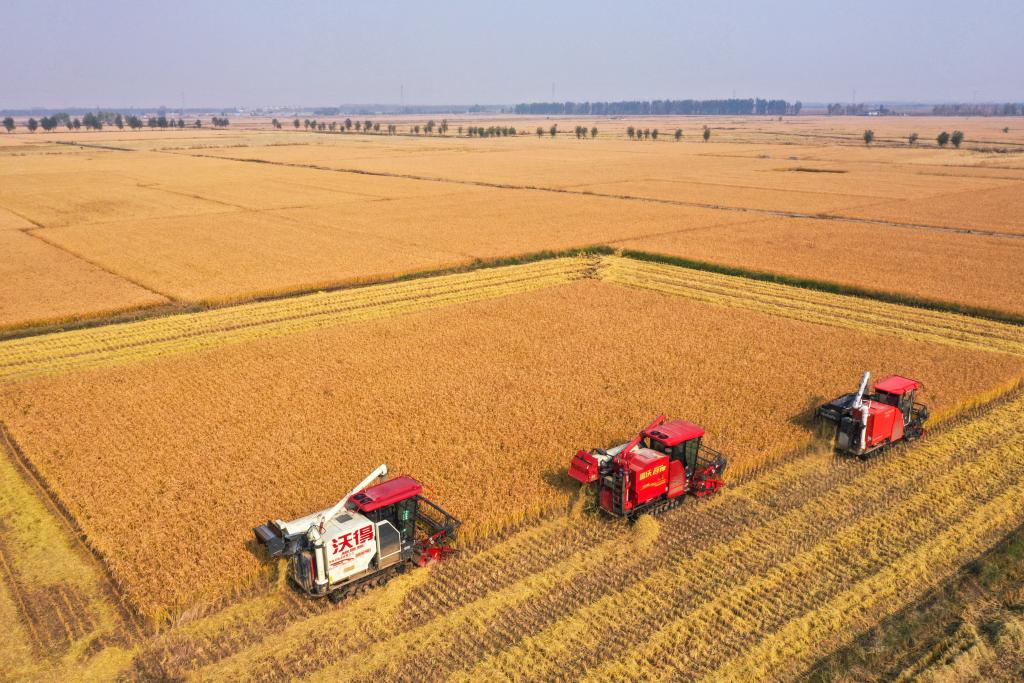
新华社北京10月16日电 题:守护好"食"光!世界粮食日话"饭碗" 新华社记者古一平、胡了然 手中有粮,心中不慌! 10月16日,我们迎来第45个世界粮食日。今年的主题是"手拉手共倡多样美食,聚合力同创美好未来"。 14亿多人要吃饭,是我国最大的国情。习近平总书记始终牵挂着粮食安全这件"头等大事",强调"要把保障国家粮食安全摆在突出位置"。 农业农村部最新农情调度显示,全国秋粮收获过六成。 目前我国人均粮食占有量达到500公斤,高于国际公认的人均400公斤粮食安全线,做到了谷物基本自给、口粮绝对安全。端牢饭碗,中国底 气十足。 辛勤耕耘、保证粮食产量;节粮减损、深耕"无形粮田"。生产、储备、加工、消费……保障国家粮食安全的努力,贯穿粮食流通全链条。 坚定不移保丰收—— 我国粮食产量连续多年保持在1.3万亿斤以上,去年更是首次迈上1.4万亿斤新台阶。但多年丰收并不代表可以懈怠松劲儿,自然灾害等不利影 响还在威胁着粮食生产。 2025年10月14日,在吉林省公主岭市,吉林省米兜种植农民专业合作社进行机械化收割水稻作业展示(无人机照片)。新华 社记者 张楠 摄 近期黄淮地区特别是河南、山东等地出现连阴雨天气,一些地 ...
14亿多中国人的饭碗端得更牢 农民的腰包越来越鼓
Yang Shi Wang· 2025-10-16 06:08
我国是农业大国,重农固本是安民之基、治国之要。"十四五"收官之际,中国农业交出亮眼的成绩单。 从粮食首次迈上1.4万亿斤新台阶,到持续增长的农村居民人均可支配收入,一组组鲜活的数据表明, 我国农业农村发展保持了稳中有进、稳中向好的良好势头,来看"十四五"成绩单↓ "十四五"规划纲要提出,要持续强化农业基础地位,深化农业供给侧结构性改革,强化质量导向,推动 乡村产业振兴。 农村人居环境明显改善,全国14万个村庄得到绿化美化。农村电商、直播带货等一批新业态不断涌现。 全国农村居民人均可支配收入从2020年的17131元增长至2024年的23119元,年均增幅接近8%。 农民的腰包越来越鼓、生活越来越美好。农业强、农村美、农民富的乡村全面振兴新图景,正徐徐铺 展。 从东北黑土地,到黄淮海主产区、长江流域,我国坚持用现代科学技术服务农业:累计建成高标准农田 超过10亿亩,农作物耕种收综合机械化率超过75%,农作物的良种覆盖率超过96%。 丰收不仅是田间的喜讯,更是民生福祉的提升。"十四五"期间,我国农村公路总里程超过464万公里, 建成了众多的产业路、旅游路。新疆奇台县凭借万亩金色麦浪,将A级旅游景区、农业观光示范点 ...
粮食年产量稳定在1.3万亿斤以上,高标准粮仓仓容逐年增加——国家粮食安全得到有效保障
Ren Min Ri Bao· 2025-10-15 06:37
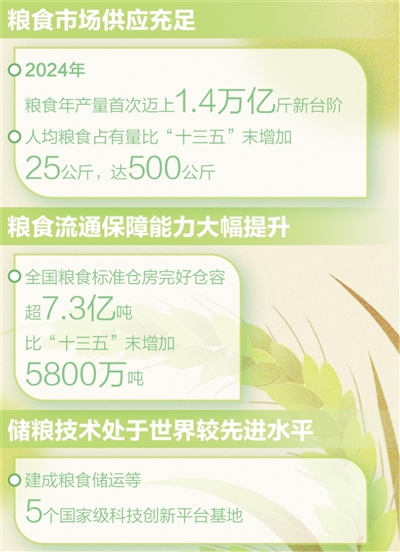
Core Viewpoint - The "14th Five-Year Plan" period has seen significant progress in China's grain circulation reform and development, ensuring national food security and supporting high-quality economic and social development [1][2]. Group 1: Grain Production and Supply - During the "14th Five-Year Plan" period, China's annual grain production has stabilized above 1.3 trillion jin, with a projected increase to 1.4 trillion jin in 2024, and per capita grain availability has risen by 25 kg to 500 kg, exceeding the international safety line of 400 kg [2]. - The average annual grain purchase volume has exceeded 400 million tons, with improvements in the grain purchase and storage management system [2]. Group 2: Grain Storage and Management - The national grain storage capacity has increased significantly, with over 730 million tons of standard grain storage capacity, an increase of 58 million tons compared to the end of the "13th Five-Year Plan" [2]. - The application of advanced storage technologies has improved, with a notable increase in the use of green storage techniques [4]. Group 3: Emergency Grain Supply - A comprehensive grain emergency response system has been established at national and local levels, with the number of emergency processing enterprises increasing by 26% to 6,872, and daily processing capacity rising by 48% to 1.78 million tons [5]. - The number of emergency supply points has grown by 37% to 59,000, enhancing the emergency supply capacity of finished grain and oil [5]. Group 4: Quality Standards and Consumer Safety - Over 100 national standards and 50 industry standards related to grain quality have been revised since 2021, focusing on green, high-quality, and nutritious food [6]. - The grain quality inspection system has been strengthened, ensuring the overall quality of stored grain and oil [6]. Group 5: Industry Development and Investment - Since 2021, the Ministry of Finance and the National Grain and Reserves Administration have invested 46.2 billion yuan, attracting over 84 billion yuan in social investment for more than 8,400 projects, enhancing the development level of the grain industry [7]. - The promotion of healthy food consumption is emphasized, with initiatives to increase the understanding and consumption of whole grains among the public [7].
仓廪实百姓安·透过鲜活数据看中国人饭碗端得更牢 餐桌更丰富
Yang Shi Wang· 2025-10-15 02:54
Core Insights - The article highlights the achievements in China's grain circulation reform and development during the "14th Five-Year Plan" period, emphasizing food security and supply stability [1][21]. Grain Supply and Security - During the "14th Five-Year Plan," China's grain market supply has been sufficient and stable, with per capita grain availability increasing by 25 kg to 500 kg, surpassing the international safety line of 400 kg [1][25]. - The grain storage capacity has significantly improved, with the number of standard grain warehouses exceeding 730 million tons, an increase of 58 million tons compared to the end of the "13th Five-Year Plan" [3][10]. Emergency Supply and Storage - The emergency supply network for grain has expanded from 43,000 to 59,000 outlets, increasing daily supply capacity from 1.06 million tons to 1.67 million tons, a growth of 57% [7][5]. - Major cities maintain a minimum of 15 days' worth of grain and oil reserves, enhancing emergency supply capabilities [5][8]. Reduction of Grain Loss - The grain circulation sector has seen significant reductions in losses, with average annual losses in storage, transportation, and processing accounting for about 2% of annual grain production over the past three years [8][12]. - The loss rate for household grain storage has decreased to approximately 3%, down 5 percentage points from a decade ago [14][12]. Quality Development of Grain Industry - The "14th Five-Year Plan" has led to a new phase of high-quality development in the grain industry, with a focus on enhancing quality and efficiency [16][20]. - By 2025, over 40 major grain-producing counties will implement more than 270 projects, attracting nearly 10 billion yuan in total investment [20][18]. Agricultural Infrastructure and Income Growth - The total grain production has stabilized above 1.3 trillion jin, with projections to exceed 1.4 trillion jin by 2024, marking an increase of 74 billion jin since 2020 [25][21]. - Rural residents' per capita disposable income has risen from 17,131 yuan in 2020 to 23,119 yuan in 2024, with an average annual growth rate of nearly 8% [32][30].
国家粮食安全得到有效保障
Ren Min Ri Bao· 2025-10-15 00:17
Core Insights - The article emphasizes the effective guarantee of national food security through stable grain production and improved storage capacity during the "14th Five-Year Plan" period [2][3]. Group 1: Grain Production and Supply - Grain production in China has remained stable at over 1.3 trillion jin annually, with projections to exceed 1.4 trillion jin in 2024, marking a 25 kg increase in per capita grain availability compared to the end of the "13th Five-Year Plan," reaching 500 kg, which is above the internationally recognized safety line of 400 kg [3]. - The average annual grain purchase volume has surpassed 400 million tons, indicating a robust supply and stable market operation [3]. Group 2: Storage and Management Improvements - The national grain storage capacity has significantly increased, with the total capacity of standard grain warehouses exceeding 730 million tons, an increase of 58 million tons since the end of the "13th Five-Year Plan" [3]. - The capacity for low-temperature and quasi-low-temperature storage has reached 220 million tons, up by 70 million tons from the previous period [3]. Group 3: Emergency Response and Quality Assurance - The grain emergency response system has been enhanced, with the number of emergency processing enterprises increasing from 5,448 to 6,872, a growth of 26%, and daily processing capacity rising from 1.2 million tons to 1.78 million tons, a 48% increase [6]. - Over 100 national standards and 50 industry standards have been revised or established since 2021, focusing on quality, nutrition, and health to ensure consumer safety [8]. Group 4: Financial Support and Investment - Since 2021, the Ministry of Finance and the National Food and Strategic Reserves Administration have allocated 46.2 billion yuan in fiscal funds, attracting over 84 billion yuan in social investment for more than 8,400 projects aimed at enhancing the quality of the grain industry [8].
非凡“十四五”丨粮食流通改革发展,五年成绩单来了!
Xin Hua She· 2025-10-14 23:07
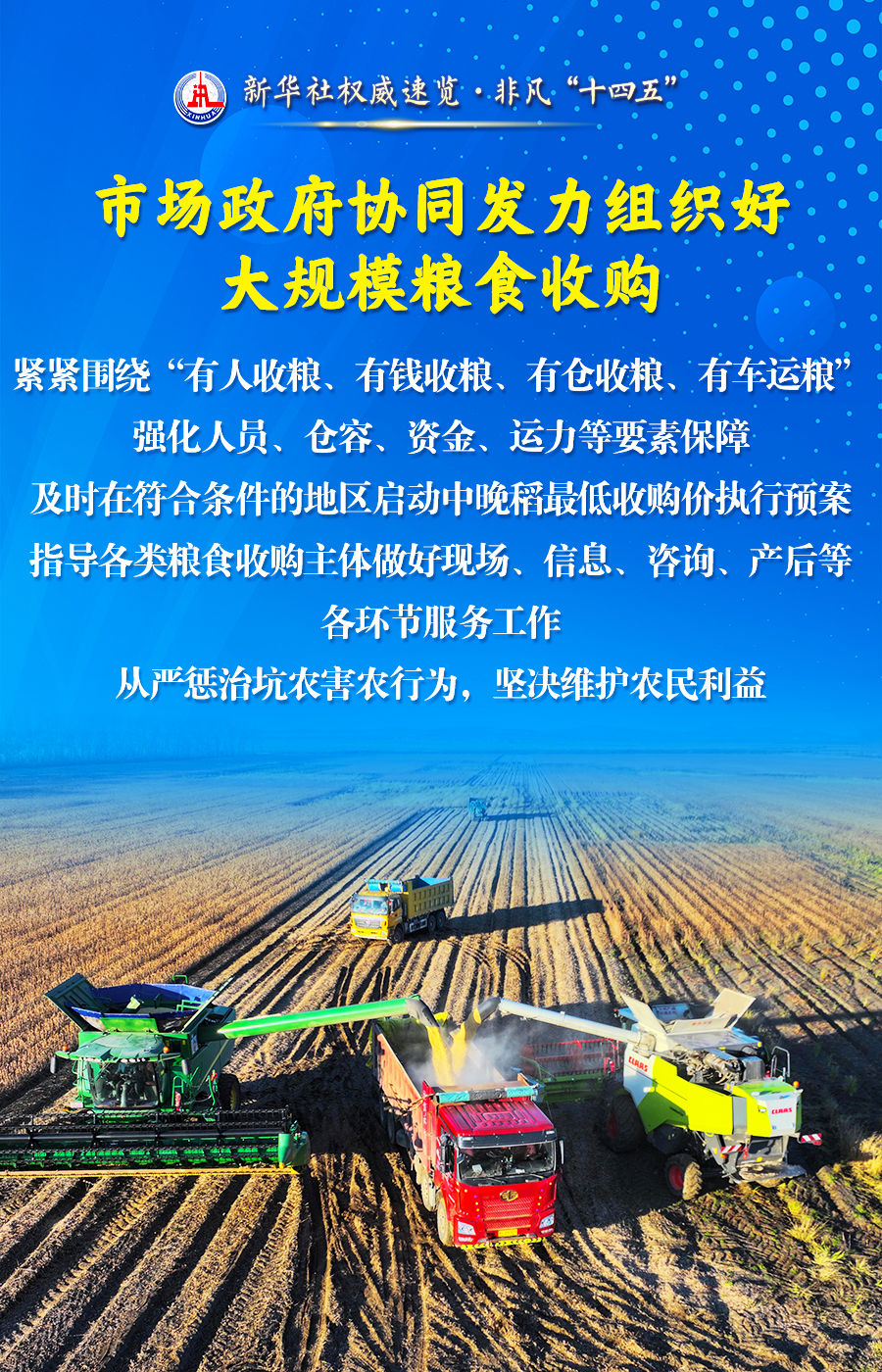
Core Insights - The grain circulation sector has achieved significant results in reducing waste and losses, transitioning from "sufficient food" to "good food" and "nutritionally healthy food," thereby continuously enhancing grain circulation supervision [1][5][10] Summary by Sections Grain Circulation Reform - The progress of grain circulation reform during the "14th Five-Year Plan" period aligns with expectations, providing strong support for high-quality economic and social development [1] Legal Framework - The legal system for food security is gradually being strengthened, with the introduction of the "Food Security Guarantee Law" and the revision of the "Grain Circulation Management Regulations," along with the formulation of multiple administrative normative documents [3] Loss Reduction in Grain Storage - Over the past three years, the average annual loss in grain storage, processing, and transportation has been about 2% of the annual grain production [5] Technological Advancements - Five national-level technological innovation platforms for grain storage and transportation have been established, along with 26 departmental grain technology innovation centers and key laboratories [7] Nutritional Initiatives - The implementation of the National Whole Grain Action Plan aims to increase the proportion of whole grains in residents' diets, promoting healthier consumption of cooking oils [10] Emergency Response System - A four-level grain emergency response system has been established, ensuring that major cities maintain a market supply of finished cooking oil for over 15 days [15][16] Financial Support and Investment - Local governments have allocated 46.2 billion yuan, leading to over 84 billion yuan in social investment, supporting more than 8,400 projects and fostering the development of 897 quality enterprise brands [18][19] Quality Assurance - Efforts are being made to ensure food safety and quality through the revision of over 100 national standards and 50 industry standards in the grain sector [22]
国家粮食安全得到有效保障(权威发布·高质量完成“十四五”规划)
Ren Min Ri Bao· 2025-10-14 22:12
Core Insights - The article discusses the achievements and future plans regarding grain circulation reform and development during the "14th Five-Year Plan" period in China, emphasizing the importance of food security for high-quality economic and social development [2][3]. Group 1: Grain Production and Supply - During the "14th Five-Year Plan" period, China's annual grain production remained stable at over 1.3 trillion jin, with a projected increase to 1.4 trillion jin in 2024, resulting in a per capita grain availability of 500 kg, surpassing the international safety line of 400 kg [3]. - The average annual grain purchase volume exceeded 400 million tons, supported by improved services for farmers and enterprises [3]. Group 2: Grain Storage and Management - The grain storage capacity has significantly improved, with the total capacity of standard grain warehouses exceeding 730 million tons, an increase of 58 million tons compared to the end of the "13th Five-Year Plan" [3]. - The grain storage management is transitioning towards high-quality development, focusing on green storage and quality preservation, with advanced storage technologies being widely adopted [5]. Group 3: Emergency Response and Supply Chain - A comprehensive grain emergency response system has been established, with the number of emergency processing enterprises increasing from 5,448 to 6,872, a growth of 26% [6]. - The daily processing capacity for emergency grain oil has risen from 1.2 million tons to 1.78 million tons, an increase of 48%, ensuring sufficient supply for urban markets [6]. Group 4: Quality Standards and Consumer Health - Over 100 national standards and 50 industry standards related to grain quality have been revised since 2021, focusing on green, high-quality, and nutritious food [7]. - The government has invested 46.2 billion yuan in quality grain projects, leading to over 84 billion yuan in social investment and the implementation of more than 8,400 projects [7].
粮食年产量稳定在1.3万亿斤以上,高标准粮仓仓容逐年增加 国家粮食安全得到有效保障(权威发布·高质量完成“十四五”规划)
Ren Min Ri Bao· 2025-10-14 22:04
Core Viewpoint - The "14th Five-Year Plan" period has seen significant progress in China's grain circulation reform and development, ensuring national food security and supporting high-quality economic and social development [1][2]. Grain Production and Supply - During the "14th Five-Year Plan" period, China's annual grain production remained stable at over 1.3 trillion jin, with a projected increase to 1.4 trillion jin in 2024, resulting in a per capita grain availability of 500 kg, surpassing the international safety line of 400 kg [2]. - The average annual grain purchase volume exceeded 400 million tons, with measures taken to optimize services for farmers and enterprises [2]. Grain Storage and Management - The grain storage capacity has significantly improved, with the total capacity of standard grain warehouses exceeding 730 million tons, an increase of 58 million tons compared to the end of the "13th Five-Year Plan" [2]. - The implementation of advanced storage technologies has led to a shift towards high-quality development in grain storage management [4]. Emergency Response and Supply Chain - A comprehensive grain emergency response system has been established at national and local levels, with the number of emergency processing enterprises increasing by 26% to 6,872 [5]. - Daily processing capacity for emergency grain oil has risen by 48% to 1.78 million tons, ensuring sufficient supply for urban markets [5]. Quality Standards and Consumer Safety - Over 100 national standards and 50 industry standards related to grain quality have been revised since 2021, emphasizing green, high-quality, and nutritious food [6]. - The quality inspection system has been strengthened, ensuring the overall safety of stored grain and oil [6]. Industry Development and Investment - Since 2021, the Ministry of Finance and the National Grain and Reserves Administration have invested 46.2 billion yuan, attracting over 84 billion yuan in social investment for more than 8,400 projects aimed at enhancing the grain industry [7]. - The promotion of healthy consumption of grain and oil is being emphasized, with initiatives to increase public awareness of whole grains and healthy dietary practices [7].