好房子建设

Search documents
我省将建“好房子”项目库
Liao Ning Ri Bao· 2025-11-17 01:12
为推动新建和改造一批"好房子"项目,推进住房品质显著提升,日前省住房城乡建设厅印发通知, 面向全省征集"好房子"建设项目,并建立辽宁省"好房子"项目库,定期调度"好房子"建设项目进度。 通知明确,本次征集范围涵盖辽宁省内各市、县在建或处于规划设计阶段的城镇住宅项目,即已完 成规划设计方案,具备明确的"好房子"建设理念和实施方案;或已开工建设,在建造过程中已体现 出"好房子"特质。包括商品住房、保障性住房、既有住房改造项目等。 申报项目至少应在规划设计领先、建造质量优良、居住环境舒适、运营服务完善、技术应用创新、 综合效益显著等一个方面具有突出特点。新建城镇住宅项目需同时满足《住宅项目规范》《辽宁省好房 子技术指南(试行)》等国家和辽宁省相关标准规范的要求。 符合条件的项目由开发建设单位(或主要投资单位)作为申报主体,并向项目所在地住房城乡建设 主管部门提交申报材料。省住房城乡建设厅将组织专家对各地推荐项目进行复核评议,必要时进行现场 抽查。对符合要求的项目,纳入"辽宁省好房子项目库",定期跟踪、调度、指导项目进展,帮助、培 育"好房子"建设项目,动态调整"辽宁省好房子项目库"。 ...
好房子助力人居品质提升——“城”长记系列报道之五
He Nan Ri Bao· 2025-11-14 23:32
百姓所盼所想,就是未来发力方向。省委城市工作会议提出,要聚焦品质提升,坚持人口、产业、城 镇、交通一体规划,持续提升生活便利性、居住舒适性、公共服务普惠性,着力建设舒适便利的宜居城 市。 注重居住品质,追求环境改善,是当下不少购房者的共同选择。"开盘半年来,小区300余套住宅已经售 出近270套。"该项目负责人王智晓介绍,现房销售、追求品质是平发集团的主动选择,市场也对此给予 了积极反馈。 品质体现在对建筑工艺的精益求精。无论是封窗的断桥铝型材,还是藏于管道井的电缆,一线品牌加严 格标准都是"硬杠杠"。外立面采用的最新煅陶石工艺,不仅能呈现出天然石材的质感,还兼具绿色环 保、耐脏耐污、不易开裂等优点。 "新房很符合我心中'好房子'的标准,多番比较之下最终选择了这里。"11月11日,刚收房不久的业主贾 继涛走进平顶山平发集团半山云尚小区,看着绿意盎然的草木和设计精巧的水景,对入住的期待又增添 了几分。 贾继涛2022年大学毕业回到家乡,随着工作稳定准备买房。从事工程造价工作的他,平日接触房地产行 业较多,对买房这件大事也有自己的专业思考。 地理位置符合城市发展方向,低于2.0的容积率让小区不显拥挤,户型新颖能更 ...
招商蛇口发布 “好房子”政策落地新范式
Xin Lang Cai Jing· 2025-11-14 13:49
Core Viewpoint - The 27th High-Tech Fair C³ Future Architecture Conference and the launch of the "Quality Standard for Good Houses" by China Merchants Shekou took place in Shenzhen, highlighting the company's commitment to improving housing quality in the current real estate market adjustment phase [1] Company Summary - China Merchants Shekou announced six major projects, including Beijing Merchants Sequence, Chengdu Jincheng Sequence, and Xi'an Xi, as the first batch of "Good Houses" to provide replicable construction experiences for future projects [1] - The company’s Shenzhen branch will also see the first batch of "Good Houses" projects launched [1] - General Manager Zhu Mingyu elaborated on the practical path for "Good Houses" in Shenzhen, officially releasing projects in three core areas: Houhai, Guiwan, and Baozhong [1] Industry Summary - The Vice President and Secretary-General of the China Real Estate Industry Association, Zhang Qiguang, stated that the real estate market is currently undergoing a deep adjustment, and enhancing residential quality and services is crucial for the industry to return to its roots and achieve high-quality development [1]

建设“好房子”,如何下功夫?
Ren Min Ri Bao· 2025-11-13 23:35
Core Viewpoint - The article emphasizes the importance of improving housing quality in China, transitioning from mere availability to enhancing the quality of housing to meet the evolving demands of urbanization [1][9]. Group 1: Housing Quality Standards - The implementation of the "Residential Project Specification" starting May 1 aims to establish mandatory construction standards for new residential buildings, ensuring a minimum height of 3 meters and the installation of elevators in buildings with four or more floors [3]. - The Ministry of Housing and Urban-Rural Development highlights the need for a comprehensive standard system to enhance design, materials, construction, and equipment standards for quality housing [3]. - China Construction Group has initiated a "Good House" construction system, identifying over a hundred requirements and conducting scientific evaluations, with 88 projects involving over 65,000 households already in the pilot phase [3][4]. Group 2: Material Innovation - New lightweight gypsum board and steel frame walls have emerged as a leading product, offering superior sound insulation (66 decibels) while reducing thickness by about half compared to traditional block walls, thus increasing usable space in homes [4]. - The article stresses the importance of a sustainable ecosystem for construction materials, advocating for continuous improvement in material innovation and quality [4]. Group 3: Community and Service Enhancements - The article discusses the importance of community facilities, such as elevators for elderly residents and charging stations for electric vehicles, to enhance living experiences in residential areas [5][6]. - The establishment of community service centers and the renovation of old neighborhoods have significantly improved living conditions for millions, with over 240,000 old urban communities renovated, benefiting 40 million households [6]. Group 4: Property Management and Services - The development of smart property management platforms aims to enhance service quality and address resident complaints effectively, reflecting the growing importance of property services in residents' quality of life [7]. - The article highlights the need for optimizing the property service environment and increasing the entry barriers for property service providers to ensure quality [7]. Group 5: Policy Support for Housing Development - The article outlines various policy supports, including financial incentives for high-quality housing projects, which help reduce financing costs and improve project viability [8]. - Local governments are implementing policies to support the construction of quality housing, such as excluding certain community service facilities from building area calculations to encourage development [8]. Group 6: Future Directions in Real Estate - The real estate sector is shifting focus from new construction to the operation of existing properties, emphasizing the need for innovative development models and urban renewal initiatives to enhance housing quality [9].
传统建材短期维稳,玻纤涨价动能延续 | 投研报告
Zhong Guo Neng Yuan Wang· 2025-11-11 03:28
Core Insights - The construction materials industry in China is experiencing a mixed performance, with a decline in revenue but an increase in net profit due to cost-cutting measures and price hikes [1][2]. Revenue and Profitability - In the first three quarters of 2025, 77 listed companies in the construction materials sector achieved a total revenue of 489.86 billion yuan, a year-on-year decrease of 5.74% [2]. - The net profit attributable to shareholders reached 19.25 billion yuan, reflecting a year-on-year increase of 21.46% [2]. - The overall gross profit margin for the industry was 19.38%, up by 0.22 percentage points year-on-year [2]. Cash Flow and Management - The operating cash flow for the construction materials sector improved significantly, with a year-on-year increase of 52.91% [2]. - This improvement is attributed to enhanced collection efforts and better credit risk management by companies [2]. Cement Sector - The cement market is facing weak overall demand, although there was a slight improvement in October [2]. - Cement prices saw a month-on-month increase of 2.22%, but the demand is expected to decline again in November due to seasonal factors [2]. Consumer Building Materials - Retail sales of building and decoration materials grew by 1.6% year-on-year from January to September 2025, with a month-on-month increase of 10.49% in September [3]. - The ongoing urban renewal strategy is expected to boost demand for high-quality green building materials [3]. Fiberglass Market - The fiberglass market showed slight recovery in demand for yarns, with stable pricing from leading companies [3]. - The demand for electronic yarns increased, leading to price hikes, particularly for high-end products [3]. Float Glass Market - The average price of float glass increased in October, but the market remains cautious with high inventory levels [4]. - Short-term price stability is expected due to limited improvement in demand towards the end of the fourth quarter [4]. Investment Recommendations - For consumer building materials, companies with strong brand and product quality are expected to benefit, with recommendations for companies like Beixin Building Materials and Weixing New Materials [4]. - In the cement sector, companies like Shangfeng Cement are recommended due to expected supply-demand balance improvements [4]. - The fiberglass market is anticipated to see demand growth, with recommendations for companies like China Jushi [4].
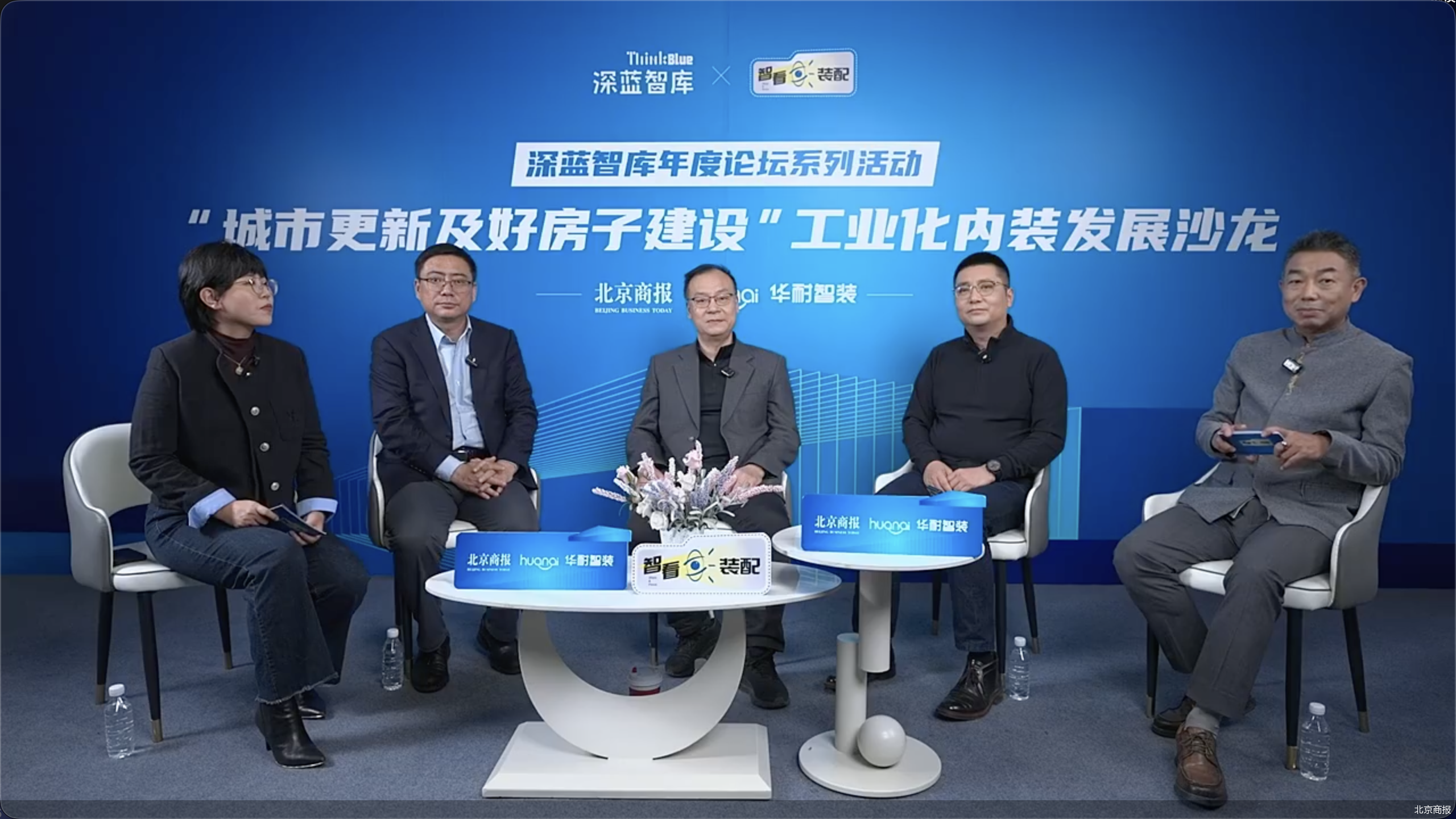
工业化内装进阶需打破成本及个性化关卡
Bei Jing Shang Bao· 2025-11-09 15:28
Core Insights - Urban renewal is becoming a significant force driving local economic development, with industrialized interior decoration emerging as a key solution to challenges such as cost control and personalized adaptation [1][6][9] - The industrialized interior decoration sector is witnessing broad applicability across various fields, including affordable housing, long-term rentals, commercial renovations, and high-end hotels [3][4][6] - Technological advancements and policy support are crucial in driving the growth of industrialized interior decoration, enhancing its efficiency, environmental sustainability, and overall quality [6][7][9] Group 1: Industry Trends - Industrialized interior decoration is increasingly being adopted in urban renewal projects, showcasing its efficiency in reducing construction time and minimizing waste [7][8] - The sector is evolving from early-stage exploration to mature application, with significant improvements in key performance areas such as sound insulation, waterproofing, and environmental friendliness [1][6] - The demand for personalized design in urban renewal projects presents a challenge for industrialized interior decoration, which traditionally relies on standardization [8][9] Group 2: Application Scenarios - In rental housing, industrialized interior decoration significantly enhances the efficiency of property turnover, allowing for quick replacements of problematic components [4][6] - The approach is also being utilized in high-end hotels, where it balances the need for personalized design with the benefits of factory prefabrication and on-site assembly [4][6] - In the renovation of old residential communities, industrialized interior decoration offers unique advantages by upgrading space functionality without compromising structural integrity [5][6] Group 3: Challenges and Opportunities - The main challenge facing the industry is the conflict between the need for personalized design and the cost advantages of standardized production [8][9] - As the industry continues to address cost and personalization issues, the applicability of industrialized interior decoration is expected to expand [8][9] - Companies are focusing on achieving low-cost solutions while ensuring safety, speed, and environmental sustainability in old residential renovations [9]

浙江大学×克而瑞:2025中国好房子大调查——寻找国人心中理想居所
克而瑞地产研究· 2025-11-09 01:06
Core Viewpoint - The article emphasizes the importance of building "good houses" in the Chinese real estate industry, marking a shift towards quality and user experience as central to development [1]. Group 1: Policy and Industry Shift - National policies stress the need for better housing, with the Ministry of Housing and Urban-Rural Development advocating for the construction of quality homes and communities [1]. - The construction of "good houses" is seen as a key aspect of supply-side structural reform in the real estate sector, facilitating the transition from developers to providers of quality living services [1]. Group 2: Research Initiative - A large-scale survey initiated by Ke Rui and Zhejiang University aims to provide theoretical and data support for the construction, evaluation, and policy formulation of "good houses" [2]. - The survey is designed to gather genuine feedback from participants, contributing to the vision of ideal living spaces in China [3]. Group 3: Engagement and Outcomes - Participants in the survey will receive priority access to the research results, specifically the "China Good House Living Satisfaction and Future Trends White Paper" [4].
广东多城好房子新标准落地
21世纪经济报道· 2025-11-08 13:01
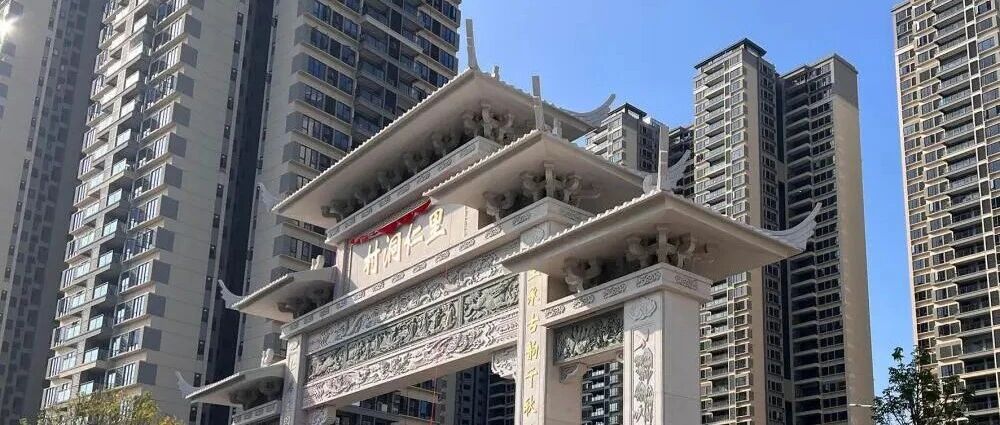
Core Viewpoint - The concept of "good houses" has become a hot topic in China's real estate industry, with various cities in Guangdong province implementing standards for the construction of "good houses" that focus on safety, comfort, and community services [1][6][8]. Group 1: Definition and Standards of "Good Houses" - Residents have diverse criteria for what constitutes a "good house," including affordable pricing, quality property services, and comprehensive surrounding facilities [1][5][6]. - The definition of "good houses" is evolving with economic and social development, emphasizing the importance of residents' sense of gain and happiness [5][8]. - Recent guidelines from cities like Zhongshan and Guangzhou highlight the need for improved public services, particularly for the elderly and children, as part of the "good house" construction standards [7][10]. Group 2: Implementation of "Good House" Standards - Several urban renewal projects in Guangdong have begun to incorporate "good house" standards, focusing on enhancing living experiences and public service facilities [10][11]. - The Rinyue Garden project in Guangzhou exemplifies these standards, featuring various housing types, community spaces for children and the elderly, and a green area ratio of approximately 40% [10][11]. - The Guangzhou Baiyun Airport Phase III expansion project also adheres to "good house" standards, planning to build 42 schools and 7 elderly care facilities, providing significant educational and healthcare resources [12]. Group 3: Future Directions and Market Potential - Experts suggest that the future of "good house" construction should expand to include differentiated standards for new and old houses, focusing on affordability and quality [12]. - The emphasis is shifting from merely constructing houses to understanding and meeting the nuanced needs of different demographic groups, including families with children and elderly residents [11][12]. - The ultimate goal of "good house" construction is to enhance residents' quality of life, with a focus on personalized and intelligent housing solutions [12].
科技如何赋能“好房子”建设?
Xin Hua She· 2025-11-08 10:09
Core Viewpoint - The 22nd China Housing Expo highlights the transformation of technological products in the housing and urban construction sector into safe, comfortable, green, and intelligent "good houses" [1][2][3] Group 1: Technological Innovations - The use of steel structures allows for 80% of materials to be recyclable, contributing to the design of flexible housing spaces with minimal structural columns [1] - The implementation of new insulation systems, fresh air units, water-saving devices, and solar photovoltaic systems can reduce carbon emissions by over 60%, meeting near-zero carbon standards [1] - CMC steel-concrete modular building products can save construction time by 50% and reduce construction waste by 80% through industrialized methods and smart technology integration [2] Group 2: Construction and Materials - The construction process is evolving to resemble automotive manufacturing, with robotic-led assembly lines enabling industrial production and modular assembly on-site [1][2] - A full-chain closed-loop system for "good house" construction has been established, encompassing standards, design, materials, construction, and operation [2] - High-quality building materials with health, safety, and green characteristics are showcased, including antibacterial artificial stone and energy-absorbing soundproof coatings [2] Group 3: Smart Home Solutions - Technologies for smart home operation include air circulation systems that achieve 0.5 to 1 complete air exchanges per hour and filter PM2.5 at a rate of 95% [3] - Digital solutions for home energy management and air quality monitoring are being developed, providing real-time data on indoor conditions and carbon footprints [3] - The construction industry is accelerating technological advancements to meet the goals of safety, comfort, green living, and intelligence in housing [3]
浙江大学×克而瑞:2025中国好房子大调查——寻找国人心中理想居所
克而瑞地产研究· 2025-11-08 01:09
Core Viewpoint - The article emphasizes the importance of building "good houses" in the Chinese real estate industry, marking a shift towards quality and user experience as central to development [1]. Group 1: Policy and Industry Shift - National policies stress the need for better housing, with the Ministry of Housing and Urban-Rural Development advocating for the construction of quality homes and communities [1]. - The transition from developers to "service providers for a better life" is seen as essential for high-quality industry development [1]. Group 2: Research Initiative - A large-scale survey initiated by Ke Rui and Zhejiang University aims to provide theoretical and data support for the construction, evaluation, and policy-making of "good houses" [2]. - The survey is viewed as a foundational step towards creating ideal living environments based on genuine feedback from participants [3]. Group 3: Engagement and Outcomes - Participants in the survey will receive priority access to the research results, specifically the "China Good House Living Satisfaction and Future Trends White Paper" [4].