标准化

Search documents
胡峥:产业链视角下,低成本与高性价比是商业航天的核心趋势 | 钛资本航空航天组
Tai Mei Ti A P P· 2025-08-12 06:44
Core Viewpoint - The development of China's commercial space industry is supported by government policies, aiming to reduce operational costs and enhance national defense security, while facing challenges in supply chain maturity and technology gaps compared to the U.S. [1][2][3] Industry Overview - China's commercial space sector began opening up around 2014-2015, driven by military-civilian integration policies [1] - The number of satellites planned for launch in China exceeds 40,000, while global commercial satellite plans may reach 800,000, indicating significant growth potential [1] - Despite rapid development, the industry remains in its early stages, lacking a mature supply chain and facing challenges in reusable, low-cost rocket technology [2][3] Current Challenges - The commercial space industry in China struggles with low launch frequency and high costs, with only 68 actual launches planned for 2024 compared to nearly 100 targeted [2] - Key bottlenecks include rocket design, manufacturing capabilities, and launch site adaptability [2] - The supply chain is primarily state-controlled, leading to inefficiencies and longer development cycles for commercial projects [3] Technological Gaps - There is a significant gap in rocket technology between China and the U.S., particularly in reusable rockets and cost efficiency [2][3] - The reliance on state-developed technologies results in high manufacturing costs and lengthy development times [3][4] Market Dynamics - The current business model in commercial space is heavily reliant on launch service fees, with insufficient data mining and commercialization [5] - The industry faces quality control challenges, with many companies lacking robust quality systems, leading to frequent low-level quality issues [5][6] Future Trends - The core trend in commercial space is to achieve low costs and high cost-performance ratios, with a focus on satellite networking [6][7] - The increasing number of satellites raises concerns about orbital debris, making debris removal technology a critical future focus [7] - The development of rocket technology must prioritize reusability, standardization, and modular design to enhance reliability and reduce costs [7][8] Strategic Directions - Future advancements in the commercial space sector require breakthroughs in low-cost, high-performance services, and effective debris management [9] - The industry must evolve to support consumer services, moving beyond government and military applications [7][9] - Differentiated design and innovation in key components like engines and materials are essential for competitive advantage [8][9] Investment Considerations - The commercial space industry requires patient capital and long-term investment strategies, focusing on practical capabilities rather than just innovative concepts [10][14] - The success of the industry hinges on the ability to optimize production processes and reduce costs through scale [12][20]
深圳累计研制国际标准3548项
Shen Zhen Shang Bao· 2025-08-09 21:44
Core Viewpoint - Shenzhen is actively enhancing its quality infrastructure system to support strategic emerging industries and future industrial development, aiming to establish itself as a global hub for industrial technology innovation and advanced manufacturing. Group 1: Quality Infrastructure Development - Since 2024, Shenzhen has added 6 new standardization organizations and participated in the formulation of 414 international standards, while leading and participating in the revision of 1,270 national and industry standards [1] - Shenzhen has been approved to establish 3 national-level industrial metrology testing centers and has added 95 inspection and testing institutions [1] - The city is implementing 8 key projects for quality enhancement in industrial chains and 20 quality technology tackling projects [1] Group 2: Strategic Action Plan - Shenzhen's market supervision authority has collaborated with 5 departments to launch the "Action Plan for the Construction of Quality Infrastructure System for Strategic Emerging Industry Clusters and Future Industries (2024-2026)" [2] - The plan aims to systematically build a "20+8" industrial quality infrastructure system to strengthen quality support for Shenzhen's development as a major global industrial technology innovation center [2] Group 3: Quality Infrastructure Supply Enhancement - The quality infrastructure supply level has been improved in four aspects, including the deepening of advanced standards leadership and the establishment of a standardized demand information sharing mechanism [2] - Shenzhen has launched 6 local standards for ultra-fast charging facilities and has initiated 18 standards for the low-altitude economy, among other initiatives [2] - A total of 8,034 national and industry standards and 3,548 international standards have been developed in the city [2] Group 4: Metrology and Testing Services - Shenzhen has established a three-in-one metrology rule for ultra-fast charging facilities, which includes verification, data verification, and integrity measurement [3] - The city has added 15 public measurement standards, bringing the total to 1,792 various metrology standard instruments [3] - The focus on enhancing testing and certification capabilities is directed towards sectors such as low-altitude economy, electrochemical energy storage, ultra-fast charging, and chips [3] Group 5: Integrated Quality Infrastructure Services - Shenzhen has added 25 one-stop quality infrastructure service platforms, covering industries such as artificial intelligence, network communication, and intelligent connected vehicles [3]
以食物“量化”助力反餐饮浪费
Guang Zhou Ri Bao· 2025-08-09 09:11
Core Viewpoint - The recent release of the seventh batch of typical practices to curb food waste emphasizes the importance of quantification, standardization, and precision in addressing food waste in the restaurant and catering industry [2]. Group 1: Key Practices - The promotion of a "self-selected dishes + weight-based pricing" model in Ji'an, Jiangxi Province has effectively guided public rational consumption and reduced food waste, leading to a 10% to 15% decrease in average ingredient loss rates [2]. - In Shanghai's Huangpu District, a comprehensive management system has been established, covering procurement, inventory, and consumption, which has enhanced the standardization of data and created a dynamic monitoring mechanism [2]. - The implementation of a smart reservation system in Huangpu District has allowed for precise guidance on procurement and meal preparation based on actual demand, thereby improving the overall efficiency of the food service industry [2]. Group 2: Lessons Learned - The key to applying these practices lies in analyzing specific scenarios and tailoring solutions accordingly, as demonstrated by schools in Changsha, Hunan Province, where daily leftover rice has been reduced to 25 grams [3]. - The focus should be on practical and achievable goals rather than unrealistic targets, ensuring that efforts to reduce food waste are sustained over time for continuous improvement [3].
年轻人迷上养生,理疗商家如何接招?
第一财经· 2025-08-08 13:19
Core Viewpoint - The rise of the wellness and therapy industry reflects a shift in consumer behavior, particularly among younger generations, who are increasingly prioritizing health and wellness as part of their lifestyle choices [1][6][16]. Group 1: Industry Growth and Trends - The demand for wellness services, such as traditional Chinese therapies, is growing rapidly, with a nearly 30% year-on-year increase in leisure massage outlets and over 45% growth in traditional Chinese massage establishments projected by March 2025 [1]. - The consumer demographic is shifting, with over 50% of leisure users being post-95s, indicating a significant change in the consumer base [7]. - The wellness industry is experiencing a transformation in service offerings, integrating dining and social experiences, such as tea and massage combinations, to enhance consumer engagement [7][9]. Group 2: Consumer Behavior and Preferences - Young consumers are redefining health and wellness through their spending, with a notable preference for experiences that combine relaxation and social interaction [6][9]. - The trend of "working hard while maintaining wellness" is evident, as young professionals seek therapeutic services to alleviate stress from their demanding work schedules [2][3]. - Female consumers are particularly focused on the benefits of wellness services for sleep improvement and emotional relief, driving market segmentation and service upgrades [9]. Group 3: Digital Transformation and Innovation - The wellness industry is undergoing a digital transformation, with over 40% of female users opting for online platforms to book relaxation services, highlighting the importance of online presence [12]. - New business models are emerging, such as flexible payment options and online pre-sales, which cater to the younger generation's preference for low-commitment purchases [12][15]. - The integration of AI and data analytics in service delivery is expected to enhance operational efficiency and customer satisfaction in the wellness sector [15][17]. Group 4: Future Outlook - The massage and therapy industry is projected to exceed 730 billion by 2026, with online user penetration expected to surpass 45%, indicating robust growth potential [15]. - The future of the industry will be characterized by increased standardization, diversification of service offerings, and the establishment of unique brand identities that resonate with consumer values [15][16][17].


年轻人迷上养生,理疗商家如何接招?
Di Yi Cai Jing· 2025-08-08 09:46
Core Insights - The rise of wellness consumption among young people is reshaping the traditional health and wellness industry, with a notable increase in demand for therapies like moxibustion and foot massage during the summer months [1][2] - The report by Meituan and iResearch indicates a significant growth in the number of wellness service establishments, with leisure massage outlets increasing by nearly 30% year-on-year and traditional Chinese massage shops growing over 45% [1] - Young consumers are redefining health and social identity through their spending habits, with a shift towards late-night and weekend wellness services [1][2] Group 1: Changing Consumer Demographics - Over 50% of Meituan's leisure service users are born after 1995, indicating a significant demographic shift in the consumer base [3] - The changing lifestyle of young people, characterized by long hours of sitting and increased stress, is driving the demand for wellness services [3][4] - New wellness establishments are integrating dining and social experiences, enhancing consumer engagement and satisfaction [3] Group 2: Innovative Consumption Models - Traditional single-service models are evolving to meet the diverse and personalized needs of young consumers, leading to the emergence of hybrid service formats like "KTV + foot massage" [4] - Online and offline integration is becoming crucial, with brands like LANN collaborating with Meituan to enhance customer experience through cross-industry partnerships [4][6] - Female consumers, particularly young women, are increasingly focused on wellness benefits such as sleep improvement and emotional relief, driving market segmentation and service upgrades [4] Group 3: Digital Transformation in the Industry - Over 40% of female users choose to book wellness services online, highlighting the importance of digital platforms in consumer decision-making [6] - The trend towards purchasing service packages instead of large upfront payments reflects a shift towards more flexible consumption patterns among young people [6] - The industry is expected to see significant growth, with projections indicating that the massage and foot therapy market will exceed 730 billion by 2026, with online penetration surpassing 45% [7] Group 4: Future Industry Trends - The future of the wellness industry will be characterized by increased online engagement, standardized service protocols, and diversified offerings that cater to social experiences [7][8] - Smaller, niche brands can thrive by providing unique value propositions and focusing on specialized wellness services [8] - The rise of the wellness industry is a response to the pressures of modern life and reflects broader trends in consumer behavior and service innovation [8]

“规范补贴”后首周末:免单消失但红包仍在,外卖攻防战转向深水区|热财经
Sou Hu Cai Jing· 2025-08-07 06:26
Core Viewpoint - Major food delivery platforms in China, including Meituan, Taobao Flash Sale, Ele.me, and JD, have called for a halt to irrational competition and the regulation of promotional subsidies, yet substantial discounts and promotions continue to be offered, indicating that the "pause" on subsidies has not been effectively implemented [1][2][9]. Group 1: Industry Response to Subsidy Wars - The food delivery industry has seen a dramatic increase in order volume, with instant retail orders surging from approximately 100 million to 250 million [1]. - Despite the call for regulation, platforms like Taobao Flash Sale and JD continue to issue substantial coupons, albeit at reduced levels compared to previous weeks [2][5][9]. - Merchants are experiencing overwhelming order volumes, leading to operational challenges, while consumers are taking advantage of the discounts, sometimes excessively [1]. Group 2: Merchant Challenges - Merchants are facing a paradox where increased sales do not translate into higher profits, with many reporting that they bear a significant portion of the subsidy costs, often between 30% to 70% [12]. - The sudden influx of low-priced orders has created operational strain, with some merchants unaware of the promotional activities until after they occur, forcing them to participate to avoid losing business [12]. - The competitive landscape is pushing many small and medium-sized restaurants towards financial distress, as they struggle to manage costs associated with both regular operations and participation in subsidy programs [12]. Group 3: Shift in Competitive Strategies - The competition is shifting from online price wars to offline innovations, focusing on supply chain integration and operational model improvements [13][14]. - JD has launched a new self-operated model called "Seven Fresh Kitchen," aimed at enhancing food safety and quality, while Meituan is testing "Raccoon Canteen" to improve infrastructure for merchants [13][14]. - The ongoing competition indicates a transition to a more complex battle for market share, emphasizing quality, efficiency, and user experience over mere price competition [14].
标准化引领高质量发展
Zheng Quan Ri Bao· 2025-08-06 16:27
Core Viewpoint - The article emphasizes the importance of standardization as a key driver for economic and social progress, highlighting the significant increase in the download of national standards due to proactive policies, enterprise engagement, and a mature market mechanism [1][2]. Policy Level Summary - The State Administration for Market Regulation has actively promoted the public availability of over 30,000 national standards that have not adopted international standards, resulting in over 10 million downloads in the first half of the year [2][3]. - The implementation of the "Standardization Law of the People's Republic of China" mandates that mandatory standard texts be made available for free to the public, which has facilitated the increase in downloads [2]. Enterprise Level Summary - The surge in downloads reflects the active response from enterprises, indicating that important standards positively impact their production and operational activities [3][4]. - In the first half of the year, 1,420 national standards had over 1,000 downloads, and 34 standards exceeded 10,000 downloads, demonstrating a significant increase in the adoption of important standards [3]. Market Level Summary - The high download volume indicates a growing market demand for standards, showcasing that enterprises are increasingly relying on standards to enhance product and service quality [4]. - The free availability of standards promotes a more orderly, transparent, and fair market competition environment, allowing all types of enterprises to access the latest industry norms and technical requirements equally [4].
业界研讨智能检测装备发展新路径
Zhong Guo Hua Gong Bao· 2025-08-06 02:18
Core Insights - The 21st "Industrial Automation and Standardization" seminar was held in Beijing, focusing on the theme of "Empowerment and Enablement of Intelligent Detection Equipment" [1][2] - The Ministry of Industry and Information Technology (MIIT) highlighted the significant progress in the development of intelligent detection equipment, which is considered a core component of intelligent manufacturing [1] - The National Market Supervision Administration emphasized the importance of standardization in promoting industrial automation and achieving industrial upgrades [2] Group 1: Intelligent Detection Equipment Development - Intelligent detection equipment is identified as a core component of intelligent manufacturing, with MIIT implementing measures to support its development [1] - Future initiatives include breaking through core technology bottlenecks, enhancing supply capabilities, and improving the application of intelligent detection equipment in smart factories [1] - The MIIT aims to create an upgraded version of intelligent manufacturing by developing a technology system based on next-generation artificial intelligence [1] Group 2: Standardization and International Cooperation - Standardization is viewed as a key foundation for stable industrial automation and achieving industrial upgrades [2] - The National Market Supervision Administration plans to strengthen strategic guidance and improve the standard system for industrial automation and standardization [2] - Experts at the seminar discussed the collaborative relationship between intelligent manufacturing equipment, industrial software, and cyber-physical systems to address technological isolation in the industry [2]
小菜园20250804
2025-08-05 03:15
Summary of the Conference Call for Xiaocai Garden Company Overview - Xiaocai Garden is a restaurant company focusing on the casual dining sector, primarily operating in Jiangsu, Zhejiang, Shanghai, and Anhui, with plans for expansion into North and Central China [2][6][7]. Key Financial Metrics - Expected revenue for the first half of 2025 is projected to be between 360 million to 380 million RMB, with actual figures likely falling in the upper-middle range of this forecast [2][4]. - The company anticipates a dividend of over 400 million RMB in 2025, resulting in a dividend yield of approximately 4% [5][10]. - The annual profit per store is expected to exceed 1 million RMB, with a payback period of about 1 to 1.5 years [5][10]. Expansion Plans - Xiaocai Garden plans to open 120 to 150 new stores annually over the next 2-3 years, aiming to reach 1,100 stores by 2027, with an internal target of 1,000 stores by that year [7][10]. - The company is currently experiencing a store growth rate of 15% to 20% per year, with over 500 existing locations [6][7]. Market Position and Competitive Landscape - The restaurant industry is highly competitive, but Xiaocai Garden has shown resilience through aggressive expansion despite a trend of consumer downgrading [2][8]. - The company has successfully returned same-store sales to near zero in April and May 2025, following a period of decline due to menu price adjustments [8][11]. Employee Ownership and Incentives - As of mid-2025, 131 employees hold equity in the company, with the founder owning over 20% and executives holding 3% to 5% each [9]. - The first-year dividend payout post-IPO was over 60%, providing significant incentives for middle and senior management to drive profitability [9][10]. Organizational Efficiency and Culture - Xiaocai Garden is recognized for its operational and management efficiency, which is bolstered by a passionate corporate culture [3][13]. - The company has a unique employee engagement strategy, where early partners in the first 200 stores received equity, contributing to a high retention of skilled chefs and managers [3][9]. Future Outlook - The growth logic for Xiaocai Garden over the next 2-3 years appears solid, with expectations for continued expansion and profitability [5][10][13]. - The company is positioned to benefit from increased chain standardization and operational efficiencies, which are critical in a competitive market [8][13]. Conclusion - Xiaocai Garden's strategic expansion, strong financial metrics, and unique corporate culture position it well for future growth in the competitive restaurant industry. The company is advised to maintain its current trajectory and continue to attract investor interest as it approaches its growth targets [5][10][13].
充电宝3C认证大消息!新增生产企业等级认证
证券时报· 2025-08-02 00:08
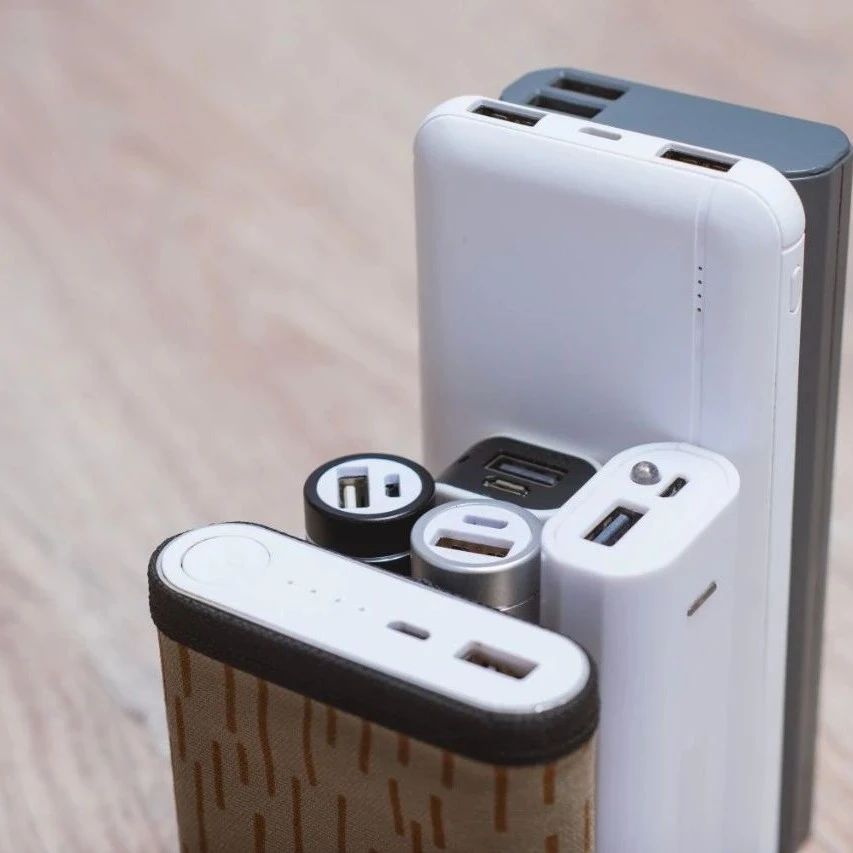
Core Viewpoint - The mobile power industry is accelerating towards standardization and regulation following the recent recall incident of power banks, with new certification rules being implemented to enhance product safety and quality control [3][4][5]. Group 1: New Certification Rules - The National Certification and Accreditation Administration (CNCA) has announced new mandatory product certification rules for mobile power banks, lithium-ion batteries, and battery packs, effective from August 15, 2025 [4]. - The new rules replace the previous 2023 certification guidelines, which will no longer apply to these products [4]. - From August 1, 2024, products without the 3C certification will not be allowed to be manufactured, sold, imported, or used in any business activities [4][5]. Group 2: Enterprise Classification - The new rules introduce a classification system for manufacturers of mobile power banks and batteries, categorizing them into four levels: A, B, C, and D, based on quality information [5][6]. - The classification will consider various quality metrics, including factory inspection results, product quality supervision, and consumer feedback [5][6]. Group 3: Regulatory Oversight - The certification process will involve type testing, initial factory inspections, and post-certification supervision, with increased monitoring frequency for lower-rated companies [6]. - B-class companies will undergo at least one unannounced follow-up inspection annually, while C and D-class companies will have all follow-up inspections unannounced [6]. Group 4: Industry Trends and Market Size - The mobile power bank market in China is currently valued at approximately 150 billion yuan, excluding the shared rental market [7]. - Over 700 companies have obtained the mobile power CCC certification, with around 286 certified manufacturers located in Shenzhen [7]. - The industry is experiencing intense competition, characterized by low pricing and quality issues, prompting the government to increase market inspections and regulatory measures [7].