环保

Search documents
成为“网红”,是始祖鸟犯的错
Xin Lang Cai Jing· 2025-09-21 20:18
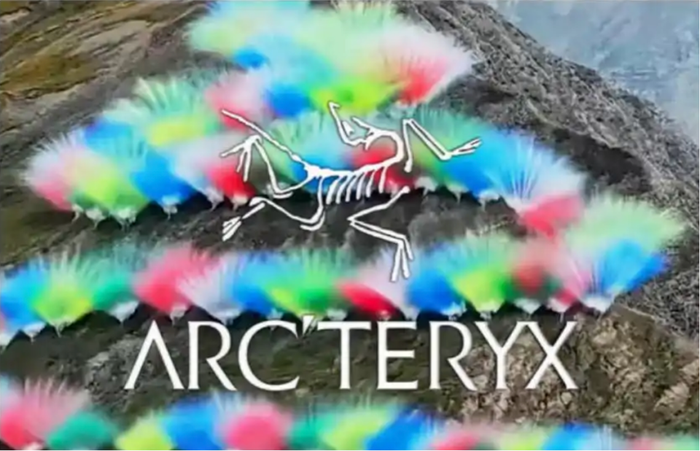
Core Viewpoint - The collaboration between the brand Arc'teryx and artist Cai Guoqiang for the art project "Ascension Dragon" has led to a significant public relations crisis, as the event's fireworks display in a fragile ecological area has drawn widespread criticism from environmental organizations and consumers [1][3]. Group 1: Brand Crisis - The fireworks event has been perceived as a betrayal of the brand's core values of environmental respect, leading to a rapid decline in brand image [1][4]. - Following the backlash, both Arc'teryx and Cai Guoqiang issued apologies and committed to third-party ecological assessments, but these actions cannot quickly restore the damaged ecological environment or brand reputation [1][6]. - The incident is seen as a culmination of a strategic shift for Arc'teryx since its acquisition by Anta, moving from a focus on performance and environmental sustainability to chasing social media trends and exposure [3][19]. Group 2: Brand Identity and Values - Arc'teryx's previous reputation was built on its commitment to environmental sustainability and high-performance outdoor gear, which has now been undermined by the recent event [5][6]. - The brand's shift towards a "luxury sportswear" narrative has led to a disconnect with its original values, resulting in public perception of the brand as superficial and hypocritical [7][19]. - The contrasting responses from Arc'teryx's global and Chinese social media accounts highlight a lack of consistent brand identity and values post-acquisition [11][13]. Group 3: Market Position and Competition - The outdoor market is witnessing the rise of niche brands that focus on specific outdoor activities, which are gaining loyal customers through their commitment to quality and performance [21][23]. - Arc'teryx's strategy of positioning itself as a luxury brand through limited editions and high prices may lead to a loss of credibility and market share, especially as competitors like Patagonia and The North Face continue to emphasize sustainability and professional credibility [19][23]. - The recent crisis has exposed the fragility of Arc'teryx's "luxury sportswear" narrative, as the brand struggles to maintain its high-end positioning amidst growing consumer skepticism [23].

始祖鸟“跑偏”
Bei Jing Shang Bao· 2025-09-21 15:57
Core Viewpoint - The incident involving the release of fireworks in the Himalayas by the brand Arc'teryx and artist Cai Guoqiang has sparked significant public backlash, raising questions about the brand's commitment to its environmental and outdoor ethos [1][3][5]. Group 1: Incident Overview - On September 19, Arc'teryx collaborated with Cai Guoqiang to launch a fireworks art project in the Himalayas, which was widely shared on social media [3]. - The fireworks, although claimed to be biodegradable, raised concerns due to the fragile ecological environment of the high-altitude region [3]. - The event led to a public outcry, with related topics trending and accumulating over 130 million views [3]. Group 2: Brand Response - Both Arc'teryx and Cai Guoqiang issued apologies and committed to cooperating with relevant authorities for environmental assessments and recovery actions [3][5]. - Arc'teryx expressed gratitude for public concern regarding the ecological impact and promised to expedite its environmental protection initiatives in Tibet [3][5]. Group 3: Brand Image and Market Position - Arc'teryx has been perceived as straying from its core values of outdoor professionalism and environmental sustainability, which could jeopardize its reputation as a high-end outdoor brand [5][9]. - The brand has increasingly associated itself with luxury and high fashion, which some consumers feel undermines its original outdoor ethos [7][9]. - The brand's recent performance has been strong, with a reported revenue of $2.7 billion in the first half of the year, marking a 23.46% increase, largely attributed to Arc'teryx's contributions [8]. Group 4: Consumer Reaction - Loyal customers expressed disappointment, emphasizing the importance of the "Leave No Trace" principle in outdoor activities [6]. - Some influencers and outdoor enthusiasts have chosen to sever ties with Arc'teryx, citing a betrayal of the outdoor community's values [6].

中新网评始祖鸟蔡国强烟花秀:不能一边吃户外的饭,一边砸大自然的碗
Zhong Guo Xin Wen Wang· 2025-09-21 06:57
Core Viewpoint - The high-altitude fireworks display "Ascension Dragon" by the outdoor brand Arc'teryx and artist Cai Guoqiang has faced significant backlash for its environmental impact, leading to a public apology and an investigation by local authorities [1][4][5]. Group 1: Event Overview - The fireworks show took place on September 19 in the Himalayas, at an average altitude of over 4,600 meters, disrupting the natural tranquility of the region [5]. - Initial claims by the brand emphasized the event as a tribute to nature, but it quickly drew criticism regarding its ecological consequences [7]. Group 2: Public Reaction and Apology - The public raised concerns about the potential harm to local wildlife and the environment, questioning the brand's commitment to its "Leave No Trace" philosophy [7]. - Following intense criticism, both Arc'teryx and Cai Guoqiang issued apologies, acknowledging the backlash and the need for a more responsible approach to environmental stewardship [4][8]. Group 3: Brand Image and Financial Performance - Arc'teryx's parent company, Amer Sports, reported a 36% increase in annual revenue, surpassing $2 billion, positioning the brand as a leader in the high-end outdoor market [8]. - Despite commercial success, the incident highlighted a disconnect between the brand's environmental commitments and its actions, raising questions about corporate social responsibility [8].
X @外汇交易员
外汇交易员· 2025-09-21 06:10
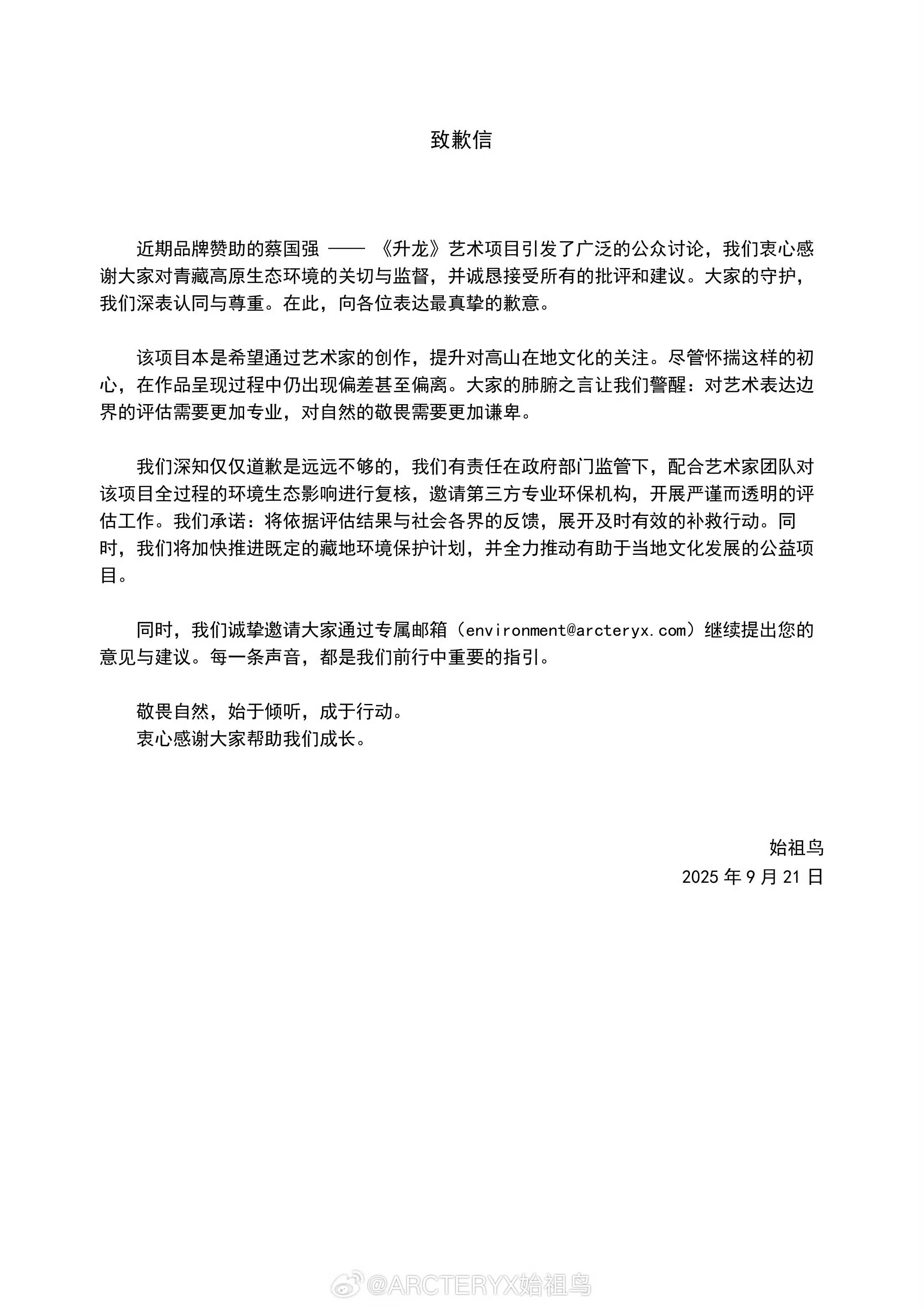
Brand Crisis & Response - ARCTERYX issued an apology on Chinese social media platforms regarding a controversial event [1] - The company committed to cooperating with government regulators to review the project's ecological impact [1] - ARCTERYX plans to engage a third-party to assess and remediate the environmental impact [1] - The brand will advance environmental protection and cultural public welfare projects in Tibet [1] - The overseas version of the apology expressed regret for the fireworks display on the Qinghai-Tibet Plateau [1] - The company stated the event was inconsistent with its environmental values [1] - ARCTERYX is communicating with artists and the Chinese team to adjust working methods [1] Public Perception - Some netizens criticized the apology as "insincere," "different internally and externally," and "perfunctory" [1] - Concerns were raised that adjusting working methods with the Chinese team implied shifting blame [1]
始祖鸟成“炸山鸟”,致歉信被发现改措辞,安踏“长期主义”翻车
新浪财经· 2025-09-21 05:47
Core Viewpoint - The collaboration between outdoor brand Arc'teryx and artist Cai Guoqiang to launch an art fireworks show in the Himalayas has sparked significant public controversy, leading both parties to issue apologies and emphasize their commitment to environmental values [2][4][16]. Group 1: Event Overview - On September 19, Arc'teryx and Cai Guoqiang launched the "Ascension" art project, featuring 145 fireworks that created a 3,000-meter-long colorful display in the Himalayas [4]. - The organizers claimed that the fireworks used biodegradable materials and met environmental standards, with a low-risk classification [4][6]. - Despite these claims, environmental experts criticized the potential ecological damage caused by the fireworks, highlighting the fragility of the high-altitude ecosystem [6][10]. Group 2: Brand and Environmental Commitment - Arc'teryx, acquired by Anta Group in 2019, has been positioned as a high-end outdoor brand, with a stated commitment to "coexistence with nature" [10][12]. - Industry insiders argue that the brand's environmental promises appear more as marketing strategies rather than genuine commitments, contrasting with companies like Patagonia that invest a percentage of sales in environmental causes [3][10]. - The incident has raised questions about the brand's alignment with its core values and the long-term vision articulated by Anta's founder, Ding Shizhong [10][18]. Group 3: Apology and Response - Following the backlash, both Arc'teryx and Cai Guoqiang issued apologies, acknowledging the need for greater consideration of environmental impacts in their artistic endeavors [14][16]. - Arc'teryx's apology included a commitment to cooperate with third-party assessments of the environmental effects of the project and to implement remedial actions based on the findings [16][18]. - The language used in the apologies shifted from "collaboration" to "sponsorship," which has been criticized as an attempt to evade responsibility [18].
始祖鸟成“炸山鸟”,致歉信被发现改措辞,丁世忠“长期主义”翻车
Xin Lang Cai Jing· 2025-09-21 04:43
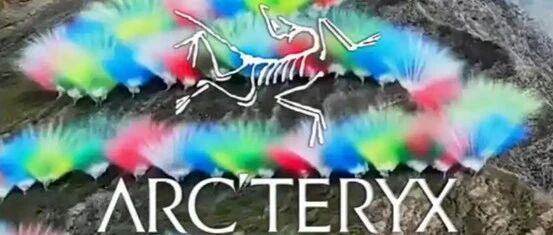
Core Viewpoint - The outdoor brand Arc'teryx faced significant backlash after sponsoring an art fireworks display by artist Cai Guoqiang in the Himalayas, which contradicted its environmental values and led to public apologies from both parties [2][11]. Group 1: Event Overview - On September 19, Arc'teryx collaborated with Cai Guoqiang to launch fireworks in the Himalayas, specifically in the Jiangzi Helong area at an altitude of approximately 5,500 meters [3]. - The fireworks display, titled "Ascending Dragon," involved 145 fan-shaped fireworks creating a 3,000-meter long rainbow of colors [4]. Group 2: Environmental Concerns - Despite claims that the fireworks used biodegradable materials and met environmental standards, experts criticized the potential ecological damage to the fragile high-altitude ecosystem [6][8]. - Concerns were raised about the long-term impact of chemical residues from the fireworks on local soil, water sources, and wildlife [6][8]. Group 3: Corporate Response and Apologies - Following the backlash, Arc'teryx issued a public apology, acknowledging that the event contradicted its commitment to environmental stewardship and expressing a need for more professional evaluation of artistic expressions [11][15]. - The company committed to cooperating with third-party assessments to evaluate the environmental impact of the event and promised to take corrective actions based on the findings [13][15]. Group 4: Brand Image and Strategy - Arc'teryx, acquired by Anta Group in 2019, has been positioned as a high-end outdoor brand, but the fireworks event has been viewed as a misalignment with its core values of coexistence with nature [8]. - The incident has sparked discussions about the authenticity of Arc'teryx's environmental commitments, with comparisons made to Patagonia's genuine efforts in sustainability [8].
始祖鸟“高原烟花秀”,“大翻车”!最新回应
Zhong Guo Ji Jin Bao· 2025-09-20 14:17
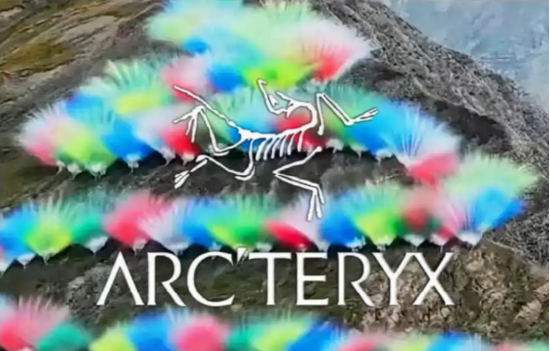
Core Viewpoint - The outdoor brand Arc'teryx's recent "Highland Fireworks Show" in the Himalayas has sparked controversy over environmental concerns [1][2] Group 1: Event Overview - Arc'teryx collaborated with artist Cai Guoqiang to launch an art fireworks display named "Ascending Dragon" on September 19, which took place in the high-altitude region of Shigatse, Tibet, at an average elevation of over 4600 meters [1] - The event is part of Arc'teryx's ongoing project "Towards Beauty," aimed at exploring high mountain cultures [1] Group 2: Environmental Concerns - The fireworks were claimed to use biodegradable materials, and the organizers stated that emissions met environmental standards verified by the International Olympic Committee and other regions [1][2] - A comprehensive "prevention-monitoring-restoration" plan was established, including relocating livestock and cleaning up residues post-event [2] Group 3: Expert Criticism - Experts have raised doubts about the environmental impact, questioning the validity of using low-altitude tests to assess the fireworks' emissions in a high-altitude environment [3] - Concerns were also expressed regarding the degradation time of the biodegradable materials in the harsh conditions of the Tibetan plateau [3] Group 4: Official Response - Local environmental authorities confirmed that the event complied with regulations and that no ecological damage had occurred, as the fireworks used environmentally friendly materials [4] - The event's location was chosen after multiple assessments to ensure it was not in an ecological protection zone [4] Group 5: Company Background - Arc'teryx, founded in 1989 in Canada, specializes in outdoor apparel and gear and was acquired by a consortium led by Anta Group in 2019, now part of Amer Sports [5]
要户外更要环保,始祖鸟下次可得长心
Di Yi Cai Jing· 2025-09-20 13:35
Core Viewpoint - The outdoor brand Arc'teryx faced backlash for its fireworks event in the Himalayas, which was intended to be a spectacular marketing stunt but raised environmental concerns among the public [1][3]. Group 1: Event Details - Arc'teryx collaborated with artist Cai Guoqiang to host a fireworks display named "Ascending Dragon" on September 19, igniting gunpowder along the mountain ridges [1]. - The event was promoted as environmentally conscious, claiming to use biodegradable materials that met international pollution standards [3]. Group 2: Public Reaction - The event sparked widespread criticism online, with many questioning its environmental impact and likening it to "blasting the mountain" [3][9]. - Despite assurances from local environmental authorities that the event complied with regulations and did not require an environmental assessment, public sentiment remained negative [3]. Group 3: Brand Reputation and Environmental Responsibility - Arc'teryx has historically engaged in environmental initiatives, such as the ReBIRD™ program launched in 2021, which focuses on reducing emissions and promoting sustainability [9]. - The incident has prompted discussions about the balance between marketing and environmental responsibility within the outdoor industry [9].
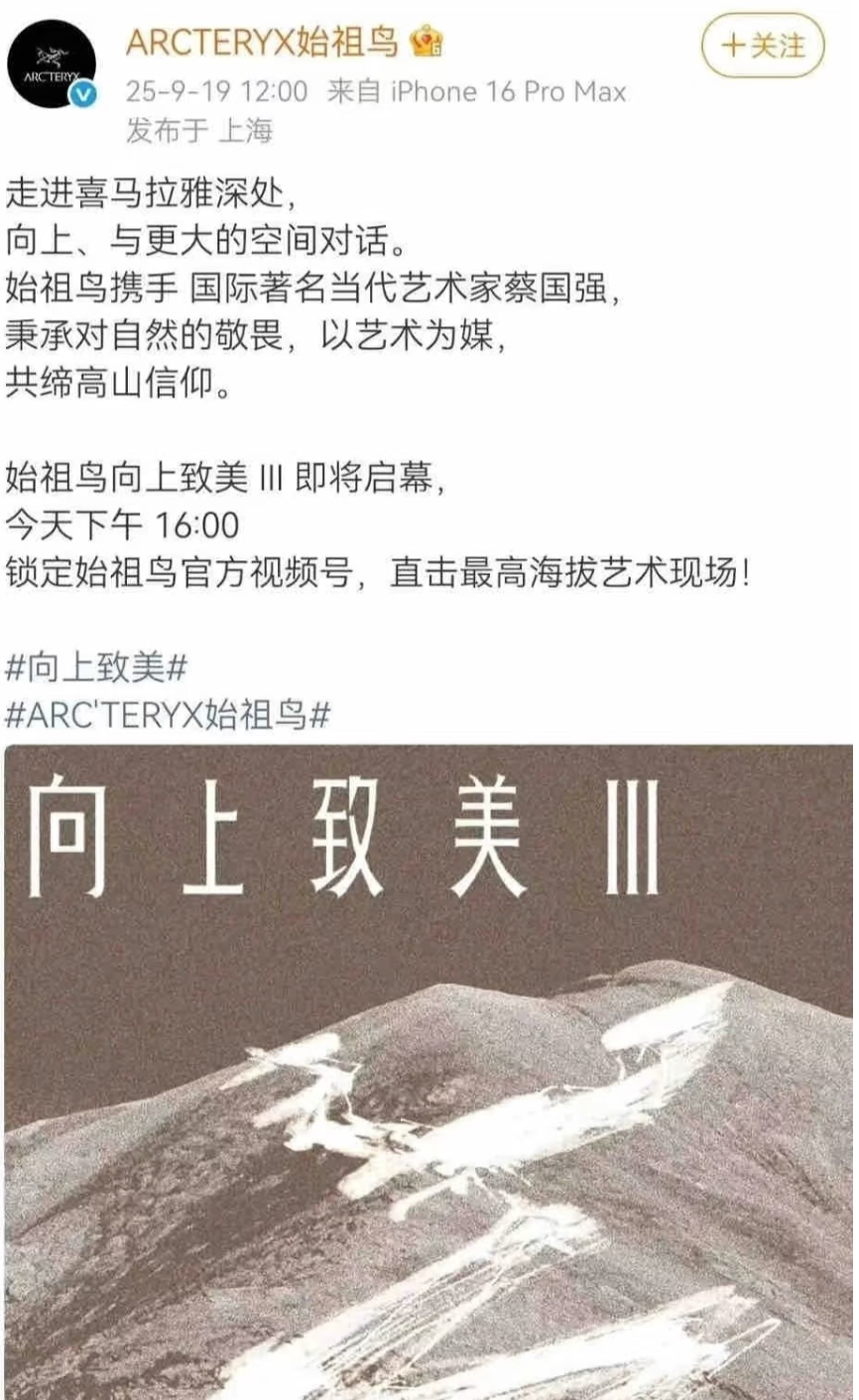
始祖鸟联合蔡国强在喜马拉雅放烟花,引爆破坏生态争议
Guan Cha Zhe Wang· 2025-09-20 13:04
9月19日,安踏集团旗下亚玛芬体育的品牌始祖鸟联手艺术家蔡国强在喜马拉雅山燃放烟花引发热议。 据悉,此次艺术烟花活动位于西藏喜马拉雅山脉江孜热龙地区(海拔约5500米),蔡国强通过火药爆破在山脊点燃三幕烟 花,形成"升龙"动态景观。 蔡国强是中国最具国际知名度的当代艺术家之一,以火药爆破艺术和大型装置作品闻名于世,已在全球五大洲实现了超过650 个展览项目。他的商业合作通常与顶级品牌深度绑定,曾与奔驰、卡地亚、圣罗兰等奢侈品牌合作。 始祖鸟的品牌宗旨植根于对极致性能、专业户外精神、可持续发展的不懈追求,以及一种"敬畏自然,守护生命"的深层哲 学。据悉,此次"升龙"艺术项目是其发起的"向上致美"系列活动的第三季,核心定位为"探索高山在地文化"。 从发布的物料可以看出,本次活动规模较大,烟花分多次点燃,到场人数众多。蔡国强介绍称:"这是145根扇形彩烟,形成 了一条3000米长的蓝白红绿黄色的彩虹。" (文/霍东阳 编辑/张广凯) 但这一活动引发了巨大争议。 主打"敬畏自然"理念的知名户外品牌始祖鸟和蔡国强在喜马拉雅这一生态屏障脆弱区域燃放烟花,迅速引发户外爱好者及网 友对活动环保问题的集中质疑。 户外爱好者及网 ...

热搜第一!始祖鸟在喜马拉雅山放烟花,网友“炸锅”:成功“劝退”了真正的户外人,有人称不会再买任何一件始祖鸟
Mei Ri Jing Ji Xin Wen· 2025-09-20 11:49
Core Viewpoint - The collaboration between outdoor brand Arc'teryx and artist Cai Guoqiang to hold a fireworks display in the environmentally sensitive Himalayas has sparked significant controversy, raising questions about ecological responsibility and the brand's values [1][16][21]. Group 1: Event Details - The fireworks event named "Ascending Dragon" took place on September 19 in the Jiangzi region of the Himalayas, with an average altitude of over 4600 meters [4][12]. - Cai Guoqiang ignited 145 fireworks to create a 3000-meter long rainbow effect, symbolizing auspiciousness and the spirit of continuity in Eastern dragon culture [6][9]. - The event was attended by a large audience and was broadcasted live, showcasing the scale of the performance [6][12]. Group 2: Environmental Concerns - Many netizens criticized the event for lacking respect for nature, particularly in such a fragile ecological area [2][20]. - The organizers claimed that the fireworks used biodegradable materials and met environmental standards, with the event classified as V-level (lowest risk) [9][14]. - Local authorities stated that the event complied with regulations and did not require an environmental assessment due to the use of eco-friendly materials [12][14]. Group 3: Public Reaction and Brand Image - The event has led to a backlash against Arc'teryx, with many outdoor enthusiasts feeling that the brand's actions contradict its core values of respecting nature [17][23]. - Critics argue that the fireworks display represents a form of "outdoor arrogance," imposing human-made spectacle on the natural landscape [22][23]. - The incident has been described as a "disastrous reverse marketing" effort, as it alienated the brand's target audience who are typically sensitive to ecological ethics [22][23].