稀土出口管制

Search documents
关于稀土,商务部最新发声
券商中国· 2025-11-06 10:37
Group 1 - The Ministry of Commerce held a press conference on November 6, addressing a question regarding the U.S. White House report on China's export licenses for certain rare earth elements, highlighting a discrepancy with China's own announcement [1] - The spokesperson emphasized that rare earth elements have significant dual-use properties, and China conducts licensing reviews according to laws and regulations, granting licenses for compliant applications [1] - China reiterated its willingness to enhance communication and cooperation with all parties, aiming to optimize the licensing process and promote compliant trade of controlled export items to ensure the stability of global supply chains [1]

中国将对部分稀土元素发放一般性出口许可证?商务部回应
Xin Jing Bao· 2025-11-06 08:26
记者提问:白宫11月1日发布的《报告》提到,中国将对部分稀土元素发放一般性出口许可证。外界注 意到,这一表述与中国商务部发布的新闻稿似乎有所不同,后者仅提及10月9日公布的出口管制措施。 请问中方对此有何评论? 商务部新闻发言人何亚东:稀土等相关物项具有明显的军民两用属性,中方依法依规开展许可审查,对 符合规定的申请予以许可。中方多次强调,愿与各方加强沟通合作,将不断优化许可流程,积极适用通 用许可等便利化措施,促进出口管制物项合规贸易,保障全球产业链供应链安全稳定。 新京报讯11月6日,商务部召开例行新闻发布会。 ...
盛和资源:主要稀土产品价格呈波动上涨态势
Xin Lang Cai Jing· 2025-11-06 06:08
Core Insights - The company has a sufficient order backlog and is operating at a high capacity utilization rate [1] - Following the suspension of export controls related to rare earths, prices for major rare earth products have shown a fluctuating upward trend [1] Group 1 - The company's general manager, Huang Ping, highlighted the strong order backlog during the Q3 2025 earnings presentation [1] - The current capacity utilization rate of the company is at a high level, indicating robust operational efficiency [1] Group 2 - The market trend indicates that after the pause in export controls on rare earths, there has been a noticeable increase in the prices of key rare earth products [1]

4天过去了,中美还是没签协议,美财长告知中国,美国打算提高关税
Sou Hu Cai Jing· 2025-11-05 18:06
Core Viewpoint - The recent U.S.-China meeting in Busan appeared positive, but shortly after, U.S. Treasury Secretary Mnuchin announced plans to increase tariffs on China, indicating underlying tensions and urgency from the U.S. side due to China's rare earth export controls [1][5]. Group 1: U.S. Strategy and Actions - The U.S. is attempting to balance its need for China's rare earth materials, crucial for high-tech military applications, while simultaneously pressuring China through tariff threats [1][3]. - The U.S. aims to form alliances with other countries for rare earth mining and refining to reduce dependence on China, but faces significant challenges in achieving this goal [8]. - The U.S. is also engaging with South Korea to enhance military capabilities, including nuclear submarines, which is seen as a direct counter to China [3][8]. Group 2: China’s Response and Position - China maintains a firm stance on its diplomatic principles of mutual respect and peaceful coexistence, indicating that it will not be easily intimidated by U.S. threats [9][11]. - The lack of a signed agreement post-Busan suggests that while there may be some areas of cooperation, significant negotiation and strategic maneuvering are still required [11][12]. - China's ability to leverage its rare earth resources in response to U.S. actions highlights the potential for a tit-for-tat dynamic in the ongoing trade tensions [11].
四天过去,中美仍未签约,美财长告知中国,美国准备加征关税
Sou Hu Cai Jing· 2025-11-04 18:12
Core Viewpoint - The ongoing U.S.-China trade negotiations are marked by a mix of cooperation and tension, with U.S. Treasury Secretary's threats of tariffs on China highlighting the complexities of the relationship [3][4][18]. Group 1: Trade Negotiations Progress - Recent discussions in Kuala Lumpur have led to significant agreements, including the cancellation of a 10% tariff on Chinese goods and a one-year suspension of certain investigations into China's maritime and logistics sectors [4][5]. - U.S. Secretary of the Treasury expressed confidence that a trade agreement could be finalized soon, with China expected to purchase 25 million tons of U.S. soybeans by the end of the year [4][5]. - Despite these advancements, U.S. Trade Representative's comments indicate that core issues in U.S.-China relations remain unresolved, suggesting a dual approach of negotiation and pressure [4][5][18]. Group 2: Tariff Strategy - The U.S. is continuing to leverage tariffs as a tool against China, with Secretary of the Treasury indicating a desire to rally allies to impose similar tariffs [5][10]. - The U.S. has implemented various tariffs on imports, including a 25% tariff on steel and aluminum, and a 25% tariff on certain automotive products [11][12][13][16]. - This pattern of tariff imposition reflects a broader strategy of unilateralism and pressure to gain leverage in trade negotiations [16]. Group 3: Rare Earth Elements - The focus on China's rare earth export controls is significant, as these materials are crucial for advanced industries, including defense and technology [7][8]. - The U.S. is attempting to reduce its reliance on Chinese rare earths while simultaneously seeking to establish alliances for mining and refining these critical materials [10][9]. - The complexity of developing a domestic supply chain for rare earths is acknowledged, with estimates suggesting it could take 5 to 10 years to achieve significant production capabilities [10]. Group 4: Future of U.S.-China Relations - The ongoing trade tensions are characterized by a "talk and hit" strategy, where the U.S. seeks to maintain pressure while negotiating [16][19]. - The outcome of U.S.-China relations will depend on both parties' commitment to principles of equality, respect, and mutual benefit [19][20].
国新证券每日晨报-20251104
Guoxin Securities Co., Ltd· 2025-11-04 05:10
Domestic Market Overview - The market showed signs of recovery with the Shanghai Composite Index closing at 3976.52 points, up 0.55%, and the Shenzhen Component Index at 13404.06 points, up 0.19% [1][9] - The total trading volume for the A-share market was 21,329 billion, slightly down from the previous day [1][9] - Among the 30 sectors, 16 sectors saw gains, with Media, Coal, and Oil & Petrochemicals leading the increases, while Non-ferrous Metals, Home Appliances, and Automotive experienced significant declines [1][9] Overseas Market Overview - The US stock market closed mixed, with the Dow Jones down 0.48%, the S&P 500 up 0.17%, and the Nasdaq up 0.46% [2] - Notable movements included Amazon rising 4% to a new high and Tesla increasing over 2% [2] Key News Highlights - The US Treasury Secretary indicated potential tariff increases on China if it continues to block rare earth exports, with a response from China emphasizing dialogue over threats [3][11] - A new round of EU-China export control discussions took place in Brussels, focusing on stabilizing supply chains [3][12] - Guangdong Province announced a consumption season event aimed at boosting local tourism and spending [3][13][14] - China has agreed to resume group tours for its citizens to Canada, reflecting a shift in travel policy [3][15] Economic Data - The central region of China reported record high foreign trade figures, with imports and exports reaching 2.84 trillion, a year-on-year increase of 11.4% [19] - The electronic information manufacturing sector saw a year-on-year growth of 10.9% in the first three quarters, with specific products like smartphones showing varied production trends [19]
AI导致海外电力短缺,A股电网设备出海谁受益?| 1103张博划重点
Hu Xiu· 2025-11-03 14:59
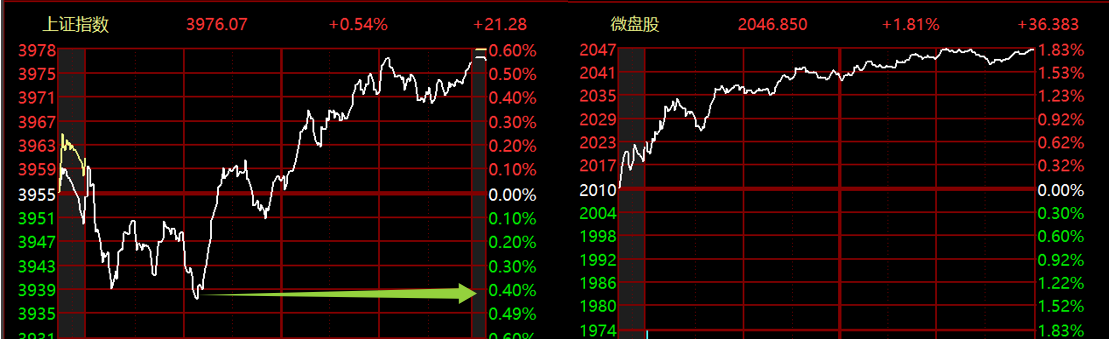
Market Overview - On November 3, the market rebounded with all three major indices closing in the green. The Shanghai and Shenzhen stock exchanges recorded a total trading volume of 2.11 trillion, a decrease of 210.7 billion from the previous trading day. The Shanghai Composite Index rose by 0.55%, the Shenzhen Component Index increased by 0.19%, and the ChiNext Index gained 0.29% [1]. Stock Performance - The Shanghai Composite Index closed at 3976.07, up by 0.54%, with an increase of 21.28 points. The micro-cap stock index reached a new historical high, indicating strong performance in low-priced stocks [2]. - The micro-cap stock index showed a significant upward trend throughout the day, closing near its highest point, suggesting continued interest in low-priced stocks and new themes [2]. Sector Analysis - The sectors that experienced significant gains included lithium batteries, quantum computing, and healthcare, with notable performances in the Hainan Free Trade Port and cloud computing data centers [3]. - The market saw a variety of stocks hitting their daily limit up, with specific stocks like Pingtan Development and Hezhong China showing strong momentum [4]. Diplomatic and Economic Context - The Chinese Foreign Ministry responded to U.S. Treasury Secretary's comments regarding potential tariffs on Chinese rare earth exports, emphasizing the importance of dialogue and cooperation between the U.S. and China to stabilize economic relations [5][6]. - The Chinese stance on rare earth export controls was reiterated, highlighting the need for constructive engagement rather than threats [6].


美国喊话中国,稀土卡脖子,中方淡定应对
Sou Hu Cai Jing· 2025-11-03 11:55
Group 1 - The meeting between the US and China in Busan resulted in verbal agreements, including the US's decision to delay the imposition of fentanyl-related tariffs and port surcharges, while China extended its rare earth export controls for another year, indicating a cautious exploration of each other's limits [1] - US Treasury Secretary Yellen expressed concerns about China's compliance with commitments, threatening to reinstate tariffs, but previous attempts to address trade deficits and technology restrictions have yielded diminishing returns, with tariffs on some goods reaching 145% during 2023-2024, ultimately leading to inflation and corporate withdrawals in the US [3] - China controls over 70% of global rare earth mining and processing, making it difficult for the US to source alternatives from countries like Australia or Myanmar, which cannot meet the demands of the military and electric vehicle industries [5][6] Group 2 - The lack of a joint statement from the recent talks highlights unresolved details, such as the ambiguity surrounding the proposed suspension of 24% reciprocal tariffs and the unclear inclusion of products like mobile phones and chip components, reflecting internal coordination issues within the US government [8] - The perception that China might act unpredictably like the US is misguided; China has not abandoned any trade commitments since joining the WTO, relying on systematic capabilities rather than verbal promises, which contrasts with the US's approach [10] - China's advancements in technology, particularly in semiconductors and military capabilities, demonstrate its establishment of an independent technological system, while the US's attempts to decouple and apply financial pressure have not deterred China's progress [12]
外交部:恢复中国公民赴加拿大团队游,延长对法国等国免签至2026年底,并对瑞典免签
Mei Ri Jing Ji Xin Wen· 2025-11-03 09:32
Group 1 - China has decided to resume group tours for its citizens to Canada, aiming to enhance people-to-people exchanges and mutual understanding between the two countries [1] - The decision to restore travel agency operations for group tours to Canada is based on various factors, including the demand for outbound travel from China and the local tourism environment [1] - China expresses willingness to work with Canada to facilitate more convenient travel for citizens and hopes for a safe and comfortable environment for Chinese tourists [1] Group 2 - China has extended its visa exemption policy for France and other countries until December 31, 2026, and will implement a visa exemption for Sweden from November 10, 2025, to December 31, 2026 [2] - The specific details regarding the visa exemption policies will be released by the Ministry of Foreign Affairs and Chinese embassies and consulates [2] Group 3 - In response to U.S. Treasury Secretary's threats of imposing additional tariffs on China over rare earth export controls, China emphasizes the importance of dialogue and cooperation as the correct approach to resolving issues [3] - China asserts that threats and pressure are not effective in solving problems and calls for both sides to implement the important consensus reached during the recent meeting between the two countries' leaders [3]
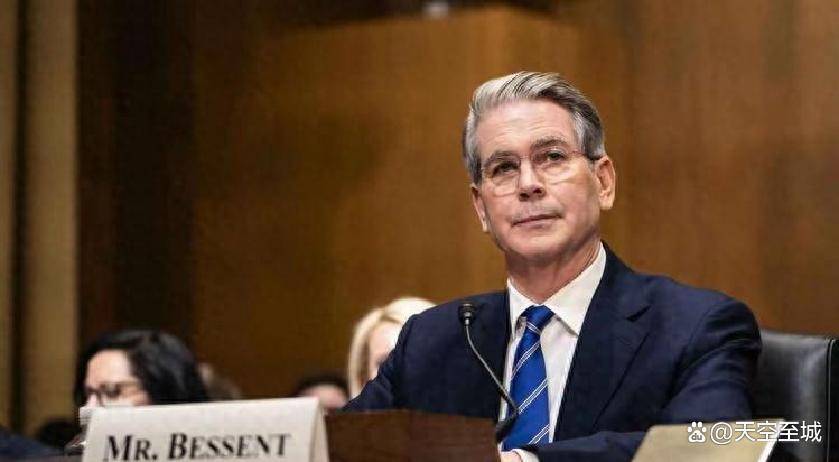
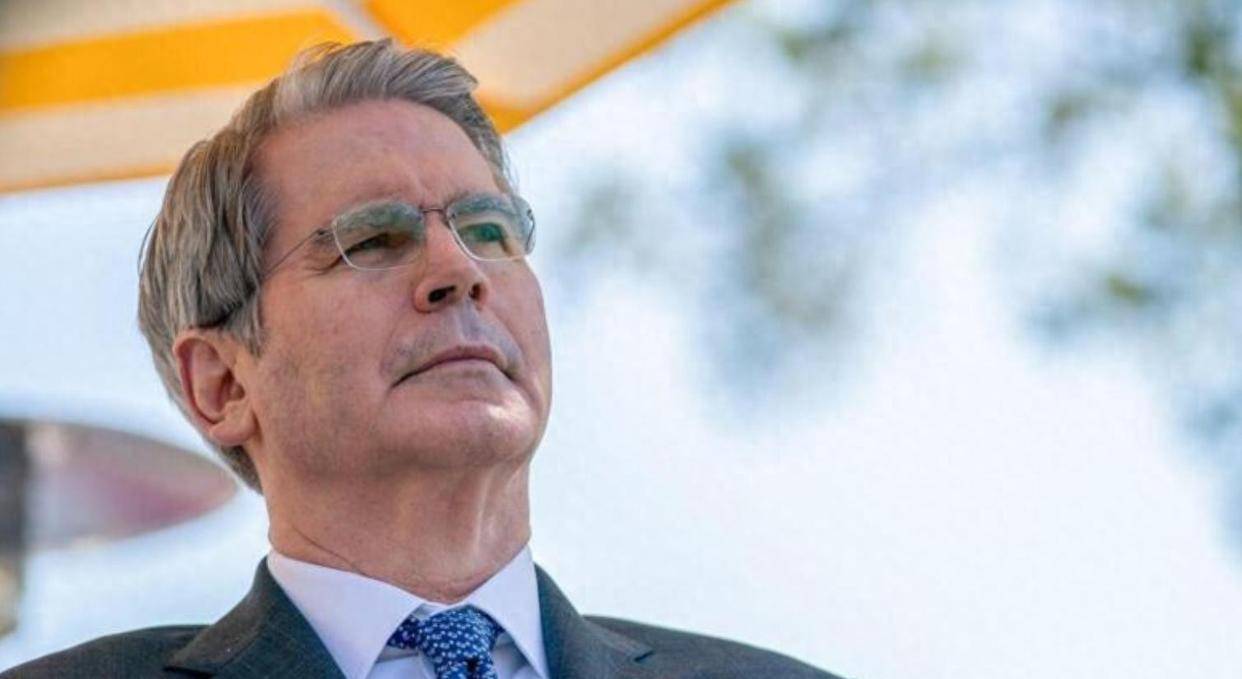
美财长贝森特表示,中国如果继续阻碍稀土出口,美国可能对华加征关税,外交部回应
中国基金报· 2025-11-03 08:02
Group 1 - The Chinese government has reiterated its stance on rare earth export controls, emphasizing that dialogue and cooperation are the correct approaches to resolve issues, rather than threats and pressure [1] - The urgency for both China and the US is to implement the important consensus reached during the recent summit between the two countries' leaders to inject more stability into economic cooperation and the global economy [1] Group 2 - China maintains a peaceful development path as a responsible nuclear power, adhering to a no-first-use policy and a self-defense nuclear strategy, while also committing to the suspension of nuclear tests [2][3] - The Chinese government calls on the US to fulfill its obligations under the Comprehensive Nuclear-Test-Ban Treaty and to take concrete actions to maintain international nuclear disarmament and non-proliferation [3]