
零关税政策

Search documents
税制优化拉动消费回流,海南岛内居民有望迎“专属福利”丨财税观察
证券时报· 2025-08-07 04:39
Core Viewpoint - The establishment of the Hainan Free Trade Port will significantly adjust the "zero tariff" policy for imported goods, optimize tax policies for residents' consumption of imported goods, and enhance the duty-free shopping policies, thereby transforming the consumption landscape on the island [1][4]. Group 1: Tax Policy Changes - The "zero tariff" policy and the duty-free shopping policy will stimulate local consumption demand from residents and tourists, attracting more external consumption back to the island [2]. - The current "zero tariff" policy primarily benefits local enterprises, but residents are expected to receive "exclusive benefits" as policies are optimized post-closure [4]. - The introduction of a positive list for imported goods will allow residents to purchase certain imported products tax-free, which is anticipated to boost local consumption [4]. Group 2: Economic Impact - With the continuous expansion of China's middle class and the rise in inbound tourist spending, Hainan is becoming a core hub for high-end consumption recovery due to its advantageous policies [5]. - The development of the free trade port is expected to enhance residents' income levels and upgrade local consumption, supporting the future market for high-end imported consumer goods [5]. Group 3: Duty-Free Policy Optimization - The duty-free shopping policy is set to be further optimized, expanding the list of eligible products and enhancing the shopping experience for tourists [7]. - The current duty-free policy has been a significant driver of Hainan's tourism industry, and there is room for improvement in product categories and purchasing processes [7]. - Long-term, the synergy between the "zero tariff" and duty-free policies will support Hainan's goal of becoming an international tourism consumption center [7]. Group 4: Consumer Rights and Recommendations - Experts suggest that international tourists and temporary residents should enjoy the same rights as local residents regarding the purchase of imported goods [9][11]. - Recommendations include optimizing the departure tax refund policy and exploring cross-border shopping corridors with RCEP member countries to enhance international consumer engagement [11].


税制优化拉动消费回流 海南岛内居民有望迎来“专属福利”
Zheng Quan Shi Bao Wang· 2025-08-06 23:29
Core Viewpoint - The implementation of the "zero tariff" policy and the optimization of tax policies for imported goods and duty-free shopping in Hainan Free Trade Port will significantly alter the consumption landscape on the island, enhancing local consumption demand and attracting more external consumption back to the island [1] Group 1: Policy Changes - The "zero tariff" policy will be closely linked with the duty-free shopping policy, stimulating local consumption demand from both residents and tourists [1] - Tax policies are expected to enhance the sense of benefit for local residents, aiding Hainan's transformation from a single tourism destination to an international consumption center [1] Group 2: Economic Impact - The series of tax policy adjustments will likely attract more external consumption back to Hainan, contributing to the local economy [1] - There is a suggestion to extend the benefits of the import goods purchasing policy to more short-term residents and workers from both domestic and international backgrounds [1]
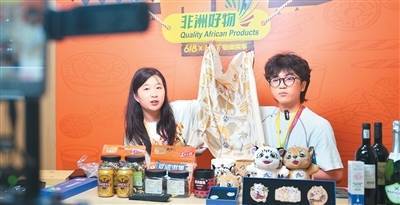
给予非洲建交国100%税目产品完全免税待遇——非洲53国加入中国零关税“朋友圈”
Sou Hu Cai Jing· 2025-08-05 05:50
Core Points - The article discusses China's implementation of a zero-tariff policy for products from 53 African countries, aimed at enhancing trade relations and economic cooperation between China and Africa [7][9][10] Group 1: Zero-Tariff Policy Implementation - Starting December 1, 2024, China will grant 100% tariff exemption on products from 53 African countries, expanding the previous policy that covered 33 countries [7][9] - This policy is expected to significantly reduce barriers for African products entering the Chinese market, facilitating a broader range of exports and increasing trade volume [9][10] - In 2022, the trade volume between China and Africa reached a record high of $295.6 billion, with China maintaining its position as Africa's largest trading partner for 16 consecutive years [9][10] Group 2: Impact on African Exports - The zero-tariff policy is anticipated to boost exports of various African products, including coffee, cocoa, and minerals, by making them more competitive in the Chinese market [10][12] - For instance, coffee imports from Africa to China saw a 70.4% increase in the first quarter of this year, while cocoa imports rose by 56.8% [9][12] - The policy is designed to support different African countries based on their unique resources and economic structures, potentially leading to differentiated economic impacts across the continent [11][12] Group 3: Economic Cooperation and Development - The initiative aims to deepen economic cooperation between China and Africa, providing institutional support for trade and investment [10][11] - Chinese enterprises are increasingly investing in African economic zones, contributing to local job creation and industrial development [14][15] - The establishment of trade partnerships and infrastructure projects is expected to enhance the overall economic landscape in Africa, promoting sustainable growth and development [14][15]
给予非洲建交国100%税目产品完全免税待遇—— 非洲53国加入中国零关税“朋友圈”
Sou Hu Cai Jing· 2025-08-05 04:15
Core Points - China is expanding its zero-tariff policy to 53 African countries, effective December 1, 2024, which will significantly lower the cost of African products entering the Chinese market [7][9][10] - This initiative is expected to deepen economic cooperation between China and Africa, enhancing the value-added potential of trade [7][10] Group 1: Economic Impact - The zero-tariff policy will cover a wide range of products, including agricultural goods like coffee, cocoa, and fruits, as well as minerals and industrial products [10][12] - In 2022, trade between China and Africa reached a record high of $295.6 billion, with China maintaining its position as Africa's largest trading partner for 16 consecutive years [9][10] - The import of coffee from Africa to China saw a remarkable increase of 70.4% in the first quarter of this year, while cocoa imports rose by 56.8% [9][10] Group 2: Market Opportunities - The policy aims to create more opportunities for African countries to export to China, thereby supporting local economies and enhancing their industrial capabilities [12][14] - Chinese enterprises are increasingly investing in African economic zones, which is expected to create significant employment opportunities and boost local tax revenues [14][15] - The initiative encourages the establishment of processing bases and logistics systems in Africa, facilitating a more integrated trade relationship [15] Group 3: Strategic Development - The expansion of the zero-tariff policy represents a shift from limited, specific agreements to a more comprehensive approach that benefits all African partners equally [11][12] - The initiative is designed to respond to African nations' aspirations for equitable participation in global trade, simplifying customs procedures and enhancing trade facilitation [11][12] - The establishment of a pre-assessment system for African food products is expected to streamline their entry into the Chinese market, further promoting trade [11][12]
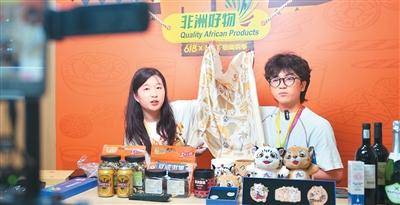
“零关税”彰显中非深入合作决心(开放谈)
Ren Min Ri Bao· 2025-08-04 19:05
Group 1 - The core viewpoint of the news is that China's implementation of a 100% zero-tariff policy on products from 53 African countries is a significant step in deepening the "mutual benefit and win-win" principle of China-Africa cooperation and responding to changes in the international situation [1][2] - The zero-tariff policy is expected to reshape the trade landscape between China and Africa, enhancing Africa's position in international trade and global supply chains, with notable increases in imports from these countries by the end of 2024 [1][2] - The policy will activate Africa's export potential, particularly benefiting the export of specialty products like coffee and cocoa to China, and is anticipated to drive industrialization in major African economies such as South Africa and Nigeria [1][2] Group 2 - The zero-tariff policy highlights the importance of promoting cooperation among global South countries, strengthening unity against unilateralism and bullying in economic trade [2] - This initiative is seen as a genuine partnership without political preconditions, aiming to maintain a multilateral trade system centered around the World Trade Organization and fostering a more inclusive and balanced economic globalization [2] - The expansion of the zero-tariff policy to all diplomatic countries, including middle-income nations, aims to challenge the stereotype of Africa as a "continent of poverty" and showcase its diverse development potential [2] Group 3 - The implementation of the zero-tariff policy is expected to enhance the export of African goods to China, enriching domestic consumer choices and improving trade cooperation standards [3] - It is anticipated that deeper China-Africa cooperation will help improve infrastructure levels in some African countries, facilitating trade among different nations within Africa and promoting local economic and social development [3]
非洲53国加入中国零关税“朋友圈”
Ren Min Ri Bao· 2025-08-04 19:05
Group 1 - The core viewpoint is that China is expanding its zero-tariff policy to 53 African countries, which will enhance trade relations and promote deeper industrial cooperation between China and Africa [1][3][4] - The zero-tariff policy will significantly lower barriers for African products entering the Chinese market, facilitating an increase in the variety and scale of exports from Africa [3][4][6] - In 2022, the trade volume between China and Africa reached $295.6 billion, marking a historical high for the fourth consecutive year, with China maintaining its position as Africa's largest trading partner for 16 years [3][4] Group 2 - The zero-tariff policy includes a wide range of products such as oil, minerals, agricultural products, and processed goods, all of which will enjoy complete tax exemption when entering the Chinese market [4][5] - The policy aims to provide equal market access for all African partners, moving from a limited opening model to a more comprehensive approach that benefits various developing countries [5][6] - The implementation of the zero-tariff policy is expected to increase exports of minerals, energy, and agricultural products from Africa to China, supporting economic diversification and industrial upgrading in African nations [6][10] Group 3 - Chinese enterprises are actively investing in African economic zones and promoting industrial chain cooperation, contributing to local tax revenue, employment, and export earnings [8][9] - The establishment of processing bases and procurement centers in Africa by Chinese companies is anticipated to enhance global capital allocation and attract more value-added industries to local markets [10] - The zero-tariff policy is expected to create competitive pressure that encourages Chinese companies to adopt advanced technologies and improve product quality, thereby fostering a mutually beneficial relationship between China and Africa [9][10]
财政部:海南自贸港封关后“零关税”商品覆盖面显著提高
Sou Hu Cai Jing· 2025-08-04 09:06
Core Viewpoint - The news highlights the upcoming implementation of the Hainan Free Trade Port's full closure operation, scheduled for December 18, 2025, which aims to enhance the region's openness and facilitate trade and investment [12]. Group 1: Tax and Trade Policy Reforms - The Ministry of Finance will continue to deepen tax reforms in Hainan Free Trade Port, ensuring sustained policy strength and the release of policy dividends, including adjustments to income tax policies and import tax item lists [4]. - The "zero tariff" policy will significantly expand, with the number of taxable items increasing from approximately 1,900 to about 6,600, covering 74% of all taxable items, which is a 53% increase compared to pre-closure policies [9]. - The customs declaration process has been simplified, reducing the number of required declaration items from 105 to 42, enhancing efficiency for businesses [5][6]. Group 2: Customs and Regulatory Framework - The customs authority will optimize the processing and value-added tax exemption policies, including relaxing eligibility criteria and expanding the range of imported materials [7]. - A comprehensive list of prohibited and restricted import/export goods has been established, clarifying management boundaries for businesses and removing import licenses for 60 old mechanical product codes [8]. - The regulatory model will focus on low intervention and high efficiency for "zero tariff" goods, ensuring smooth implementation of open policies [13][14]. Group 3: Operational Readiness and Future Steps - The closure policies are fully prepared, with all necessary documents and hardware conditions completed, including customs smart supervision platforms [11]. - The closure operation is characterized by a "first line" of openness for international trade and a "second line" of management for domestic trade, allowing for free flow of goods within the island [14]. - The upcoming months will focus on helping businesses understand the closure policies and conducting relevant business tests to ensure readiness [12].
全岛封关后——进口商品“零关税”政策相比封关前有何变化?
Hai Nan Ri Bao· 2025-07-30 01:09
Core Viewpoint - The "zero tariff" policy is a significant feature of the Hainan Free Trade Port, aimed at reducing costs for enterprises related to importing raw materials and customs clearance, thereby promoting more free and convenient trade [1] Group 1: Policy Changes - The coverage of "zero tariff" products has significantly increased, expanding from 1,900 tax items to approximately 6,600 tax items, which accounts for about 74% of all product tax items, an increase of nearly 53 percentage points compared to before the closure [2] - The range of beneficiaries for the "zero tariff" policy has been notably expanded, allowing various enterprises, institutions, and non-enterprise units with actual import needs across the island to benefit from the policy [2] - The restrictions on the policy have been further relaxed, allowing "zero tariff" products and their processed goods to circulate freely among beneficiaries without the need to pay import taxes [2] Group 2: Future Adjustments - The Ministry of Finance will collaborate with relevant departments to optimize and adjust the "zero tariff" policy based on the actual needs of Hainan's industrial development and regulatory conditions, aiming to further expand the types and scope of "zero tariff" products [2]
12月18日!海南变身″购物天堂″,74%洋货直接免税?
Sou Hu Cai Jing· 2025-07-27 14:49
Core Viewpoint - Hainan is set to implement a "closure" on December 18, transforming the island into a special zone with 74% of imported goods subject to zero tariffs, aiming to enhance its role as a consumer hub and a testing ground for China's opening-up policies [1][4][10] Group 1: Understanding "Closure" - The term "closure" refers to Hainan becoming a "supermarket" where imported goods can enter without immediate tariffs, but goods moving from Hainan to mainland China will still incur taxes [4][5] - This model is similar to that of Hong Kong and Macau, but on a larger scale, as Hainan encompasses 35,400 square kilometers, significantly larger than these regions [5] Group 2: Tariff Implications - The 74% of goods that will be zero-tariff includes common consumer items like cosmetics, baby products, and light luxury goods, while 26% will still incur taxes, likely including automobiles and high-end electronics [6][8] - The potential savings from zero tariffs can be substantial; for example, a luxury item costing 20,000 yuan could see a price drop of over 4,000 yuan post-closure due to the elimination of tariffs [6][8] Group 3: Economic Impact on Consumers - The closure is expected to provide significant benefits for consumers, making shopping more convenient and potentially cheaper, as it eliminates the need for overseas purchases or middlemen [7][8] - Hainan's positioning as a tourist destination may shift towards a combined model of shopping and travel, enhancing the overall economic activity on the island [8] Group 4: Challenges and Considerations - Despite the advantages, not all products will be cheaper, and local residents may face increased living costs due to an influx of tourists [8][9] - The success of Hainan as a consumer hub will depend on effective regulation and the ability to attract talent in international trade and logistics [9] Group 5: Recommendations for Stakeholders - Consumers are advised to plan purchases strategically, focusing on items likely to be cheaper under the new tariff regime [9] - Entrepreneurs should explore opportunities in cross-border e-commerce and tourism services, capitalizing on the expected increase in consumer traffic [9] - Investors are encouraged to consider stocks related to consumer goods in Hainan rather than real estate, as the market remains tightly regulated [9]
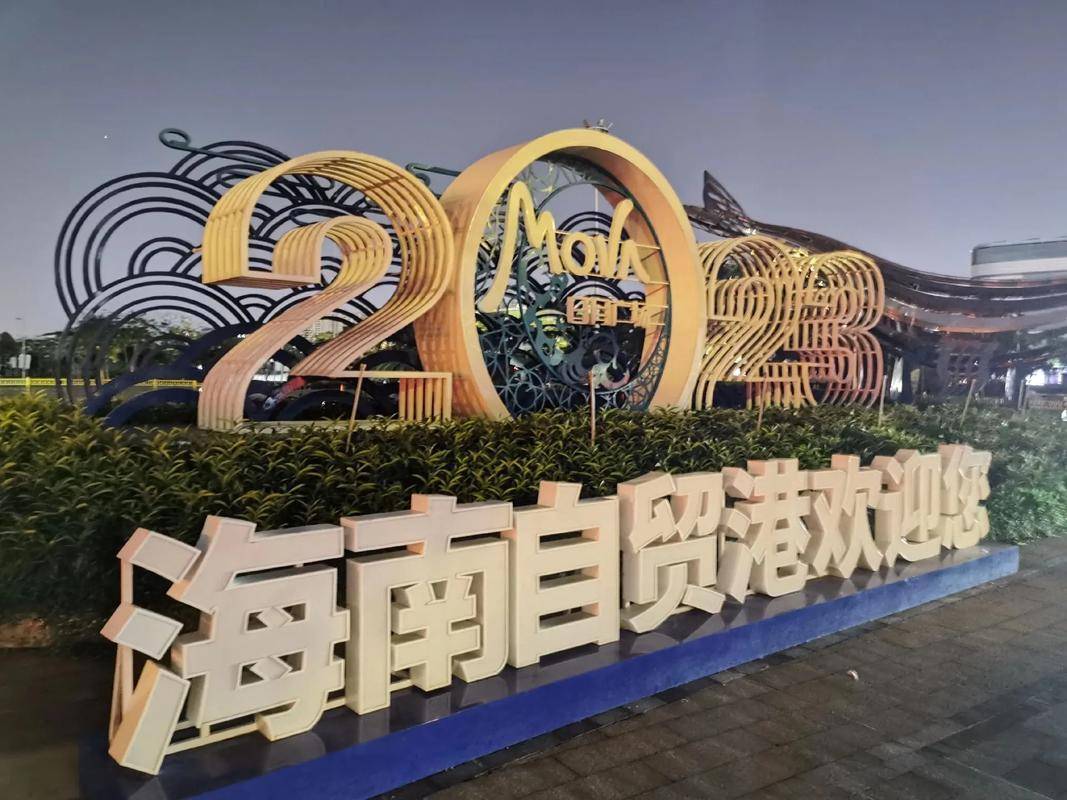
接住全岛封关新红利
Jing Ji Ri Bao· 2025-07-26 01:11
Group 1 - The core viewpoint is that the full island closure operation in Hainan signifies a new phase in the construction of the free trade port, enhancing international connectivity and facilitating a new round of open-up dividends [1][2] - The closure will transform Hainan into a special customs supervision area, allowing for "one line open, two lines controlled, and free flow within the island," which promotes local high-quality development while maintaining control [1][2] - The "zero tariff" policy will expand from 1,900 to 6,600 categories, covering 74% of goods, significantly reducing corporate costs, particularly benefiting high-end manufacturing and biomedicine industries [1] Group 2 - The processing and value-added policies will lower the threshold for benefits, expanding the scope of beneficiaries and supporting the cultivation of industrial chains and clusters [2] - The establishment of a regional offshore trade center will enable companies to operate global orders without actual transit, significantly reducing transaction costs for international trade enterprises [2] - Traditional advantageous industries, such as tourism retail, will benefit from increased duty-free shopping limits and "zero tariff" policies, attracting more international visitors [3] Group 3 - The closure operation is a long-term task that requires continuous improvement and adaptation to form a policy system compatible with a high-level free trade port [3] - Hainan's free trade port closure is a significant move for China's expansion in the context of rising global protectionism, aiming to become a key gateway for China's new era of opening up [3]