物联网

Search documents
厦门玦珩贸易有限公司成立 注册资本50万人民币
Sou Hu Cai Jing· 2025-11-08 03:47
Core Viewpoint - Recently, Xiamen Jueheng Trading Co., Ltd. was established with a registered capital of 500,000 RMB, indicating a diversification in retail and technology services [1] Company Overview - The legal representative of the company is Yang Yongchun [1] - The registered capital is 500,000 RMB [1] Business Scope - The company operates in various sectors including: - Daily necessities sales - Bag sales - Retail of shoes and hats - Clothing and apparel retail - Furniture sales - Office supplies sales - Home appliance sales - Cosmetics retail - Sports goods and equipment retail - Stationery sales - Outdoor goods sales - Hardware products retail - Kitchenware and daily miscellaneous goods wholesale - Photography equipment and telescope retail - Office equipment consumables sales - Textile sales - Mother and baby products sales - Automotive decoration products sales - Camera and equipment sales - Communication equipment sales - Toy sales - Hair accessories sales - Arts and crafts and ceremonial goods sales (excluding ivory and its products) - Internet sales (excluding items requiring permits) [1] Technology and Services - The company also provides various technology-related services including: - Technical services, development, consulting, exchange, transfer, and promotion - Information technology consulting services - Network technology services - Information system operation and maintenance services - Information system integration services - Software development - Development of basic software for artificial intelligence - Internet of Things technology services - Network and information security software development - Application software development for artificial intelligence [1]
预见2025:《2025年中国康复器械行业全景图谱》(附市场现状、竞争格局和发展趋势等)
Qian Zhan Wang· 2025-11-08 02:10
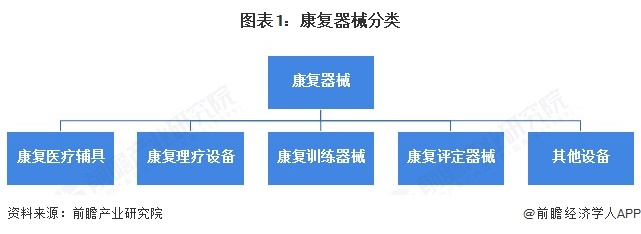
Industry Overview - Rehabilitation devices are defined as medical equipment or assistive tools used in rehabilitation to assess, train, and treat patients, helping them improve functionality and recover bodily functions or compensate for deficiencies [1] - The rehabilitation device industry can be categorized into rehabilitation medical aids, rehabilitation therapy equipment, rehabilitation training devices, and assessment instruments [1] Industry Chain Analysis - The upstream of the rehabilitation medical device industry mainly consists of raw materials and software systems, with raw materials being the core element affecting product quality and manufacturing efficiency [2] - The midstream involves the production of rehabilitation assessment instruments, training devices, therapy equipment, and other rehabilitation devices [2] - The downstream consumer segment primarily includes elderly, chronic disease, and disabled groups [2][5] Industry Development History - The Chinese rehabilitation device industry has gone through three stages: initial phase (1980-1989), transformation phase (1990-2011), and rapid growth phase (2012-present), with significant policy support and market expansion in the latter phase [7][8] Policy Background - Recent national policies have promoted high-level standardization and integration of rehabilitation devices with technologies like AI, IoT, and 5G, creating favorable conditions for high-quality industry transformation [10][11] Current Industry Status - The number of registered rehabilitation device products in China has seen explosive growth since 2019, with projections indicating 1,167 registrations by 2024 [14] - The market size for rehabilitation devices in China is expected to reach approximately 21.1 billion yuan in 2024, driven by an aging population and increasing chronic diseases [15] - Rehabilitation aids dominate the market, accounting for 82.15% of the total market size in 2024 [17] - The elderly care segment is projected to account for about 67% of the application structure in 2024 [18] Competitive Landscape - The competitive landscape of the rehabilitation device industry shows a concentration of core manufacturing enterprises in eastern coastal provinces like Jiangsu, Guangdong, and Shandong, while central and western regions focus on raw material supply [21] - The top three companies in the rehabilitation device market by share in 2024 are Kefu Medical, Yuyue Medical, and Xiangyu Medical, with market shares of 6.47%, 6.18%, and 3.51% respectively [24] Future Development Outlook - By 2030, the market size of the rehabilitation device industry is expected to exceed 47 billion yuan, driven by the aging population and increased demand for rehabilitation services [26] - The industry is predicted to grow at a compound annual growth rate (CAGR) of around 14% from 2025 to 2030 [26] Industry Trends - The rehabilitation device industry is experiencing a trend towards smart technology and product diversification, with the integration of AI, IoT, and 3D printing technologies [28] - The aging population and the rise in chronic diseases are expected to sustain the growth of rehabilitation demand, supported by favorable policies and market expansion [28]




内蒙古智翔职业技能培训学校有限公司成立 注册资本50万人民币
Sou Hu Cai Jing· 2025-11-07 23:45
Core Viewpoint - The establishment of Inner Mongolia Zhixiang Vocational Skills Training School Co., Ltd. indicates a growing focus on vocational training and technology-related services in the region [1] Company Summary - The company is registered with a capital of 500,000 RMB and is represented by Zhang Wengang [1] - The business scope includes a wide range of services such as sales of intelligent unmanned aerial vehicles, agricultural machinery services, and artificial intelligence hardware sales [1] - The company is involved in both general projects and licensed projects, including vocational skills training and general aviation services [1] Industry Summary - The company operates in sectors related to technology, including IoT technology services, smart control system integration, and 5G communication technology services [1] - The establishment reflects a trend towards integrating advanced technologies in vocational training and service sectors, potentially enhancing workforce skills in emerging fields [1] - The diverse range of services offered suggests a strategic positioning to cater to various market needs, including entertainment, transportation, and consulting services [1]
为“诗和远方”插上科技翅膀
Jing Ji Ri Bao· 2025-11-07 22:17
Core Insights - The integration of technology and culture in the tourism industry is essential for high-quality development, as highlighted by the 20th Central Committee's emphasis on rooting in Chinese civilization and adapting to technological advancements [1][2][3] - There is a growing concern that some regions overly focus on technological spectacles at the expense of local cultural values, leading to homogenization and a lack of creativity in tourism projects [1][2] Group 1: Cultural and Technological Integration - Strengthening the exploration and display of traditional Chinese culture is crucial to avoid a technology-heavy approach that neglects cultural depth [2] - The combination of humanistic immersion and technological immersion can create more engaging and interactive tourism experiences for visitors [2] Group 2: Technological Efficiency and Innovation - The effective use of various technological methods is necessary to revitalize cultural resources and reshape tourism scenes, ultimately enhancing visitor experiences and optimizing the industry ecosystem [2][3] - New technologies such as blockchain, big data, and IoT are becoming vital supports for the high-quality development of the tourism industry, driving the emergence of new business models [3] Group 3: Consumer Potential and Market Adaptation - The integration of technology in tourism is a long-term and systematic endeavor that requires continuous market analysis to identify new demands and optimize new business formats [3] - Local regions must maintain a forward-looking perspective while being persistent in promoting the mutual development of local culture and relevant technologies to provide tourism products that match their unique characteristics [3]
A股晚间热点 | 国办发布!人工智能迎重磅利好
智通财经网· 2025-11-07 14:29
1、国办发文!事关人工智能等多个应用场景建设 重要程度:★★★★★ 11月7日,国务院办公厅印发《关于加快场景培育和开放 推动新场景大规模应用的实施意见》。《意见》 聚焦打造一批新领域新赛道应用场景、建设一批产业转型升级的新业态应用场景等五个方面,提出22类场 景培育和开放重点领域。以下为部分重点内容: 在办公、社交、消费、娱乐等领域探索应用元宇宙、虚拟现实、智能算力、机器人等技术创新应用场景, 推动实体经济和数字经济深度融合。 推动深海探测、深海开采、深远海养殖、海洋工程装备、海洋电子信息、海洋生物医药等场景培育和开 放,打造一批深海科技创新策源地。 推动大数据、物联网、脑机接口等新一代信息技术及医疗机器人等智能设备集成应用,创新健康咨询、问 诊指引、辅助诊断、远程医疗、用药审核等医疗应用场景。 人工智能领域。加强关键核心技术攻关和推广应用,加快高价值应用场景培育和开放,更好满足科技、产 业、消费、民生、治理、全球合作等各领域发展需要。 点评:国办放大招了,要加速AI应用落地。这几天,外围市场在都担心AI泡沫,科技股跌的稀里哗啦。但 自选哥以为,只有无法落地的才叫泡沫,AI显然不是。因此也能看到,我们在加快 ...

超2.6亿美元协议在进博会签署,浦东机场T3航站楼将更高效便捷
Xin Lang Cai Jing· 2025-11-07 14:18
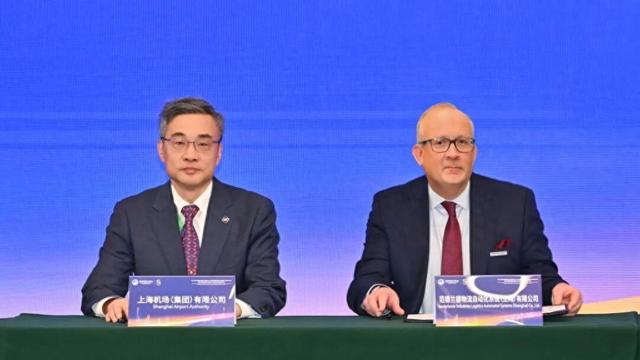
Group 1 - The eighth China International Import Expo (CIIE) has seen significant signing activities, with Shanghai Airport Group signing contracts totaling over $2.6 billion, focusing on baggage systems to support the operational goal of "60-minute transfers" at Pudong Airport's T3 terminal [1][2] - Shanghai Airport Group signed a procurement agreement with Vanderlande Industries for a baggage handling system worth $229 million, and another agreement with Schindler Group for escalators valued at $8.6 million, contributing to high-level opening and cooperation [2] - The signing projects will enhance the travel experience for both domestic and international passengers at Shanghai Pudong Airport, utilizing advanced technologies such as IoT and automated sorting systems [2] Group 2 - The Yangpu trading delegation at the CIIE also achieved a record high in intended transaction amounts, with a year-on-year increase of 5%, involving key local enterprises across various sectors including consumer goods, food, and medical devices [3] - The Yangpu district has been actively expanding international procurement and deepening economic cooperation, with over 5,000 professional visitors, a 10% increase year-on-year, and a 22% increase in participating enterprises [6] - Strategic cooperation agreements were signed with companies like Synopsys and Amcor, indicating a focus on international innovation and collaboration [6][7]

底盘科技(四川)有限公司成立 注册资本100万人民币
Sou Hu Cai Jing· 2025-11-07 13:51
天眼查App显示,近日,底盘科技(四川)有限公司成立,法定代表人为余晨飞,注册资本100万人民 币,经营范围为一般项目:特殊作业机器人制造;工业机器人安装、维修;服务消费机器人制造;智能 机器人的研发;工业机器人制造;服务消费机器人销售;人工智能应用软件开发;技术服务、技术开 发、技术咨询、技术交流、技术转让、技术推广;云计算装备技术服务;农、林、牧、副、渔业专业机 械的销售;数字技术服务;云计算设备销售;云计算设备制造;信息系统集成服务;试验机销售;试验 机制造;汽车零部件及配件制造;网络技术服务;除尘技术装备制造;物联网技术研发;储能技术服 务;物联网技术服务。(除依法须经批准的项目外,凭营业执照依法自主开展经营活动)(涉及国家规 定实施准入特别管理措施的除外)。 ...
航空专家郭琪:地方发展低空经济产业,要选好赛道,找对选手
Nan Fang Du Shi Bao· 2025-11-07 13:13
Core Viewpoint - The article emphasizes the importance of low-altitude economy as a key area for development in China's 14th Five-Year Plan, highlighting the need for coordinated efforts among government, enterprises, and society to foster its growth [1][15]. Summary by Sections Development Background - Low-altitude economy is described as a new economic form that integrates multiple fields and industries, covering technology research, manufacturing, infrastructure construction, operational services, and maintenance [2]. Key Issues Faced - Lack of overall resource coordination leads to mismatched development strategies and difficulties in sustainable growth [2]. - Unclear understanding of airspace resources hampers the ability to manage low-altitude flight activities effectively [2]. - Absence of specialized market entities with comprehensive capabilities results in unprofessional operations and resource misallocation [3]. - Insufficient market demand exploration leads to a lack of regional characteristics in low-altitude products, hindering stable business models [3]. - Mismatch between infrastructure supply and demand creates risks of either overbuilding or underbuilding, affecting industry development [4]. - Challenges in industry implementation arise from a significant gap between ideal industry goals and practical investment realities [5]. - Lack of basis for constructing industry carriers leads to wasted resources and ineffective space utilization [5]. Proposed Solutions - A five-dimensional integrated solution is proposed to address the challenges in low-altitude economy development: 1. **Strategic Planning**: Systematic planning of low-altitude economy development strategies based on regional characteristics [6]. 2. **Infrastructure Construction**: Building low-altitude infrastructure to enhance operational safety and management capabilities [7]. 3. **Scenario Development**: Creating tailored low-altitude application scenarios that align with local resources and market demands [9]. 4. **Demonstration Projects**: Establishing market-oriented entities through collaboration between local governments and central enterprises to drive low-altitude economy initiatives [12]. 5. **Industry Implementation**: A three-step approach to promote industry integration with local economies, focusing on selecting sectors, identifying enterprises, and defining strategies [13]. Conclusion - The low-altitude economy is at a critical stage of transitioning from strategic advocacy to systematic construction, necessitating a cohesive effort from local governments in various aspects of development [15].
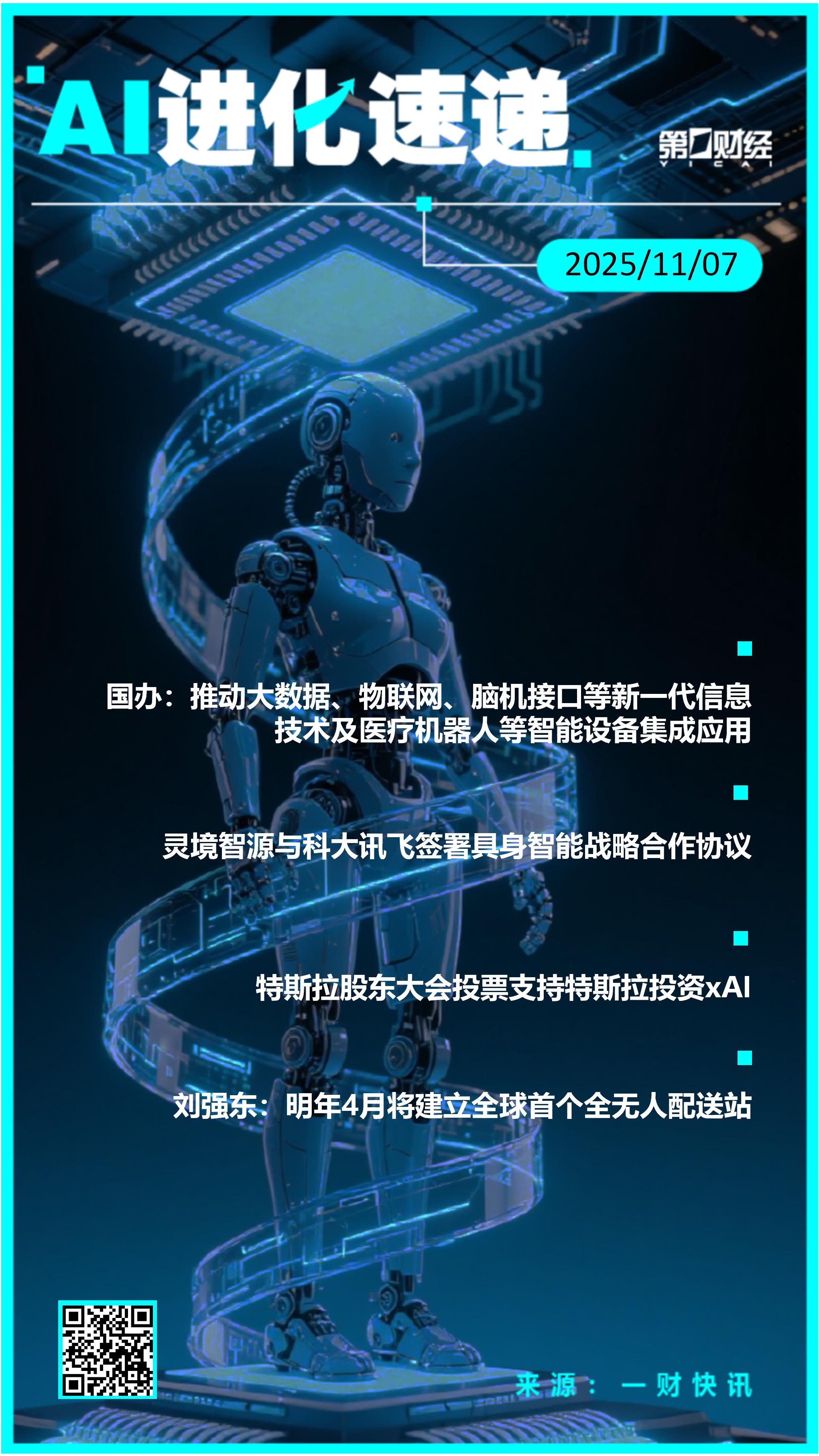
AI进化速递丨特斯拉股东大会投票支持特斯拉投资xAI
Di Yi Cai Jing· 2025-11-07 12:37
①国办:推动大数据、物联网、脑机接口等新一代信息技术及医疗机器人等智能设备集成应用; ②灵境智源与科大讯飞签署具身智能战略合作协议; ③特斯拉股东大会投票支持特斯拉投资xAI; ④刘强东:明年4月将建立全球首个全无人配送站。 ①国办:推动大数据、物联网、脑机接口等新一代信息技术及医疗机器人等智能设备集成应用;②灵境智源与科大讯飞签署具身智能战略合作协议;③特斯 拉股东大会投票支持特斯拉投资xAI。 灵境智源与科大讯飞签 特斯拉股东大 刘强东: 明年4月将建 tion 推动大数据、物联网 国办: 技术及医疗机 ...
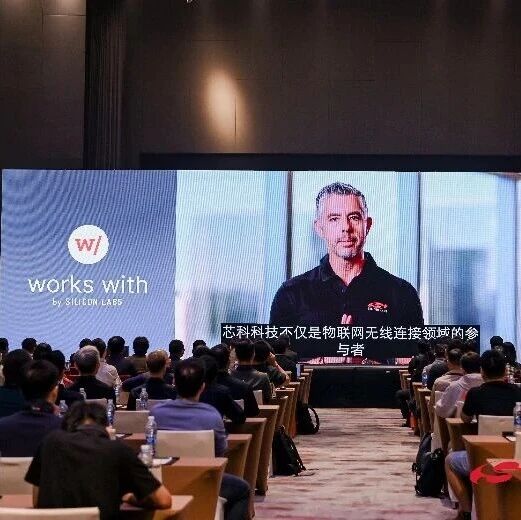
All in IoT,芯科科技全力以赴
半导体芯闻· 2025-11-07 10:24
Core Viewpoint - The article emphasizes the significant growth potential of the AIoT market, driven by the introduction of the Matter standard and advancements in edge AI technology, with projections indicating that the system-on-chip (SoC) market could reach $80 billion to $100 billion by 2030 [2]. Company Overview - Silicon Labs, also known as "芯科科技," is recognized as a leading player in the wireless chip industry, with a comprehensive product portfolio that supports the AIoT market [4]. - Under the leadership of CEO Matt Johnson, the company has established itself as a wireless connectivity giant, with expertise across various wireless technologies including Bluetooth, Zigbee, Matter, Thread, Wi-Fi, Z-Wave, and Wi-SUN [4][5]. Technological Innovations - Silicon Labs has made significant advancements in SoC technology, particularly in multi-core architecture, allowing for efficient handling of IoT applications, security, and wireless connectivity [4][5]. - The company is the first to introduce dynamic multi-protocol (DMP) solutions and has integrated matrix-vector processors (MVP) into its SoCs, enhancing its competitive edge [5]. - The third-generation wireless SoC platform, featuring the SixG301 and SixG302 products, utilizes a 22nm process and offers improved processing power, integration, security, and energy efficiency [12][13]. Market Strategy - Silicon Labs is committed to identifying and developing competitive products for emerging markets, focusing on innovative applications rather than engaging in price competition [11]. - The company has targeted the interconnected health and automotive keyless entry markets as areas of growth, positioning itself ahead of competitors [11]. Security Leadership - The company has achieved PSA Level 4 certification, making it the first IoT chip manufacturer to reach this level, reinforcing its leadership in IoT security [5][12]. Collaboration and Ecosystem - Silicon Labs emphasizes collaboration with ecosystem partners to enhance its product offerings and solutions, focusing on core hardware, protocol stacks, and software development [16]. - The "Works With" developer conference aims to bridge global technology with local needs, highlighting Shenzhen's role as a hub for IoT innovation [16].