
多边主义

Search documents
商务部深夜发声
Zhong Guo Ji Jin Bao· 2025-09-11 16:40
Group 1 - Mexico plans to increase import tariffs on approximately 1,400 product categories, including automobiles, toys, steel, textiles, and plastic products, to a range of 10% to 50% for countries that have not signed free trade agreements with Mexico, including China [1] - The Chinese government expresses concern that Mexico's tariff increase aligns with the U.S.'s long-standing attempts to contain China and may affect future trade negotiations between Mexico and its North American partners [1] - The Chinese Ministry of Commerce emphasizes the importance of maintaining free trade and multilateralism, urging Mexico to reconsider its unilateral tariff actions, which could harm trade relations and investment confidence [1][2] Group 2 - The Chinese government advocates for resolving trade disputes through equal dialogue and opposes unilateralism, protectionism, and discriminatory measures that harm its interests [2][4] - China highlights the mutual benefits of its economic cooperation with Mexico and expresses hope for collaborative efforts to promote global economic recovery and trade development [4]
商务部深夜发声
中国基金报· 2025-09-11 16:18
Core Viewpoint - Mexico plans to increase import tariffs on approximately 1,400 product categories, including automobiles, toys, steel, textiles, and plastic products, to a rate of 10%-50% for countries that have not signed free trade agreements with Mexico, including China [1] Group 1: Mexico's Tariff Increase - The proposed tariff increase aligns with the U.S.'s long-standing strategy to contain China and may serve Mexico's future trade negotiations with North American partners [1] - The Chinese government expresses concern that Mexico's unilateral tariff increase could harm the interests of relevant trade partners, including China, and negatively impact the business environment in Mexico, reducing investment confidence [1] Group 2: China's Response - China advocates for resolving trade disputes through equal dialogue and opposes unilateralism, protectionism, and discriminatory measures [2] - The Chinese government emphasizes the importance of mutual benefit in China-Mexico economic cooperation and hopes for collaborative efforts to promote global economic recovery and trade development [4]


中方希望墨西哥慎之又慎,三思后行
Sou Hu Cai Jing· 2025-09-11 16:14
Core Viewpoint - Mexico plans to increase import tariffs on approximately 1,400 products, including automobiles, toys, steel, textiles, and plastic products, to a range of 10% to 50% for countries that have not signed free trade agreements with Mexico, including China [1] Group 1: Mexico's Tariff Increase - The proposed tariff increase aligns with the U.S.'s long-standing strategy to curb China's influence and may facilitate future trade negotiations between Mexico and its North American partners [1] - The Chinese government expressed concern that Mexico's unilateral tariff actions could harm trade relations and the business environment, potentially reducing investment confidence in Mexico [1] Group 2: China's Response - China advocates for resolving trade disputes through equal dialogue and opposes unilateralism, protectionism, and discriminatory measures [2] - The Chinese government emphasizes the importance of mutual benefit in China-Mexico economic cooperation and hopes for collaborative efforts to promote global economic recovery and trade development [4]
商务部:将密切关注墨方提税动向,并对有关最终措施进行认真评估
Sou Hu Cai Jing· 2025-09-11 16:02
答:我们注意到有关报道,将密切关注墨方提税动向,并对有关最终措施进行认真评估。在当前美方滥 施关税引发全球普遍反对之际,各国应加强沟通协调,共同维护自由贸易和多边主义,绝不能因为他人 胁迫而牺牲第三方的利益。在此背景下,墨方任何的单边加税举动,即便是在世贸规则框架内,都会被 认为是对单边霸凌主义的绥靖与妥协。有关措施一旦落地,不仅会损害包括中国在内的相关贸易伙伴的 利益,也会严重影响墨营商环境的确定性,降低企业对墨投资的信心。中墨互为重要的经贸伙伴,我们 不愿看到双方经贸合作因此受到影响,希望墨方慎之又慎,三思后行。 中方一贯主张各方通过平等对话协商解决经贸分歧,反对任何形式的单边主义、保护主义以及歧视性排 他性措施,坚决反对各种损害中方利益的做法。中方将根据实际情况采取必要措施,坚决维护自身正当 合法权益。 人民财讯9月11日电,商务部新闻发言人就墨西哥拟对有关贸易伙伴提高进口关税税率事答记者问。 有记者问:据报道,墨西哥拟对包括中国在内的未与墨签署自贸协定的国家,将汽车、玩具、钢铁、纺 织品和塑料制品等约1400项税目产品的进口关税税率提升至10%—50%。同时有分析认为,墨西哥的提 税举措符合美方长期以 ...
商务部就墨西哥拟对有关贸易伙伴提高进口关税税率事答记者问
Hua Er Jie Jian Wen· 2025-09-11 15:55
市场有风险,投资需谨慎。本文不构成个人投资建议,也未考虑到个别用户特殊的投资目标、财务状况或需要。用户应考虑本文中的任何 意见、观点或结论是否符合其特定状况。据此投资,责任自负。 据央视报道,商务部新闻发言人表示:我们注意到有关报道,将密切关注墨方提税动向,并对有关最终 措施进行认真评估。在当前美方滥施关税引发全球普遍反对之际,各国应加强沟通协调,共同维护自由 贸易和多边主义,绝不能因为他人胁迫而牺牲第三方的利益。在此背景下,墨方任何的单边加税举动, 即便是在世贸规则框架内,都会被认为是对单边霸凌主义的绥靖与妥协。有关措施一旦落地,不仅会损 害包括中国在内的相关贸易伙伴的利益,也会严重影响墨营商环境的确定性,降低企业对墨投资的信 心。中墨互为重要的经贸伙伴,我们不愿看到双方经贸合作因此受到影响,希望墨方慎之又慎,三思后 行。 中方一贯主张各方通过平等对话协商解决经贸分歧,反对任何形式的单边主义、保护主义以及歧 视性排他性措施,坚决反对各种损害中方利益的做法。中方将根据实际情况采取必要措施,坚决维护自 身正当合法权益。 风险提示及免责条款 ...
商务部就墨西哥拟对有关贸易伙伴提高进口关税税率事答问
Shang Wu Bu Wang Zhan· 2025-09-11 15:51
Core Viewpoint - Mexico plans to increase import tariffs on approximately 1,400 products, including automobiles, toys, steel, textiles, and plastic products, to a rate of 10%-50% for countries that have not signed free trade agreements with Mexico, including China [1] Group 1 - The proposed tariff increase aligns with the U.S.'s long-standing strategy to contain China and may facilitate future trade negotiations between Mexico and its North American partners [1] - The Chinese government expresses concern over Mexico's unilateral tariff actions, emphasizing the need for countries to communicate and coordinate to maintain free trade and multilateralism [1][2] - Any unilateral tariff measures by Mexico, even within the framework of WTO rules, are viewed as a concession to unilateral bullying and could harm the interests of relevant trade partners, including China [1] Group 2 - The Chinese government advocates for resolving trade differences through equal dialogue and negotiation, opposing any form of unilateralism, protectionism, and discriminatory measures [2] - China will take necessary measures based on actual circumstances to safeguard its legitimate rights and interests [2]
中国—联合国和平与发展基金十周年主题活动在联合国成功举行
人民网-国际频道 原创稿· 2025-09-11 09:09
人民网华盛顿9月11日电 (记者李志伟)联合国消息:9月10日,中国—联合国和平与发展基金十 周年主题会议在纽约联合国总部举行。中国常驻联合国代表傅聪大使主持会议,联合国经社事务副秘书 长李军华代表基金指导委员会主席、联合国秘书长办公厅主任拉特雷致辞。联合国政治建和部、维和 部、行动支助部等各部门负责人、特殊处境国家高级代表、开发计划署、环境署、反恐办公室等联合国 机构负责人、基金主要受益国等近30个国家的常驻代表和高级外交官与会。 傅聪大使回顾2015年习近平主席宣布设立基金以来取得的积极成果,表示基金面向100多个国家开 展200多个务实合作项目,帮助发展中国家加强和平安全、可持续发展能力建设,有力推进2030年可持 续发展议程。基金已成为中国与联合国深化合作,践行多边主义的重要平台。中方愿与各方以联合国成 立80周年、基金设立10周年为契机,共同规划基金未来发展,积极践行全球治理倡议,维护以联合国为 核心的国际体系,推动构建更加公正合理的全球治理体系,携手迈向人类命运共同体。 与会各方高度评价基金成果,赞赏并感谢中国政府为联合国推进可持续发展议程,促进国际和平与 安全提供坚定有力的支持,期待深化基金合作 ...
中国-联合国和平与发展基金十周年主题活动在联合国总部举行
Xin Hua She· 2025-09-11 07:11
新华社联合国9月10日电 中国-联合国和平与发展基金十周年主题会议10日在纽约联合国总部举行。 与会各方高度评价基金成果,赞赏并感谢中国政府为联合国推进可持续发展议程、促进国际和平与安全 提供坚定有力支持,期待深化基金合作,促进会员国团结,共同完善全球治理,打造人类共同未来。会 后,各方代表一同观看了展示基金工作成果的图片展览。 傅聪表示,基金设立10年来,面向100多个国家开展200多个务实合作项目,帮助发展中国家加强和平安 全、可持续发展能力建设,有力推进联合国2030年可持续发展议程。基金已成为中国与联合国深化合 作、践行多边主义的重要平台。中方愿与各方以联合国成立80周年、基金设立10周年为契机,共同规划 基金未来发展,积极践行全球治理倡议,维护以联合国为核心的国际体系,推动构建更加公正合理的全 球治理体系,携手迈向人类命运共同体。 中国常驻联合国代表傅聪主持会议,联合国主管经济和社会事务的副秘书长李军华代表基金指导委员会 主席、联合国秘书长办公室主任拉特雷致辞。联合国政治和建设和平事务部等各部门负责人、特殊处境 国家高级代表、开发计划署等联合国机构负责人,以及基金主要受益国等近30个国家的常驻代表和 ...
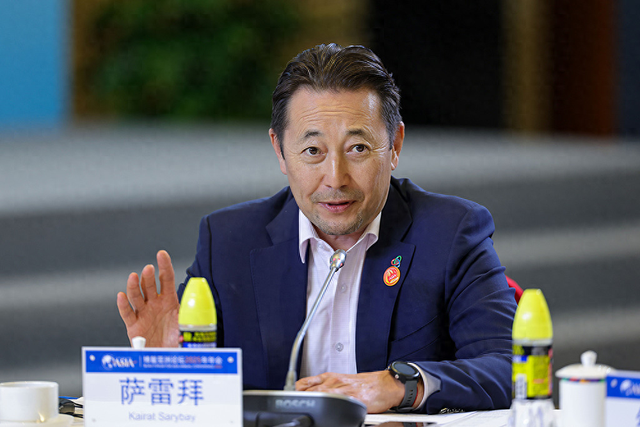
亚信智库论坛|亚信秘书长萨雷拜:“全球治理倡议”与亚信本质契合
Xin Lang Cai Jing· 2025-09-11 04:47
Core Viewpoint - The increasing role of Asia in global development and policy-making is highlighted, emphasizing the need for better cooperation in the context of global security architecture [1][3]. Group 1: CICA's Role and Challenges - The CICA (Conference on Interaction and Confidence-Building Measures in Asia) serves as the most extensive multilateral security forum in Asia, covering 90% of the continent and over half of the global population, which reflects its core value of inclusivity and consensus among its 28 member states [3][4]. - The main challenge facing CICA is the rising trend of unilateralism globally, which hinders the realization of a multipolar world despite the ongoing evolution of international dynamics [4]. Group 2: Trust-Building Measures - CICA provides a platform for dialogue and trust-building among member states, even those without diplomatic relations or in conflict, through gradual Confidence Building Measures (CBMs) [6][8]. - The organization emphasizes that security is indivisible and should not come at the expense of other nations' safety, promoting a comprehensive approach to security issues [7][8]. Group 3: Transformation into an International Organization - CICA is in the process of transforming into a formal international organization, with significant progress made since 2022, including the establishment of a draft charter and the formation of management and advisory bodies [9][10]. - The upcoming leaders' summit in Baku is expected to formalize CICA's status as an international organization, further solidifying its role in global governance [10]. Group 4: Cooperation with Other Organizations - CICA maintains partnerships with various international organizations, including the UN and regional entities like the Shanghai Cooperation Organization and the Arab League, reflecting its commitment to multilateralism [10].
第二届中国—巴西省州经贸合作对接会在第25届投洽会期间举行
Zhong Zheng Wang· 2025-09-11 04:24
Group 1 - The second China-Brazil provincial and state economic and trade cooperation conference was held during the 25th China International Investment and Trade Fair, indicating a growing partnership between the two countries [1] - China has maintained its position as Brazil's largest trading partner for 16 consecutive years, with bilateral trade exceeding $100 billion for seven consecutive years, and Chinese investment in Brazil surpassing $50 billion [1] - The Chinese government aims to deepen cooperation in agriculture, mining, green sustainability, digital economy, and energy transition, while opposing protectionism and unilateralism [1] Group 2 - Fujian Province has established a strong economic partnership with Brazil, becoming its largest trading partner in South America, with trade volume reaching 32.7 billion RMB from January to July this year [2] - The cooperation between China and Brazil is seen as crucial for promoting collaboration among developing countries and maintaining global supply chain stability [2] - The conference facilitated discussions between representatives from Brazil's export investment promotion agency and four state governments with around 30 Chinese companies, focusing on cooperation in renewable energy, agriculture, infrastructure, and manufacturing [3]