
产业集群

Search documents
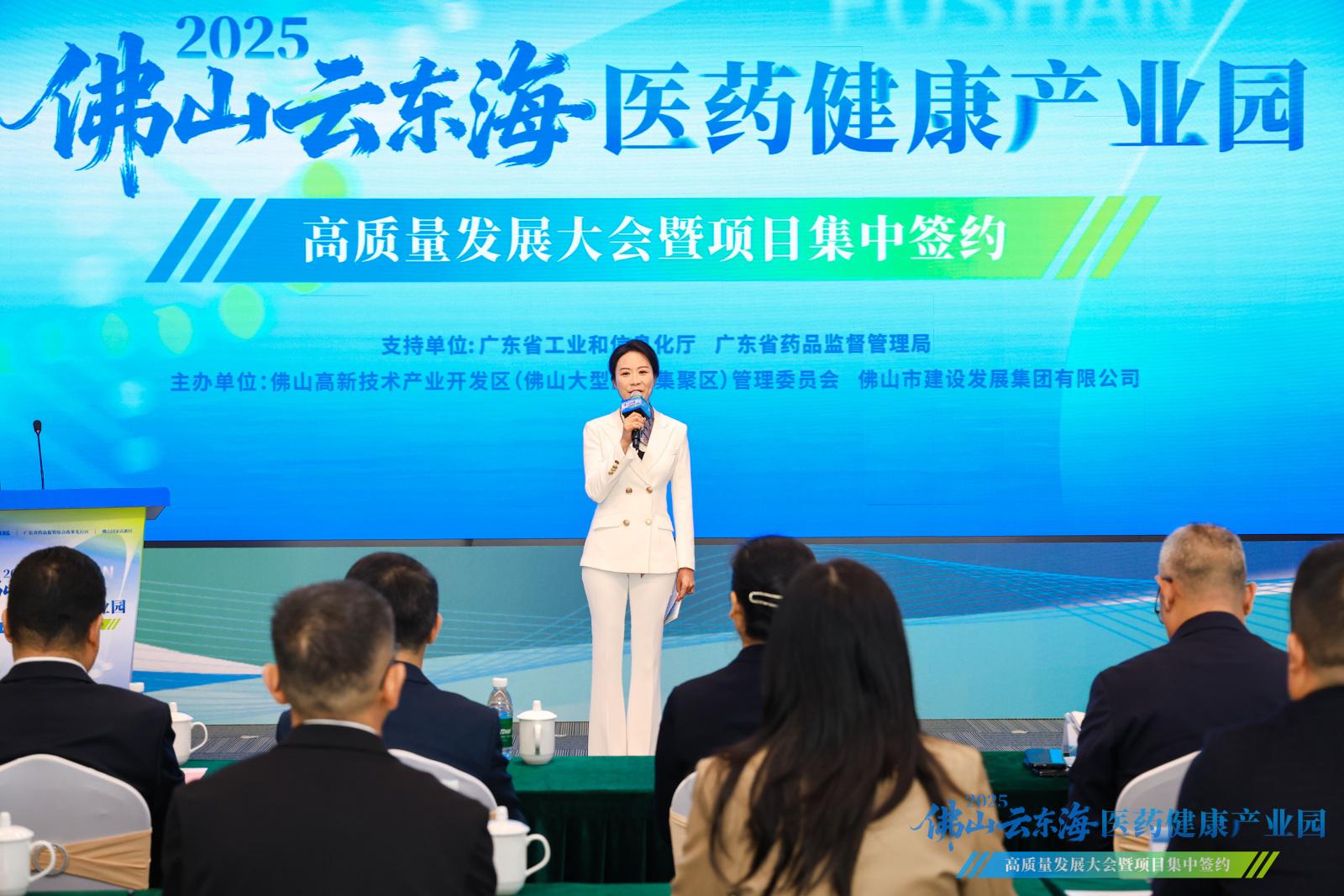
总投资超10亿元!七项目落地 佛山医药健康产业再添利好
Nan Fang Du Shi Bao· 2025-12-20 13:52
Core Insights - The signing of seven key projects at the Foshan Yundonghai Pharmaceutical Health Industry Park marks a significant step in the development of the pharmaceutical and health industry in Foshan, with total investments exceeding 1 billion yuan [1][3][6]. Group 1: Event Overview - The high-quality development conference and project signing event was supported by the Guangdong Provincial Department of Industry and Information Technology and the Guangdong Provincial Drug Administration, and organized by the Foshan High-tech Industrial Development Zone Management Committee and Foshan Construction Development Group [2]. - This event signifies Foshan's commitment to cultivating new productive forces and building a biopharmaceutical industry cluster, injecting strong momentum into the high-quality development of the Greater Bay Area's pharmaceutical health industry [2]. Group 2: Project Details - The seven signed projects cover various cutting-edge fields, including biopharmaceuticals, new regenerative medical materials, high-end medical devices, and pharmaceutical packaging materials, with investment sizes ranging from 5 million to 800 million yuan [6]. - The Yundonghai Biological Science Industrial Park project, with a total investment of 800 million yuan, aims to build standard factories and high-tech public service platforms to meet the production needs of biopharmaceutical companies [6]. Group 3: Infrastructure and Services - The Guangdong Provincial Medical Device Quality Supervision and Inspection Institute's Foshan Laboratory was officially launched, serving as a core support for the park's service capabilities [10][12]. - The laboratory, as the only national-level medical device inspection institution in South China, covers four major fields and has the capacity for 338 standards and 2632 project parameters, significantly enhancing the speed of product market entry for local enterprises [11]. Group 4: Policy and Financial Support - The "Support Measures for the High-Quality Development of Yundonghai Pharmaceutical Health Industry Park" was released, offering multiple support measures for ten industry categories, with the highest funding amount reaching 15 million yuan [13]. - Foshan Jianfa Private Equity Fund and Huaxi Yuanyou Venture Capital Fund have reached a cooperation agreement with a total subscription scale exceeding 2.1 billion yuan, focusing on investments in biotechnology and health projects [14]. Group 5: Talent and Future Development - The Guangdong-Hong Kong-Macao Greater Bay Area (Foshan) Talent Service Workstation was inaugurated to provide one-stop services for policy consultation, entrepreneurial support, and talent introduction, enhancing the collaboration between industry, academia, and research [14]. - Foshan has over 3,000 medical and health institutions, a complete manufacturing industry chain, and a favorable business environment, aiming to attract more entrepreneurs to establish themselves in the Yundonghai area and jointly create a trillion-level pharmaceutical health industry cluster [14].

陕西产业集群积厚成势
Jing Ji Ri Bao· 2025-12-20 01:01
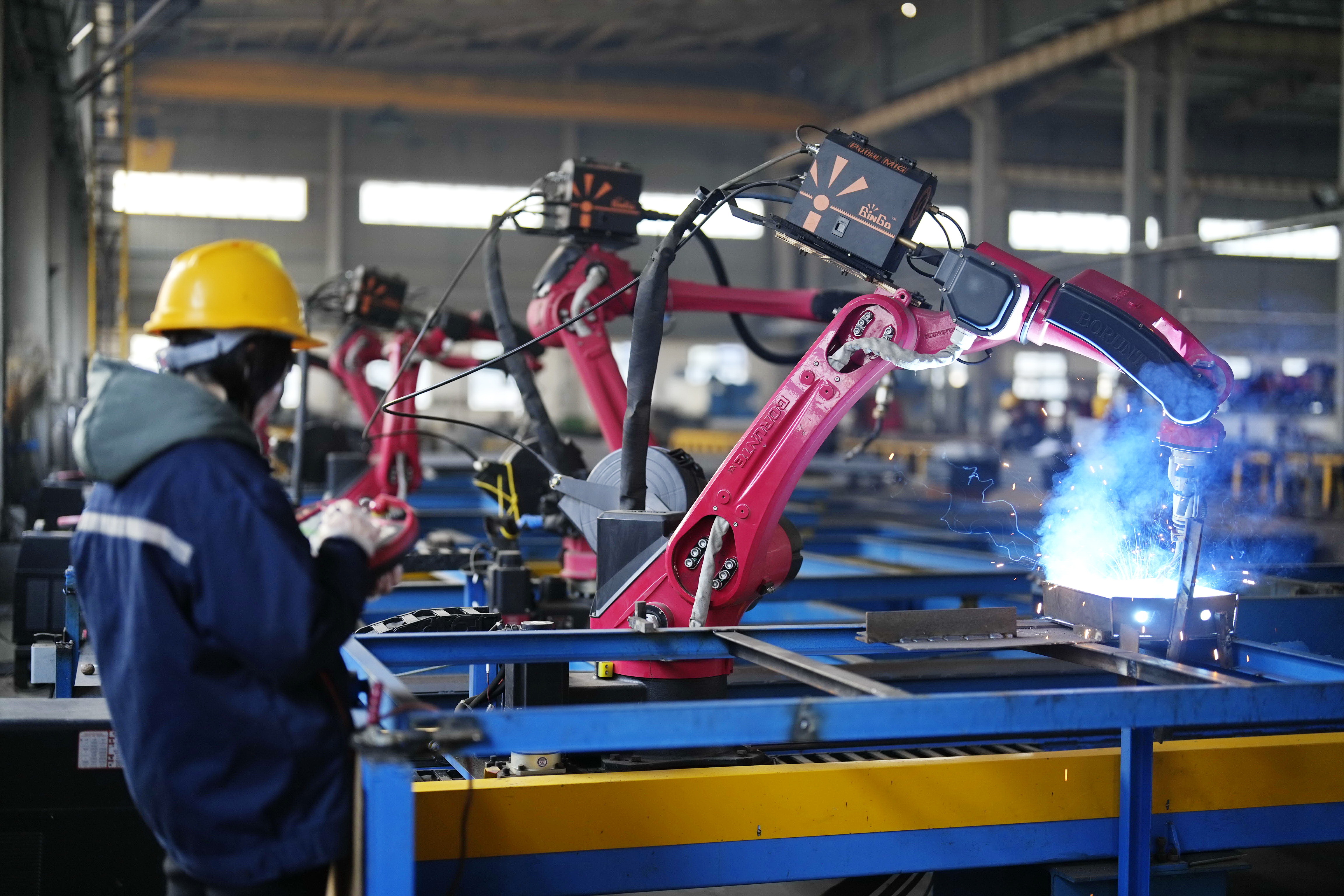
Group 1 - Shaanxi Province is focusing on building a strong education, technology, and talent system, aiming for breakthroughs in modern industrial system construction [1] - The province has promoted the "three reforms" for technology achievement transformation, resulting in the transfer and transformation of 46,000 achievements and a doubling of technology contract transaction volume over three years [1] - Significant projects in research and transformation have been signed recently, including OLED packaging materials and industrial robot manufacturing [1] Group 2 - The Secretary of the Shaanxi Provincial Committee emphasizes enhancing innovation capabilities through the construction of the Xi'an regional technology innovation center [2] - The focus is on accelerating technology achievement transformation through deepening the "three reforms" and strengthening the role of enterprises in innovation [2] - There is an emphasis on optimizing the innovation ecosystem by upgrading the Qin Chuang Yuan system and integrating education, technology, and talent development [2]
共绘“一张图”,京津冀产业链协同焕新
Bei Jing Ri Bao Ke Hu Duan· 2025-12-19 13:27
Group 1: Beijing's Industrial Adjustment - Beijing has cumulatively relocated and upgraded over 3,000 general manufacturing enterprises, with an additional 104 relocations from January to November this year, providing greater space for the development of high-tech industries [1] - The interaction between relocation and reception has led to the emergence of new industrial chains in Hebei, contributing to high-quality regional development [1] Group 2: Steel Industry Development - The "Cicada Wing Steel," produced by Shougang Jingtang, is a lightweight and flexible steel product essential for 5G base stations and integrated circuit boards, showcasing the company's transition from land to sea [2] - Shougang Jingtang has made significant strides in intelligent, green, and high-end development, achieving a steel carbon emission reduction of 18% below the industry average through innovative practices [2] - The steel processing industry in the Caofeidian Steel Power Park is being developed into a comprehensive industrial chain, focusing on deep processing, logistics, and automotive parts manufacturing [6] Group 3: Logistics and E-commerce Growth - The establishment of Zhongtong Express's northern headquarters in Langfang has led to a significant increase in logistics capabilities, with a sorting efficiency of 70,000 packages per hour and a daily processing capacity of 5 million packages [10] - Langfang has become a hub for logistics enterprises, with major companies like YTO Express and Shentong Express establishing regional headquarters, resulting in a robust logistics economy [11] - The postal and express delivery volume in Langfang is projected to grow from 5.76 billion packages at the end of the 13th Five-Year Plan to 22 billion packages in 2024, reflecting a 31% annual growth rate [15] Group 4: Textile and Apparel Industry Transition - Cangzhou has become a key location for the relocation of Beijing's garment industry, with the Mingzhu International Garment Ecological New City accommodating nearly 10,000 merchants and a complete production chain [16] - The region has seen the establishment of a tight-knit industrial chain, with over 1,000 wholesale merchants and 600 processing enterprises, enabling rapid turnover from fabric procurement to finished garments [17] - Cangzhou's garment industry has been recognized nationally, with significant sales to the Beijing-Tianjin region, exemplifying successful industrial relocation and integration [20]
城市制造业高质量发展研究报告(2025年)
中国信通院· 2025-12-19 08:43
Group 1: Manufacturing Industry Development Overview - The manufacturing industry in China is transitioning to a high-quality development phase, emphasizing innovation and efficiency over mere expansion[8] - Major cities are identified as key innovation hubs, contributing significantly to technological advancements and industrial upgrades[9] - The average labor productivity of industrial enterprises in strong manufacturing cities increased by 21.7% compared to the previous year, with total profits accounting for 47.3% of the national total[10] Group 2: Regional Distribution and Characteristics - The distribution of strong manufacturing cities remains stable, with 36 in the eastern region, 10 in the central region, and only 2 each in the northeastern and western regions[26] - Strong manufacturing cities collectively completed an export total of 14.3 trillion yuan, representing 59.6% of the national total[11] - The number of national-level manufacturing innovation centers in strong manufacturing cities accounts for 69.7% of the national total, indicating a concentration of innovation resources[10] Group 3: Challenges and Opportunities - Despite achievements, challenges include widening development gaps, low efficiency in technology transfer, and structural contradictions in foreign trade[11] - The shift towards smart, green, and integrated manufacturing is seen as a new direction for industrial upgrades, expanding growth opportunities in urban areas[18] - The report highlights the need for cities to enhance their manufacturing capabilities and foster a collaborative ecosystem among enterprises, academia, and research institutions[11]
10万亿!超越京沪,中国“第一城”易主了
首席商业评论· 2025-12-19 03:44
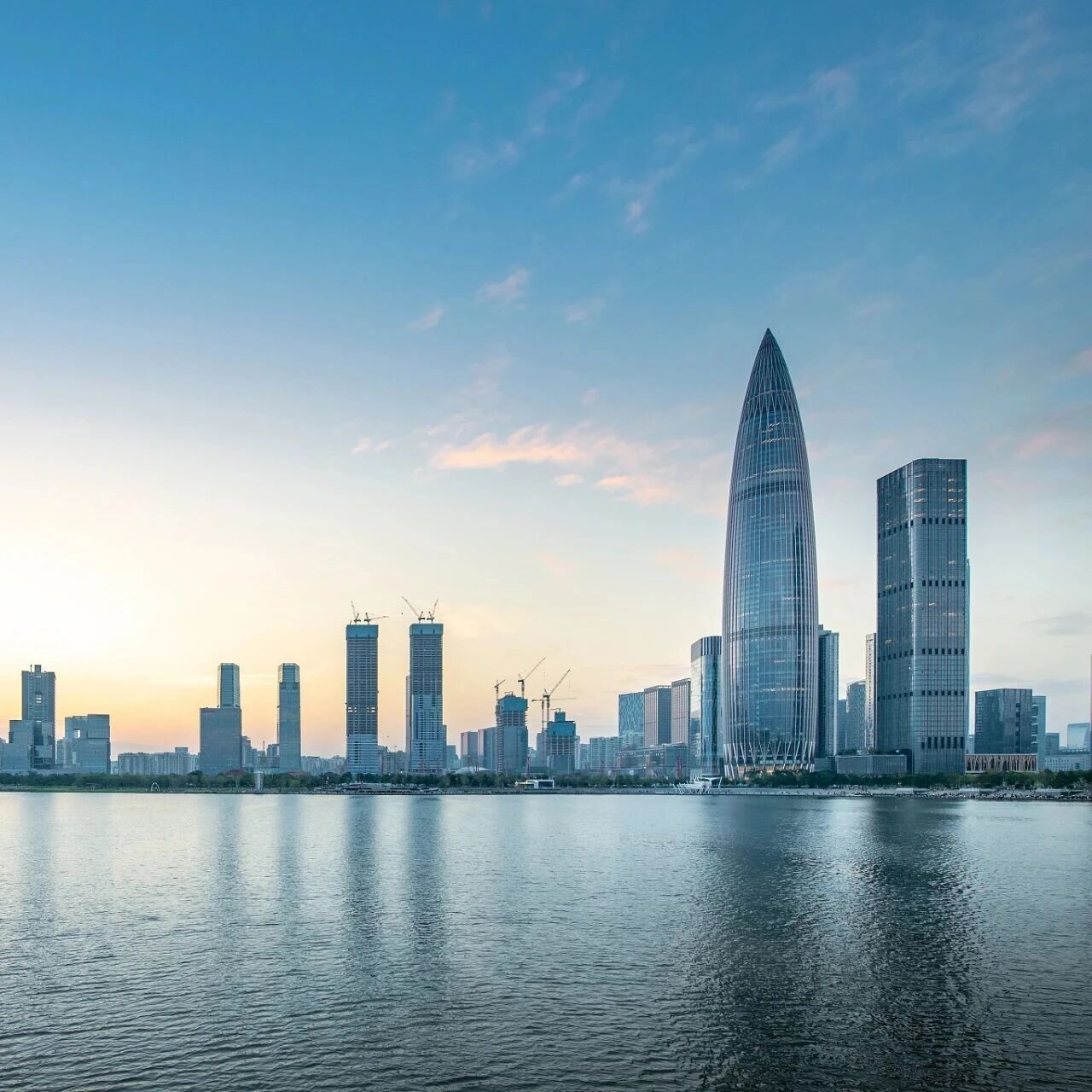
Core Viewpoint - Shenzhen has officially become China's "first city" for specialized and innovative "little giant" enterprises, surpassing Beijing and Shanghai in both quantity and quality of these companies, marking a significant milestone in its economic development [7][24]. Group 1: Achievements of Shenzhen - By the end of 2025, Shenzhen will have 1,333 "little giant" enterprises, leading the nation, with Beijing at 1,210 and Shanghai at 1,032 [7]. - The total market value of these enterprises is estimated to be close to 10 trillion yuan, showcasing their substantial economic impact [7]. - Shenzhen's "little giant" enterprises are concentrated in key areas of national focus, such as "manufacturing power" and "strengthening supply chains," with high entry barriers [7]. Group 2: Growth and Innovation - Shenzhen's "little giant" enterprises exhibit remarkable growth, with an average establishment time of 13 years to reach national recognition, which is 1.71 years faster than the national average [11]. - These companies have a high average R&D intensity of 7.63%, with annual R&D expenditures averaging 33.39 million yuan, significantly above the national average [11]. - The average number of patents filed by these enterprises is 152, with nearly 30% involved in setting international or national standards [11]. Group 3: Strategic Initiatives - Shenzhen's "20+8" industrial cluster strategy serves as a core engine for nurturing "little giant" enterprises, providing a clear industrial direction and reducing strategic ambiguity for startups [13][18]. - The government facilitates collaboration between large and small enterprises through mechanisms like "chain leader" and "chain master" systems, enhancing overall industry competitiveness [16]. - A robust market support system combines effective market access with proactive government involvement, enabling local products to be tested and iterated within the local market before global expansion [18]. Group 4: Financial Support - Shenzhen has pioneered a "bold capital" approach, allowing for long-term investments in innovative projects, particularly in high-tech sectors, to help companies navigate critical growth phases [19]. - The city has established four major equity investment platforms to support the development of innovative enterprises, with significant investments made in national-level "little giant" companies [19]. Group 5: Future Prospects - Achieving the title of "first city" is seen as a new starting point for Shenzhen, indicating a stronger industrial foundation and a pathway for future economic growth [24]. - The success of these "little giants" is expected to lead to the emergence of world-class enterprises, contributing to Shenzhen's sustained high-quality economic development [24]. - Shenzhen's model of nurturing innovation and industry collaboration is viewed as a replicable framework for other regions in China to build modern industrial systems [24].
长沙再添“国字号”产业集群 | 打造新高地 链群攀高峰
Chang Sha Wan Bao· 2025-12-17 23:51
Core Insights - The article highlights the rapid growth of the testing and inspection industry in Changsha, with an annual growth rate of nearly 20% and a projected output value of 36.911 billion yuan in 2024, representing over a 50% increase from three years ago [5][12]. Industry Development - Changsha has been recognized for its industrial clusters, with the inspection and testing instrument equipment cluster in Yuelu District being included in the national list of characteristic industrial clusters for small and medium-sized enterprises [9]. - The city has cultivated three national advanced manufacturing clusters and three national characteristic industrial clusters for small and medium-sized enterprises, along with seven provincial advanced manufacturing clusters [9]. Cluster Ecosystem - The inspection and testing industry in Changsha is characterized by a collaborative ecosystem, with major companies like Sanofi Bio and Aiwei Technology leading the way, supported by over 400 technology-based SMEs [10]. - The industry benefits from a strong synergy between research, manufacturing, and service, facilitated by local universities and research institutions [10][12]. Innovation and Technology - Sanofi Bio, as the fourth largest blood glucose meter manufacturer globally, exemplifies the success of the cluster's collaborative model, achieving significant breakthroughs in glucose sensor technology [10]. - The cluster has implemented a "chain leader system" to address industry challenges and enhance cooperation among enterprises [12]. Global Expansion and Digital Transformation - The cluster is focusing on digital transformation and international cooperation, with companies like Sanofi Bio providing services to over 25 million users globally, and achieving over 40% of revenue from overseas markets [16]. - The industry is also embracing green development, with companies obtaining environmental management certifications and reducing operational costs while gaining a competitive edge in international markets [16]. Collaborative Initiatives - The industry alliance organized an innovation development exchange conference to promote global collaboration, sharing successful cases of overseas testing services [17]. - The shift from individual competition to collective development is emphasized, with Changsha's strategy aimed at enhancing its position as a significant manufacturing hub in China [18].


Shandong's Linqu County Elevates Foie Gras Industry to Global Prominence
Globenewswire· 2025-12-17 13:07
Core Insights - The French Foie Gras and Poultry Association (CIFOG) and the French Livestock and Meat Industry Association conducted a field investigation in Linqu County, Weifang City, focusing on various aspects of the goose industry, including breeding, production, processing, and export systems [1][2]. Industry Overview - The Landes goose, originating from southwestern France, has developed an industrial cluster in East China with an annual output value of 8 billion yuan [2]. - Linqu County has established a "company + cooperative + base + farmer" development model, leading to over 90% of its goose industry entities achieving modernized management and operation [3]. - The county has built a fully integrated industrial chain over four decades, covering breeding, farming, fattening, processing, and sales, with an annual foie gras output exceeding 5,000 metric tons [3]. Market Expansion - Linqu foie gras not only supplies major cities in China but is also exported to international markets, including Japan and the EU, showcasing the successful global expansion of a local specialty industry [4].

山东将打造四大铜产业集群
Da Zhong Ri Bao· 2025-12-16 01:08
Core Viewpoint - The Shandong Provincial Industrial and Information Technology Department, along with nine other departments, has issued the "Shandong Province Copper Industry High-Quality Development Action Plan (2025-2027)", aiming to exceed a total output value of 200 billion yuan in the copper industry by 2027, establishing Shandong as a globally competitive copper smelting base and a leading domestic hub for high-end copper material R&D and application [1][2] Group 1 - The plan focuses on enhancing the industrial foundation, clustering levels, and development momentum in key cities, promoting the establishment of four major copper industry clusters: Dongying for "cooperative smelting + copper-based new materials", Liaocheng for "mining copper smelting + high-end foil deep processing", Yantai for "associated copper smelting + special rod and wire deep processing", and Linyi for "recycled copper smelting + urban mining" [1] - The strategy includes extending the copper industry chain by targeting key segments, weak areas, and high-end gaps, while aligning with national industrial policies [2] Group 2 - In the upstream sector, the plan emphasizes upgrading the circular economy of copper smelting and improving the efficiency of recycled copper resource utilization to secure raw material supply [2] - The midstream focus is on expanding specialized copper materials for power distribution, precision copper components for electronics, and special copper parts for equipment manufacturing to fill gaps in the industry chain [2] - In the downstream sector, the plan aims to layout key copper-based materials for the new energy field, facilitating the extension to high-end application scenarios [2] Group 3 - The plan supports the adoption of intelligent smelting systems in the melting process, establishing digital twin models to enhance material supply management and reduce smelting costs [2] - In copper processing, it promotes flexible production and quality closed-loop systems, encouraging copper foil rolling companies to use AI visual inspection systems to improve product quality [2] - The initiative also advocates for the use of 5G and industrial internet collaborative platforms in copper pipe processing to shorten order switching times and reduce logistics costs, driving the transition of copper smelting and processing enterprises towards a "data-driven" model [2]
南通市光学瞄准镜器材商会成功换届
Xin Hua Ri Bao· 2025-12-15 23:47
Group 1 - The core viewpoint of the news is the successful re-election of Wang Yongjun as the president of the Nantong Optical Sight Equipment Chamber of Commerce, highlighting Nantong's position as the world's largest optical sight production base, contributing over 70% of China's production, which itself accounts for about 90% of global output [1] - The optical sight industry in Nantong has been growing quietly since its inception in 1990, with the first production line established by Yin Zhuhua at Sam's Electric Company [1] - The Chamber of Commerce was established in December 2014 to facilitate industry development and information exchange, with Yin Zhuhua serving as the honorary president [1] Group 2 - The Chamber of Commerce has become a guiding force for member enterprises, promoting political awareness and party spirit through various educational activities, and has been recognized as a "Four Good Chamber of Commerce" in Jiangsu Province [2] - The optical sight industry in Nantong has formed a complete industrial cluster with over 120 member companies, an annual output value of nearly 3 billion yuan, and approximately 30,000 employees, contributing to local economic prosperity [2] - Member companies consume over 5,000 tons of aluminum and more than 1,500 tons of copper annually, providing stable employment for local farmers [2] Group 3 - The Chamber of Commerce has taken the initiative to establish industry standards to enhance the international competitiveness of the optical sight industry, addressing the lack of unified standards that previously hindered industry communication and export [3] - In July 2019, the first industry group standard for civilian optical sights was published in Nantong, marking a significant achievement for the industry and allowing local companies to gain a stronger foothold in the market [3] - The implementation of these standards has led to the rapid development of leading companies in the industry, attracting world-class enterprises to establish operations in Nantong [3] Group 4 - The focus on technological innovation has led member companies to enhance product quality and develop new technologies, such as laser ranging and GPS positioning, increasing product value [4] - The global optical industry is experiencing a dual opportunity for technological innovation and market restructuring, prompting the Chamber of Commerce to establish collaborative mechanisms for research and production [4] - Over the next five years, the Chamber will prioritize brand enhancement, talent cultivation, and the growth of young entrepreneurs to build an internationally renowned optical sight industry cluster [4]
“粮食安全看山东”之日照经济技术开发区:发挥临港优势,链动产业升级
Zhong Guo Fa Zhan Wang· 2025-12-15 13:26
Core Viewpoint - The article highlights the rapid development of a grain and oil industry cluster in Rizhao Economic and Technological Development Zone, leveraging its unique coastal location to transition from scale expansion to high-quality development, forming a robust economic backbone for the region [1]. Group 1: Industry Structure - The Rizhao Economic and Technological Development Zone has established a complete industrial chain from "a single soybean to diversified products," encompassing grain import trade, storage logistics, refining, packaging, feed processing, and more [1]. - The area hosts 17 grain and oil processing enterprises, 19 trading companies, and 9 storage logistics firms, fostering a competitive environment with leading companies like Zhongfang Grain and Oil, Bangji Sanwei, Lingyunhai Group, and COFCO [1]. Group 2: Processing Capacity and Efficiency - The annual soybean processing capacity in the Rizhao Economic and Technological Development Zone reaches 5.7 million tons, accounting for approximately 4% of the national total and ranking first in Shandong Province [2]. - The grain storage capacity stands at 3.9 million tons, providing a solid foundation for industrial development, with projections indicating that the grain and oil industrial output value will approach 30 billion yuan by 2025 [2]. Group 3: Project Development and Upgrades - Key projects such as the 1.2 million tons of plant protein from Malaysia and 1.5 million tons of biological protein from Lingyunhai are set to commence, alongside expansions of storage facilities and trading centers, enhancing the region's grain and oil processing capabilities [3]. - The development of these projects aims to elevate the processing capacity to the tens of millions of tons level, further refining the "import-storage-processing-trade" chain and promoting high-end, intelligent, and green transformations in the industry [3].
