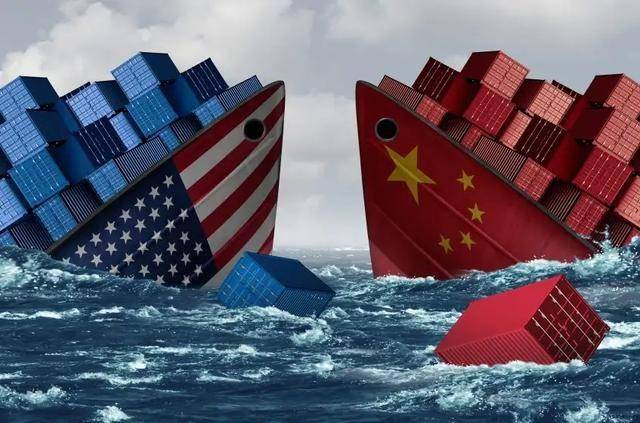
中美贸易战

Search documents
中国“阳谋”奏效,特朗普被打了个措手不及,民主党借势补刀
Sou Hu Cai Jing· 2025-10-05 14:20
Core Viewpoint - The ongoing trade tensions between China and the U.S. are significantly influenced by soybean tariffs, with China imposing a 25% tariff on U.S. soybeans, leading to a halt in imports from the U.S. and a shift in market dynamics towards South American suppliers [1][3]. Group 1: Trade Dynamics - Since May, no U.S. soybean-laden ships have reached China, which previously accounted for 25% of U.S. soybean exports, effectively putting the market on pause [3]. - South American countries like Brazil and Argentina have quickly filled the gap left by U.S. soybeans, offering competitive pricing and quality due to lower tariffs [3]. Group 2: Political Implications - The trade war's impact is now felt by Trump's core supporters, particularly farmers in the Midwest, who are experiencing significant income reductions due to the lack of buyers for their soybeans [6]. - Agricultural lobbying groups, traditionally allies of Trump and the Republican Party, are now expressing strong dissatisfaction and urging the government to resolve the trade dispute to regain access to the Chinese market [6][9]. Group 3: Democratic Strategy - The Democratic Party is leveraging the plight of soybean farmers to undermine Trump's political credibility, highlighting the adverse effects of his tariff policies through media coverage [9][11]. - The focus on the struggles of farmers in key swing states aims to shift public opinion and potentially sway votes away from the Republican Party in upcoming elections [11]. Group 4: Future Outlook - The soybean trade conflict is poised to influence the upcoming U.S. midterm elections, raising questions about the Republican Party's ability to maintain support in agricultural states and whether the Trump administration will make concessions in trade negotiations [12].

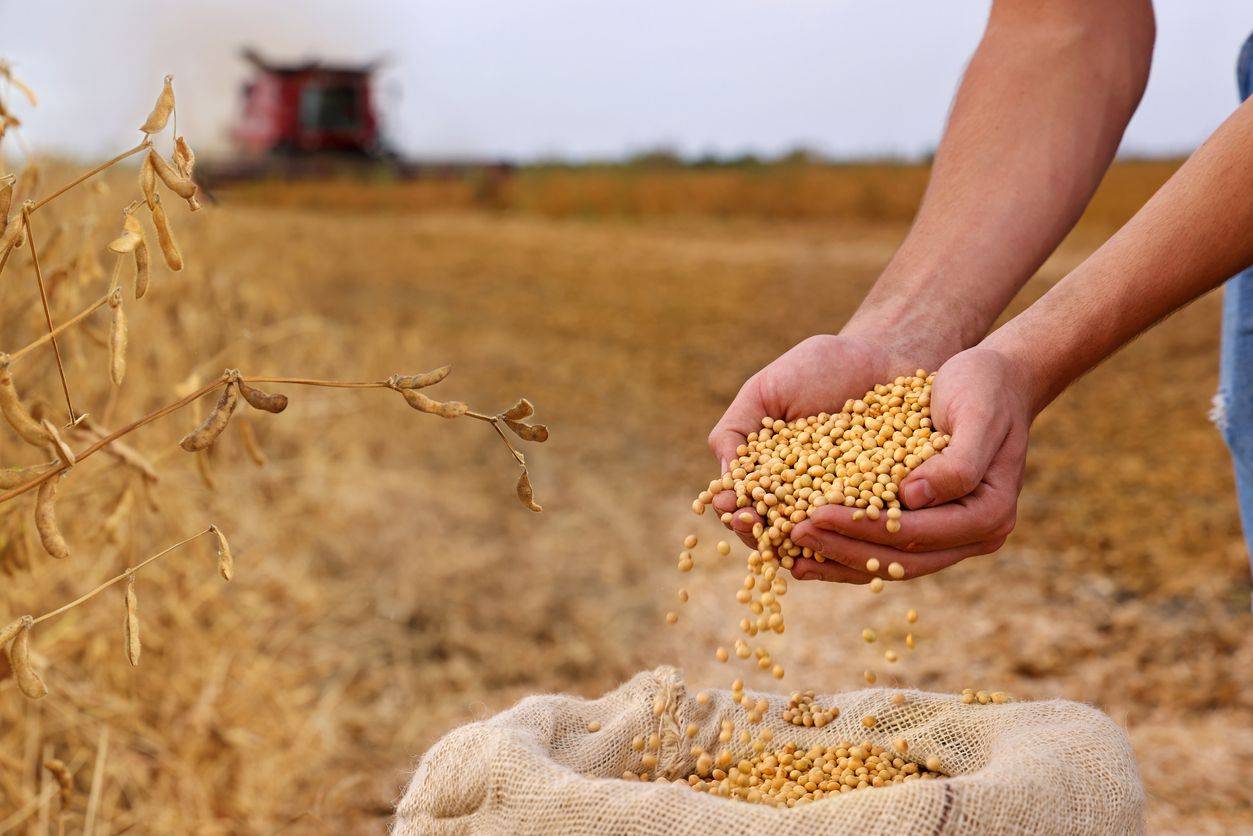
经济学家马光远:美国经济离开了中国,他们国会议员的妻子要全裸
Sou Hu Cai Jing· 2025-10-05 08:06
Core Viewpoint - The economic relationship between the United States and China is deeply interdependent, with significant implications for both countries' economies and global trade dynamics [1][4][13]. Trade Relations - In 2023, the trade deficit of the U.S. with China reached $382 billion, primarily due to China's strong manufacturing capabilities and the U.S. consumer preference for affordable goods [1][3]. - China is the largest buyer of U.S. soybeans, importing 30 million tons in 2023, highlighting the bilateral nature of trade [3]. - The U.S. economy is heavily reliant on Chinese imports, with 60% of clothing and nearly 90% of electronics being sourced from China [3][10]. Economic Impact of Trade War - The trade war initiated by the U.S. in 2018 led to increased prices for American consumers and disrupted supply chains, while China's retaliatory tariffs also affected U.S. exports [1][4]. - Economic analyses suggest that a complete decoupling could shrink U.S. GDP by 5% and China's by 3% [4]. Manufacturing and Employment - In 2023, manufacturing employment in the U.S. accounted for only 8% of total jobs, compared to 28% in China, indicating a significant disparity in manufacturing capacity [1][6]. - The U.S. faces challenges in bringing back manufacturing due to high labor costs and strict environmental regulations [1][6]. Future Outlook - The future of U.S.-China trade relations hinges on consumer behavior and economic policies, with predictions of rising unemployment and inflation in the U.S. [8][11]. - Long-term economic interdependence suggests that both countries have complementary strengths, with China focusing on industrial upgrades and the U.S. on innovation [12]. Conclusion - The interdependence between the U.S. and China underscores the importance of rational engagement over confrontation, as both economies benefit from their trade relationship [12][13].
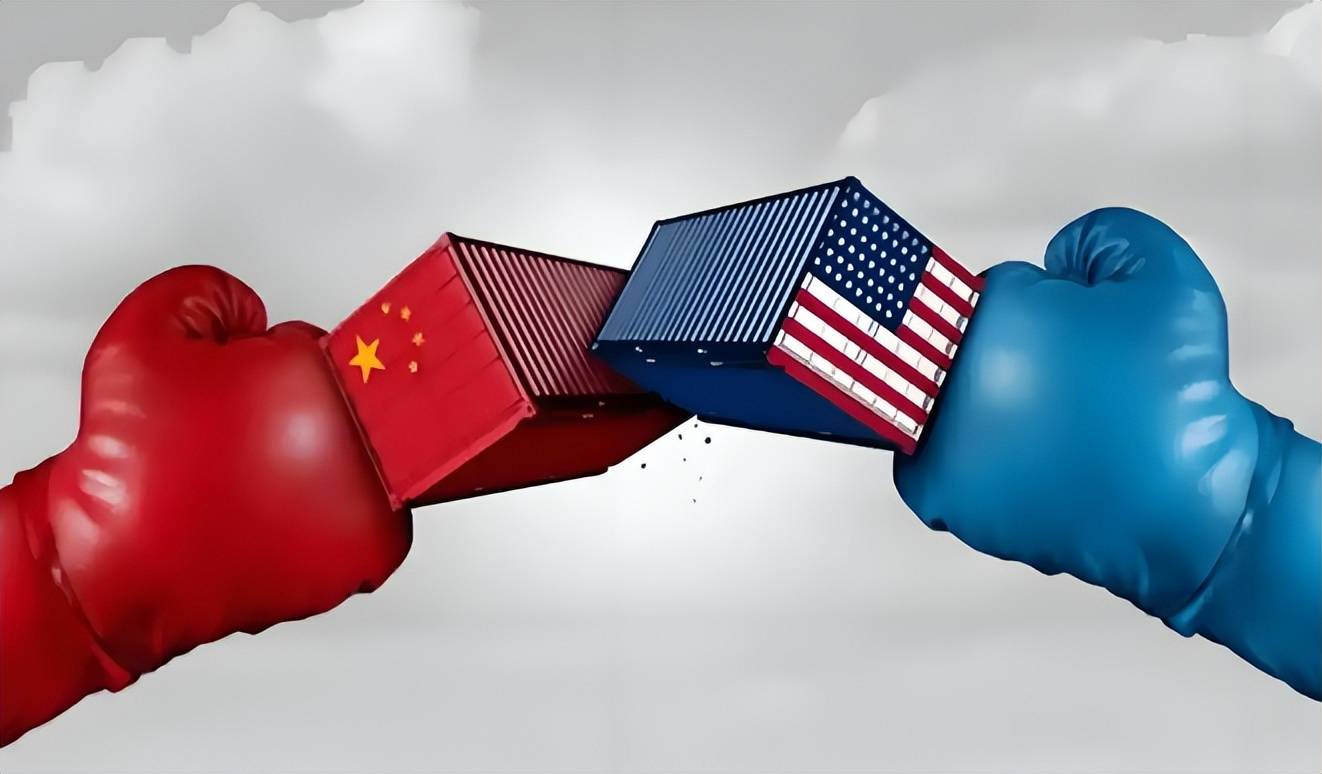
特朗普还在等中方订单,阿根廷突然背刺美国,转身把大豆卖给中国
Sou Hu Cai Jing· 2025-10-05 02:42
Core Insights - Argentina's decision to export soybeans to China is perceived as a betrayal of the U.S. during a time when American farmers have not received orders from China for nearly five months, highlighting the competitive dynamics in the global soybean market [1][3] Group 1: Argentina's Export Strategy - The Argentine government has temporarily eliminated export taxes on soybeans, corn, wheat, and by-products to stimulate agricultural exports, leading to a significant increase in sales [3] - Argentina's soybean export tax was previously as high as 26%, and the recent tax reduction has attracted overseas buyers, resulting in $7 billion in sales within just two days [3] - The volume of soybeans exported during the November to December shipping period reached 2.66 million tons, accounting for over half of the total soybean export registrations during the tax exemption period, with most of these exports directed to China [3] Group 2: Impact on U.S. Agriculture - The shift in soybean supply from the U.S. to Argentina and Brazil has caused a decline in U.S. soybean prices and has provided China with leverage in tariff negotiations with the U.S. [5] - U.S. agricultural stakeholders have expressed strong dissatisfaction with the situation, as the trade between China and Argentina is causing economic losses for U.S. agricultural exports [5] - The difficulty for the U.S. to regain its market share in soybean exports to China is expected to increase, as the new supply chain established by Argentina and Brazil may become entrenched [5] Group 3: Political Ramifications - The situation poses a risk to the political standing of the Trump administration, as U.S. farmers in the Midwest are a crucial voter base, and failure to address the soybean export challenges could lead to electoral losses [7] - Continuous declines in soybean futures prices and unfavorable federal fiscal conditions may further complicate the Republican Party's prospects in upcoming elections [7]
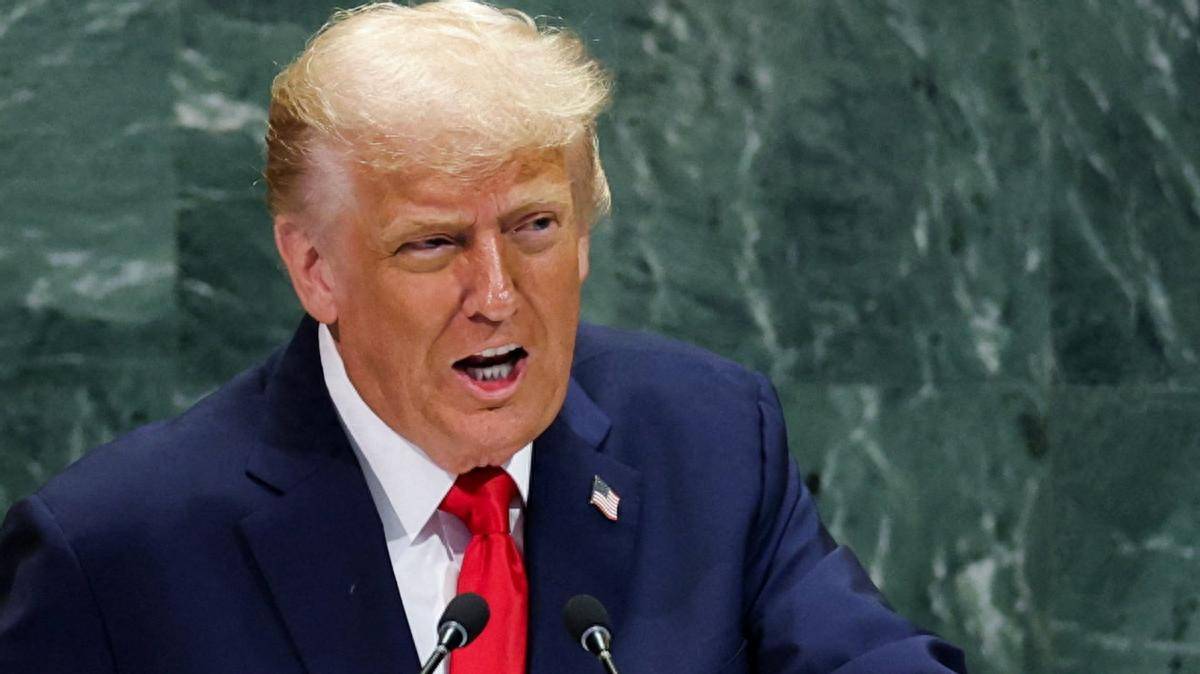
美国大豆滞销后,特朗普通知中国,谈判议题变了,谢锋说了12个字
Sou Hu Cai Jing· 2025-10-03 20:04
Core Viewpoint - The U.S. soybean market is facing unprecedented challenges due to the lack of Chinese purchases, which has historically accounted for over 60% of U.S. soybean exports. This situation has led to significant price drops and dissatisfaction among American farmers, who are now struggling with unsold crops and financial losses [1][3][5]. Group 1: Market Dynamics - Since May, China has not purchased any U.S. soybeans, marking the first time in nearly 30 years that this has occurred [1][3]. - The price of soybeans has fallen below production costs, causing distress among farmers as they face unsold crops that are beginning to spoil [5][31]. - South American countries, particularly Brazil and Argentina, have capitalized on this situation by increasing their exports to China, with Brazil exporting 40 shipments of soybeans in September alone [7][25]. Group 2: Trade Relations and Policies - The U.S.-China trade war has severely impacted American soybean farmers, who are now calling out the Trump administration's tariff policies as detrimental to their livelihoods [3][5]. - China has shifted its strategy to reduce reliance on U.S. soybeans by adjusting feed formulations and increasing imports from South America [9][38]. - Trump's administration has attempted to leverage the soybean issue in trade negotiations, demanding that China quadruple its soybean purchases, which has been met with firm resistance from Chinese officials [21][23]. Group 3: Farmer Sentiment and Response - American farmers are expressing their frustration through protests, with many stating that they will not support the Republican Party in future elections due to the negative impact of tariffs on their industry [27][32]. - The U.S. Department of Agriculture's promised subsidies are seen as insufficient to address the core issue of unsold soybeans, leading to a lack of trust among farmers [13][14]. - Farmers are increasingly concerned that if the situation does not improve, they may not plant soybeans in the next season, indicating a potential long-term decline in U.S. soybean production [32][41]. Group 4: Future Outlook - The upcoming ASEAN summit may present an opportunity for U.S.-China trade negotiations, but the outcome will depend on whether the U.S. continues to use tariffs as leverage [34][36]. - China's ongoing agricultural cooperation initiatives with various countries are likely to diversify its soybean import sources, further diminishing the U.S. market share [38][39]. - If the U.S. maintains its current trade approach, it risks losing not only the soybean market but also other agricultural exports to China, which could have severe implications for American farmers [41][43].
美国农业再传噩耗:对华出口锐减,特朗普却补贴阿根廷
财富FORTUNE· 2025-10-03 13:12
Core Viewpoint - The U.S. agricultural sector, particularly soybean farmers, is facing significant challenges due to the U.S. government's recent economic support to Argentina, which has led to increased competition in the soybean market and a decline in U.S. soybean exports to China [1][3][4]. Group 1: Economic Support to Argentina - The U.S. Treasury Secretary announced a plan to establish a $20 billion currency swap line with Argentina to stabilize its economy, which has angered American farmers [1]. - Argentina has suspended export taxes on soybeans and increased trade with China, resulting in at least 10 shipments of soybeans being ordered by China [1]. Group 2: Impact on U.S. Soybean Farmers - U.S. soybean prices have dropped approximately 40% from their peak in 2022, leading to significant financial strain on farmers [3]. - The U.S. Department of Agriculture reported that U.S. soybean exports to China have ceased since May, exacerbating the financial difficulties for American farmers [1][3]. Group 3: Historical Context and Market Share Loss - The U.S. agricultural sector has not fully recovered from the trade war's impact, which resulted in a $27 billion loss in agricultural exports and a drop in market share to 19% in the Chinese soybean market [4]. - Brazil's share of soybean imports in China has surged to 71% by 2024, compared to just 2% 30 years ago, indicating a significant shift in market dynamics [1][4]. Group 4: Future Prospects and Innovations - U.S. soybean growers are attempting to innovate and establish profitable systems outside of the Chinese market, such as developing soybean processing products for domestic sales [5]. - The U.S. government has previously provided $28 billion in aid to farmers, but experts suggest that regaining lost market share will be a long and challenging process [6].

别笑特朗普卖大豆,能掐住美国七寸的,不是芯片,而是小小的黄豆
Sou Hu Cai Jing· 2025-10-03 11:55
Core Insights - The article discusses the impact of the US-China trade war on the soybean market, highlighting the shift in China's soybean sourcing from the US to Brazil, which has significant implications for US farmers and the political landscape in the Midwest [1][3][15] Economic Impact - The US soybean market heavily relies on exports, with China previously accounting for up to 60% of US soybean exports. However, this share has dropped to 18% as Brazil has become the largest supplier to China [3] - In 2025, despite a bumper crop in the US, soybean prices are expected to plummet, leading to a significant reduction in farmers' incomes [5] - The political ramifications are evident as key Republican states, which are major soybean producers, are experiencing discontent among farmers towards Trump's policies [5][7] Political Dynamics - The article notes that the US government has attempted to mitigate the situation by negotiating trade agreements that require other countries to purchase US agricultural products, but these measures have proven ineffective [7][9] - The Republican Party is considering reallocating funds from nutritional assistance to support farmers, but this aid may not arrive in time to address immediate concerns [9] Global Market Dynamics - The US is the second-largest producer and exporter of soybeans, traditionally holding significant pricing power in the global market. However, major grain companies dominate over 80% of the global grain trade, influencing soybean prices [11] - China is actively working to increase its influence in the soybean market by developing its futures market and diversifying its import sources beyond the US, including Brazil, Argentina, and Russia [13][15] Future Outlook - The article suggests that as China continues to diversify its soybean imports and enhance its domestic production capabilities, the US's reliance on the Chinese market may diminish, altering the global agricultural trade landscape [15]
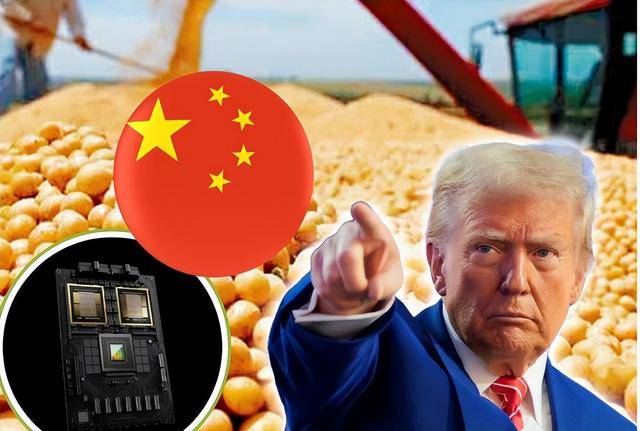
美国变脸了,特朗普打法升级,大批中企受到牵连,我方预告反击战
Sou Hu Cai Jing· 2025-10-03 06:23
Core Viewpoint - The ongoing trade negotiations between the US and China remain fraught with uncertainty, as recent actions by the US government suggest a potential escalation in trade tensions, particularly through new export control regulations targeting Chinese technology companies [3][5][8]. Group 1: US Actions - The US Department of Commerce has introduced new export control regulations that require similar restrictions on subsidiaries of companies listed on the "entity list," aimed at preventing sanctioned firms from acquiring restricted products through third-party channels [3][5]. - This move is perceived as an effort to tighten technology access for Chinese firms, reflecting US concerns over China's rapid advancements in military and high-tech sectors [5][6]. - The US government's actions are seen as a response to China's recent military displays, including the unveiling of a new aircraft carrier, which have heightened US anxieties regarding China's technological progress [6][8]. Group 2: Impact on China - China has developed alternative technologies in sectors like semiconductors and artificial intelligence, reducing its reliance on US technology, which may undermine the effectiveness of US sanctions [8]. - The US's aggressive stance could inadvertently harm its own supply chain, as American suppliers face the risk of losing access to the Chinese market, leading to increased costs and delays [8]. - In response to US sanctions, China may implement countermeasures, such as restricting exports of strategic resources like rare earth elements, which could significantly impact US military and high-tech industries [8]. Group 3: Political Implications - The trade tensions have broader implications for US domestic politics, particularly affecting American farmers who have been impacted by China's reduced imports of US agricultural products, such as soybeans [6][8]. - The potential economic struggles of farmers could influence voter support for the Trump administration, prompting a need for a strategic approach to negotiations with China [6]. Group 4: Future Outlook - The future of US-China trade relations is uncertain, with the possibility that continued US pressure could provoke a stronger Chinese response, potentially accelerating a technological decoupling between the two nations [8].

5亿美元到手,巴铁带稀土进白宫,特朗普满脸笑容,印度被将一军
Sou Hu Cai Jing· 2025-10-01 15:25
Group 1 - The meeting between US President Trump and Pakistani Prime Minister Shehbaz, along with military leaders, focused on Pakistan's rare earth minerals and resources, indicating a potential interest from the US in these assets [1] - The US has been seeking to reduce its dependence on Chinese rare earth supplies due to trade tensions, leading to negotiations with various countries, including Pakistan, for resource cooperation [3] - Pakistan has signed a $500 million trade agreement with the US, allowing American companies to mine and process critical minerals, including rare earths, and to expand logistics infrastructure [3] Group 2 - Despite the cooperation with the US, Pakistan maintains a strong relationship with China, which is viewed as a more reliable ally due to geographical proximity and historical ties [5] - The warming of US-Pakistan relations may negatively impact US-India relations, as India has expressed dissatisfaction with the US's engagement with Pakistan and has faced increased tariffs from the US [7] - The contrasting attitudes of India and Pakistan towards US mediation in regional conflicts have further strained US-India relations, with India rejecting Trump's role as a neutral mediator [7]

特朗普大概没料到,中方态度如此强硬,4个月不买一颗美国大豆
Sou Hu Cai Jing· 2025-09-30 03:20
Core Viewpoint - The article discusses the significant impact of China's refusal to purchase U.S. soybeans, which has led to economic distress for American farmers and potential political repercussions for the Trump administration [1][3]. Economic Impact - Since May, China has ceased importing U.S. soybeans, opting instead to source from South America, resulting in a surplus of soybeans in the U.S. and a continuous drop in prices [1]. - The Purdue University report indicates that the number of bankruptcies among small farms and fisheries in the U.S. is expected to reach the highest level since 2020 by mid-2025 [3]. - The U.S. Department of Agriculture forecasts that agricultural debt will soar to $561.8 billion this year, placing immense financial pressure on farmers [3]. Political Consequences - The refusal to buy U.S. soybeans has broader implications for the political landscape, particularly affecting key states that are crucial for Trump's support, such as Iowa and Illinois [3][5]. - Discontent among farmers is rising, with agricultural lobbying groups that previously supported Trump now publicly criticizing the administration's tariff policies as the root cause of their struggles [5][6]. Government Response - In response to the growing unrest among farmers, the Trump administration has not altered its strategy towards China but is considering using tariff revenues to subsidize agriculture, claiming it is a temporary measure that will ultimately benefit farmers [7]. - Despite optimistic statements from the Agriculture Secretary about future improvements, the current situation of unsold soybeans and increasing bankruptcies suggests that the administration's approach may not effectively alleviate farmer grievances [7]. Trade Dynamics - Unlike the initial stages of the trade war in 2018, China has prepared for U.S. pressure and has effectively retaliated, demonstrating that unilateral pressure cannot resolve trade issues and that cooperation and dialogue are necessary [8][10].
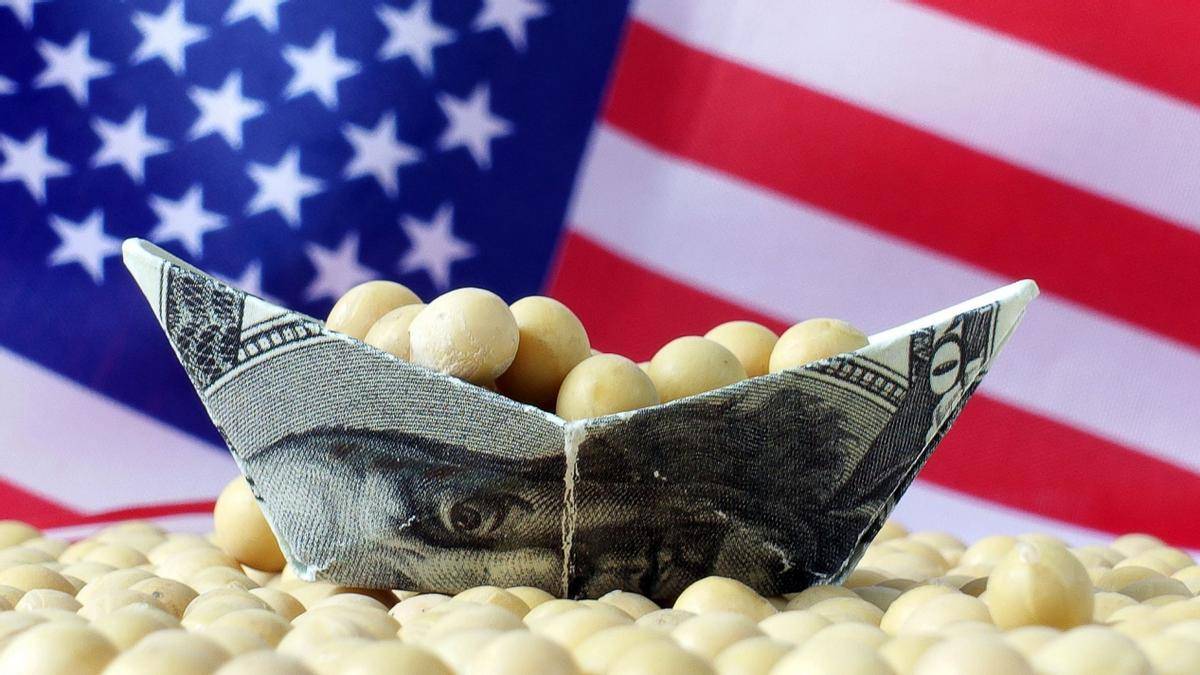
中美贸易战重启?美国新制裁瞄准中国芯片?中国或用稀土还击?
Sou Hu Cai Jing· 2025-09-29 22:18
Core Viewpoint - The recent expansion of U.S. export controls against Chinese companies indicates a potential restart of the U.S.-China trade war, particularly focusing on the semiconductor industry [1][3][8]. Group 1: U.S. Export Control Regulations - The U.S. Department of Commerce has introduced new "penetrating export control rules" that expand the restricted export list to include subsidiaries owned 50% or more by blacklisted entities [6][14]. - This regulation requires U.S. exporters to obtain licenses to ship goods or technology to these subsidiaries, significantly increasing the number of companies needing licenses to access U.S. goods and services [6][15]. Group 2: Targeted Impact on Chinese Companies - The new sanctions specifically target companies in the semiconductor and chip manufacturing sectors, indicating a strategic focus on limiting China's advancements in these critical technologies [8][12]. - The rules are expected to increase compliance risks and operational uncertainties for Chinese companies attempting to navigate U.S. sanctions through normal business arrangements [15]. Group 3: Responses and Reactions - The Chinese Ministry of Commerce has condemned the U.S. measures as an abuse of export controls and a threat to international trade order, asserting that it undermines the legitimate rights of affected enterprises [16][18]. - China is considering potential countermeasures, including restrictions on U.S. access to critical minerals like gallium and germanium, as well as retaliatory trade measures against U.S. entities that harm Chinese interests [20][22].