
城乡融合发展

Search documents
陈刚:突出抓好“十个一”具体工作,推动县域与城市双向奔赴相互赋能
Guang Xi Ri Bao· 2025-12-25 01:57
Core Viewpoint - The meeting focused on the high-quality development of county economies and urban work, emphasizing the importance of integrating urban and county economic development as a key support for China's modernization and improving people's living standards [2][3]. Group 1: Economic Development - County economies are fundamental units of the national economy, while cities serve as vital carriers for modernization, both being essential for the realization of China's modernization blueprint [2]. - The region has seen significant improvements in urban quality and sustained vitality in county economies, leading to better living conditions and social stability, although challenges remain [2][3]. Group 2: Strategic Initiatives - The meeting outlined a collaborative approach to advance the development of central cities alongside the rise of county economies, focusing on functional collaboration and the smooth circulation of urban and rural economies [3][4]. - Specific strategies include developing a county-centered industrial integration plan, enhancing local特色产业, and improving public services and infrastructure [4][5]. Group 3: Implementation and Governance - Emphasis was placed on the need for effective governance and the establishment of a smart social governance network, integrating artificial intelligence to enhance social management [4][6]. - The meeting called for a comprehensive approach to financial management, ensuring the quality of fiscal revenue while controlling new hidden debts [4][6].
全区县域经济高质量发展暨城市工作会议召开
Xin Lang Cai Jing· 2025-12-24 23:56
Core Viewpoint - The meeting emphasized the importance of county-level economic development and urban work as key components of China's modernization and the well-being of its people, highlighting the need for coordinated efforts in these areas [2][3]. Group 1: Economic Development - County-level economy is identified as a fundamental unit of the national economy, while cities serve as vital carriers for modernization [2]. - The region has seen significant improvements in urban quality and sustained vitality in county economies, contributing to a stable and prosperous society [2]. - There is a call for innovative thinking and collaborative development between urban and county economies, breaking away from traditional siloed approaches [2][3]. Group 2: Strategic Initiatives - The meeting outlined ten specific actions to enhance county-city integration, including developing a special plan centered on county towns and promoting local特色产业 [4]. - Emphasis was placed on upgrading infrastructure and public services, including the renovation of old neighborhoods and improvement of rural roads and utilities [4]. - The need for a comprehensive approach to rural revitalization and urbanization was highlighted, aiming for a new pattern of urban-rural integration [4]. Group 3: Governance and Policy - The importance of effective governance and financial management was stressed, including the need to control hidden debts and improve fiscal revenue quality [4]. - The meeting called for the integration of artificial intelligence in social governance to enhance public safety and community management [4]. - A commitment to strict party governance was reiterated as a fundamental guarantee for achieving high-quality economic development [4][5].
【申万宏源脱水研报】中央经济工作会议的十大亮点——12月中央经济工作会议学习理解
申万宏源研究· 2025-12-24 02:56
Core Viewpoint - The article presents a more optimistic outlook on the fiscal and monetary policy statements from the recent economic work conference compared to market expectations, highlighting the expanded role of the central bank in promoting economic stability and reasonable price increases [1]. Summary by Sections Economic Policy Direction - The 2025 Central Economic Work Conference emphasizes five "musts" that align with the 2024 "overall" strategies, focusing on tapping economic potential and policy reform coordination, addressing the core issue of "strong supply but weak demand" [2]. - The fiscal policy continues to adopt a "more proactive" stance, maintaining necessary deficits and debt levels while focusing on local fiscal challenges and debt resolution [2]. - Monetary policy aims to stabilize growth and promote reasonable price increases, with plans to flexibly use tools like reserve requirement ratio (RRR) cuts and interest rate reductions [2]. Internal Demand and Reform - The conference underscores the importance of domestic demand, proposing measures to increase residents' income, enhance service consumption, and expand budgetary investments to stabilize consumption and investment [2]. - Deepening reform remains a priority, with initiatives to advance the construction of a unified national market and address "involution" competition [2]. Risk Management - The article discusses proactive measures to mitigate risks in key areas, particularly in real estate, with a three-pronged approach to address challenges and focus on active debt management and restructuring [2]. Comparison of Economic Work Conference Statements - A comparison of the statements from the December 2024 and December 2025 conferences reveals a consistent acknowledgment of the challenges posed by insufficient domestic demand and external environmental changes, while also highlighting the resilience and potential of the Chinese economy [3]. Fiscal and Monetary Policy Details - The fiscal policy will continue to be proactive, increasing the fiscal deficit rate and ensuring sustained fiscal strength, with a focus on enhancing spending in key areas and issuing special bonds [3]. - The monetary policy will maintain a moderately loose stance, utilizing various tools to ensure ample liquidity and support for key sectors such as technology innovation and small and micro enterprises [3]. Domestic Market and Innovation - The article emphasizes the need to build a strong domestic market by enhancing consumption and investment efficiency, implementing special actions to boost consumption, and increasing the income of low- and middle-income groups [3]. - It also highlights the importance of technological innovation in driving new productive forces and developing a modern industrial system [3]. Reform and Opening Up - The conference calls for significant reforms to enhance the vitality of high-quality development, including the deepening of state-owned enterprise reforms and the promotion of private sector growth [3]. - It stresses the importance of expanding high-level opening up to stabilize foreign trade and investment, while also promoting cooperation in various fields [3]. Urbanization and Rural Revitalization - The article discusses the need for coordinated development between urbanization and rural revitalization, emphasizing the importance of maintaining agricultural productivity and enhancing the competitiveness of the agricultural sector [3].

补齐短板向新提质取得更大突破
Xin Lang Cai Jing· 2025-12-23 23:14
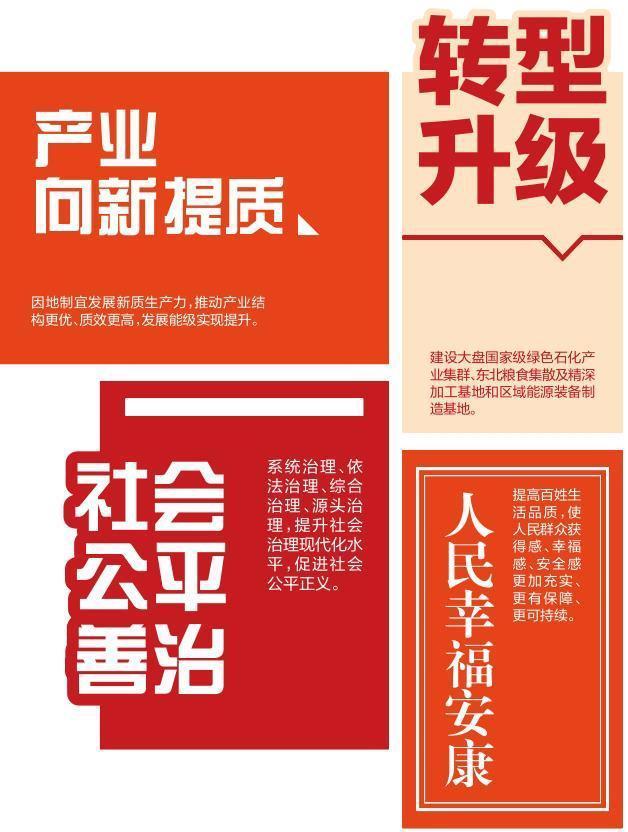
(来源:辽宁日报) 转自:辽宁日报 本报记者 王刚 核心提示 III SEE EF 生态立市,保护好红滩绿苇、雕琢好城乡风貌、改善好人居环境,绘就美 丽盘锦新画卷。 TTATION 统筹推进新型城镇化和乡村全面振兴, 城乡融合工作再上新台阶,为实现共同 富裕打牢基础。 展望"十五五",盘锦市委形成判断:未来五年是盘锦实现高质量发展的重要关口,是全面振兴巩固拓展 优势、破除瓶颈制约、补强短板弱项的重要机遇期、关键窗口期、稳固提升期。 围绕"十五五"时期经济社会发展前景,结合市情,盘锦市认真落实省委要求,在此前提下,更加注重资 源统筹、更加注重问题攻坚、更加注重补齐短板。努力实现各领域系统性突破、整体性提升,在高质量 发展中塑造优势、掌握主动、赢得未来。一步一个脚印地把"产业向新提质、城乡秀美宜居、社会公平 善治、人民幸福安康"振兴发展新图景转变为美好现实。 紧扣高质量发展主题,盘锦市提出"十五五"时期盘锦经济社会发展的主要目标:到2030年,全市经济实 力实现晋升,创新驱动更加有力,公共服务发展水平大幅提高,维护国家"五大安全"能力明显提升,全 面振兴取得更大突破,形成产业向新提质、城乡秀美宜居、社会公平善治、 ...
住建部最新发声:房地产仍有较大发展潜力
Di Yi Cai Jing Zi Xun· 2025-12-23 05:09
12月22日至23日,全国住房城乡建设工作会议在北京召开。会议指出,2026年,要着力抓好4方面工 作。 ——推进现代化人民城市建设,重点是:高质量开展城市更新,编制实施"十五五"城市更新专项规划, 抓好城市体检、更新试点,实施一批民生工程、发展工程、安全工程。以"绣花"功夫精细化推进城镇老 旧小区改造、完整社区建设、口袋公园建设、绿地开放共享、"温暖工程"建设、城市小微公共空间改 造,提升无障碍适老化环境品质。高质量实施"两重"、"两新"项目建设,持续开展地下管网改造和综合 管廊建设,常态化推进城市燃气管道老化更新改造,力争完成改造各类燃气管道3万公里。积极开展新 型城市基础设施建设。持续建设城市排水防涝工程体系、城市基础设施生命线安全工程;高效能推进城 市治理,推动建立城市管理统筹协调机制,发挥好"一委一办一平台"作用,深入开展城市管理进社区工 作,运用好"吹哨报到"、"接诉即办"等工作机制,深化城市管理和执法体制改革,持续推进城市管理执 法队伍标准化规范化建设;高标准建设文明城市,完善历史文化保护传承体系,全力抓好老城区和老街 区专项调查,深入开展国家历史文化名城专项评估和监测,完善城市风貌管理制度,以 ...
农贸大集里升腾着乡村振兴烟火气
Xin Lang Cai Jing· 2025-12-22 23:27
(来源:河北日报) 转自:河北日报 乡村消费的兴起,从来不是单一业态的成功,而在于找到了传统文化资源与现代市场需求的契合点。从 贵州"村BA""村超"激发地方活力,到福建泉州簪花围带火古老渔村,再到如今各地农贸大集频频"出 圈",这些案例无不说明:乡村固有的烟火气、人情味、地域特色文化,本身就是宝贵的发展资源。推 进乡村全面振兴,有时正需要一双"发现的眼睛",通过场景营造、互动参与、传播创新,让沉睡的乡土 资源"活"起来、"潮"起来,转化为可体验、可分享、可持续的消费产品。 让农贸大集的烟火气持久升腾,关键在于做好流量转化为"留量"的文章。如何避免过度商业化侵蚀原有 的乡土氛围,如何保障消费体验与食品安全,如何让短期热度转化为村民长期稳定增收的动能,这是曹 洼大集以及所有网红大集都需要面对的问题。回答好这些问题,要守护乡村本真底色,也要提升服务管 理水平,推动传统大集实现现代化升级。 人间烟火气,最抚凡人心,也汇聚发展力。当城市与乡村双向奔赴、彼此照亮,便能打开更广阔的发展 空间,让乡土间升腾的烟火气不断汇聚成振兴的强劲动能。 在线上购物高度发达的今天,一个"土味"十足的农贸大集,何以吸引如此多人走向线下、跨 ...
人大常委会 | 报告显示我国城乡要素流动更加顺畅
Xin Hua She· 2025-12-22 16:12
报告指出,城乡基本公共服务配置更加优化。累计建成1.5万个城乡学校共同体,基本实现县域内义务 教育学校校长教师交流轮岗常态化。全国共有2199个县域开展紧密型县域医共体建设运行,县级医院医 务人员长期派驻乡镇卫生院加快推进。90%以上的乡镇卫生院达到服务能力标准,超过97%的行政村实 现医保定点村卫生室覆盖。 (文章来源:新华社) 新华社北京12月22日电(记者魏玉坤、戴锦镕)国务院关于建立健全城乡融合发展体制机制工作情况的 报告22日提请全国人大常委会会议审议。报告显示,我国城乡要素流动更加顺畅。 报告指出,城区常住人口300万以下城市落户限制基本取消,城区常住人口300万至500万城市落户条件 进一步放宽,超大特大城市积分落户政策不断优化。城镇基本公共服务覆盖范围持续扩大,义务教育阶 段随迁子女在公办学校就读或享受政府购买民办学校学位比例提高到97%。培育高素质农民近500万人 次、农村实用人才带头人25万余人,返乡创业人员超过1430万人。 城乡基础设施联通水平稳步提升。报告显示,超过三分之二省份实现县县通高速公路,具备条件的乡镇 和建制村全部通硬化路、通客车。农村自来水普及率达到94%,规模化供水工程 ...
报告显示我国城乡要素流动更加顺畅
Xin Hua She· 2025-12-22 15:02
新华社北京12月22日电(记者 魏玉坤、戴锦镕)国务院关于建立健全城乡融合发展体制机制工作 情况的报告22日提请全国人大常委会会议审议。报告显示,我国城乡要素流动更加顺畅。 报告指出,城区常住人口300万以下城市落户限制基本取消,城区常住人口300万至500万城市落户条件 进一步放宽,超大特大城市积分落户政策不断优化。城镇基本公共服务覆盖范围持续扩大,义务教育阶 段随迁子女在公办学校就读或享受政府购买民办学校学位比例提高到97%。培育高素质农民近500万人 次、农村实用人才带头人25万余人,返乡创业人员超过1430万人。 城乡基础设施联通水平稳步提升。报告显示,超过三分之二省份实现县县通高速公路,具备条件的乡镇 和建制村全部通硬化路、通客车。农村自来水普及率达到94%,规模化供水工程覆盖农村人口比例达到 65%。农村电网平均供电可靠率达到99.9%,行政村100%通宽带、90%以上通5G网络,建制村快递服务 覆盖率超过95%。农村生活垃圾村收集、镇转运、县处理等模式不断完善,对生活垃圾进行收运处理的 行政村比例保持在90%以上。农村卫生厕所普及率达到76%左右。 报告指出,城乡基本公共服务配置更加优化。累计建 ...
十四届全国人大常委会第十九次会议举行第二次全体会议 审议执法检查报告、专项工作报告等 赵乐际出席会议
Xin Hua She· 2025-12-22 13:17
Group 1 - The National People's Congress (NPC) Standing Committee held its 19th meeting, focusing on the implementation of energy conservation and circular economy laws, highlighting achievements and challenges [2][3] - The energy conservation law has led to significant progress, with recommendations to strengthen energy-saving strategies and enhance management mechanisms [2] - The circular economy law has played a crucial role in promoting resource efficiency and ecological civilization, with suggestions for further development and legal framework improvements [2] Group 2 - The audit report indicated that by September 2025, issues amounting to 1.04 trillion yuan have been rectified, with over 1,090 institutional improvements made [3] - The Ministry of Finance reported on the allocation and use of higher education funds, emphasizing the need for a diversified funding model and improved management [3] - The Ministry of Science and Technology outlined plans to enhance the conversion of scientific achievements into practical applications, focusing on innovation and financial support [4] Group 3 - The report on urban-rural integration noted an increase in urbanization from 62.7% to 67% between 2019 and 2024, with a reduction in the income disparity between urban and rural residents [4] - The Ministry of Human Resources and Social Security highlighted the importance of flexible employment in increasing income for workers, proposing measures to protect their rights [5] - The legislative review process for 2025 received 2,309 regulatory documents, indicating active engagement in legal oversight and improvement [6]
中共武汉市委关于制定全市国民经济和社会发展第十五个五年规划的建议
Chang Jiang Ri Bao· 2025-12-22 08:49
Core Viewpoint - The "14th Five-Year Plan" period has seen significant achievements in Wuhan's development, with a focus on high-quality growth and resilience against challenges, setting the stage for the "15th Five-Year Plan" to further enhance the city's modernization and strategic position in the region [2][5]. Group 1: Achievements During the "14th Five-Year Plan" - Wuhan has experienced a remarkable economic recovery, with its GDP surpassing 2 trillion yuan, and key economic indicators maintaining leading growth rates among peer cities [2][5]. - The city has made substantial progress in establishing itself as a national center for technological innovation, with a notable increase in the number of academicians and significant breakthroughs in major independent innovations [2][5]. - Urban infrastructure and environmental quality have improved, with a successful reduction in major pollutants and the establishment of Wuhan as the world's first international wetland city with a population exceeding 10 million [2][5]. - Social welfare has been enhanced, with increased public service accessibility and a steady rise in per capita disposable income for residents [2][5]. Group 2: Strategic Opportunities and Challenges in the "15th Five-Year Plan" - The "15th Five-Year Plan" period is characterized by a critical phase for Wuhan, aiming to build five key centers and achieve significant advancements in modernization [4][5]. - The city is positioned to leverage strategic opportunities amid complex global changes, including technological revolutions and shifts in the geopolitical landscape [5][6]. - Despite the opportunities, challenges such as insufficient effective demand and the need for industrial transformation remain prominent [5][6]. Group 3: Development Goals and Principles for the "15th Five-Year Plan" - The guiding ideology for Wuhan's development emphasizes the integration of Marxist principles with Xi Jinping's thoughts, focusing on high-quality growth and comprehensive reforms [7][9]. - Key goals include achieving a GDP of over 3 trillion yuan, enhancing innovation capabilities, and establishing a modern industrial system [10][11]. - Principles such as maintaining party leadership, prioritizing people's needs, and fostering high-quality development are central to the city's strategy [9][10]. Group 4: Economic and Industrial Development Strategies - The plan emphasizes the importance of a modern industrial system, focusing on the integration of traditional industries with emerging sectors and future industries [13][14]. - Strategies include enhancing the competitiveness of existing industries, fostering new and future industries, and promoting the development of modern service sectors [15][16]. - The city aims to become a leader in the digital economy, with initiatives to integrate artificial intelligence across various sectors [16][18]. Group 5: Infrastructure and Urban Development - Urban development will focus on optimizing spatial layouts, enhancing infrastructure, and promoting sustainable urban renewal [34][35]. - The city plans to improve its transportation network, including the construction of high-speed rail and international logistics hubs [38][37]. - Efforts will be made to enhance the quality of urban management and public services, ensuring a high standard of living for residents [36][37].