
第三代半导体

Search documents
调研速递|中瓷电子接待国泰海通证券等23家机构 光模块陶瓷产品订单饱满 CPO基板三年量产可期(价值量亿元级)
Xin Lang Cai Jing· 2025-12-19 10:18
Group 1: Company Overview - Hebei Zhongci Electronic Technology Co., Ltd. (referred to as "Zhongci Electronics") conducted a specific object research activity on December 19, 2025, receiving 23 institutional investors including Guotai Junan Securities, Xinhua Fund, and others [1] Group 2: Core Business Progress - In the optical module ceramic business, Zhongci Electronics has sufficient orders and maintains high capacity utilization. The company is expected to enter a continuous growth phase in 2026 due to ongoing improvements in yield rates and an expansion plan to meet market demand [2] - For the 3.2T optical module supporting products, Zhongci Electronics has developed a mature supporting scheme to meet the needs of domestic and international users in power devices, data centers, and AI fields, and is advancing product development based on customer requirements [2] Group 3: CPO Field Development - In the CPO (Co-Packaged Optics) field, Zhongci Electronics is currently in the R&D phase for ceramic substrates, with mass production expected within three years, potentially reaching a value scale of over 100 million yuan [3] Group 4: SiC Business Progress - Subsidiary Guolian Wanzhong has made significant progress in the SiC power electronics sector, with its 8-inch SiC chip production line completing commissioning in October 2025 and achieving a capacity of 5,000 wafers per month. The existing 6-inch production line is expected to maintain the same capacity in 2026 [4] - Guolian Wanzhong has signed strategic cooperation agreements for its 1200V 10mΩ SiC MOS chips in electric vehicle applications, with multiple products achieving breakthroughs. The utilization rate of the new 8-inch production line has exceeded 60% and is expected to continue increasing [4] Group 5: Commercial Aerospace Business - Subsidiary Bowei Company has a clear layout in the commercial aerospace sector, with satellite communication RF devices and modules valued at tens of thousands to hundreds of thousands per satellite. The company is advancing technology in low-orbit satellite communication and drone applications [5] Group 6: Other Business Developments - In the precision ceramic components sector, Zhongci Electronics has achieved international standards for its ceramic heating plates and is in the mass supply phase for multiple products. Guolian Wanzhong is also targeting emerging fields such as AI data centers and drones, while Bowei Company is focusing on technological breakthroughs in next-generation communication scenarios [6]


燕东微跌2.03%,成交额1.90亿元,主力资金净流入97.07万元
Xin Lang Cai Jing· 2025-12-19 02:27
Core Viewpoint - Yandong Microelectronics has experienced a stock price increase of 35.01% year-to-date, but has recently seen a decline of 6.01% over the past five trading days, indicating volatility in its stock performance [2]. Group 1: Stock Performance - As of December 19, Yandong Microelectronics' stock price is 27.07 yuan per share, with a market capitalization of 38.646 billion yuan [1]. - The stock has seen a trading volume of 1.90 billion yuan, with a turnover rate of 0.87% [1]. - Year-to-date, the stock has risen by 35.01%, with a recent decline of 6.01% over the last five trading days [2]. Group 2: Financial Performance - For the period from January to September 2025, Yandong Microelectronics reported revenue of 1.167 billion yuan, reflecting a year-on-year growth of 18.03% [3]. - The company recorded a net profit attributable to shareholders of -13.4004 million yuan, which represents a year-on-year increase of 89.02% [3]. Group 3: Shareholder Information - As of September 30, 2025, the number of shareholders has increased by 24.34% to 21,200 [3]. - The average number of circulating shares per shareholder has decreased by 19.58% to 27,621 shares [3]. - The company has distributed a total of 47.9642 million yuan in dividends since its A-share listing [4]. Group 4: Institutional Holdings - As of September 30, 2025, Yandong Microelectronics' top ten circulating shareholders include Yongying Semiconductor Industry Smart Selection Mixed Fund, which holds 13 million shares, marking it as a new shareholder [4]. - The Jiashi Shanghai Stock Exchange Science and Technology Innovation Board Chip ETF has increased its holdings by 779,600 shares, now holding 6.4795 million shares [4].

科创新源涨2.01%,成交额1.63亿元,主力资金净流出93.91万元
Xin Lang Zheng Quan· 2025-12-19 02:02
Core Viewpoint - The stock of Shenzhen Kexin New Materials Co., Ltd. has shown significant growth this year, with a year-to-date increase of 137.99% and a recent surge in trading activity, indicating strong investor interest and market performance [1][2]. Group 1: Stock Performance - As of December 19, the stock price reached 51.24 CNY per share, with a trading volume of 1.63 billion CNY and a market capitalization of 6.478 billion CNY [1]. - The stock has experienced a 6.17% increase over the last five trading days, a 20.51% increase over the last 20 days, and a 3.06% increase over the last 60 days [1]. - The company has appeared on the "龙虎榜" (a trading board for stocks with significant trading volume) once this year, with a net buy of 27.9845 million CNY on August 6 [1]. Group 2: Company Overview - Shenzhen Kexin New Materials Co., Ltd. was established on January 10, 2008, and went public on December 8, 2017. The company specializes in the R&D, production, and sales of high-performance special rubber sealing materials [2]. - The main revenue sources include heat dissipation metal structural parts (56.03%), automotive sealing strips (16.51%), insulation and fireproof materials (13.65%), waterproof sealing materials (10.82%), and other products (2.98%) [2]. - The company operates within the basic chemical industry, specifically in rubber and other rubber products, and is associated with concepts such as 5G, IDC, third-generation semiconductors, and silicon carbide [2]. Group 3: Financial Performance - For the period from January to September 2025, the company achieved a revenue of 839 million CNY, representing a year-on-year growth of 41.45%, and a net profit attributable to shareholders of 27.0333 million CNY, reflecting a 153.29% increase [2]. - Cumulative cash dividends since the company's A-share listing amount to 87.2793 million CNY, with 22.7577 million CNY distributed over the past three years [3]. - As of September 30, 2025, the number of shareholders increased by 75.52% to 23,400, while the average circulating shares per person decreased by 43.03% to 5,131 shares [2].
GaN,生变
半导体行业观察· 2025-12-19 01:40
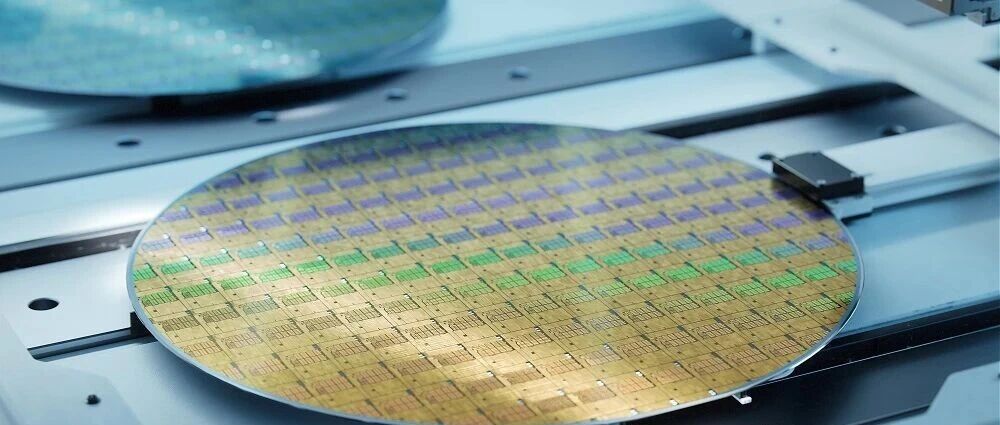
Core Viewpoint - The GaN market is experiencing a dramatic shift, with major players like NXP and TSMC withdrawing from GaN-related businesses, while other companies continue to invest heavily in GaN technology, indicating a complex interplay of market demand, business logic, and technological evolution [2][4][15]. Group 1: Major Players' Withdrawal - NXP has decided to close its ECHO wafer fab in Arizona, marking its exit from the GaN-based 5G power amplifier market due to disappointing market demand and low investment returns from 5G base station deployments [6][8]. - TSMC announced plans to gradually exit the GaN foundry business by 2027, citing low profitability and intense competition from lower-cost manufacturers [9][10]. - Wolfspeed sold its GaN RF business for $125 million, focusing instead on its SiC business due to declining market share and demand in the SiC sector [12][13]. Group 2: Market Dynamics and Opportunities - Despite the withdrawal of major players, companies like Infineon, Texas Instruments, and domestic firms such as Innoscience and Sanan continue to expand their investments in GaN technology, indicating a bifurcated market landscape [2][15][20]. - The GaN market is shifting from a focus on technological advancement to a competition based on market potential, engineering capabilities, and profitable business models [15][26]. - The power GaN market is projected to grow significantly, with a compound annual growth rate of 42%, reaching approximately $3.0 billion by 2030, driven by demand in sectors like electric vehicles and data centers [26][28]. Group 3: IDM vs. Foundry Models - The competition between IDM (Integrated Device Manufacturer) and foundry models is intensifying, with IDM firms like Infineon leveraging their vertical integration to optimize product performance and reliability [31][32]. - Foundry models, while allowing for rapid market entry and lower initial capital investment, face challenges in customization and supply chain stability, especially with the exit of key players like TSMC [31][32]. - The future of GaN technology may favor the IDM model due to its advantages in cost control and supply chain stability, although foundry models will still play a role in niche markets [33][34]. Group 4: Future Pathways for GaN - The industry is undergoing a profound restructuring, moving away from blind expansion towards a focus on specific market applications and sustainable business models [36][38]. - Cost efficiency is becoming a critical competitive factor, with Chinese manufacturers adopting strategies to lower production costs through large-scale production [37]. - The GaN industry is expected to see increased consolidation, with smaller firms facing challenges in a market that favors those with scale and technological advantages [39].





盐城高新区打造电子信息产业高地
Xin Hua Ri Bao· 2025-12-18 06:40
Core Viewpoint - The electronic information industry is a key focus for Yancheng City, with the Yancheng High-tech Zone positioning it as the leading industry, aiming for integrated development and a new industrial ecosystem [1] Group 1: Industry Development - The Yancheng High-tech Zone has gathered over 130 key enterprises in the electronic information sector, accounting for one-quarter of the city's industrial scale, rapidly becoming a new hub for the Yangtze River Delta electronic information industry [1] - The zone has made significant advancements in flexible electronics, optical displays, and third-generation semiconductors, with a focus on innovation and service quality [2] - The establishment of a 300,000 square meter artificial intelligence park and the Yancheng Supercomputing Center supports the rapid development of the AI industry in the region [2] Group 2: Technological Advancements - Yancheng High-tech Zone has transitioned from being a "follower" to a "leader" in the industry, focusing on new sectors such as third-generation semiconductors, artificial intelligence, and automotive electronics [2] - Collaborations with national research institutions have led to the establishment of innovation centers, enhancing the integration of technology and industry [3] - The zone has developed a comprehensive industrial chain, from flexible electronics to precision manufacturing and integrated circuits, fostering a collaborative ecosystem [2][3] Group 3: Policy and Support - The Yancheng High-tech Zone has been recognized as a national-level green industrial park and a provincial "dual carbon" pilot area, providing platforms to meet major project needs [3] - The zone actively supports the growth of enterprises through standardized administrative approval processes and the establishment of special funds [3] - The electronic information industry is focusing on international cooperation to enhance industrial scale and development capabilities, promoting mutual benefits and a collaborative industrial ecosystem [3]
云南锗业涨2.30%,成交额5.59亿元,主力资金净流入2432.11万元
Xin Lang Cai Jing· 2025-12-18 03:46
Company Overview - Yunnan Ge Industry Co., Ltd. is located in Kunming, Yunnan Province, and was established on August 19, 1998, with its listing date on June 8, 2010 [2] - The company specializes in the mining, enrichment, purification, and deep processing of germanium, with main products including zone-refined germanium ingots, infrared-grade germanium single crystals, and germanium lenses [2] - The primary application fields for its products include infrared optics and solar cells [2] Financial Performance - For the period from January to September 2025, Yunnan Ge Industry achieved operating revenue of 799 million yuan, representing a year-on-year growth of 58.89% [2] - The net profit attributable to the parent company was 18.15 million yuan, a year-on-year decrease of 38.43% [2] - Cumulative cash dividends since the A-share listing amount to 179 million yuan, with 32.66 million yuan distributed over the past three years [3] Shareholder Structure - As of September 30, 2025, the number of shareholders was 86,500, a decrease of 14.30% from the previous period [2] - The average circulating shares per person increased by 16.69% to 7,549 shares [2] - The top three circulating shareholders include Hong Kong Central Clearing Limited, which increased its holdings by 10.59 million shares, and two ETFs, with one decreasing its holdings by 4,950 shares [3] Market Performance - On December 18, Yunnan Ge Industry's stock price rose by 2.30% to 28.05 yuan per share, with a trading volume of 559 million yuan and a turnover rate of 3.10% [1] - The stock has increased by 48.65% year-to-date, but has seen a decline of 9.28% over the last five trading days [1] - The company has appeared on the "Dragon and Tiger List" three times this year, with the most recent instance on November 7, where it recorded a net buy of -194 million yuan [1]

从“单点突破”到“全链生态” 盐城高新区打造电子信息产业高地
Xin Hua Ri Bao· 2025-12-17 23:01
Core Viewpoint - The 2025 Electronic Information Industry Development Conference highlighted the strategic focus of Yancheng High-tech Zone on the electronic information industry, aiming to create a collaborative industrial ecosystem and attract global enterprises to build a "highland of industrial ecology" [1] Group 1: Industry Development - The electronic information industry is a key focus for Yancheng, with the high-tech zone positioning it as the "primary industry" and promoting concentrated project development and industrial clustering [1] - Over the past decade, the high-tech zone has attracted over 130 key enterprises in the electronic information sector, accounting for one-quarter of the city's industrial scale, establishing itself as a new hub in the Yangtze River Delta [2] Group 2: Technological Advancements - Yancheng High-tech Zone has made significant strides in flexible electronics, with companies like Weixin Electronics leading in flexible circuit board production, achieving an annual capacity of 4 million square meters and holding the top market share in China [2] - The zone is also advancing in areas such as third-generation semiconductors, artificial intelligence, and automotive electronics, with the establishment of a 300,000 square meter AI port and inclusion in national AI public computing platforms [2][3] Group 3: Innovation and Collaboration - The high-tech zone emphasizes the integration of technology and industry, with initiatives like the establishment of the Yancheng Flexible Electronics Technology Application Innovation Center in collaboration with national laboratories [3] - The zone has been recognized as a national-level green industrial park and is actively supporting enterprise growth through standardized administrative approvals and dedicated funding [3]
宏微科技20251217
2025-12-17 15:50
Summary of Macro Micro Technology Conference Call Company Overview - **Company**: Macro Micro Technology - **Focus Areas**: - Industrial Control (Engineering machinery, servo motors, etc., accounting for nearly 50%) - New Energy Generation (Photovoltaic inverters and energy storage devices, approximately 30%, core clients include Huawei) - New Energy Vehicles (Main drive HPD modules, expected to install nearly 1 million vehicles in 2024) [2][3] Key Business Insights - **Revenue Composition**: - Industrial Control: Nearly 50% of revenue - New Energy Generation: About 30% of revenue - New Energy Vehicles: 2023 installation volume over 400,000 vehicles, expected to double in 2024 [3] - **Growth Projections**: - Industrial Control business expected to grow approximately 30% in 2026, driven by power supply and UPS products [4][15] - New Energy Vehicle sector expected to see revenue double in 2026, despite potential small losses due to capacity ramp-up and capital expenditures [4][17] Product Development and Innovations - **GaN Devices**: - GaN devices have completed R&D and are in sample testing, showing low loss and high power density advantages in humanoid robot joint controllers [2][6] - Expected small batch production in 2026, with demand from several hundred to potentially thousands of units [7] - **SiC Products**: - SiC samples sent to NVIDIA supply chain, with collaborations with Eaton and others for joint research [2][13] - SiC product gross margin currently around 25%, but may face a 10% price drop due to market fluctuations [18] Strategic Collaborations - **Nuclear Fusion**: - Joint R&D with Hanhai focusing on power supply chip development for standby devices, with products expected to mature by 2028 [2][10] - Collaboration with Huairou Laboratory to promote applications in the national grid system [14] - **AI Data Center Power Supply**: - Increased demand for AI computing driving upgrades in power supply products, with a focus on SiC solutions [13] Market Trends and Challenges - **Price Trends**: - Overall market trend shows a decline in SiC material and chip prices, which may affect gross margins [19] - High-end vehicle market remains stable, with no immediate price reduction requests from premium manufacturers [19] - **Photovoltaic Inverter Business**: - Strong performance in the first half of the year, with expected stability in 2026, focusing on Huawei's inverter needs [20] Conclusion - **Future Directions**: - Macro Micro Technology aims to consolidate and expand its three main business segments while exploring new growth areas such as DC power distribution and humanoid robotics [5] - The company is well-positioned to leverage its innovations in GaN and SiC technologies to meet the growing demands in various sectors, including AI and renewable energy [2][13]

长江产业集团将取得台基股份实控权 整合资源构建半导体产业集群
Chang Jiang Shang Bao· 2025-12-17 00:35
Core Viewpoint - Taiji Co., Ltd. has received approval from the Hubei Provincial State-owned Assets Supervision and Administration Commission for the indirect transfer of actual control to Changjiang Industry Group, marking a significant shift in the company's ownership structure [1][2]. Group 1: Company Overview - Taiji Co., Ltd. is headquartered in Xiangyang, Hubei, and is the first listed company in China specializing in high-power semiconductor devices, leading in the field of power semiconductor devices [1]. - The company's main products include high-power thyristors, rectifiers, power semiconductor modules, and pulse power switches [1]. Group 2: Share Transfer Details - In June 2025, the actual controller, Xing Yan, plans to transfer 5,767,600 shares (approximately 32.04% of Xin Yiyuan's equity) to Changjiang Industry Group at a price of 74.59 yuan per share, totaling 430 million yuan [1]. - After the transfer, Changjiang Industry Group will control 62,258,000 shares with voting rights, accounting for 26.32% of Taiji Co., Ltd.'s total share capital [2]. Group 3: Strategic Implications - Changjiang Industry Group aims to empower Taiji Co., Ltd. through "industry + capital" strategies, enhancing its position in the high-power thyristor sector and expanding its layout in power semiconductors [2]. - The group plans to focus on the development of core components related to SiC (silicon carbide) and GaN (gallium nitride), positioning Taiji Co., Ltd. as a leader in the power semiconductor field [2]. - The acquisition will enable Changjiang Industry Group to integrate local semiconductor industry resources, fostering a semiconductor industry cluster in Hubei and promoting collaborative development in semiconductor materials, equipment, and testing [2].

三代半产业运作模式演进方向
Xin Lang Cai Jing· 2025-12-12 14:19
Core Viewpoint - The article discusses the diversified operational models of domestic listed companies in the third-generation semiconductor materials, silicon carbide (SiC) and gallium nitride (GaN), as they are widely applied in electric vehicles, data centers, and consumer electronics [1][9]. Group 1: Main Operational Models - The IDM (Integrated Device Manufacturer) model dominates the core competition, covering the entire industry chain from chip design to wafer manufacturing and packaging testing, becoming the preferred model for leading companies [2][10]. - Eight companies primarily operate under the IDM model, with Huazhong Microelectronics and Wentai Technology being notable examples, focusing on applications in electric vehicles and data centers [2][10]. - Huazhong Microelectronics has achieved mass production of SiC JBS G3 and SiC MOS G2 products, while Wentai Technology has established a global capacity layout with its 1200V automotive-grade SiC MOSFET [2][10]. Group 2: Company-Specific Developments - InnoLux is the world's first GaN IDM company to achieve large-scale production of 8-inch wafers, with a product voltage range from 15V to 1200V, and has seen a 128% growth in automotive-grade chip deliveries [3][11]. - Sanan Optoelectronics has built a complete SiC industry chain, with a monthly capacity of 16,000 pieces for 6-inch SiC and is accelerating its 8-inch SiC project in partnership with STMicroelectronics [3][11]. - Jiejie Microelectronics focuses on SiC Schottky diodes for electric vehicles and renewable energy, achieving mass production while maintaining flexibility through outsourcing [3][11]. Group 3: Operational Model Variations - Companies like Yangjie Technology adopt a hybrid model of IDM and Fabless, balancing production capacity and R&D, while also collaborating with foundries to ensure capacity [4][13]. - Sinda Semiconductor is transitioning from a Fabless to an IDM model, establishing its own 6-inch SiC chip production line with an annual capacity of 60,000 automotive-grade SiC MOSFETs [5][14]. - The hybrid model allows companies to respond quickly to market demands while gradually mastering core processes, suitable for medium-sized enterprises aiming for high-end markets [6][14]. Group 4: Industry Trends and Future Directions - The current landscape of the third-generation semiconductor industry in China shows a trend of "IDM as the mainstream, with hybrid models as a supplement," driven by the explosive demand from electric vehicles and AI data centers [8][15]. - IDM companies are expanding their 12-inch SiC/GaN production lines, while hybrid model companies are increasing their self-production ratios to reduce reliance on external foundries [8][15]. - Future success in the industry will depend on technological R&D capabilities, production scale, and supply chain stability, pushing the industry towards high-quality development [8][15].
