第三代半导体

Search documents
2026年全球碳化硅SIC抛光液行业专项调研及应用前景分析报告
智信中科研究网· 2026-04-01 09:34
Investment Rating - The report does not explicitly state an investment rating for the silicon carbide (SiC) polishing liquid industry Core Insights - The global SiC polishing liquid market is projected to grow significantly from 2020 to 2031, with revenue and volume forecasts indicating a robust upward trend [2][20] - China is expected to play a crucial role in the global SiC polishing liquid market, with substantial market share and growth rates compared to other regions [1][27] - The report highlights various driving factors and opportunities within the SiC polishing liquid industry, including technological advancements and increasing demand in semiconductor applications [1][2] Market Overview - The SiC polishing liquid industry is defined and categorized, with a focus on its market size and growth forecasts from 2020 to 2031 [2] - The global market size for SiC polishing liquid is analyzed based on revenue and volume, with specific trends in pricing over the forecast period [2][20] - The Chinese market for SiC polishing liquid is also examined, detailing its size and growth trajectory [2][23] Competitive Landscape - The report outlines the competitive landscape of the SiC polishing liquid industry, including market shares of major players from 2020 to 2025 [3][4] - It categorizes the industry participants into three tiers based on their market presence and performance [3][4] Industry Trends and Opportunities - The report discusses the driving factors and challenges facing the SiC polishing liquid industry, along with potential growth opportunities [1][2] - It also analyzes the trends shaping the future of the industry, including policy impacts and technological innovations [1][2] Regional Analysis - The report provides a detailed analysis of the SiC polishing liquid market across various global regions, including North America, Europe, and Asia-Pacific [12][33] - It highlights the expected growth rates and market dynamics in these regions from 2020 to 2031 [12][33] Company Profiles - The report includes profiles of key players in the SiC polishing liquid market, detailing their market positions, product offerings, and financial performance [10][15] - Major companies such as Entegris, Saint-Gobain, and Fujimi Corporation are discussed in terms of their contributions to the market [10][15]
【公告全知道】固态电池+光模块+国产芯片+华为!公司光纤阵列单元已在国内头部光模块厂商批量出货
财联社· 2026-03-29 15:28
Group 1 - The article highlights significant announcements in the stock market, including "suspensions and resumption of trading, shareholding changes, investment wins, acquisitions, performance reports, unlocks, and high transfers" [1] - Important announcements are marked in red to assist investors in identifying investment hotspots and preventing various black swan events [1] - The article emphasizes the importance of timely information for investors to analyze and find suitable listed companies [1] Group 2 - A company involved in solid-state batteries, optical modules, domestic chips, and Huawei has successfully delivered optical fiber array units in bulk to leading domestic optical module manufacturers [1] - Another company focusing on lithium batteries, cloud computing, storage chips, humanoid robots, and lithium mines has delivered multiple AI computing power platforms [1] - A company engaged in smart grids, chips, and third-generation semiconductors plans to acquire 100% of a power semiconductor enterprise [1]


瀚天天成&英诺赛科,市占率全球第一的碳化硅和氮化镓龙头企业
财联社· 2026-03-27 12:22
Core Viewpoint - The article discusses the contrasting paths of two leading companies in China's third-generation semiconductor industry, Han's Tech and Innoscience, highlighting their roles in the context of AI computing, green energy, new energy vehicles, and smart grids [1]. Industry Restructuring - The third-generation semiconductors, particularly silicon carbide (SiC) and gallium nitride (GaN), are revolutionizing the semiconductor industry as silicon-based chips reach their physical limits. These materials are essential for applications in AI data centers, energy storage systems, electric vehicles, and smart grids [2][3]. - By the end of 2024, several Chinese third-generation semiconductor companies are expected to enter or advance their IPO processes, marking a shift from being "followers" to "leaders" in the global supply chain [2]. Han's Tech Overview - Han's Tech, founded by Dr. Zhao Jianhui, has over 35 years of experience in SiC technology and is a pioneer in the commercialization of vertical trench SiC JFET power devices. The company focuses on the research, production, and sales of SiC epitaxial wafers [5][6]. - Han's Tech holds over 31% of the global market share in epitaxial wafers, with a significant portion of its sales directed towards international markets, indicating a strong customer base among top global SiC device manufacturers [6][8]. Financial Performance of Han's Tech - From 2022 to 2024, Han's Tech's revenue is projected to grow from 441 million to 974 million yuan, with a compound annual growth rate of 48.69%. The company is expected to achieve a net profit of 165 million yuan in 2024 [8][15]. - Despite a downturn in the SiC industry, Han's Tech remains one of the few profitable companies, showcasing resilience in its financial performance with a projected operating cash flow of approximately 1.5 billion yuan over five years [15][16]. IPO Plans of Han's Tech - Han's Tech plans to raise funds through its IPO to expand its 8-inch and 12-inch SiC epitaxial wafer production capacity, aiming to meet strong market demand and enhance its technological leadership [17]. Innoscience Overview - Innoscience, established in 2015, has rapidly become a global leader in GaN power semiconductors, with a focus on the GaN-on-Si technology route and 8-inch wafer mass production [18][20]. - The company has achieved a market share of 30% in the GaN power semiconductor industry and plans to increase its monthly production capacity significantly in the coming years [21]. Financial Performance of Innoscience - Innoscience's revenue has surged from 68 million yuan in 2021 to 828 million yuan in 2024, reflecting a compound annual growth rate of approximately 130%. However, the company is still in a loss-making phase, with a projected net loss of 1.046 billion yuan in 2024 [21][27]. Strategic Collaborations - Innoscience has formed a strategic partnership with NVIDIA to promote the 800V DC power supply architecture in AI data centers, which is expected to enhance energy efficiency and system reliability [23][24]. Comparative Analysis - Han's Tech and Innoscience represent two distinct approaches within the third-generation semiconductor sector, with Han's Tech focusing on SiC epitaxial wafer production and Innoscience on GaN power devices. Both companies are positioned to benefit from the growing demand in their respective markets [28][29].
前厦门首富遭调查,三安光电如何拿下数十亿补贴?
阿尔法工场研究院· 2026-03-26 00:04
Core Viewpoint - The article discusses the recent turmoil surrounding Sanan Optoelectronics, particularly the investigation of its actual controller, Lin Xiucheng, which has led to a significant drop in the company's market value and raised concerns about its future amid ongoing business transformation challenges [4][6][25]. Group 1: Company Background - Lin Xiucheng, the founder of Sanan Optoelectronics, started his career in the 1980s by collecting scrap steel, eventually founding the company in 2000 after recognizing the potential of the LED industry [10][11]. - Sanan Optoelectronics became a leading player in the LED chip sector and was known as the "subsidy king" in the A-share semiconductor market, receiving substantial government subsidies totaling 2.902 billion yuan from 2009 to 2012 [13][25]. Group 2: Recent Developments - On March 22, 2026, Sanan Optoelectronics announced that Lin Xiucheng was under investigation, leading to a market value loss of over 13 billion yuan within two days, with the stock price dropping to 14.89 yuan per share [5][6][7]. - The company clarified that Lin Xiucheng had not held any position since July 2017, and the investigation was related to Sanan Group, not the listed company itself, which reported normal operations [7][25]. Group 3: Financial Performance - Sanan Optoelectronics projected a net loss of 200 million to 400 million yuan for the year 2025, marking its first annual loss since going public, attributed to increased R&D expenses and reduced government subsidies [23][25]. - The company is currently facing challenges in its traditional LED chip business due to oversupply and shrinking profit margins, prompting a shift towards Mini/Micro LED and third-generation semiconductor sectors [23][25]. Group 4: Future Prospects - Sanan Optoelectronics is investing heavily in third-generation semiconductor technologies, including a joint venture with STMicroelectronics to build an 8-inch silicon carbide wafer factory, indicating a long-term commitment to this high-potential market [23][24]. - The transition to new business models and technologies will be critical for the company's future success, especially as it navigates the complexities of regulatory changes and market dynamics [25].


三安光电,跌停!
是说芯语· 2026-03-23 04:38
Core Viewpoint - Sanan Optoelectronics (600703.SH) is facing significant challenges due to the detention and investigation of its actual controller, Lin Xiucheng, which has led to a sharp decline in its stock price and market capitalization [2][3]. Group 1: Company Situation - On March 23, 2023, Sanan Optoelectronics' stock price dropped by 9.98% to 14.89 CNY per share, reducing its market value from over 80 billion CNY to 74.29 billion CNY [2]. - The company announced that its production and operational management remain normal, and the investigation of its parent company, Sanan Group, does not significantly impact its operations [3]. - Lin Xiucheng has not held any position in the company since July 2017, and the current management is led by his son, Lin Zhiqiang [4]. Group 2: Historical Context - Lin Xiucheng has a diverse entrepreneurial background, transitioning from steel to LED chips and then to compound semiconductors, with a notable history of overcoming challenges [4]. - In 2017, Sanan Group faced scrutiny over financial irregularities, leading Lin Xiucheng to resign from his positions in the listed company to mitigate risks [5]. - The current controlling shareholder is Xiamen Sanan Electronics Co., Ltd., with Lin Xiucheng retaining a 10.72% stake, while his family continues to hold significant positions within the company [5]. Group 3: Financial Performance - Sanan Optoelectronics is projected to incur a net loss of 200 million to 400 million CNY for 2025, with a non-recurring net profit loss estimated between 750 million to 850 million CNY [6]. - The company attributes its anticipated losses to increased R&D expenses, reduced government subsidies, and challenges in its integrated circuit business, particularly in the silicon carbide sector [6]. - Despite these challenges, the company is expanding its compound semiconductor business and has signed a collaboration agreement with STMicroelectronics for silicon carbide projects, aiming for significant product shipments by 2025 [6].

三安光电实控人被留置,今早跌停
第一财经· 2026-03-23 02:46
Core Viewpoint - Sanan Optoelectronics (600703.SH) is facing significant challenges following the detention and investigation of its actual controller, Lin Xiucheng, leading to a sharp decline in stock price and market capitalization [3][4]. Group 1: Company Background and Leadership - Lin Xiucheng, born in 1956, is the founder and chairman of Fujian Sanan Group, with a diverse entrepreneurial history spanning steel, LED chips, and compound semiconductors [5]. - Since 2017, Lin Xiucheng has not held any position in the company, transferring leadership to his son, Lin Zhiqiang, amid previous financial scrutiny [5][6]. - The current controlling shareholder is Xiamen Sanan Electronics Co., Ltd., with a 24.33% stake, while Lin Xiucheng retains a 10.72% ownership [6]. Group 2: Recent Developments and Financial Performance - On March 23, 2023, Sanan Optoelectronics' stock fell by 9.98% to 14.89 CNY per share, reducing its market value from over 80 billion CNY to 74.29 billion CNY due to the investigation of Lin Xiucheng [3][4]. - The company reported expected losses for 2025, with net profit projected to be between -200 million CNY and -400 million CNY, and non-recurring net profit losses estimated at -750 million CNY to -850 million CNY [8]. - Factors contributing to the anticipated losses include increased R&D expenses, reduced government subsidies, and challenges in the integrated circuit business, particularly in the filter and silicon carbide sectors [8]. Group 3: Strategic Initiatives and Market Position - Sanan Optoelectronics is actively expanding into the third-generation semiconductor market, with significant developments in its compound semiconductor business since Lin Zhiqiang took over [8]. - The company has entered into a collaboration with STMicroelectronics for silicon carbide projects, aiming for large-scale product shipments by 2025, and is also making strides in Micro LED technology for AI/AR applications [8].

【公告全知道】芯片+ HJT电池+PCB+第三代半导体!公司具备HJT、钙钛矿以及钙钛矿叠层整线设备供应能力
财联社· 2026-03-17 15:39
Group 1 - The article highlights the importance of weekly announcements related to the stock market, including key events such as suspensions, investments, acquisitions, and performance reports, which are marked in red for easy identification [1] - A company is noted for its capabilities in supplying HJT, perovskite, and perovskite tandem line equipment, indicating a strong position in the semiconductor and renewable energy sectors [1] - Another company has reportedly won a total of 121 million yuan in new energy project bids, showcasing its involvement in green electricity, energy storage, smart grids, and robotics [1] - A company has signed a sales contract worth 1.085 billion yuan for deep-sea wind turbine foundation structures, reflecting its engagement in offshore wind technology [1]

跌落神坛的日本功率半导体
半导体行业观察· 2026-03-17 02:27
Core Viewpoint - The Japanese power semiconductor industry is facing significant challenges due to structural contradictions and external competition, highlighted by recent major events such as Mitsubishi Electric's discussions with Toshiba for business restructuring and DENSO's proposed acquisition of ROHM for up to 1.3 trillion yen (approximately 8.3 billion USD) [2][21]. Historical Context - Twenty years ago, Japan's power semiconductor industry was at its peak, with major companies like Mitsubishi Electric, Fuji Electric, Toshiba, Renesas, and ROHM holding over 20% of the global market share [5][6]. - The Japanese government aims to increase the global market share of its semiconductor companies from about 20% to 40% by 2030, positioning power semiconductors as a new growth driver for Japanese manufacturing [5][6]. Impact of China - The Japanese power semiconductor industry has been impacted by China through both the loss of domestic market share and the rapid advancement of Chinese chip manufacturers [7][10]. - Japan's electric vehicle penetration is below 10%, significantly lagging behind China's over 60%, which has affected the demand for power semiconductors [7][8]. - Chinese companies have rapidly gained market share in IGBT and MOSFET segments, with firms like BYD Semiconductor and CR Microelectronics becoming key players [10][11]. Supply Chain Challenges - Japanese companies have been slow to expand production capacity in response to the booming electric vehicle and photovoltaic inverter markets, leading to a loss of market share to Chinese firms [10][11]. - The cost of SiC substrates is significantly lower in China, with domestic production costs approximately 60% lower than those in Japan, creating a competitive disadvantage for Japanese manufacturers [13]. Internal Fragmentation - The Japanese power semiconductor industry is characterized by fragmentation, with major players like Mitsubishi Electric, Fuji Electric, Toshiba, ROHM, and DENSO competing against each other rather than collaborating [16][19]. - Trust issues and a lack of a leading company hinder the potential for effective collaboration and integration within the industry [17][19]. DENSO's Acquisition of ROHM - DENSO's acquisition proposal for ROHM is seen as a strategic move to transform into a semiconductor and systems solution provider, aiming to control the semiconductor supply chain [21][22]. - However, market reactions have been mixed, with concerns about ROHM's financial health and potential customer loss if integrated into DENSO [23]. Third and Fourth Generation Semiconductors - The competition in third-generation semiconductors, particularly SiC and GaN, is intensifying, with Chinese companies making significant advancements [25][26]. - Japan is also exploring fourth-generation semiconductors, such as gallium oxide and diamond, which could provide new opportunities for growth despite current challenges [30][31]. Conclusion - The Japanese power semiconductor industry is at a critical juncture, facing both external pressures and internal fragmentation. Successful mergers and acquisitions could provide a path forward, but time is running out for the industry to adapt and consolidate [36][37].
突破14英寸!
是说芯语· 2026-03-13 04:00
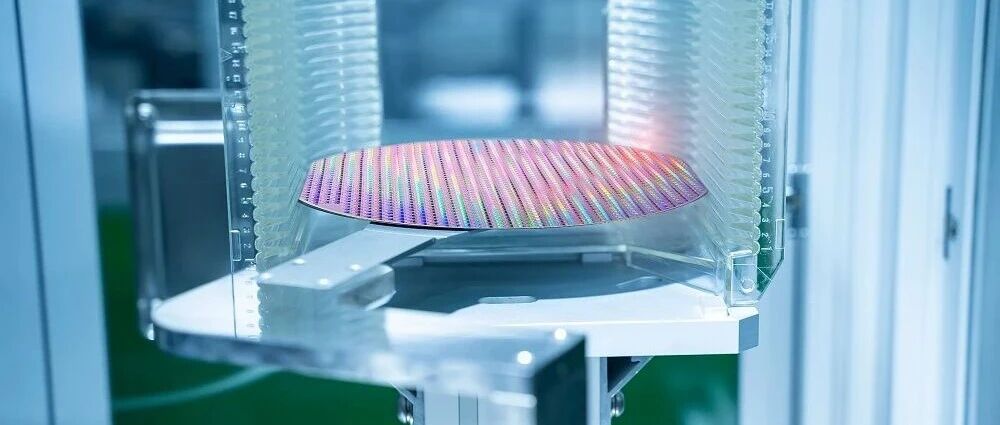
Core Viewpoint - Tiancheng Semiconductor has achieved a significant breakthrough by successfully developing 14-inch silicon carbide (SiC) single crystal materials, marking a key advancement in China's SiC industry and altering the global semiconductor landscape [1][2][12]. Group 1: Technological Breakthroughs - The company has developed 14-inch SiC materials with an effective thickness of 30 mm, filling a technological gap in the domestic market and representing a leap in large-size material capabilities [1]. - By 2025, Tiancheng Semiconductor will have mastered dual mature processes for 12-inch high-purity semi-insulating and N-type single crystal growth, with the effective thickness of 12-inch N-type SiC materials exceeding 35 mm [2]. Group 2: Market Implications - The 14-inch SiC components are designed for semiconductor manufacturing equipment, offering high density, thermal conductivity, and strength, making them suitable for harsh environments in core semiconductor manufacturing processes [5]. - The global SiC component market has been dominated by companies from South Korea, Japan, and Europe, and Tiancheng's breakthrough disrupts this monopoly, providing crucial support for domestic semiconductor material independence [5]. Group 3: Industry Trends - The demand for SiC materials is surging across various high-end applications, including electric vehicles, AR glasses, and AI chip packaging, with the 14-inch breakthrough expected to further expand application boundaries [8]. - The competition in the large-size SiC market is intensifying, with domestic companies forming a competitive landscape characterized by advancements in 12-inch and 14-inch technologies [9]. Group 4: Future Outlook - The global SiC power semiconductor market is projected to grow from $2.6 billion in 2024 to $13.6 billion by 2029, with a compound annual growth rate of 39.9% [11]. - Tiancheng Semiconductor's advancements are expected to enhance the domestic SiC industry's technological foundation, accelerate the process of domestic substitution, and lower costs, facilitating broader applications in high-end sectors [11][12].

国内12英寸SiC再获突破!
DT新材料· 2026-03-10 16:12
Core Viewpoint - The article highlights the significant advancements made by Koyou Semiconductor in the 12-inch silicon carbide (SiC) wafer processing field, marking a new milestone in the industrialization of large-size SiC substrates in China [2][5]. Group 1: Breakthrough Achievements - Koyou Semiconductor has achieved dual breakthroughs in conductive and semi-insulating 12-inch SiC wafer processing, successfully establishing a complete core technology chain from crystal growth to wafer processing [2]. - Key advancements in processing include: - Equipment compatibility optimization allowing for a "zero modification" upgrade from 8-inch to 12-inch within the same main equipment, significantly reducing customer production line transformation costs [4]. - Development of a large-diameter thin-walled planetary gear structure using topology optimization, balancing high strength and lightweight for improved transmission stability [4]. - Improved non-standard involute tooth profile design to reduce engagement impact, suitable for low-speed, high-torque, high-precision processing scenarios [4]. - Introduction of a digital twin simulation platform for full-process simulation and validation in a virtual environment, shortening R&D cycles and reducing trial-and-error costs [4]. Group 2: Product Performance - Koyou Semiconductor's 12-inch SiC wafers have achieved: - Total Thickness Variation (TTV) ≤ 1.0μm - Local Flatness Variation (LTV) ≤ 0.5μm - Surface Roughness (Ra) ≤ 0.2nm - These specifications meet the high-quality substrate requirements for manufacturing high-power electronic devices and RF devices [4]. Group 3: Industry Implications - The 12-inch SiC wafers are seen as a crucial direction for the global third-generation semiconductor industry, offering larger single crystal wafer yields and lower unit costs [5]. - Koyou Semiconductor's breakthroughs are expected to break foreign technological barriers in large-size SiC processing and accelerate the large-scale application of high-performance SiC devices in sectors such as new energy vehicles, 5G communications, and smart grids [5].