
东数西算

Search documents
2025年以来宁夏累计培育人工智能相关企业150家
Zhong Guo Xin Wen Wang· 2026-01-20 10:58
Core Insights - Since 2025, Ningxia has cultivated a total of 150 artificial intelligence-related enterprises and over 120 digital commerce companies, indicating significant growth in the digital industry [1] Group 1: Development of Digital Industry - The "East Data West Computing" project initiated in February 2022 has positioned Ningxia as a dual-center province for integrated computing network hubs and new internet exchange centers [1] - The construction of the computing hub in Ningxia has accelerated, with projects, disaster recovery centers, computing investments, standard racks, intelligent computing cards, and intelligent computing scale all achieving a "sixfold increase" [1] - Data development and utilization have made breakthroughs, with the launch of a data element operation center, 43 digital commerce companies settling in, and 120 data products being listed [1] Group 2: Artificial Intelligence Application - The "Artificial Intelligence +" initiative is being steadily implemented, with applications in industrial, agricultural, educational, and medical fields expanding rapidly [1] - A total of 209 application scenarios have been created, and 30 benchmark projects for city-wide digital transformation have been promoted [1] Group 3: Future Plans - In 2026, Ningxia aims to promote the coordinated development of computing power, data, and artificial intelligence industries, enhancing high-quality development across various sectors through AI empowerment [1]
数据中心绿电困局,直连难、储能贵,破局路在何方?
Sou Hu Cai Jing· 2026-01-20 03:12
Core Insights - The rapid rise of large models like ChatGPT has led to a significant increase in electricity costs for data centers, which are now approaching the cost of server procurement [1] - China's data center electricity consumption is projected to reach 166 billion kilowatt-hours in 2024, equivalent to the annual output of approximately 1.3 Three Gorges Dam [1] - By 2030, electricity consumption by data centers may account for 3% of the total electricity usage in society, causing localized power shortages in regions like the Yangtze River Delta and Guangdong-Hong Kong-Macau [3] Group 1 - The shift from traditional CPU-based servers to GPU clusters for AI training has increased electricity costs to 30% of operational expenses, compared to 5%-15% previously [5] - A 100P computing power data center can incur electricity costs equivalent to purchasing two apartments in Beijing's Fourth Ring Road annually [5] - The coordination issues with the power grid have led to incidents where data centers had to switch to backup power sources, incurring significant costs [5] Group 2 - The "East Data West Computing" policy aims to alleviate the pressure on electricity costs by utilizing lower electricity prices in western regions [7] - Regions like Inner Mongolia and Ningxia have become attractive for data centers due to electricity prices as low as 0.3-0.4 yuan per kilowatt-hour, which is half the price in eastern regions [8] - However, the instability of renewable energy sources in the west can lead to higher overall electricity costs for data centers [10] Group 3 - Companies are exploring self-generated green electricity, but limitations in rooftop space for solar panels have resulted in only a fraction of their electricity needs being met [12] - Current regulations prevent direct electricity sales from neighboring wind farms, leading to increased costs due to intermediary losses and scheduling fees [15] - Energy storage solutions, such as lithium batteries, have limitations in duration, while alternatives like flow batteries are significantly more expensive [16] Group 4 - New technologies, including hydrogen fuel cells and small modular reactors (SMRs), are being explored to provide sustainable power to data centers, with potential costs as low as 0.35 yuan per kilowatt-hour [18][20] - The GHG Protocol's upcoming "hourly green electricity matching" standard will require real-time matching of green electricity usage, necessitating integrated renewable energy systems near data centers [20] - Companies are currently balancing policy benefits, technological investments, and cost control, as uninterrupted server operation is critical [24]


锚定方向 逐绿前行
Xin Lang Cai Jing· 2026-01-19 19:14
Core Viewpoint - Qinghai is emerging as a vibrant "green computing" hub, leveraging its unique natural resources and innovative policies to drive the development of digital economy through clean energy and computing power [1][2][3] Group 1: Natural Resources and Advantages - Qinghai boasts significant natural advantages with abundant water, sunlight, and wind resources, maintaining a Power Usage Effectiveness (PUE) value below 1.2, which is 40% lower than the national average [1] - The province has achieved a clean energy installation ratio of 94.6%, leading the nation in both new energy installation and generation [1] Group 2: Policy and Industry Development - Qinghai has proactively established five local standards for green computing, aligning with national "dual carbon" goals and the "East Data West Computing" strategy [2] - The province has launched the first clean energy and green computing scheduling center in the country and successfully activated a national chip green computing cluster [2] - By the end of 2025, Qinghai plans to have 189,000 standard racks built or under construction, showcasing a collaborative development of intelligent computing, supercomputing, and large models [2] Group 3: National and Global Impact - Qinghai's green computing initiatives support national objectives, providing precise data analysis for global atmospheric observation and enhancing ecological monitoring [2] - The green computing advantages are being extended to 15 provinces, contributing to significant projects like Beijing Daxing Airport and the Hangzhou Asian Games [2] Group 4: Challenges and Future Outlook - Despite the promising developments, challenges such as technological collaboration and market demand expansion remain [3] - Qinghai is committed to a high-quality development path, integrating data flow with local resources to create a sustainable growth narrative [3]
算力猛增耗电惊人!东数西算能解数据中心能源困局吗?
Sou Hu Cai Jing· 2026-01-19 18:17
Core Insights - The article discusses the increasing energy consumption of data centers in China and the government's initiative "East Data West Computing" to address this issue [2][4][6] - The focus is on the energy transition of data centers, particularly the challenges and opportunities related to green energy usage and cost management [14][19][35] Group 1: Energy Consumption and Government Initiatives - Data centers are significant energy consumers, with their electricity usage continuing to rise [2] - The "East Data West Computing" initiative was established to redirect data processing from the eastern regions to the western regions of China, where energy costs are lower [4][6] - The initiative has led to the establishment of eight national computing hubs and ten clusters to facilitate this energy transfer [6] Group 2: Cost and Resource Management - Western regions offer attractive electricity prices, with costs potentially below 0.4 yuan per kilowatt-hour due to abundant renewable resources [8] - Many companies are shifting their focus to the west for data center construction due to high electricity costs in the east [10] - However, challenges such as high network transmission costs and a shortage of skilled personnel in the west remain significant barriers [10][12] Group 3: Green Energy Transition - Companies are exploring various methods to increase the use of green energy, including distributed renewable energy projects and direct green electricity purchasing [16][19] - The government mandates that new data centers in computing hubs must achieve over 80% green energy usage, presenting a significant challenge for companies [24] - Storage technology, particularly lithium batteries, faces limitations in terms of lifespan and cost, while liquid flow batteries have potential but are not yet widely adopted [21][22] Group 4: Future Technologies and Strategies - Small Modular Reactors (SMRs) are gaining attention as a potential solution for powering data centers, although large-scale application is still a distance away [29] - The integration of microgrids and distributed power systems could enhance energy efficiency and supply stability [33] - The article emphasizes the need for a multi-faceted approach to achieve a green transition in data centers, balancing cost, technology, and policy [35][39]

韶关“智造”再发力!明德电器按下“十五五”发展加速键
Xin Lang Cai Jing· 2026-01-19 16:11
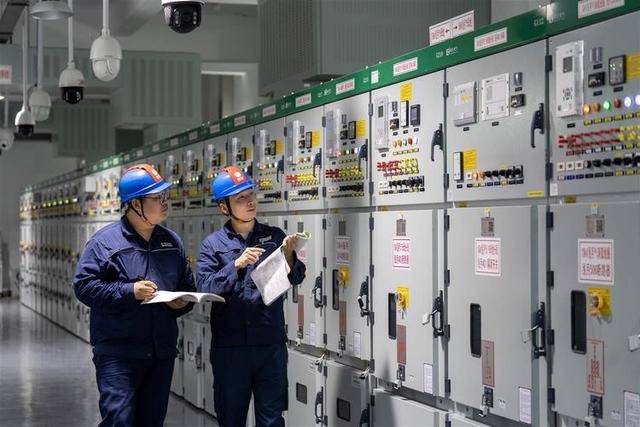
Core Viewpoint - The company, Shaoguan Mingde Electric Technology Co., Ltd., is leveraging its strong industrial foundation and regional advantages to accelerate the construction of a localized industrial chain ecosystem, aiming for high-quality regional development in the context of the "14th Five-Year Plan" [1]. Group 1: Company Development and Strategy - Mingde Electric is entering a critical phase of consolidating its foundation, stabilizing its scale, and upgrading its transformation by successfully implementing its core projects related to industrial transfer [3]. - The company has achieved significant operational results in core markets such as the Greater Bay Area, particularly in the energy storage transformer business, which has expanded in scale [3]. - The company is committed to local employment stability and driving local industrial development, contributing to high-quality development outcomes [3]. Group 2: Government Support and Recognition - The company has received strong support from Shaoguan City, including funding for industrial transfer and government subsidies, and has been recognized as a high-quality enterprise and a benchmark for digital transformation in the high-tech zone [4]. - The local government has made comprehensive plans to support the high-quality development of enterprises like Mingde Electric, boosting the company's confidence [7]. Group 3: Technological Investment and Local Integration - Mingde Electric has been increasing its investment in technological research and development, advancing industrial transfer, technological transformation, and digitalization to achieve its localization goals [6]. - The company aims to support local enterprises, especially in the big data industry, by providing quality products and services tailored to local energy solutions [8]. - Mingde Electric plans to expand its influence beyond Shaoguan into the Red Triangle and the Greater Bay Area, ensuring long-term development through a broader market perspective [8].
280 亿收购落定!东阳光集团携手秦淮数据激活产业协同新生态
Feng Huang Wang Cai Jing· 2026-01-19 14:11
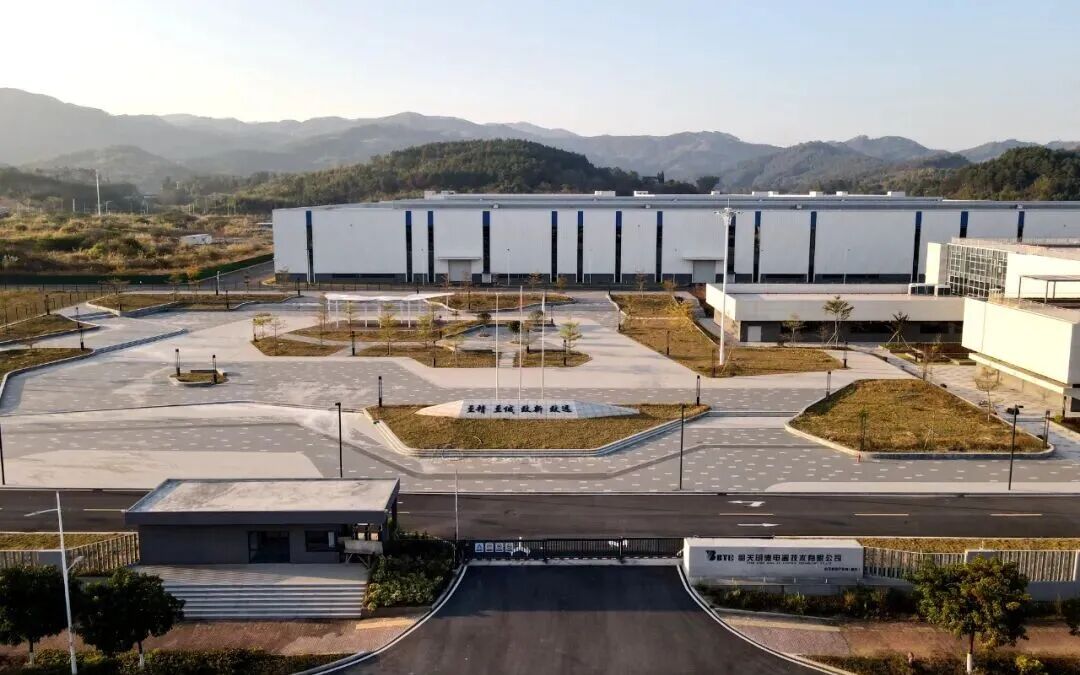
Core Insights - The acquisition of Qinhuai Data's China operations by Dongyangguang Group for 28 billion yuan marks a significant milestone in the computing power industry, being one of the largest transactions in Asia in recent years [1] - This acquisition is not merely a financial integration but represents a deep industrial collaboration focused on technological complementarity, resource synergy, and scenario empowerment, setting a new benchmark for industry integration in the digital economy era [1] Technical Collaboration - The acquisition addresses the long-standing disconnect between core component manufacturing and actual application scenarios in the computing power infrastructure sector, facilitating seamless technical integration between Dongyangguang Group and Qinhuai Data [2] - Dongyangguang has extensive expertise in electronic materials, particularly in liquid cooling core materials and key electronic components, which enhances efficiency and aligns with green development principles [2] Regional Collaboration - Dongyangguang Group and Qinhuai Data are leveraging regional resources to establish a "production-computing-electricity" integrated ecosystem across three locations: Shaoguan, Ulanqab, and Yichang [4][5] - In Shaoguan, a large-scale green intelligent computing center is planned, while in Ulanqab, a zero-carbon intelligent computing park is being developed, utilizing local renewable energy resources [4][5] Green Collaboration - The partnership emphasizes low-carbon development and aligns with the dual carbon strategy, with Dongyangguang providing clean energy to Qinhuai Data's data centers, significantly reducing operational costs [6] - The collaboration integrates green development principles throughout the entire industry chain, from resource-efficient production processes to optimized resource allocation [6] Ecological Collaboration - The acquisition fosters cross-enterprise and cross-field ecological synergy, creating a complete industrial collaboration system that integrates materials, energy, computing power, and services [7] - This collaboration is expected to stimulate regional industrial upgrades and attract upstream and downstream enterprises, contributing to the development of large-scale electronic information and big data industry clusters [7] Future Outlook - The successful completion of the 28 billion yuan acquisition is seen as the starting point for ongoing collaboration between Dongyangguang Group and Qinhuai Data, aiming to deepen the integration of materials and computing power scenarios [8] - The partnership is positioned to contribute significantly to the national "East Data West Computing" strategy and the construction of a digital China, unlocking substantial value in the computing power industry [8]

电力战役的“咽喉”:中国西电如何卡位全球变压器龙头
3 6 Ke· 2026-01-19 09:58
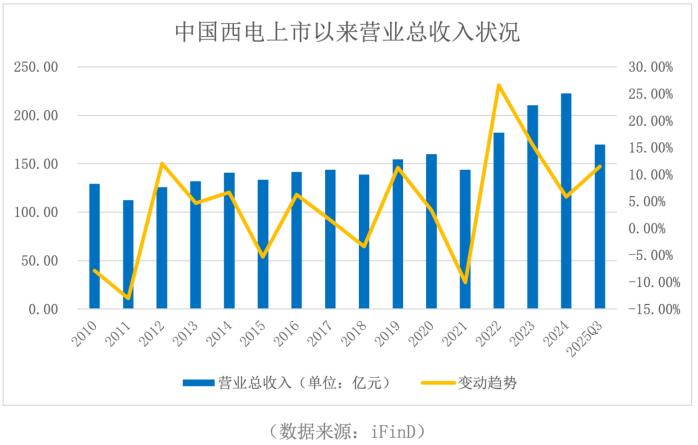
Core Viewpoint - The article highlights the critical role of transformers in the development of AI and big data, emphasizing the dominance of domestic manufacturers like China Xidian in the power equipment sector, particularly in high-voltage transmission and distribution. Group 1: Company Performance - China Xidian achieved a total operating revenue of 17.004 billion yuan in Q3 2025, representing a year-on-year growth of 11.54% [1] - The net profit attributable to shareholders was 939 million yuan, with a year-on-year increase of 19.29% [5] - The company's operating cash flow decreased by 60.44% compared to the same period last year, raising concerns about liquidity [12] - Accounts receivable reached 10.662 billion yuan, which is 11 times the net profit, indicating potential risks but also reflecting the nature of the receivables being primarily from state-owned power projects [17] Group 2: Market Position and Opportunities - The power equipment industry is currently in an upward development phase, driven by the aging power grids in the U.S. and Europe, creating a strong demand for new transformers [1] - China Xidian's subsidiaries won contracts totaling 1.005 billion yuan from the Southern Power Grid, showcasing its competitive edge in the domestic market [2] - The company has a significant share in the high-voltage equipment market, with a cumulative revenue of 7.388 billion yuan from state grid tenders in 2025 [2] - China Xidian is positioned as a leader in ultra-high voltage technology, holding 80% of the national standards for ultra-high voltage equipment [8] Group 3: Financial Stability and Investment - Despite fluctuations, China Xidian's gross profit margin has shown improvement since 2022, although it remains lower than some competitors in the industry [11] - The company has been increasing its R&D investment, reaching 692 million yuan in Q3 2025, which is a 17.76% increase year-on-year, indicating a focus on future competitiveness [18] - The integration of China Xidian with other companies in the electrical equipment sector could enhance its market position and competitiveness in the global arena [18] - The export of transformers from China has surged by 36.3% in the first 11 months of 2025, with China Xidian and another company capturing 70% of the global ultra-high voltage market [18]

这个“10万亿”,意味着什么?
Ren Min Ri Bao· 2026-01-19 09:23
Group 1: Overall Electricity Consumption - In 2025, China's total electricity consumption is expected to exceed 10 trillion kilowatt-hours for the first time, which is more than double the annual electricity consumption of the United States and higher than the combined total of the EU, Russia, India, and Japan [1] - The electricity consumption in 2025 will be nearly double that of 2015, reflecting a unique growth rate among major global economies [1] Group 2: Industrial Electricity Consumption - By 2025, the secondary industry is projected to consume 66,366 billion kilowatt-hours, accounting for approximately 64% of total electricity consumption, maintaining its status as the primary sector [2] - The demand for electricity in high-value-added and technology-intensive industries is increasing, with significant growth in sectors like semiconductor manufacturing and artificial intelligence [2][3] - The electricity consumption in the computer, communication, and other electronic equipment manufacturing sectors is expected to surpass 50 billion kilowatt-hours for the first time, overtaking traditional industries like steel and chemicals [2] Group 3: Service Sector Electricity Consumption - The tertiary industry is anticipated to consume nearly 2 trillion kilowatt-hours in 2025, with a year-on-year growth of 8.2%, representing about 19.2% of total electricity consumption [3] - The rapid growth of the data industry, particularly in big data and cloud computing, is a significant driver of electricity consumption in regions like Guizhou [3] Group 4: Electrification and Energy Efficiency - The electrification rate of end-use energy is approximately 30%, which is higher than that of major developed economies, contributing to increased electricity consumption [4] - Investments in smart irrigation systems and rural electrification projects are enhancing energy efficiency and supporting agricultural electricity needs [5] Group 5: Power Supply and Infrastructure - China's power generation capacity accounts for one-third of the global total, with over 95% of coal-fired power plants achieving ultra-low emissions [6][7] - The construction of extensive ultra-high voltage transmission lines is facilitating the transfer of clean energy from western regions to eastern load centers, enhancing the reliability of electricity supply [7] - The national electricity market is evolving, with a significant increase in market transaction volumes, reflecting a more dynamic and integrated electricity supply system [8] Group 6: Future Outlook - The anticipated electricity consumption of 10 trillion kilowatt-hours signifies an upgrade in power supply capabilities and reflects the ongoing transformation of the Chinese economy towards higher quality and sustainability [9]
龙芯中科跌2.01%,成交额4.74亿元,主力资金净流出2763.64万元
Xin Lang Cai Jing· 2026-01-19 03:29
Group 1 - The core point of the news is that Longxin Technology Co., Ltd. experienced a decline in stock price and significant changes in shareholder structure, while also reporting mixed financial results for the year [1][2]. Group 2 - As of January 19, Longxin's stock price decreased by 2.01% to 142.13 CNY per share, with a total market capitalization of 56.994 billion CNY [1]. - The company saw a net outflow of 27.6364 million CNY in principal funds, with large orders showing a buy of 118 million CNY and a sell of 138 million CNY [1]. - Year-to-date, Longxin's stock price has increased by 7.58%, but it has dropped by 12.54% over the last five trading days [1]. - Longxin's main business revenue composition includes 47.09% from information technology chips, 35.82% from industrial control chips, and 17.09% from solutions [1]. - As of September 30, the number of Longxin's shareholders increased by 25.97% to 28,200, while the average circulating shares per person decreased by 20.62% [2]. - For the period from January to September 2025, Longxin reported operating revenue of 351 million CNY, a year-on-year increase of 13.94%, but a net profit loss of 394 million CNY, a decrease of 14.89% year-on-year [2]. - The top ten circulating shareholders include Hong Kong Central Clearing Limited as a new shareholder, holding 6.2578 million shares [2].

慧源同创科技相变蓄能技术助AI 数据中心降散热成本
Sou Hu Wang· 2026-01-19 03:01
Core Insights - The company has made significant progress in its phase change energy storage (PCM) business within the AI data center application sector, contributing to China's dual carbon goals by providing a clean heating system that utilizes waste heat from data centers [1][2] Group 1: Project Overview - The Huailai project, a collaboration with Environmental Process Systems Limited and Tsinghua University, is China's first AI data center waste heat recovery demonstration project [2] - The core breakthrough of the project lies in the company's self-developed PCM technology, which achieves a 60% energy saving rate and has received multiple invention patents [2] - The project can provide over 75,000 GJ of heat annually to surrounding communities, equivalent to approximately 20.83 million kWh, while reducing greenhouse gas emissions by over 4,000 tons of CO2 [2] Group 2: Commercialization and Market Potential - The Huailai project has achieved break-even within a year of operation and serves as a model for replicating waste heat recovery solutions across various data center regions [3] - The company is also initiating a liquid-cooled data center demonstration project in Karamay, aiming to expand the application of PCM technology in the data center sector [3] - The rapid expansion of China's data center market, projected to reach around 450 operational data centers by October 2025, along with supportive government policies, creates a vast market opportunity for the company's waste heat recovery business [3] Group 3: Technological Strength and Recognition - The company has been recognized as a national-level "Little Giant" enterprise and has received various awards, including green factory certification [4] - It holds 45 core patents and has participated in the formulation of multiple national and industry standards, providing authoritative technical support for project implementation and industry development [4] - The CEO expressed confidence in the future development of the PCM business, emphasizing the integration of cutting-edge technology with market resources [4]