人机协同

Search documents
人工智能时代教师角色的转型与重塑
Xin Hua Ri Bao· 2025-10-31 00:35
Core Insights - The rapid development of artificial intelligence (AI) technology is transforming the role of teachers from "knowledge transmitters" to "learning analysts" who utilize AI to diagnose students' learning gaps and create personalized teaching plans [1][2][3] - The Ministry of Education's initiative aims to enhance teachers' digital literacy over the next 3 to 5 years, making the use of digital tools in education a new norm and exploring effective paths for large-scale personalized teaching and human-machine collaborative education [1][4] Group 1: Transformation of Teaching Roles - AI technology is breaking traditional "experience-based" teaching models, requiring teachers to master data analysis and smart tool applications to tailor teaching designs based on students' individual characteristics [2][3] - Teachers are evolving from mere knowledge transmitters to comprehensive educational guides, as students increasingly access knowledge through AI, necessitating a shift in teachers' knowledge dimensions [3][4] - The integration of AI into teaching processes is reshaping teaching models and environments, making teachers collaborators in students' active learning rather than just knowledge deliverers [3][4] Group 2: Future Teaching Capabilities - The future teacher's capability framework will likely include digital technology proficiency, interdisciplinary knowledge integration, adaptability to technological changes, and mastery of smart classrooms [4] - Teachers will need to take on the role of "human-machine collaboration" architects, leading the application of AI throughout the teaching process, from preparation to assessment [4] - The teaching environment is undergoing intelligent reconstruction, requiring teachers to flexibly switch between various teaching scenarios to achieve deep integration of knowledge transfer and practical application [4]
政策引领与技术突破共振,影视创作“人机协同”时代真的来了
Xin Lang Cai Jing· 2025-10-30 11:23
Core Insights - The integration of artificial intelligence (AI) into content creation is rapidly transforming the broadcasting and television industry, making it essential for survival in the sector [1][2][3] - The Chinese government is actively promoting the deep integration of technology and industry, particularly through initiatives like "AI+" to guide the development of the industry [2][5] Policy Guidance - Comprehensive policies supporting the dual development of AI and the audiovisual industry are being established, with the National Radio and Television Administration (NRTA) leading efforts to create a full-chain management framework [5] - The 2025 "Illusion" AI audiovisual evaluation season has introduced a quantifiable evaluation system combining objective algorithms and subjective reviews, facilitating the standardization of AI-generated content (AIGC) assessments [5] Technological Breakthroughs - Domestic video generation technology is advancing, with significant improvements in AI video generation capabilities, nearing film-level application standards [6] - The launch of the KuaLing AI 2.5 Turbo version has marked a qualitative leap in physical simulation and audio-visual synchronization, positioning it among the global leaders in the field [6] Industry Transformation - The adoption of AI is lowering creative barriers and transforming production models, evolving from being a mere tool to becoming a creative partner [6][9] - A notable example includes the use of generative AI in the documentary "The Departure a Century Ago," where most scenes were generated by AI, significantly reducing production time and complexity [8] Human-Centric Approach - The focus remains on empowering creators rather than replacing them, allowing them to concentrate on valuable creative expression [10] - The recent global competition launched by KuaLing AI attracted over 4,600 entries, highlighting the appeal of new content production methods among younger creators [9] Efficiency and Cost Reduction - AI integration is expected to reduce production costs to one-fourth of traditional methods and decrease production time by approximately 60% [9] - The first AIGC original fantasy micro-drama, "The Mountain and Sea Wonders," demonstrated a tenfold increase in return on investment with AI assistance [9]


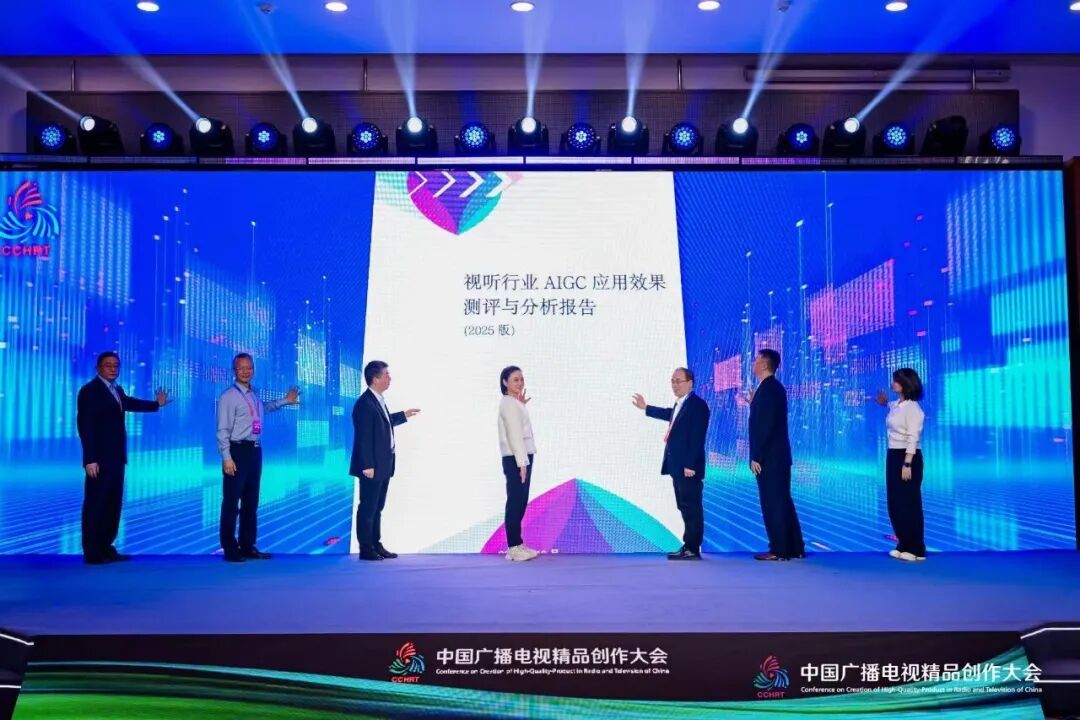
国信证券:LLM拓展传统投研信息边界 关注机构AI+投资技术落地途径
智通财经网· 2025-10-29 07:38
Group 1 - The core viewpoint is that large language models (LLMs) are transforming vast amounts of unstructured text into quantifiable Alpha factors, fundamentally expanding the information boundaries of traditional investment research [1] - AI technology is deeply reconstructing asset allocation theory and practice across three levels: information foundation, decision-making mechanisms, and system architecture [1] - LLMs enhance the understanding of financial reports and policies, while deep reinforcement learning (DRL) shifts decision frameworks from static optimization to dynamic adaptability [1] Group 2 - The practical application of AI investment research systems relies on a modular collaboration mechanism rather than the performance of a single model [2] - The architecture of AI investment systems, as demonstrated by BlackRock's AlphaAgents, involves model division of labor, enhancing decision robustness and interpretability [2] - This modular approach creates a replicable technology stack from signal generation to portfolio execution, laying a solid foundation for building practical investment agents [2] Group 3 - Leading institutions are elevating competition to an "AI-native" strategy, focusing on building proprietary, trustworthy AI core technology stacks capable of managing complex systems [3] - JPMorgan's strategy emphasizes proprietary technology layout across three pillars: trustworthy AI and foundational models, simulation and automated decision-making, and alternative data [3] - This approach creates complex barriers that are difficult for competitors to overcome in the short term [3] Group 4 - For domestic asset management institutions, the path to breakthrough lies in strategic restructuring and organizational transformation, focusing on differentiated and targeted technology implementation [4] - Institutions should prioritize the practical and efficient "human-machine collaboration" system, leveraging LLMs to explore unique policy and text Alpha in the A-share market [4] - It is essential to break down departmental barriers and cultivate cross-disciplinary teams that integrate investment and technology, embedding risk management throughout the AI governance lifecycle [4]

展会实探:人形机器人量产“卡”在哪?
Shang Hai Zheng Quan Bao· 2025-10-23 23:01
Core Insights - The IROS 2025 conference showcased advancements in intelligent robotics, highlighting China's growing strength in "hard technology" on the international stage [1] - The low-cost, high-intelligence humanoid robot sector presents unprecedented opportunities for Chinese companies, driven by strong engineering capabilities and industrial support systems [1] Industry Developments - A new bionic tactile sensor, designed to mimic human fingertips, was unveiled, achieving a thickness that is half of similar products, enhancing robot flexibility [3] - The sensor utilizes a built-in high-definition camera to capture minute deformations of elastic materials, allowing robots to perform precise tasks like sorting and assembly [5] - The domestic market for dexterous hands is projected to exceed 2 billion yuan by 2025, with a year-on-year growth of 67%, while the market for perception sensors is growing at 83%, making it one of the fastest-growing segments in the robotics industry [10] Challenges in the Industry - The industry faces three main challenges: achieving closed-loop collaboration between perception and operation, overcoming cost barriers for large-scale applications, and breaking the "island dilemma" in ecosystem collaboration [12][13] - A lack of unified standards for data interfaces between companies leads to high debugging costs, which can account for over 30% of total project investments [12] - The reliance on imported materials for precision components contributes to high production costs, hindering large-scale adoption of advanced robotic solutions [12] Future Outlook - The integration of deep learning and large model technologies is expected to significantly enhance the perception capabilities of robots, reshaping their operational boundaries [13] - In the next 3-5 years, significant breakthroughs are anticipated in three areas: improved human-robot collaboration, advancements in tactile sensing technology, and the integration of mobility and operation [14]


恒生电子白硕:AI Agent驱动投研投顾进入“人机协同”时代 重塑金融业务新范式
Zheng Quan Ri Bao Wang· 2025-10-23 11:19
Core Insights - The sixth ITDC 2025 conference in Shanghai focused on the theme "AI+: From Industrial AI to Financial AI," bringing together experts from various sectors to discuss the application and development trends of AI in asset management [1] Group 1: AI Technology in Asset Management - The continuous advancement of foundational large model capabilities and the proliferation of open-source models are driving the application of AI Agents in the financial industry, particularly in investment research and advisory [1][2] - AI Agent technology is evolving from "single-point functionality" to "process automation," allowing for the automatic understanding, decomposition, and execution of complex tasks, thus enhancing operational efficiency [1][2] Group 2: WarrenQ Platform - The WarrenQ platform, developed by Shanghai Hengsheng Juyuan Data Service Co., a subsidiary of Hengsheng Electronics, liberates analysts from tedious foundational tasks, enabling them to focus on core value creation [2] - WarrenQ enhances both marketing-oriented and product-oriented advisory services, significantly improving the efficiency and quality of investment advisory work [2] Group 3: Industry Impact - Hengsheng Electronics' intelligent investment research products have already served dozens of financial institutions, facilitating the intelligent upgrade of the entire investment research process [3] - The company aims to continue following the forefront of large model technology development to empower investment research scenarios and support financial institutions in achieving a digital transformation for high-quality development [3]

今日视点:5亿用户叩开智能时代的大门
Xin Lang Cai Jing· 2025-10-22 22:21
Core Insights - The transition from the "digital age" to the "intelligent age" is underway, with significant growth in the user base of generative artificial intelligence (AIGC) in China, reaching 515 million users by June 2025, a penetration rate of 36.5% [1] - The rapid increase in users, up by 266 million or 106.6% compared to the end of last year, indicates that the market is on the brink of an explosion [1] Group 1: User Growth and Technology Maturity - The explosive growth in user numbers is attributed to technological maturity and a rich array of products, with over 90% of users preferring domestic large models [1] - A total of 538 generative AI services have been registered in China by August 2025, with applications spanning various fields such as Q&A, office tasks, entertainment, and content creation [1] Group 2: Systemic Restructuring of Industries - AIGC is driving a systemic restructuring of production logic from "process-driven" to "human-machine collaboration," allowing AI to assist in knowledge and creative tasks, thereby redefining innovation speed and cost in industries like pharmaceuticals and engineering [2] - The industrial organization is evolving from a "chain-based ecosystem" to a "networked ecosystem," enabling decentralized production and content creation, lowering barriers for small teams and individuals to produce professional-quality outputs [3] - Competitive logic is shifting from "scale" to "ecosystem," where companies that can create a closed loop of user engagement and data optimization will establish a dynamic competitive advantage [3] Group 3: Challenges and Ethical Considerations - The rise of AIGC also brings forth challenges such as the emergence of a new "digital divide," where disparities between those who effectively utilize AI and those who do not become pronounced [4] - Ethical and regulatory challenges are intensifying, with concerns over AI bias, data privacy, and accountability becoming pressing social issues as the user base expands [4]
教育数字人正在接管讲台,但真正的挑战才刚开始
3 6 Ke· 2025-10-22 08:27
Core Insights - The emergence of digital educators, such as "Fan Fan," signifies a structural transformation in the education sector, moving from entertainment applications to genuine teaching roles [1][2] - The evolution of educational digital humans from mere content delivery tools to cognitive teaching assistants highlights the integration of advanced technologies [2][4] - The implementation of digital educators in various educational settings reveals both their potential benefits and the challenges they face in real-world applications [4][5] Group 1: Evolution of Educational Digital Humans - Initially, educational digital humans served as video production tools, primarily replacing human teachers for standardized content delivery [2] - With advancements in generative AI and multimodal perception, digital humans have developed teaching comprehension capabilities, allowing for real-time interaction and personalized feedback [2][4] - This transition positions digital humans as cognitive teaching assistants, actively participating in the entire teaching process [2] Group 2: Practical Applications and Feedback - Digital humans are being utilized in vocational education for tasks such as answering questions and course reviews, allowing human teachers to focus on deeper engagement with students [4][5] - In fields like medicine and engineering, digital humans enhance experimental teaching through three-dimensional visual aids, improving student understanding and classroom efficiency [4] - In basic education, digital humans are generating micro-courses and personalized explanations, particularly in areas with unequal educational resources, showing potential for enhancing educational equity [5] Group 3: Challenges and Ethical Considerations - The reliance on digital humans raises concerns about the accuracy of content generation and the potential for students to become overly dependent on them, diminishing interaction with real teachers [5][6] - The anthropomorphism of digital educators can lead to misplaced authority, as students may attribute teacher-like credibility to them despite their lack of accountability [6][7] - The absence of standardized protocols for data collection and processing in the use of digital humans poses risks to student rights and privacy [6][9] Group 4: Institutional Framework and Future Directions - The rapid development of educational digital humans outpaces the establishment of industry standards and policies, creating fragmentation and potential risks [9][10] - There is an urgent need for national-level initiatives to create a comprehensive framework for educational digital humans, covering aspects like capability grading and ethical boundaries [9] - Future competition in the field will hinge on system integration capabilities and educational outcomes rather than superficial attributes [10][11]

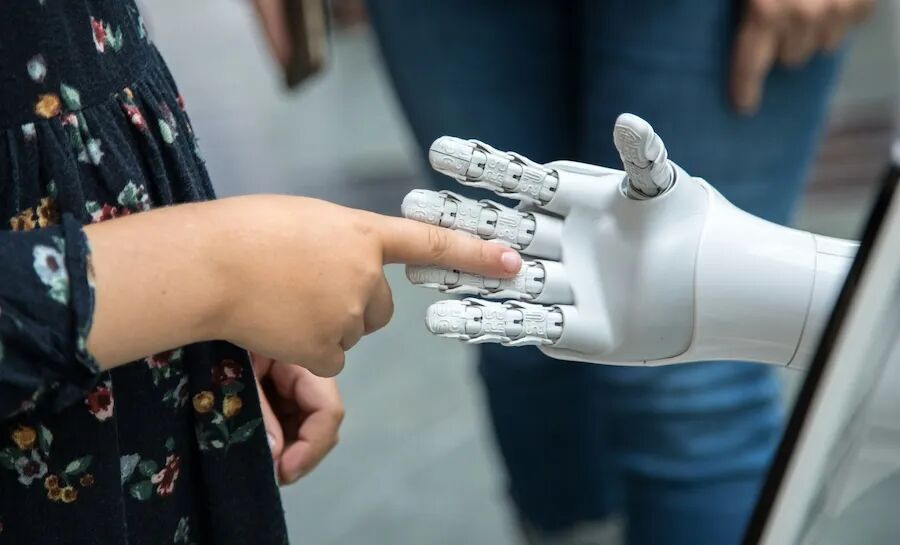
研判2025!中国AI短剧行业发展历程、政策汇总、发展现状及发展趋势分析:AI视频生成模型陆续上线,行业迎来爆发式增长[图]
Chan Ye Xin Xi Wang· 2025-10-21 01:16
Core Insights - The rapid development of internet technology, diverse audience demands for entertainment content, supportive policies, and the entry of internet giants like Douyin and Kuaishou have led to a significant explosion in China's short drama industry, with a market size projected to reach 50.5 billion yuan in 2024, a year-on-year increase of 35% [1][5][6] - The global AI short drama market has entered a phase of explosive growth since the second half of 2024, with notable advancements in AI video generation models enhancing production efficiency and creativity [1][7][9] AI Short Drama Industry Overview - AI short dramas utilize artificial intelligence to generate visuals, plots, and other elements, significantly reducing production time to "hour-level" and costs to as low as 1% of traditional methods [3][4] - The industry has evolved through four stages: technology emergence (2018-2020), tool exploration (2021-2022), industry explosion (2023-2024), and ecosystem formation (2025 onwards) [3][4] AI Short Drama Industry Policies - The Chinese government has implemented various policies to promote the AI short drama industry, including the 2025 notice encouraging innovation in micro-short drama creation and integration with AI technology [5][6] Current Development of AI Short Drama Industry - The short drama format has gained popularity due to its suitability for fragmented viewing time, with several high-quality productions emerging, such as "Escape from the British Museum" and "My Return Journey Has Wind" [1][5] - The market size for short dramas in China is expected to reach 50.5 billion yuan in 2024, reflecting a 35% increase from the previous year [1][6] AI Short Drama Industry Competition Landscape - The competition in the AI short drama industry involves technology vendors (e.g., Baidu, Tencent), content producers (traditional and new teams), and platform operators (Douyin, Kuaishou, Bilibili) [9][10] AI Short Drama Industry Development Trends - Continuous technological innovation will drive the expansion of AI short dramas, with advancements in real-time animation and emotional algorithms enhancing artistic expression [13][14] - "Human-machine collaboration" will be crucial for improving the quality of AI short dramas, allowing creators to focus on core storytelling while AI handles complex visual elements [14][15] - Interactivity and personalization will distinguish AI short dramas from traditional media, enabling viewers to influence storylines and customize characters, thus enhancing engagement [15]


石头科技乌尔奇谈机器人发展:聚焦“场景最优解” 践行可持续发展
Zheng Quan Ri Bao Wang· 2025-10-20 08:43
Core Viewpoint - Stone Technology is a leading company in the global smart cleaning robot industry, emphasizing the importance of solving fundamental problems over the specific form of robots [1][2] Group 1: Robot Development and Application - The company introduced the G30Space product, which features a five-axis foldable mechanical arm to address common cleaning obstacles, demonstrating that wheeled robots are more advantageous than humanoid robots for indoor cleaning [1] - The success of cleaning robots is attributed to a deep understanding of user pain points and providing the most economical and efficient solutions [1] Group 2: AI and Human-Machine Collaboration - Stone Technology has implemented AI-driven operational systems in its Huizhou smart factory to optimize production paths and enhance efficiency in logistics through intelligent packing systems [1] - The integration of AI models considers worker proficiency to maximize efficiency in frontline execution, showcasing the potential of human-machine collaboration [1] Group 3: Addressing the Digital Divide - The company advocates for a tiered training system to ensure that advanced technology is accessible to all, emphasizing inclusive design that accommodates various user needs [2] - Features such as voice interaction, visual amplification, and touch tolerance are highlighted as essential for product accessibility [2] Group 4: Global Expansion and Market Position - Since 2018, Stone Technology has expanded internationally, establishing subsidiaries in key markets and achieving over 50% market share in countries like Germany, South Korea, Turkey, and Nordic regions [2] - The combination of high-quality products and localized operations has transformed Stone Technology from a Chinese brand into a global benchmark in the industry [2]

4人团队一年估值2.5亿美金,一款产品征服投资人
Hu Xiu· 2025-10-19 07:42
Core Insights - Granola, a startup focused on AI meeting notes, has rapidly gained traction in the market with a minimalist approach and precise user targeting, achieving a valuation of $250 million after raising $43 million in Series B funding within a year of its launch [1][2][16]. Company Overview - Granola launched its product in May 2024 and completed Series A funding within five months, maintaining a weekly user growth rate of 10% [1]. - The company completed Series B funding in May 2025, achieving a valuation of $250 million [1]. - Granola's user base has grown fivefold since its launch, with over 5,000 active users weekly and a retention rate exceeding 70% [16]. Product Features and Innovations - Granola is designed specifically for meeting scenarios, allowing users to select key points while AI automatically fills in the context, contrasting with traditional tools that often outsource critical thinking to AI [2][3]. - The product emphasizes user control, encouraging manual note-taking during meetings, which is then processed by AI to create personalized notes [3][5]. - The 2.0 version of Granola introduced features such as shared folders, Slack integration, and cross-meeting topic analysis, transitioning from a personal tool to an enterprise-level collaboration platform [2][12]. Market Position and Strategy - Granola's initial target market included high-frequency meeting participants such as Silicon Valley VCs and founders, leveraging their influence for rapid brand growth [2][14]. - The company has strategically avoided traditional pitfalls in AI meeting tools, focusing on enhancing user experience rather than merely automating tasks [3][5]. - Granola's cold start strategy effectively engaged high-net-worth users, leading to strong brand endorsement and organic growth within the investment community [14][16]. Development Philosophy - The founder, Chris Pedregal, emphasizes a product philosophy that prioritizes enhancing human capabilities rather than replacing them, aiming to create a tool that allows users to focus on their thoughts [5][20]. - Granola's development process involved direct user engagement and feedback, allowing for rapid iteration and refinement of core functionalities [9][10]. Competitive Landscape - The AI meeting note tool market is becoming increasingly crowded, with competitors like Otter.ai and Fireflies.ai, as well as newer entrants like Cluely, which offers different functionalities [18][21]. - Granola differentiates itself by training models for over 20 specific industries, providing tailored templates for various use cases, such as sales and recruitment [18].