
文化传承

Search documents
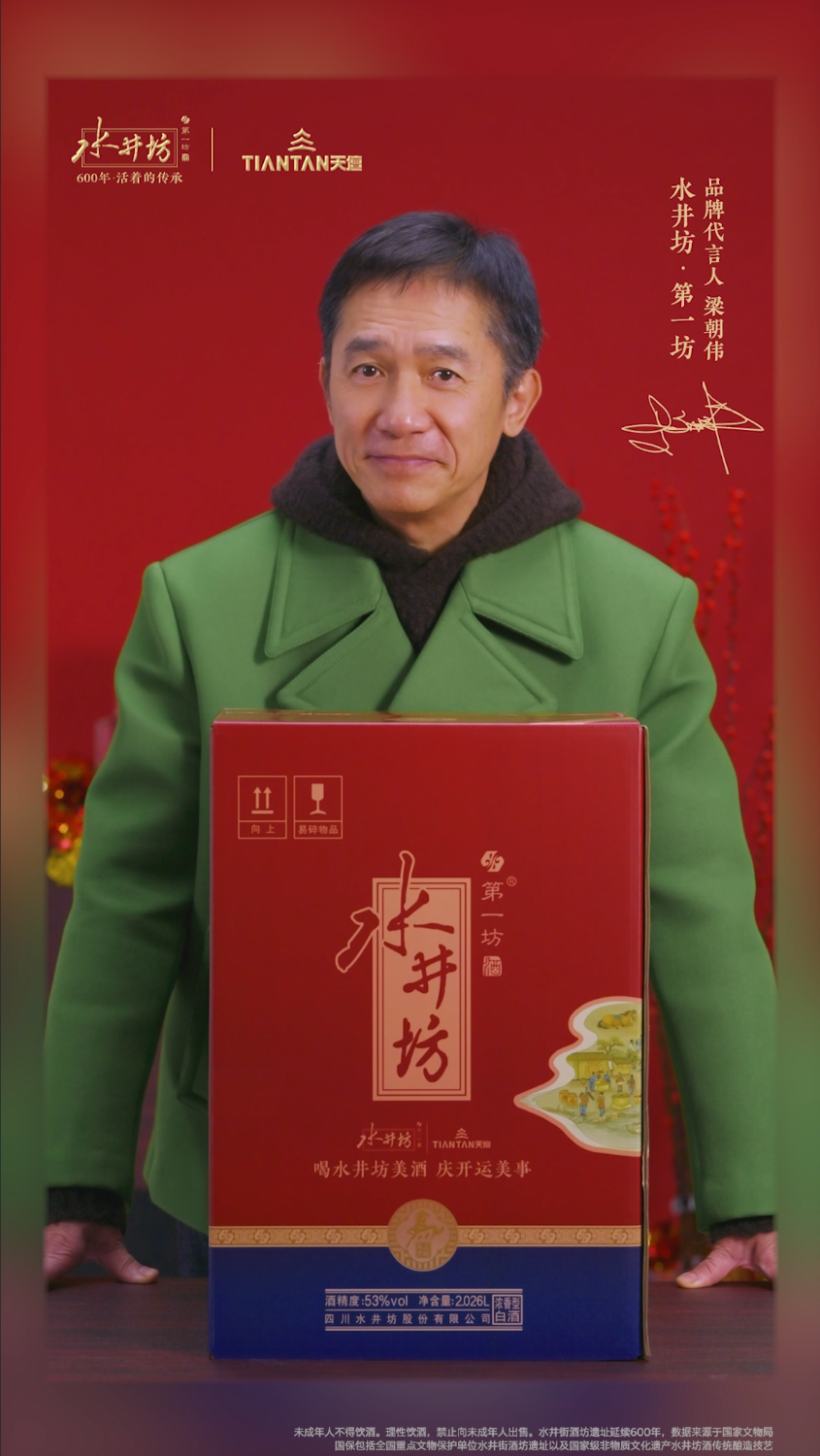
跨越六百余年的举杯:天坛与水井坊再启2026开运第一杯
Di Yi Cai Jing· 2026-01-20 05:41
Core Viewpoint - The collaboration between Shui Jing Fang and the Temple of Heaven aims to celebrate the New Year by merging over 600 years of cultural heritage and creating a unique ceremonial experience through the launch of a special wine product [1][10][18]. Group 1: Cultural Significance - Drinking wine during the New Year is a deeply rooted tradition in Chinese culture, symbolizing family reunion and the celebration of good fortune [3][4]. - The Temple of Heaven has historically served as a site for significant rituals, including over 650 sacrificial ceremonies, representing the collective wishes for a bountiful harvest [6]. - Shui Jing Fang, established in Chengdu, has been producing high-quality wine for over 600 years, embodying the essence of local culture and celebrations [9][20]. Group 2: Product Launch and Marketing Strategy - The new product, a limited edition wine, is available in two sizes: a 2026ml large bottle and a 606ml gift box, symbolizing the dual celebration of the Temple's anniversary and the New Year [12][16]. - The marketing campaign features actor Tony Leung as a brand ambassador, inviting consumers to participate in a nationwide celebration of good fortune through interactive promotions [16][17]. - The initiative includes a "Fortune First Cup" concept, encouraging consumers to engage with the brand and share their celebratory moments, enhancing emotional connections [10][18][22]. Group 3: Brand Positioning and Consumer Engagement - Shui Jing Fang positions itself as a premium choice for celebrating important life events, aiming to deepen its brand message of "drinking fine wine to celebrate good things" [18][20]. - The brand emphasizes the emotional significance of wine in social gatherings, responding to consumer desires for meaningful expressions of sentiment during celebrations [20][22]. - The campaign seeks to transform traditional wine consumption into a culturally resonant and emotionally engaging ritual, reinforcing the brand's relevance in modern consumer life [18][22].


汉武帝雕像引争议,艺术探讨应回归理性
Xin Lang Cai Jing· 2026-01-19 14:04
作者:秦川 近日,甘肃省瓜州县戈壁国际雕塑艺术长廊内的雕像作品《汉武雄风》引发争议。据媒体报道,因其表 现手法独特,且汉武帝眉头紧皱、神情凝重,被个别网友形容为"活埋汉武帝",还有人质疑创作动 机"用心险恶"。 但是,讨论问题不能上纲上线,表达观点不能动辄"杀气腾腾"。以"用心险恶"来揣测创作者的动机,显 然超出了正常艺术讨论的范畴,不仅缺乏依据,更会制造寒蝉效应,扼杀人们艺术探索的勇气。 《汉武雄风》作为戈壁国际雕塑艺术长廊的一员,其价值在于以现代艺术语言重构历史想象,引发观者 对汉武帝功过或历史沧桑的深层思考。将"眉头紧皱、神情凝重"曲解为"活埋",实则是将严肃的历史叙 事降格为低俗的猎奇,这种先入为主的恶意解读,不仅是对艺术家专业性的不尊重,更是对公共讨论空 间的污染。 当然,对于景区而言,在公共艺术品的设置上不妨多些审慎,比如提前通过公示等方式广泛听取公众意 见,并同步加强配套解读,减少因信息不对称产生的误读。同时,公共艺术本就旨在引发思考,我们也 不妨多一份包容,给不同视角的交融留足空间。毕竟,艺术的价值不仅在于作品本身,更在于它能否激 发社会层面的良性互动与深度对话。 艺术创作本就是见仁见智的事。 ...
乡村游如何留住乡土味
Jing Ji Wang· 2026-01-19 02:33
Core Viewpoint - The transformation of Xianrendong Village from a poverty-stricken area to a prosperous tourist destination showcases the importance of preserving local culture and ecology while promoting sustainable tourism development [1][16]. Group 1: Village Transformation and Tourism Development - Xianrendong Village, once a "pocket village," has evolved into a prosperous community with an average income of nearly 60,000 yuan per person, primarily relying on tourism [1]. - The village has 196 households, with over 180 engaged in hospitality and dining, predominantly by local residents, avoiding excessive commercialization [1][9]. - The initial phase of tourism led to chaotic development, with a lack of infrastructure and a decline in ecological conditions, prompting the need for a transformation to restore local character [2][3]. Group 2: Restoration of Local Character - The village faced challenges of homogenization and ecological degradation, leading to a consensus among villagers that preserving local flavor is essential for attracting tourists [3][4]. - A comprehensive renovation plan was implemented, focusing on maintaining traditional architectural styles and improving infrastructure, supported by local government and financial institutions [5][6][7]. - The village adopted a "build low, not high" policy, resulting in a reduction of guest room numbers but an increase in room rates, enhancing overall profitability [7]. Group 3: Community Involvement and Benefits - The village established mechanisms for all residents to participate in tourism development, ensuring that local people benefit from the economic growth [9][10]. - Various participation methods were created, including operating guesthouses, renting properties, and working in tourism-related jobs, allowing villagers to earn income without leaving the village [10][11]. - The village's commitment to not allowing restaurants along the lakeside protects the environment while ensuring equitable economic opportunities for all residents [11]. Group 4: Cultural Preservation and Innovation - Retaining local residents is crucial for preserving traditional customs and ensuring the authenticity of rural tourism [13][15]. - The village has implemented regulations to keep original residents in their homes, fostering a sense of community and cultural continuity [14]. - Cultural activities and festivals have been revitalized, blending traditional practices with modern tourism strategies to enhance visitor engagement [15][16]. Group 5: Economic Impact and Future Prospects - The tourism sector in Qiubei County has seen significant growth, with over 9.18 million visitors and total tourism revenue of 8.06 billion yuan in 2025, reflecting a year-on-year increase [16]. - Xianrendong Village has transitioned from a "pocket village" to a nationally recognized model for rural tourism, demonstrating that sustainable practices can lead to economic prosperity while preserving local identity [16].
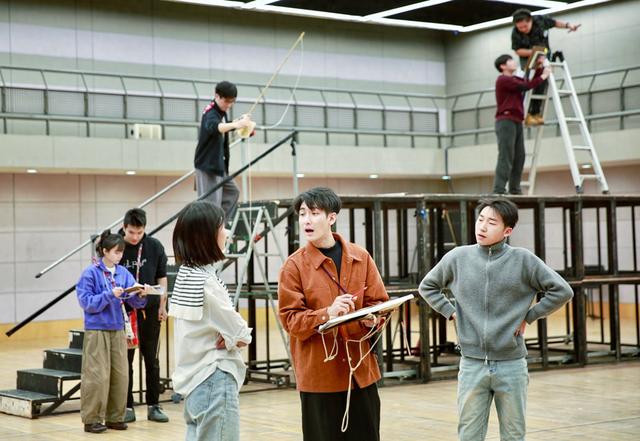
话剧《雨燕》紧张排练,把乱世中的测绘传奇带向大众视野
Xin Lang Cai Jing· 2026-01-19 00:39
Core Viewpoint - The original play "Rain Swallow" is set against a historical backdrop, highlighting the efforts of a youth surveying team in 1939 Beijing to preserve cultural heritage during a tumultuous period, emphasizing their dedication and resilience in the face of adversity [1][3]. Group 1: Historical Context - The play draws inspiration from a youth surveying team that meticulously measured the Forbidden City to protect its cultural significance during the Japanese occupation [1]. - The narrative showcases the intense conflict between the surveying team, who advocate for scientific preservation, and traditionalists who resist changes to ancient structures [3]. Group 2: Character Development and Themes - The character Zhang Di, portrayed by actor Guo Shuo Jie, reflects on the admiration for the surveying team's perseverance amidst external pressures and the inherent challenges of their work [5]. - The director Fang Xu emphasizes the cultural significance of the central axis of Beijing, linking it to personal memories and the broader narrative of Chinese civilization [6]. Group 3: Artistic and Educational Efforts - The cast, including Guo Shuo Jie, engages in extensive research, visiting Tianjin University and the Forbidden City to deepen their understanding of architectural history and enhance their performances [5]. - The production aims to bring the importance of surveying and cultural preservation to a wider audience, highlighting the dedication of those who contributed to safeguarding Chinese heritage [5].
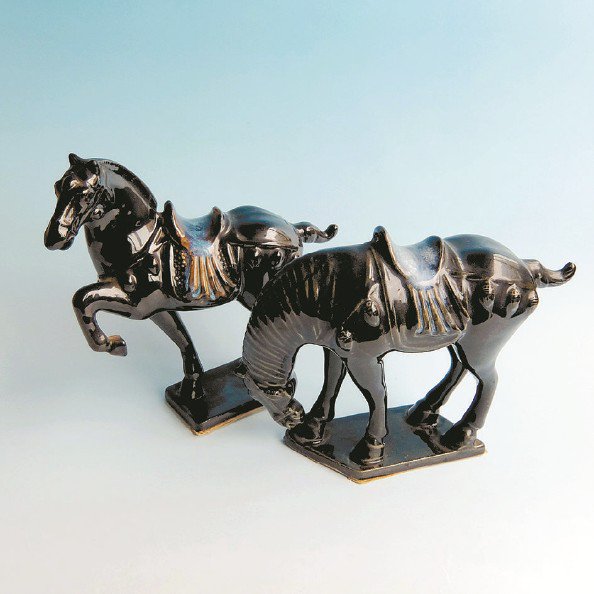
唐三彩·黑釉马
Xin Lang Cai Jing· 2026-01-17 07:28
Core Perspective - The article highlights the cultural and artistic significance of Tang Sancai black-glazed horses, emphasizing their historical context and the craftsmanship involved in their creation [2][4]. Group 1: Historical Context - Tang Sancai, originating from the Tang Dynasty, represents a peak in Chinese ceramic art, characterized by its vibrant colors and intricate designs [2][3]. - The black-glazed horses are a product of skilled artisans from Luoyang, who innovated the low-temperature multi-colored glaze technique, contributing to the legacy of Tang Sancai [2][4]. Group 2: Artistic Significance - The black-glazed horses are described as rare treasures within the Tang Sancai family, embodying strength and elegance, and reflecting the opulence of the Tang era [4]. - Each piece of Tang Sancai serves as a window into the grandeur and romance of the Tang Dynasty, showcasing lifelike figures and vibrant glazes that capture the essence of the time [3][4]. Group 3: Cultural Legacy - The craftsmanship of Tang Sancai has influenced various cultures along the Silk Road, spreading its artistic techniques to regions such as West Asia and North Africa [3]. - The enduring presence of the black-glazed horses symbolizes the importance of cultural heritage and the need for spiritual strength in facing contemporary challenges [4].
让戏曲文化的根脉扎深扎实
Xin Lang Cai Jing· 2026-01-16 23:10
Core Insights - The cultural development in Datian is a quest for "roots" and preservation, highlighting the importance of local identity and historical narratives [1] - The establishment of the Minzhong Opera Cultural Park signifies a shift from spontaneous cultural survival to a systematic and supported cultural thriving [1] Group 1 - The work of local playwright Fan Yihong illuminates cultural memories and values that modern society often overlooks, emphasizing the resilience of cultural consciousness [1] - The integration of traditional opera into modern settings, such as residential areas and through platforms like Douyin, demonstrates the vitality of cultural life and its ability to reach broader audiences [1] - The cultural park serves as a multifunctional space, acting as a stage, storage, museum, and an ecological incubator for cultural transmission [1] Group 2 - Cultural transmission requires not only guardians like Fan Yihong but also facilitators and a collaborative effort across generations to creatively integrate culture into contemporary life [2] - When traditional opera becomes a regular part of life rather than just a festive addition, it can effectively connect with both nostalgia and younger audiences, solidifying cultural roots [2]
让乡愁有“乡”可寻
Xin Lang Cai Jing· 2026-01-16 23:10
Group 1 - The core idea emphasizes the importance of traditional villages as cultural heritage and their role in preserving national identity and cultural confidence [1][4] - As of now, there are 8,155 villages listed in the "China Traditional Village Protection Directory," with over 5,000 at the provincial level, showcasing the largest and most comprehensive agricultural civilization heritage protection group in the world [1] - In the first half of last year, traditional villages attracted over 293 million visitors, generating approximately 34.213 billion yuan in consumption [1] Group 2 - Traditional villages face challenges during urbanization, including superficial protection efforts and a tendency to prioritize physical structures over intangible cultural heritage [2] - There is a need for a balanced approach to protect and develop traditional villages, ensuring they remain authentic and culturally rich while avoiding the pitfalls of modernization that strip them of their character [2] - The protection work should focus on preserving the essence of local culture and history, prohibiting large-scale demolitions, and promoting a sustainable development model [2] Group 3 - Traditional villages serve as repositories of Chinese cultural identity, encompassing agricultural practices, ecological ethics, and local customs [3] - Efforts should be made to repair ancient buildings and cultivate inheritors of intangible cultural heritage, while also developing local industries such as traditional crafts and cuisine [3] - Recent trends in red tourism, ecological health, and rural experiences highlight the need for traditional villages to leverage their unique characteristics to enhance community engagement and economic benefits [3] Group 4 - Traditional villages are crucial for passing down excellent traditional culture and are considered living relics of agricultural civilization [4] - During the "Cultural China Tour - Traditional Village New Year" event, 5,473 traditional villages hosted around 12,000 activities, attracting over 47.2 million visitors and showcasing local customs and culture [4] - Future efforts should focus on preserving the appearance of traditional villages, narrating their stories, and enhancing their cultural significance to ensure that the essence of rural nostalgia is maintained [4]
何以德化
Xin Hua She· 2026-01-16 02:53
Core Viewpoint - Dehua porcelain, known as "Chinese White," is a cultural and economic pillar that has evolved from ancient trade routes to become a global symbol of Chinese craftsmanship and aesthetic values [4][12]. Group 1: Historical Significance - Dehua porcelain has a rich history dating back to the Neolithic era, with significant development during the Tang and Song dynasties, where it gained recognition for its elegant and simple designs [9]. - The peak of Dehua porcelain production occurred during the Ming dynasty, with master artisans like He Chaozong creating iconic pieces that are still highly valued today [9][10]. Group 2: Economic Impact - Dehua currently has over 4,500 ceramic enterprises, forming a comprehensive industrial ecosystem with an annual output value exceeding 76 billion yuan, making it the largest production and export base for ceramic crafts in China [10]. - The products are exported to over 190 countries and regions, highlighting Dehua's role as a significant player in the global ceramics market [10]. Group 3: Cultural Exchange - Dehua porcelain has historically served as a "cultural messenger," with its products being highly sought after in international markets, including Southeast Asia, the Middle East, and Europe [11]. - Recent initiatives, such as the "Chinese White·Dehua Porcelain" international tour, have further expanded its global presence, with exhibitions held in multiple countries [14]. Group 4: Innovation and Modernization - Dehua combines traditional craftsmanship with modern technology, employing smart production lines and 5G technology to enhance efficiency and product quality [21]. - The region fosters a talent pool of over 6,000 skilled artisans, including numerous national and provincial masters, ensuring the preservation and evolution of traditional techniques [21]. Group 5: Future Prospects - Dehua aims to position itself as the "International Capital of Ceramics," balancing heritage with innovation to drive economic growth and cultural exchange [22].
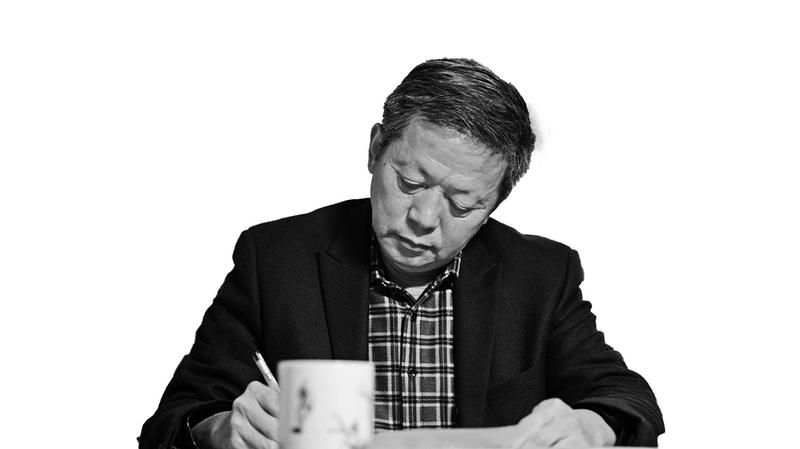
刘政屏:见书见家见街巷 见城见爱见人心
Xin Lang Cai Jing· 2026-01-15 17:23
(来源:新安晚报) 转自:新安晚报 从2023年出版的《秋毫露滴:庐州刘氏文墨初辑》到新近出版的这套《庐州故实》(三种),刘政屏看似从公共 记忆进入家族图谱。这套由刘定九老先生《九五忆往:合肥文化记忆》、刘政屏《庐州教书人刘俊》和刘爱克 《在老城读书与漫想》构成的文集,是一次极为庄重的"家族文脉展陈"和"家族品牌塑造",家族作为一种中国文 化单位,雅趣"家集"古通文脉,修身齐家,而后愈加精进,于家集中看到老合肥与新合肥交融时的流影、定影、 显影。 日前,作家刘政屏携《庐州故实》三本"家集",做客大皖徽派,分享故事,以小见大,以巷见城,以文见爱,以 一个书写和记录者的视角,见证时代的印痕。 回望:感性和理性的平衡 徽派:今天的访谈嘉宾,他既卖书也写书,还编书和藏书,他的工作和生活都是围绕着书籍展开,他也是我们徽 派的老朋友——作家刘政屏。 刘政屏:对。(过去)很多人会认为合肥是一个不太发达的内陆城市,合肥很闭塞,但是通过我找寻到的资料, 对这个城市的历史有了更深入的了解。其实合肥人很早就走出去了,他们的名字出现在中国当时一些名家大儒的 日记、著作里。通过这些文字资料,你会发现,他们不仅仅是一种简单的交往,而且是 ...
辽宁省第十届残疾人冰雪运动季在朝阳启动
Xin Lang Cai Jing· 2026-01-14 23:50
Core Points - The 10th Disabled Winter Sports Season in Liaoning Province was launched on January 13-14, with activities scheduled to continue until the end of March across 14 cities and 100 counties [1] - The event aims to promote high-quality development of sports for the disabled and enrich their cultural lives, themed "Welcoming the Winter Paralympics, Enjoying Ice and Snow Fitness" [1] - The launch ceremony featured various performances, including traditional dances and snow sports, highlighting the resilience and dedication of Paralympic champions [1] Group 1 - The event includes three main highlights: a high mountain skiing training camp, a non-heritage display area, and interactive snow activities [2] - The non-heritage display area showcased traditional crafts such as shadow puppetry, embroidery, gourd painting, paper-cutting, and sugar painting, emphasizing cultural confidence and heritage [2] - The ice and snow sports season serves as a platform for disabled individuals to express themselves and embrace life, integrating sports spirit with cultural heritage [2]