
大数据

Search documents
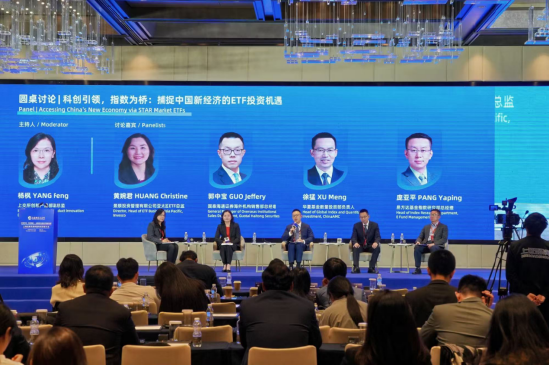
景顺投资黄婉君、国泰海通郭中宝、华夏基金徐猛、易方达庞亚平热议:借道ETF捕捉中国新经济投资机遇
Xin Lang Zheng Quan· 2025-11-12 09:56
Core Insights - The Shanghai Stock Exchange International Investors Conference highlighted the growing importance of ETFs in capturing investment opportunities in China's new economy [1][11] - Industry experts discussed the integration of technology in index development, emphasizing the shift towards more innovative and dynamic indices [3][11] Group 1: ETF Innovation and Development - Future index development will incorporate artificial intelligence and big data, moving away from traditional market capitalization or factor-weighted models [3] - ETFs are seen as crucial tools for global asset allocation, providing international investors with transparent and convenient access to the Chinese market [5] Group 2: Investment Trends and Opportunities - There is a high level of interest from global investors in the Chinese market, particularly in hard technology-themed ETFs that can effectively narrate China's innovation story [7] - The focus on "technology innovation + index investment" reflects the role of ETFs as a vital link between China's new economic drivers and global investors [11]


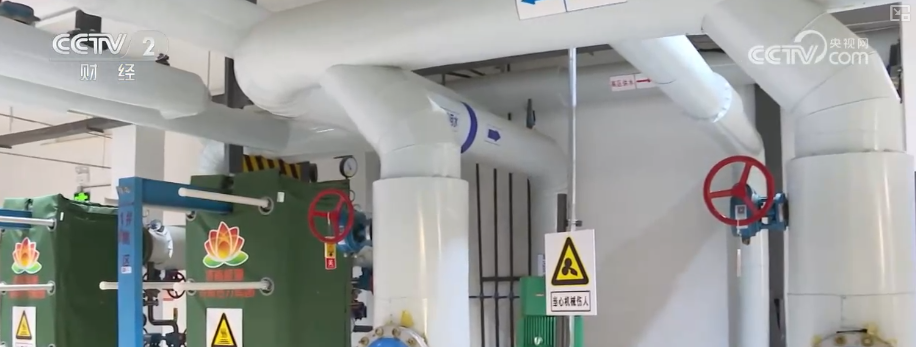
AI聚力智能系统撑起供暖“全活儿” 民生保障注入强劲科技暖流
Yang Shi Wang· 2025-11-12 09:16
Core Viewpoint - The "black lamp heat exchange station" in Jinan represents a significant advancement in the heating industry, marking the first fully automated and intelligent operation in the sector, enhancing public service through technology [1][4]. Group 1: Technological Innovation - The "black lamp heat exchange station" utilizes cutting-edge technologies such as artificial intelligence and big data to achieve 24-hour unmanned operation [4][7]. - The intelligent system manages the entire heating process, with screens acting as "eyes," equipment as "limbs," and algorithms as the "brain" [7]. - The system can automatically collect, adjust, and analyze data, providing early warnings in case of abnormal weather or temperature changes [9]. Group 2: Operational Efficiency - The station implements a dynamic simulation modeling of the entire process from "station-network-user," allowing for real-time monitoring and automatic parameter adjustments to ensure stable heating [12]. - Future plans include integrating historical operational data, real-time conditions, and weather forecasts to transition AI from "assisted decision-making" to "leading decision-making" [13]. - The Jinan heating department aims to use this station as a model for comprehensive intelligent upgrades across all heat exchange stations in the region [13].
近12亿元交易,实控人将变更,003041复牌涨停!“80后”黎展入主,曾与张一鸣同登《财富》榜,还获得过阿里、红杉等投资
Mei Ri Jing Ji Xin Wen· 2025-11-12 07:58
Core Viewpoint - The control change of Zhenai Meijia has been officially announced, with the new actual controller being Li Zhan from the unicorn company, Tanjitech, after the completion of a series of transactions [1][4]. Group 1: Control Change Details - Zhenai Meijia's controlling shareholder, Zhenai Group, will transfer approximately 43.19 million shares (29.99% of total shares) to Tanjitech at a price of 27.74 RMB per share, totaling nearly 1.2 billion RMB [2]. - Tanjitech will initiate a partial tender offer for 21.6 million shares (15% of total shares) at the same price of 27.74 RMB per share, contingent upon the completion of the share transfer [2]. - Zhenai Group will waive voting rights and commit to accepting the tender offer for approximately 18.73 million shares (13.01% of total shares), ensuring Tanjitech can secure control [3]. Group 2: Governance Changes - After the completion of the tender offer, Tanjitech is expected to hold 44.99% of Zhenai Meijia's shares and voting rights, while Zhenai Group's stake will decrease to 21.61% [3]. - The agreement stipulates that at least 8 out of 9 current board members must resign or the board must be re-elected, allowing Tanjitech to nominate 5 non-independent directors and 3 independent directors [3]. Group 3: Background of Li Zhan - Li Zhan, the new actual controller, is the founder and CEO of Tanjitech, a leading player in the intelligent sales SaaS sector, and has received significant backing from top-tier investors [4][10]. - Tanjitech has served over 10,000 enterprises and provided more than 900 million sales leads, indicating its strong market presence [7]. - Li Zhan has been recognized in various prestigious lists, including Fortune's "40 Under 40" in China, highlighting his influence in the tech and investment sectors [11]. Group 4: Market Reaction - Following the announcement of the control change, Zhenai Meijia's stock resumed trading and hit the daily limit up [12].

兆龙互连跌2.17%,成交额1.75亿元,今日主力净流入-664.72万
Xin Lang Cai Jing· 2025-11-12 07:37
Core Viewpoint - The company, Zhejiang Zhaolong Interconnect Technology Co., Ltd., is experiencing fluctuations in stock performance and is positioned as a key player in the high-speed cable and optical fiber market, benefiting from the depreciation of the RMB and expanding its overseas revenue. Group 1: Company Performance - On November 12, Zhaolong Interconnect's stock fell by 2.17%, with a trading volume of 175 million yuan and a market capitalization of 15.229 billion yuan [1] - For the period from January to September 2025, the company achieved a revenue of 1.518 billion yuan, representing a year-on-year growth of 13.28%, and a net profit attributable to shareholders of 138 million yuan, up 53.82% year-on-year [7] - The company has distributed a total of 113 million yuan in dividends since its A-share listing, with 82.34 million yuan distributed over the past three years [8] Group 2: Market Position and Products - The company has established itself as a core partner in the active cable (AEC) sector for leading international interconnect solution providers, leveraging its technological expertise in high-speed cables [2] - Zhaolong Interconnect's optical products include fiber jumpers, MPO/MTP pre-terminated connectors, and LC fiber connectors, primarily serving high-end projects in finance, education, healthcare, and exhibitions, while also expanding into overseas markets [2] - The company is one of the few in China capable of designing and manufacturing data cables exceeding Category 6, 6A, and up to Category 8, meeting the new data transmission demands of the 5G era [2] Group 3: Financial and Technical Analysis - The average trading cost of the company's shares is 56.64 yuan, with recent reductions in shareholding but at a slowing rate; the current stock price is between resistance at 51.55 yuan and support at 46.66 yuan, indicating potential for range trading [6] - The company's overseas revenue accounted for 61.93% of total revenue, benefiting from the depreciation of the RMB [3] - The main capital inflow for the stock today was negative at 6.6472 million yuan, with no significant trend in major shareholder movements [4][5]
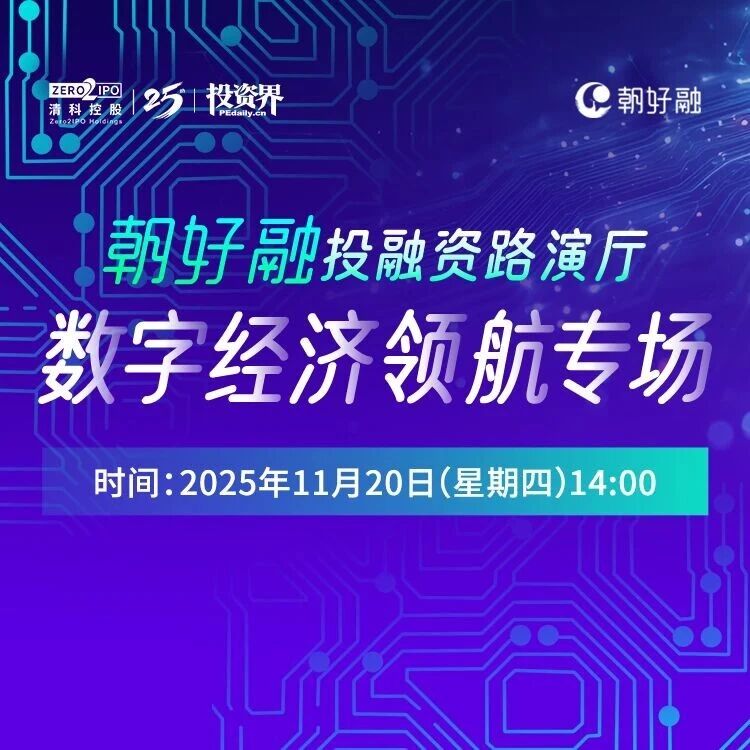
“朝好融”投融资路演厅——数字经济领航专场
投资界· 2025-11-12 07:30
Core Viewpoint - The event "Chaohangrong Investment Roadshow - Digital Economy Leading Forum" aims to accelerate the integration of the digital economy and capital markets, helping enterprises seize opportunities in the digital economy era [1]. Group 1: Event Overview - The event will take place on November 20, 2025, at 14:00 in Chaoyang District [2]. - It is organized by the Chaoyang District Financial Work Center in collaboration with various local departments, focusing on the digital economy [1]. Group 2: Focus Areas - The event will concentrate on industries such as artificial intelligence, information communication, big data, cloud computing, software services, and industrial internet [1]. - The goal is to break down resource barriers between the industry and capital sectors, providing targeted support to quality technology enterprises [1]. Group 3: Agenda - The agenda includes a welcome session, leadership speeches, policy introductions, thematic sharing on new opportunities in the digital economy, enterprise roadshows, and networking sessions [3]. Group 4: Participating Companies - Notable participating companies include: - Zhongke Hongyun, a provider of enterprise-level intelligent cloud platform software and services [5]. - Wuxi Aigang, focusing on recycling waste steel [5]. - Sike Cloud, a leading provider of software supply chain security in China [5]. - Green Puhui, a personal carbon reduction trading platform [5]. - Zhongdun Yuanwei, specializing in the development and application of police intelligent equipment [5]. - Haibai Chuan Technology, aiming to create a comprehensive product system for a more humane AI [6].
特发信息跌2.01%,成交额1.01亿元,主力资金净流出1574.67万元
Xin Lang Zheng Quan· 2025-11-12 05:32
Company Overview - Shenzhen Tefa Information Co., Ltd. was established on July 29, 1999, and listed on May 11, 2000. The company is located in Nanshan District, Shenzhen, Guangdong Province [2] - The main business involves the research, production, and sales of optical fibers, cables, communication equipment, power cables, military aviation communication equipment, and various related products [2] - The revenue composition includes: cable segment 78.94%, smart services 9.91%, integration segment 6.81%, material sales and others 2.45%, and property asset management 1.89% [2] Financial Performance - For the period from January to September 2025, the company achieved operating revenue of 3.184 billion yuan, a year-on-year decrease of 10.04%. The net profit attributable to shareholders was 7.9961 million yuan, a year-on-year increase of 80.75% [2] - The company has cumulatively distributed 255 million yuan in dividends since its A-share listing, with no dividends distributed in the last three years [3] Stock Performance - As of November 12, the stock price of Tefa Information was 9.24 yuan per share, with a market capitalization of 8.319 billion yuan. The stock has increased by 60.70% year-to-date but has seen a decline of 5.52% over the last five trading days [1] - The stock has appeared on the "Dragon and Tiger List" twice this year, with the most recent instance on August 15, where it recorded a net buy of -244 million yuan [1] Shareholder Structure - As of September 30, 2025, the number of shareholders was 97,400, an increase of 83.95% from the previous period. The average circulating shares per person decreased by 45.64% to 9,127 shares [2] - Hong Kong Central Clearing Limited is the fourth-largest circulating shareholder, holding 3.9673 million shares as a new shareholder, while Xin'ao New Energy Industry Stock A has exited the top ten circulating shareholders [3]

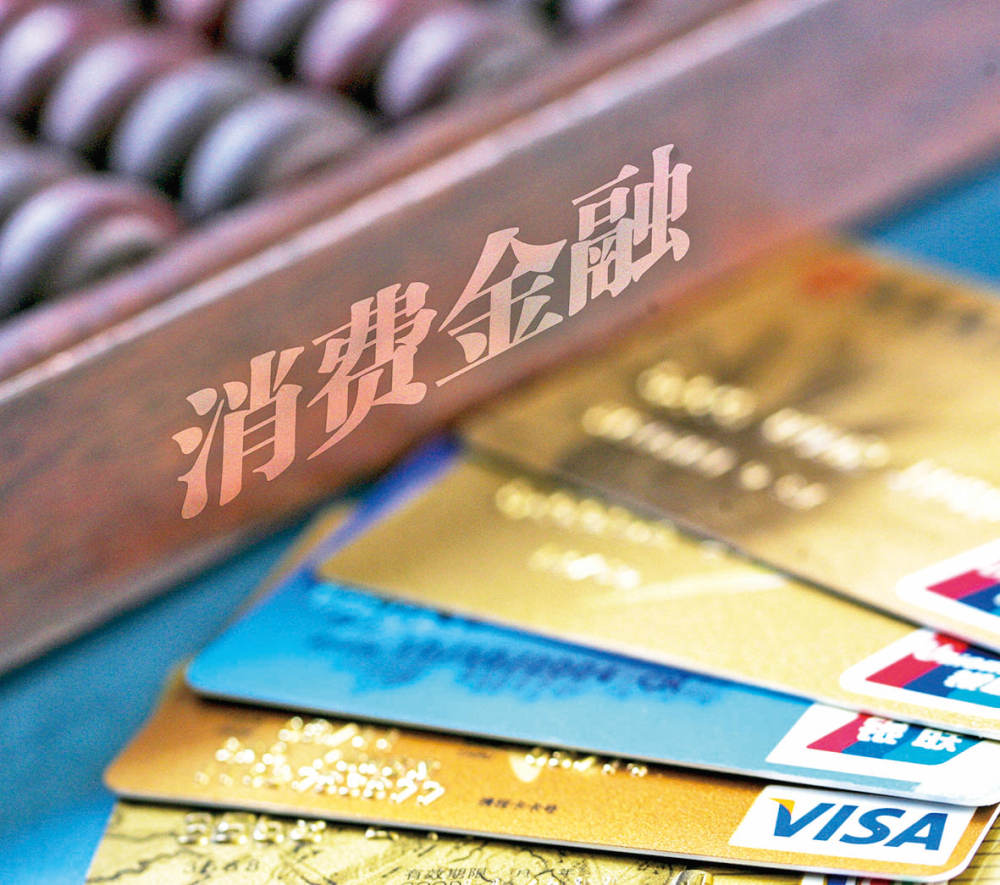
利率收窄、合规趋严,消费金融机构谋变
2 1 Shi Ji Jing Ji Bao Dao· 2025-11-12 04:17
Core Insights - The consumer finance industry is facing multiple challenges, including rising non-performing loans, narrowing interest rate margins, intensified competition among licensed institutions, and tightening regulatory policies [1][4][5] - Despite these challenges, opportunities exist due to the younger demographic becoming the main consumer force, driven by a "live in the moment" consumption mindset and online shopping habits [1][6][7] - Financial technology is seen as a key to overcoming these challenges, with advancements in big models and big data reshaping service systems [1][7][12] Industry Challenges - The non-performing loan scale in the consumer finance sector has reached 24.632 billion, with a year-on-year increase of 32.96% [4] - The tightening of regulatory policies has led to stricter compliance requirements, including an increase in minimum registered capital to 1 billion and higher ownership stakes for major investors [4][5] - The number of licensed consumer finance companies has reached 31, intensifying market competition and further compressing interest rate margins [4][5] Opportunities and Innovations - The younger generation's shift towards immediate experiences and online consumption necessitates a focus on their needs, enhancing online service capabilities [7][12] - The integration of cutting-edge technologies such as AI, blockchain, and big data is crucial for improving service efficiency and risk management [3][12] - Companies are exploring differentiated innovations to break through the competitive landscape, addressing rising customer acquisition costs and product homogenization [5][8] Compliance and Brand Building - Innovation and compliance are identified as the two pillars for sustainable development in consumer finance, with brand building being essential for long-term competitiveness [3] - Institutions must establish comprehensive compliance systems that adhere to regulatory standards across all operational processes [3][4] Technological Integration - The application of AI in consumer finance is focused on overcoming barriers in knowledge conversion and continuous evolution, ensuring that AI models can adapt and optimize based on business feedback [8][10] - Companies are developing AI application systems that enhance decision-making in areas such as loan approval and collections through a feedback loop [10][12] Ecosystem Collaboration - The industry is witnessing a diversification of participants, including bank-affiliated, platform-based, and technology-driven consumer finance entities, necessitating collaboration to reduce service costs and enhance offerings [5][11] - Initiatives like the "Inclusive Finance Alliance" aim to leverage technology and share risks among institutions to better serve underrepresented consumer segments [11]
麦克奥迪跌2.01%,成交额5633.01万元,主力资金净流出659.81万元
Xin Lang Cai Jing· 2025-11-12 02:58
Core Points - The stock price of MacAudie dropped by 2.01% to 18.00 CNY per share as of November 12, with a market capitalization of 9.313 billion CNY [1] - The company has seen a year-to-date stock price increase of 3.21%, but a decline of 4.26% over the last five trading days [1] - MacAudie's main business segments include electrical products (60.06%), microscopes (25.64%), and medical products and services (14.30%) [1][2] Financial Performance - For the period from January to September 2025, MacAudie reported a revenue of 1.099 billion CNY, representing a year-on-year growth of 10.35% [2] - The net profit attributable to shareholders for the same period was 144 million CNY, reflecting a year-on-year increase of 17.86% [2] Shareholder Information - As of September 30, 2025, the number of shareholders increased to 37,300, with an average of 13,828 circulating shares per person, a slight decrease of 0.09% [2] - The company has distributed a total of 347 million CNY in dividends since its A-share listing, with 129 million CNY distributed over the last three years [3] - Hong Kong Central Clearing Limited is now the seventh-largest circulating shareholder, increasing its holdings by 671,800 shares [3]

通鼎互联跌2.03%,成交额6402.89万元,主力资金净流出338.32万元
Xin Lang Cai Jing· 2025-11-12 02:53
Core Viewpoint - Tongding Interconnection's stock price has shown fluctuations, with a recent decline of 2.03% and a year-to-date increase of 3.31% [1] Company Overview - Tongding Interconnection Information Co., Ltd. was established on February 7, 2001, and listed on October 21, 2010. The company specializes in the R&D, production, and sales of optical fibers, communication cables, and related products [2] - The revenue composition of the company includes: power cables (46.66%), communication cables (28.83%), communication equipment (9.24%), security business (7.91%), optical fibers and cables (5.73%), and others (1.64%) [2] - The company operates within the communication equipment industry, focusing on communication cables and related accessories, and is involved in sectors such as situational awareness, big data, optical fibers, information security, and 5G [2] Financial Performance - For the period from January to September 2025, Tongding Interconnection achieved a revenue of 2.446 billion yuan, representing a year-on-year growth of 12.71%. However, the net profit attributable to shareholders was -65.47 million yuan, a decrease of 906.66% compared to the previous year [2] - The company has distributed a total of 466 million yuan in dividends since its A-share listing, with no dividends paid in the last three years [3] Shareholder Information - As of September 30, 2025, the number of shareholders of Tongding Interconnection increased to 83,800, up by 4.17% from the previous period, with an average of 14,037 shares held per person, a decrease of 4.00% [2] - Among the top ten circulating shareholders, Hong Kong Central Clearing Limited holds 24.51 million shares, an increase of 7.79 million shares from the previous period [3]

报喜鸟涨2.41%,成交额1.12亿元,主力资金净流出610.66万元
Xin Lang Cai Jing· 2025-11-12 02:53
Core Viewpoint - The stock of Baoxiniang has shown fluctuations with a recent increase of 2.41%, while the overall performance this year has seen a decline of 2.52% [1] Company Overview - Baoxiniang Holdings Co., Ltd. is located in Yongjia County, Zhejiang Province, and was established on June 20, 2001, with its stock listed on August 16, 2007. The company specializes in the production, research, and sales of branded clothing [2] - The main revenue composition includes T-shirts (19.20%), pants (17.26%), tops (16.13%), shirts (15.34%), jackets (9.59%), windbreakers (8.47%), and other categories [2] Financial Performance - For the period from January to September 2025, Baoxiniang achieved a revenue of 3.48 billion yuan, a year-on-year decrease of 1.59%, and a net profit attributable to shareholders of 236 million yuan, down 43.18% year-on-year [2] - Since its A-share listing, Baoxiniang has distributed a total of 2.325 billion yuan in dividends, with 832 million yuan distributed over the past three years [3] Shareholder Structure - As of September 30, 2025, the number of shareholders for Baoxiniang reached 75,400, an increase of 17.31% from the previous period, with an average of 15,653 circulating shares per person, a decrease of 14.76% [2] - The top ten circulating shareholders include Hong Kong Central Clearing Limited, which holds 13.6687 million shares, an increase of 755,000 shares from the previous period [3]
