
文化自信

Search documents
我国修改国家通用语言文字法 铸牢中华民族共同体意识
Zhong Guo Xin Wen Wang· 2025-12-27 02:08
Core Viewpoint - The newly revised National Common Language and Writing Law aims to strengthen the awareness of the Chinese national community and cultural confidence, effective from January 1, 2026 [1] Group 1: Legislative Purpose and Principles - The revised law includes the objective of "strengthening the awareness of the Chinese national community and cultural confidence" [1] - It states that "no organization or individual may obstruct citizens from learning and using the national common language and writing" [1] - The third week of September is designated as the National Common Language and Writing Promotion Week [1] Group 2: Usage Rules - The law introduces regulations for language and writing in cyberspace, mandating that online literary programs, web dramas, online movies, and online games use the national common language and writing as the primary language [1] Group 3: Legal Responsibilities - A separate chapter outlines legal responsibilities, specifying enforcement agencies and detailing penalties [1] - Individuals interfering with others' learning and use of the national common language may face criticism, correction orders, and warnings; serious violations may lead to administrative penalties [1]
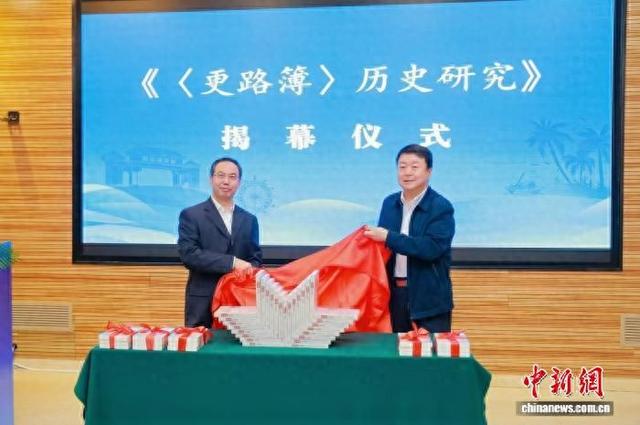
《历史研究》新书在三亚发布
Xin Lang Cai Jing· 2025-12-26 08:47
Core Viewpoint - The release of the book "Historical Research" aims to explore and inherit the historical culture of the South China Sea, promoting in-depth research on the "Geng Lu Book" and establishing an interdisciplinary academic exchange platform [1][3]. Group 1: Book Overview - "Historical Research" is authored by Professor Zhang Shuo Ren from Hainan Tropical Ocean University, comprising 280,000 words that discuss the definition, emergence, development, and economic changes related to the "Geng Lu Book" [3][4]. - The book seeks to place the "Geng Lu Book" within a broader historical context, providing valuable insights into its cultural significance and authenticity [3][4]. Group 2: Academic Contributions - The book fills a significant academic gap in the study of the "Geng Lu Book," addressing important issues such as its origins, cultural significance, and historical changes in fishing practices [3][4]. - The publication is seen as a crucial support for the exploration of the historical and cultural value of the South China Sea and the practical maintenance of maritime rights [3][4]. Group 3: Cultural and Strategic Importance - The release of "Historical Research" is considered vital for strengthening cultural confidence and enriching the cultural connotation of Hainan Free Trade Port [5]. - The book aligns with Hainan's strategic goals of promoting a collaborative and inclusive maritime culture, especially in the context of the new phase of higher-level opening up [5].

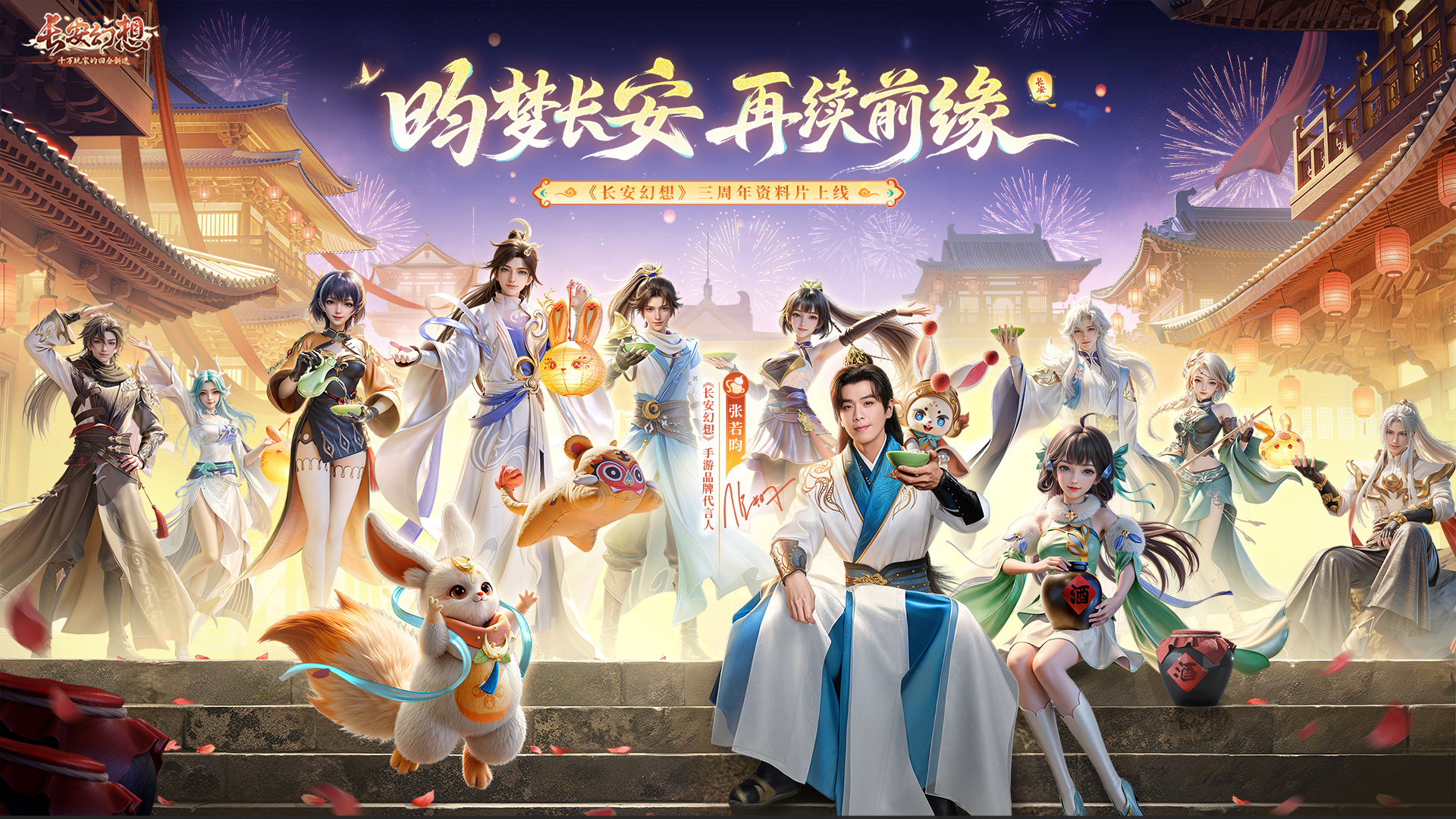
以游戏为媒承长安文脉 《长安幻想》携手张若昀启三周年文化传播新篇
Yang Guang Wang· 2025-12-26 08:17
在拥有了游戏乐趣的基础上,《长安幻想》也始终将文化传承视为核心使命,通过"游戏载体+文化内核"的创新模式,让非遗技艺、历史文物、传统美 学在数字世界中"活"起来。 近年来,国产游戏已成为传统文化传播的重要"数字桥梁",凭借独特的互动性与沉浸感频频实现文化破圈。比如前有《黑神话:悟空》成为海外了解中 国神话的重要窗口,后有《燕云十六声》海外版首月玩家突破1500万等。在技术创新与文化融合的双重保障下,越来越多游戏企业将中华优秀传统文化融入 创作内核,为文化自信建设开辟了新的方向。 而在这股文化传播浪潮中,盛唐长安作为承载华夏文明巅峰的文化地标,其"开放包容、兼收并蓄"的精神内核,成为了不少国产游戏讲述中国故事的绝 佳舞台。从"长安一片月,万户捣衣声",到"春风得意马蹄疾,一日看尽长安花",作为传统文化中最具生命力的文化符号之一,据悉在当下的唐诗中,仅 「长安」一词出现的次数就不下1000次,可见其与华夏文明的深厚羁绊。 那么,在这股"以游载道"的浪潮中,隐藏在长安二字背后的千年文化又该如何焕发新生呢?"文化基因+创新表达",这是一款以"长安文化"为脉络的回 合捉妖手游《长安幻想》给出的答案。12月26日,游戏三 ...
(近观中国|足迹)“保护好故宫”——习近平参观“百年大展”
Zhong Guo Xin Wen Wang· 2025-12-26 06:44
Core Viewpoint - The article emphasizes the importance of protecting and utilizing the Palace Museum (Forbidden City) as a cultural heritage site, marking its centenary and outlining its future role in promoting patriotism and understanding of Chinese civilization [1][2]. Group 1: Significance of the Palace Museum - The Palace Museum, established from the Forbidden City, has become a vital cultural institution in China, celebrating its 100th anniversary with an exhibition titled "Centenary Guardianship" [1]. - Xi Jinping highlighted the need for the Palace Museum to serve the people, enhance cultural heritage protection, and become a key site for patriotic education and understanding of Chinese civilization [1][2]. Group 2: Cultural Exchange and Global Significance - The Palace Museum serves as a platform for cultural exchange, having hosted numerous foreign dignitaries and facilitating dialogues across civilizations [2]. - Xi Jinping has previously referenced the Palace Museum alongside the Louvre as examples of how civilizations enrich each other through exchange [2]. Group 3: Development of Archaeology and Museums in China - The article notes the ongoing development of China's archaeological and museum sectors, with significant projects like the opening of the Erlitou Site Museum and the Chinese Archaeological Museum [3]. - There are over 760,000 immovable cultural relics and 108 million movable cultural relics in China, showcasing the continuous evolution and innovation of Chinese civilization [3]. Group 4: Cultural Heritage and National Identity - Xi Jinping emphasized the need to bring historical artifacts to life, enriching the cultural nourishment of society and fostering a sense of national identity [4].
广州白云化妆品产业将强化出海培训等!建成最大香氛博物馆
Nan Fang Du Shi Bao· 2025-12-26 05:52
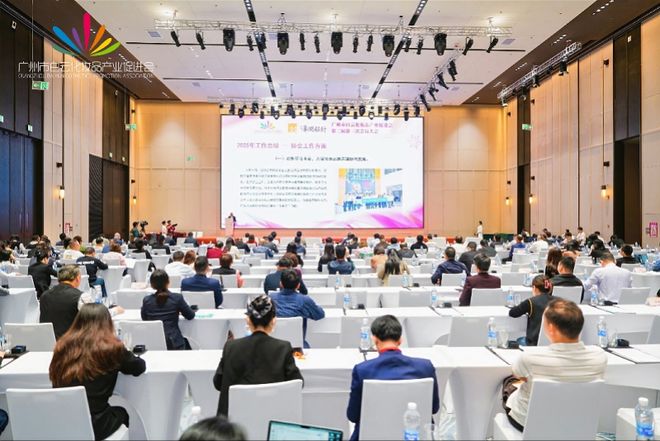
Core Viewpoint - The Guangzhou Baiyun Cosmetics Industry Promotion Association held its third member conference, focusing on key topics such as policy interpretation, brand building, consumer trends, and foreign trade innovation [1][3]. Group 1: Conference Highlights - The president of the association, Weng Zhengguo, presented a work report for 2025, reviewing the achievements in building a government-enterprise communication platform and promoting industry collaboration [3]. - The association plans to continue enhancing the government-enterprise communication platform and will focus on collecting enterprise needs for more precise training in areas like transformation, overseas exhibitions, and legal regulations [3]. - A signing ceremony was held between the association and the Guangzhou Baiyun District Energy Conservation and Carbon Reduction Association to collaborate on green production and energy-saving initiatives [3]. Group 2: Industry Development Goals - Baiyun District aims to support the cosmetics industry in reaching a target of becoming a trillion-level pillar industry through improved business environment, policy support, and complete industrial chain [3]. - The district's deputy secretary emphasized the importance of the association in leading member enterprises towards high-quality development [3]. Group 3: Cultural Impact - The Snow Lei Fragrance Museum in Guangzhou received a Guinness World Record for being the largest fragrance museum, showcasing the city's historical background in spice trade and cultural confidence [4][5]. - The museum is seen as a benchmark for cultural innovation, enhancing Guangzhou's influence in culture, creativity, and consumption [5].
中央党校王杰教授:从神本到人本 先秦哲学的两次重大转向
Xin Lang Cai Jing· 2025-12-25 23:32
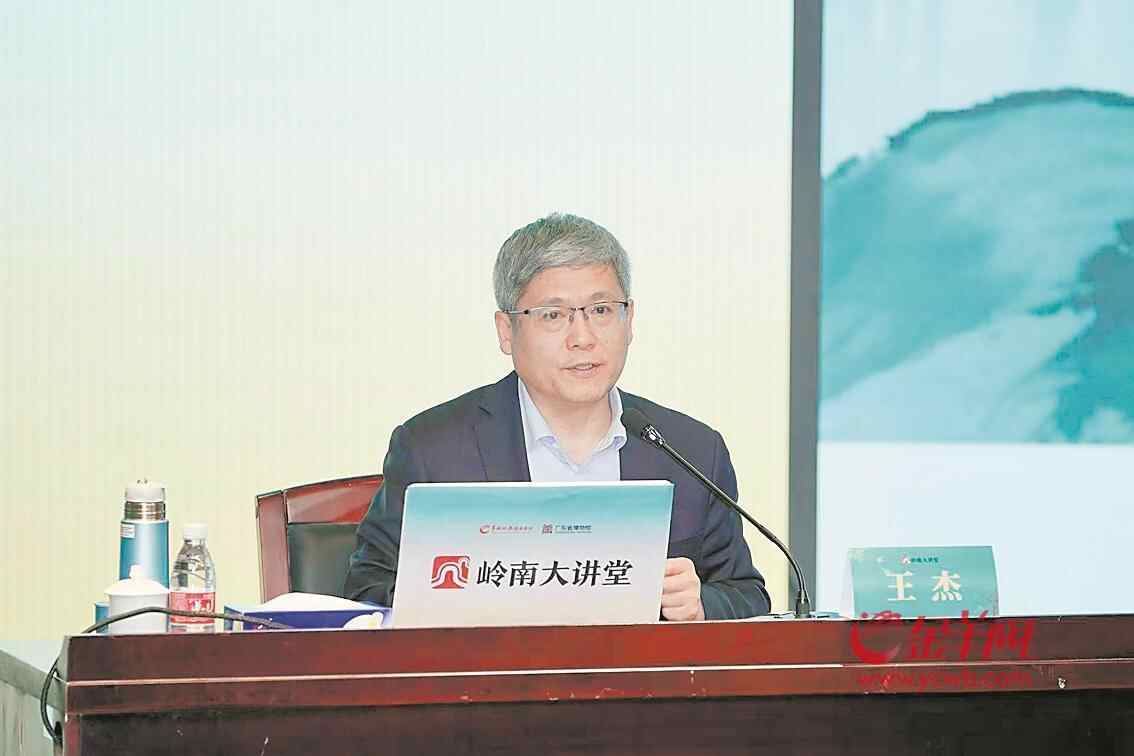
Core Insights - The lecture by Professor Wang Jie focuses on the evolution of Chinese philosophy, particularly the two significant transformations during the pre-Qin period that shaped its unique characteristics and relevance today [3][20]. Group 1: Historical Context and Framework - Chinese philosophy is not a linear development but a complex, multi-layered process that has evolved through historical interactions and transformations [3][4]. - The evolution of Chinese philosophy can be divided into seven stages, starting from the pre-Qin schools of thought to the Qing dynasty's practical studies, each building upon the previous one [6][9]. Group 2: Key Transformations - The first major transformation occurred from a "theological" perspective to a "humanistic" consciousness, marking a shift from divine authority to ethical governance during the Western Zhou period [10][13]. - The second transformation transitioned from "official learning" to "hundred schools of thought," allowing for a more diverse and independent intellectual discourse, particularly during the Warring States period [15][16]. Group 3: Philosophical Implications - The first transformation established a foundation for ethical governance, emphasizing human agency and moral responsibility over divine will [12][14]. - The second transformation fostered a rich intellectual environment where various schools of thought, such as Confucianism, Daoism, and Legalism, could emerge and compete, leading to a dynamic philosophical landscape [17][18]. Group 4: Contemporary Relevance - Understanding these historical shifts is crucial for addressing modern challenges and fostering cultural confidence, as they provide insights into how traditional Chinese philosophy can inform contemporary issues [20][21].
海南产经观察:当非遗“老爸茶”入驻五星级酒店
Zhong Guo Xin Wen Wang· 2025-12-25 06:41
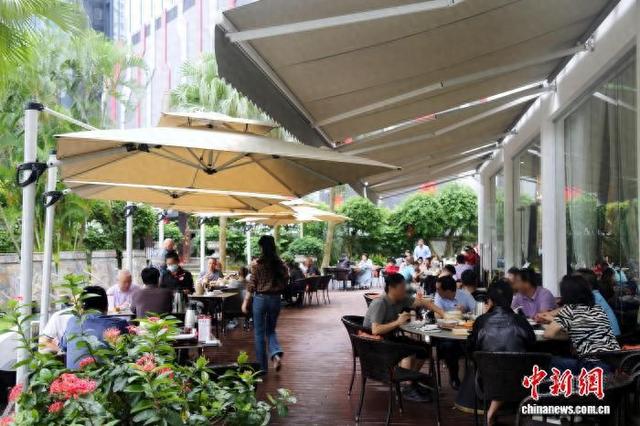
Core Viewpoint - The integration of the intangible cultural heritage "Old Dad Tea" into the five-star Hainan Junhua Haijing Hotel represents an innovative attempt to blend high-end hospitality with local culture, marking a strategic transformation towards "cultural + quality experience" [1][5]. Group 1: Cultural Integration - "Old Dad Tea" is a unique tea culture in Hainan, named after the local term for elders, and was included in the sixth batch of provincial intangible cultural heritage representative projects in 2024 [1]. - The project aims to recreate the early gathering and discussion scenes of overseas Chinese, providing a space for cultural exchange and culinary experience [5]. - The hotel has transformed its traditional all-day dining restaurant into a cultural experience space, emphasizing local culinary traditions and modern health concepts [7]. Group 2: Business Impact - Since its opening on November 1, the "Old Dad Tea" project has attracted an average of over 500 visitors daily, with over 95% being local residents and tourists, indicating strong community engagement [4]. - The hotel has been recognized as the first "Chinese National Brand Hotel" in Hainan, enhancing its reputation and cultural significance [5]. - The unique environment of the hotel provides a relaxed setting for business meetings, which is seen as beneficial for fostering closer relationships [4]. Group 3: Market Positioning - The hotel aims to differentiate itself in a competitive market by deeply exploring local culture and creating unique experiences, which is crucial in an increasingly homogenized hospitality industry [7]. - The introduction of creative tea snacks like "Hainan Pizza" and "Hainan Fried Dumpling Burger" reflects a blend of traditional flavors with modern dietary trends [7]. - The project not only enhances the hotel's cultural offerings but also represents a broader dialogue between tradition and modernity, local and international influences, and culture and commerce [7].
鉴赏与评论|揭暴行 唤良知 守和平
Xin Lang Cai Jing· 2025-12-24 22:54
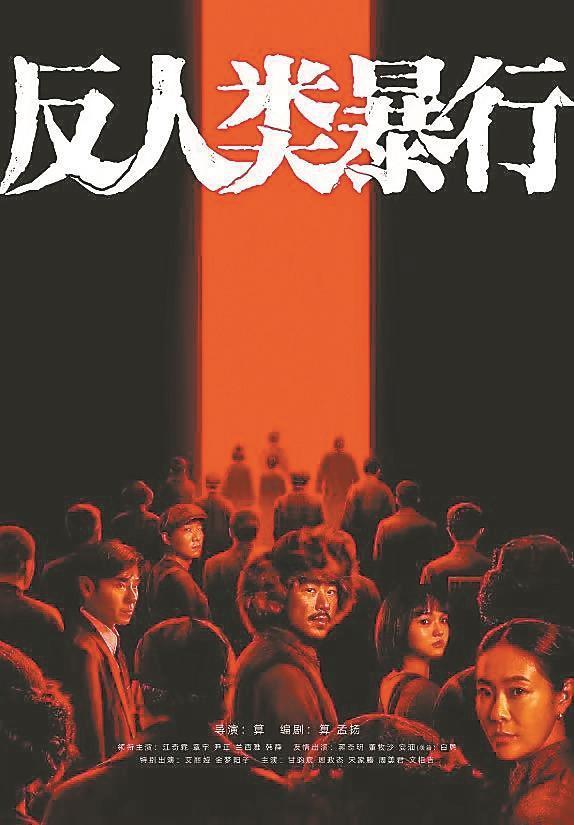
Core Viewpoint - The drama "Anti-Human Atrocities" focuses on the atrocities committed by the Japanese Army's Unit 731 during the Second Sino-Japanese War, aiming to reveal historical truths and criticize Japanese militarism, while promoting a correct historical perspective and fostering patriotism [3][4]. Group 1: Production and Reception - The drama premiered on December 13, coinciding with China's National Memorial Day, and is recognized as a key production for the 80th anniversary of the victory in the Anti-Japanese War [3]. - It has received high ratings, with a score of 8.5 on Douban, placing it among the top-rated domestic dramas of the year [3]. - Major media outlets, including Xinhua and People's Daily, have praised the series, contributing to its widespread discussion and reflection on history and peace [4]. Group 2: Narrative and Themes - The series avoids grandiose narratives, instead focusing on individual fates to create emotional resonance with the audience, highlighting the tragic experiences of victims like "909" and the harsh realities faced by ordinary people [5]. - It portrays the resilience and courage of the Chinese people through characters like Tong Changfu and Tong Yulan, while also depicting the atrocities committed by Unit 731 and the moral dilemmas faced by individuals involved [5][6]. - The narrative structure intertwines historical and contemporary timelines, using symbolic objects to connect the past and present, ultimately leading to a courtroom scene that seeks acknowledgment of historical truths [6]. Group 3: Artistic Expression - The series balances serious historical narrative with engaging artistic expression, employing a suspenseful plot and layered revelations to maintain viewer interest [7]. - High production standards are evident in detailed scene recreations, quality costume and makeup design, effective special effects, and nuanced performances, enhancing the overall quality and impact of the series [7].
愿这样的学术争鸣多些、再多些!
Xin Lang Cai Jing· 2025-12-24 20:50
作者:光明日报评论员 由光明日报发起的"昆仑石刻"学术争鸣,一定会在中国学术发展史、当代新闻研究史上,留下浓重一 笔。 愿这样的学术争鸣多些、多些、再多些! 《光明日报》(2025年12月25日 01版) 这次学术争鸣,参与人数之多、涉猎领域之广、辨析程度之深、研讨风气之正、学术氛围之浓,为新时 代学术争鸣引领方向风尚。它映照了方今学术生态,折射出时代精神风貌。没有根植血脉、世代传承的 文化自信,何来人民大众对"昆仑石刻"学术争鸣如此高涨的热情? 的确,在"人人都有麦克风"的新时代,学术争鸣不再局限学界同人,影响溢出学术圈外。大众广泛参 与,众口嚣嚣,让所有争鸣者更加珍视敬畏传统文化、更加辩证认知世界和理性表达思考。 这场争鸣,对学术普及和全社会文化素养的提升,具有重大意义。回顾这次学术争鸣,大家于诤竞中求 真知,于辩议中获智识,于揅榷中正学风,于切磋中激共进,于砥砺中开新境。 历史证明,社会大变革的时代,注定是学术大发展的时代。当下的中国,正在进行历史上最为广泛而深 刻的社会变革,给学术繁荣提供了强大动力和广阔空间,也为学术争鸣提供了肥饶沃土和得天独厚的条 件。辉映这个伟大时代,需要更多这样的学术争鸣。 作 ...
北京新春音乐会相约小年夜
Xin Lang Cai Jing· 2025-12-23 19:08
Core Viewpoint - The 22nd "Beijing Spring Festival Concert" will take place on February 10, 2026, with the theme "People's Festival, World's Spring Festival," showcasing a blend of traditional and innovative performances by artists from various generations [1]. Group 1: Event Details - The concert will feature renowned conductor Tan Li Hua leading the China Film Orchestra, with performances from the Tsinghua University International Students Art Troupe and the Vocal Opera Department of the China Conservatory of Music [1]. - The concert aims to present a cultural feast that embodies national sentiment and cultural confidence, celebrating 22 years of the concert's legacy [1][4]. Group 2: Performance Lineup - The concert boasts a strong lineup of artists, including veteran singers Jiang Dawei, Guan Muchun, and Ding Yi, alongside young talents and award-winning performers [2]. - Notable performances will include songs from various ethnic groups, such as the Yi, Uyghur, Korean, and Mongolian, highlighting the diversity of Chinese folk music [3]. Group 3: Musical Highlights - The program will feature carefully curated songs, including "Deep Affection" by Yi singer Qu Bi Awu and "Remembering Comrades" by Uyghur singer Abdu La and his son [3]. - The concert will also introduce elements from global culture, such as a collaboration between Tsinghua University international students and singer Liu Di, performing "Me and You + Jasmine Flower" [3]. Group 4: Brand Legacy - The concert has established itself as a cultural symbol in Beijing, with the slogan "Small New Year, Great Hall, Listen to Folk Songs, Wear Tang Suits" becoming a new custom for many families [4]. - The concert's artistic director, Tan Li Hua, emphasized the importance of maintaining the brand's identity while also innovating to keep the audience engaged [4]. Group 5: Organizational Support - The concert is co-hosted by the Beijing Federation of Literary and Art Circles, the China International Cultural Exchange Center, and Beijing Youth Daily, with support from various cultural organizations [5].