智慧农业

Search documents
新疆伊犁州 建成全国首个200万亩玉米“吨粮田”
Xin Lang Cai Jing· 2026-01-07 15:07
Core Insights - The total grain production in Ili Kazakh Autonomous Prefecture, Xinjiang, exceeded 8.22 billion pounds in 2025, marking the ninth consecutive year of leading grain production in the region, contributing 22.9% to the total grain production growth in Xinjiang [1][2] - The region set 17 national high-yield records and 3 regional high-yield records for spring wheat and corn, establishing the first 2 million mu (approximately 133,333 hectares) corn "ton grain field" in the country, achieving a significant yield breakthrough of over 2,400 pounds per mu [1] Agricultural Development - A total of 6.48 million mu (approximately 432,000 hectares) of high-standard farmland focused on efficient water conservation has been established, accounting for 70.6% of the cultivated area, with a stable seed variety coverage rate of over 98% [2] - The area for seed corn production occupies 64% of the total in Xinjiang, maintaining its position as the second-largest seed corn production base in the country [2] - The comprehensive mechanization rate for major crops in the region exceeds 99%, with smart agricultural technologies such as Beidou navigation, drones for pest control, and integrated water and fertilizer systems covering over 80% of the agricultural practices [2] Future Goals - Ili Prefecture aims to strengthen its agricultural capabilities by focusing on stabilizing production capacity, optimizing structure, increasing single yield, enhancing processing, and improving efficiency to contribute further to national food security [2]
数智赋能农业新质生产力发展的南充实践
Sou Hu Cai Jing· 2026-01-07 05:45
Core Viewpoint - The article discusses the implementation of smart agriculture in Nanchong, emphasizing the integration of technology and agriculture to enhance productivity and efficiency, aligning with national strategies for rural revitalization and digital transformation [2][3]. Group 1: Smart Agriculture Development - The Chinese government prioritizes smart agriculture as a key driver for rural revitalization, with various action plans established for its development from 2024 to 2028 [3]. - Nanchong has adopted four measures to develop smart agriculture, focusing on maximizing agricultural data value and cultivating new productive forces in agriculture [3]. Group 2: Blockchain and Data Utilization - The integration of AI, blockchain, and IoT technologies into the entire agricultural production process is being promoted, including the establishment of a traceability system for late-maturing citrus [6]. - Nanchong launched China's first late-maturing citrus price index, which provides real-time price updates every 3-5 days, enhancing the pricing power and brand value of "Nanchong Citrus" [6][9]. Group 3: Financial Innovation - The "Two Rights and One Product" geographical indication financial innovation has transformed intangible data assets into tangible financial capital, allowing for the monetization of agricultural data [7][9]. - A total of 1.1 billion yuan has been pre-approved for credit to 27 related enterprises in Nanchong through a new financial model that combines trademark usage rights, data intellectual property, and data products [9]. Group 4: Smart Supervision Platform - Nanchong is developing a "One Network Measurement" smart supervision platform to address challenges in data integration and multi-point supervision, initially applied to pig production [13][15]. - The platform includes various features such as environmental monitoring and health status alerts, significantly improving efficiency and reducing production costs by over 5% [15]. Group 5: E-commerce and Market Expansion - Nanchong has established a comprehensive operational model for agricultural products using Douyin (TikTok) technology, creating the first official live-streaming base for agricultural products in Western China [16]. - Collaborations with external suppliers and large enterprises are being pursued to ensure a stable supply of local agricultural products for live-streaming and bulk sales [18]. Group 6: Support Services - The city is providing extensive financial, technical, and service support to enhance the operational efficiency of agricultural bases, aiming for a total e-commerce sales volume of 2 billion yuan for the year [19].


“红美人”如何“长红”?
Xin Lang Cai Jing· 2026-01-06 23:41
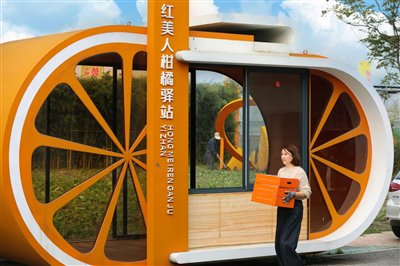
Core Viewpoint - The "Hong Meiren" citrus industry in Nanxun is undergoing a transformation to ensure sustainable development amidst changing market dynamics, focusing on quality and innovation rather than price competition [4][11]. Group 1: Market Dynamics - The current market price for "Hong Meiren" is around 30 yuan per kilogram, a decrease from previous seasons, indicating a shift in supply and demand as planting areas expand [5][6]. - The total expected yield for this season is 2.5 million kilograms, an increase of 500,000 kilograms compared to last year, despite overall market prices declining [6][9]. Group 2: Agricultural Innovation - Traditional farming methods are being replaced by smart agriculture practices, such as a digital irrigation system that allows for precise water and nutrient management, doubling the irrigation volume compared to previous years [5][6]. - An ecological cycle model is being implemented, where grass is grown for sheep feed, and sheep manure is converted into organic fertilizer for the citrus trees, reducing chemical fertilizer costs and improving soil quality [6][9]. Group 3: Collaborative Efforts - Farmers are forming cooperative networks to enhance their planting management skills and share resources, moving from isolated farming to a more unified approach [8][9]. - A new collaborative model has been established, involving government investment, management by local companies, and operational support from market entities, allowing farmers to focus on production without heavy initial investments [9][10]. Group 4: Sales and Distribution - A "minimum purchase guarantee" mechanism has been introduced, ensuring farmers receive a set price for their produce, alleviating concerns over market fluctuations [10][11]. - The sales network has expanded beyond local markets, achieving sales of 54 million yuan through partnerships with major platforms like Meituan and Hema, enhancing market competitiveness [10][11]. Group 5: Value Addition and Tourism - The "Hong Meiren" brand is being leveraged to create a comprehensive experience for visitors, combining fruit picking with cultural education and tourism, thus extending the product's value beyond mere sales [12][13]. - The initiative aims to develop processed products like juices and jams, transforming the seasonal fruit into year-round offerings, thereby broadening the market reach [13][14]. Group 6: Future Vision - The overarching goal is to establish a replicable model for agricultural development that integrates various sectors, including food processing and cultural tourism, to enhance resilience against market fluctuations [14][16].
荒地上崛起“会呼吸的绿色城堡”
Xin Lang Cai Jing· 2026-01-06 17:29
Core Insights - The article highlights the establishment of a modern agricultural base in Anhui, focusing on the cultivation of high-selenium plants using advanced technology and sustainable practices [1][2][3] Group 1: Technological Advancements - The agricultural base utilizes a 5G-enabled smart greenhouse, which allows for real-time monitoring of environmental data, ensuring optimal growth conditions for crops [1] - The smart planting model achieves a 70% reduction in water usage and a 90% reduction in fertilizer application, significantly decreasing agricultural pollution by approximately 30 tons annually [1] Group 2: Product Development and Market Strategy - The company plans to transform the high-selenium plant, known as "堇叶碎米荠," into high-value health products such as freeze-dried powder, selenium tablets, and functional beverages, aiming for an annual output of 300 kilograms and an additional revenue of over 15 million yuan [2] - A 5G traceability system will allow consumers to access comprehensive information about the product's journey from cultivation to processing, enhancing transparency and consumer trust [2] Group 3: Community Impact and Economic Development - The development of the agricultural base is expected to create job opportunities for local farmers, with a model that integrates the company, base, farmers, and village collectives, potentially benefiting over 30 households [2] - The local government supports the selenium industry through subsidies, expedited land approvals, and financial incentives, contributing to the growth of the high-selenium brand in the region [2]
肥西县新产业新业态带头人智慧农业培训班结业
Zhong Guo Xin Wen Wang· 2026-01-06 09:16
Core Insights - The training program aims to cultivate a new generation of high-quality farmers in smart agriculture to support the transformation and upgrading of agriculture in Feixi County [1] Group 1: Training Objectives - The training focuses on the core theme of "smart agriculture," aligning with the trends of digitalization, intelligence, and networking in agriculture [1] - It includes practical courses on smart agricultural technology application, e-commerce operation and brand building for agricultural products, leisure agriculture and rural tourism innovation, and modern agricultural management [1] Group 2: Training Format and Participants - The training utilized various formats such as expert lectures, case studies, field discussions, and experience sharing to provide a comprehensive learning experience [1] - A total of 40 outstanding participants from Feixi County, including leaders of farmer cooperatives, family farm owners, rural tourism developers, agricultural product processing managers, and rural e-commerce leaders, attended the training [1] Group 3: Expected Outcomes - The organizers hope that participants will convert their new knowledge and ideas into concrete actions to drive actual industry development [1] - There is an emphasis on applying smart agricultural technologies and exploring new business models to enhance the income of more farmers [1]

警惕以“云养经济”为名的涉农非法集资陷阱
Sou Hu Cai Jing· 2026-01-06 03:34
Core Viewpoint - The rise of "cloud farming economy" has led to illegal fundraising activities that threaten public financial security and disrupt social stability, necessitating regulatory measures to address these issues. Group 1: Issues Identified - The "cloud farming economy" is being misused by criminals who falsely promote projects by linking them to national policies like rural revitalization and smart agriculture, using high return promises to attract investments while evading financial regulations [1] - Criminals often combine real operations with fake scales, initially conducting small-scale legitimate activities to build trust, then inflating project scales and fabricating data to attract more funds, which are misused for high-interest payments and personal expenses [1] - The long production cycles and vulnerability to natural factors in agriculture are exploited by fraudsters to delay payouts, using excuses like "production cycle not reached" or "natural disasters" to buy time for fund misappropriation [2] Group 2: Suggested Governance Measures - Strengthening inter-departmental collaborative regulation is essential, establishing a mechanism involving financial, agricultural, market, public security, and internet information departments to monitor and assess risks associated with "cloud farming economy" projects [3] - Increasing law enforcement efforts against illegal fundraising in the "cloud farming economy" is crucial, focusing on false advertising and fictitious projects, while also educating vulnerable groups through case studies to enhance awareness [3]
“新农人”玩转智慧农业 “小”菜园闯出“大”市场 | 我与国家一起前行
Yang Shi Wang· 2026-01-06 02:18
Core Viewpoint - The recent Central Rural Work Conference emphasizes the need to enhance the quality and efficiency of the "vegetable basket" industry, aiming to improve the diversified food supply capacity, with Shouguang, Shandong, recognized as a leading facility vegetable production base in China [1] Group 1: Industry Development - Shouguang has a stable vegetable planting area of over 600,000 acres, with yields more than three times the national average [1] - The local government has implemented supportive policies for vegetable seed industry development and talent recruitment, establishing modern intelligent parks to attract skilled young individuals to facility agriculture [31] - Over 8,000 technical personnel from Shouguang are currently guiding vegetable production across the country [31] Group 2: Technological Innovation - New farmer Luan Hongyun has developed various innovative greenhouse models and planting techniques, significantly enhancing agricultural efficiency [3][4] - The introduction of smart greenhouses allows for integrated water and fertilizer management, enabling precise irrigation and fertilization through remote control [19] - The use of advanced heating systems in greenhouses, such as double-layer heat-collecting greenhouses, maintains temperatures above 10°C even in extreme cold [11] Group 3: Market Expansion - Luan Hongyun's use of short videos for marketing has led to significant business growth, with over 60% of his contracts now sourced through online platforms [27] - Shouguang's agricultural products and technologies are being exported globally, with over 270 vegetable parks established in more than 40 countries [33] - The local agricultural model has gained international recognition, with clients from countries like Romania seeking to adopt Shouguang's greenhouse technology [29] Group 4: Youth Engagement - More than 30% of Shouguang's vegetable farmers are young individuals from the "80s," "90s," and "00s" generations, indicating a shift towards a new generation of farmers driving rural economic development [36] - The success of young farmers like Luan Hongyun inspires others to return to their hometowns and engage in agriculture, contributing to rural revitalization [36][39] Group 5: Future Outlook - The integration of technology and professional knowledge in agriculture is expected to empower more young farmers, aligning their aspirations with the broader goals of rural revitalization [44] - The ongoing development of Shouguang's agricultural model reflects a promising future for facility agriculture, with potential for further global expansion [39]
【四中全会精神在基层】庄浪:小种薯“链”动大产业
Xin Lang Cai Jing· 2026-01-06 00:55
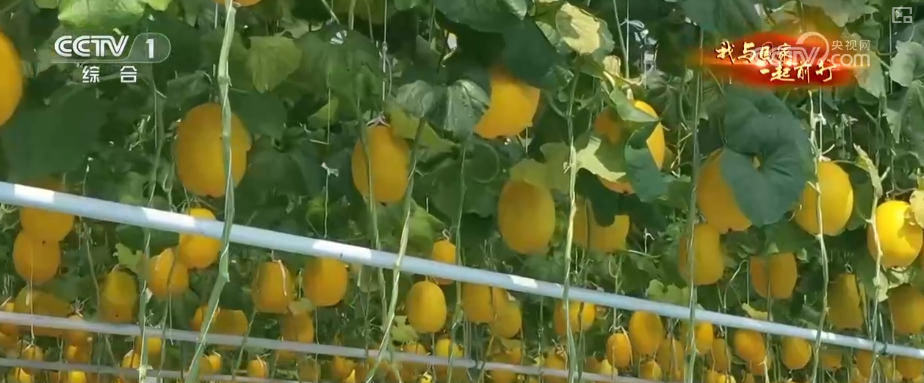
Core Insights - The article highlights the development of the potato industry in Zhuanglang County, emphasizing the role of high-quality seed production in creating a billion-yuan industry chain [1][2]. Group 1: Seed Production and Technology - Zhuanglang County's potato breeding center is the only county-level breeding unit in China, having developed seven potato varieties, including 'Zhuangshu No. 3', which has been planted over 8 million acres across seven provinces, generating over 110 billion yuan in value [1]. - The breeding center employs advanced techniques such as virus-free seedling propagation and smart agricultural systems, achieving an annual production of 10 million virus-free seedlings and 40 million original seeds [1]. Group 2: Processing and Product Quality - The processing company, Hongda Starch Processing Co., utilizes 'Zhuangshu No. 3' as its core raw material, which has a starch content of 21%, surpassing ordinary varieties by 5 percentage points, thus enhancing processing yield and product quality [2]. - The collaboration between the breeding center and processing companies has resulted in a product quality compliance rate exceeding 99%, with products receiving 'Guanwei' brand certification [3]. Group 3: Industry Growth and Future Prospects - The potato planting area in Zhuanglang has stabilized at over 360,000 acres, with an annual total output of 600,000 tons and a total annual value exceeding 1 billion yuan, including over 200 million yuan from deep processing products [3]. - The breeding center aims to strengthen the industry chain further, transforming potatoes into valuable products [3].
从“汗滴禾下土”到“数据入云端”(人民时评)
Ren Min Ri Bao· 2026-01-05 22:31
Core Viewpoint - The development of smart agriculture in China is accelerating during the "14th Five-Year Plan" period, driven by technological innovation, which aims to modernize agricultural practices and enhance food security [1][2]. Group 1: Technological Advancements - Smart agricultural practices are being implemented across various regions, including precision planting in Sichuan and automated dairy farming in Inner Mongolia, showcasing the integration of technology in agriculture [1]. - The transformation from traditional agriculture to smart agriculture is redefining traditional factors of production, such as land and labor, leading to reduced production costs and increased yields [2]. Group 2: Industry Structure and Integration - Smart agriculture is breaking down information barriers between production, processing, and sales, fostering deep integration of primary, secondary, and tertiary industries, and creating new business models like e-commerce and leisure agriculture [2]. - The shift towards smart agriculture is expected to enhance the overall competitiveness of the agricultural sector and support rural revitalization efforts [2]. Group 3: Workforce Transformation - The emergence of new types of laborers, such as skilled agricultural workers and data-driven farmers, reflects a shift in the agricultural workforce towards a more educated and innovative demographic [3]. - The role of farmers is evolving into a composite profession that combines traditional agricultural knowledge with modern information skills, attracting young talent back to rural areas [3]. Group 4: Future Challenges and Opportunities - The comprehensive development of smart agriculture faces challenges such as the need for independent key technologies and data sharing barriers [3]. - The ongoing implementation of "Artificial Intelligence +" in agriculture is expected to create a resilient and self-sufficient smart agricultural ecosystem, ensuring food security for the future [3].
党建引领“统种共富”高原菜心香飘四方
Xin Lang Cai Jing· 2026-01-05 18:44
Core Viewpoint - The article highlights the successful implementation of a "party-led" model in Ganshu Bay Village, which has transformed agricultural practices and improved the economic conditions of local farmers through collective farming and mechanization [6][7][10]. Group 1: Agricultural Development - The Ganshu Bay Village has achieved a sales revenue of 5 million yuan from highland cool vegetables, with established market channels to major regions including the Greater Bay Area and Beijing [6][8]. - The village has integrated 66.87 hectares of land for large-scale cultivation of high-quality cool vegetables, enhancing income through a "three-gold" model: rental income from land transfer, wages from employment, and collective dividends [8][12]. - The introduction of mechanized farming and a cooperative model has allowed farmers to shift from individual efforts to collective development, significantly increasing productivity [7][10]. Group 2: Economic Impact - The cooperative model has led to an increase in collective economic income by 90,000 yuan annually, benefiting around 150 stable jobs in the region [8][11]. - The integration of over 2,600 acres of land has resulted in direct land transfer fees of 14.4 million yuan reaching farmers, creating 2225 stable jobs with a total annual income of 16.39 million yuan from labor [11][12]. - The establishment of a modern cold storage facility with a capacity of 4000 cubic meters has reduced vegetable spoilage rates from 20% to 5%, enhancing the quality and marketability of the produce [12]. Group 3: Infrastructure and Investment - An investment of 5.07 million yuan has been made in high-efficiency water-saving irrigation projects, improving irrigation efficiency over 1000 acres [12]. - The construction of a vegetable processing base with advanced equipment aims to transition from primary agricultural products to high-value processed goods [12][13]. - Future plans include the development of a smart agriculture model that integrates traditional farming with modern technology, enhancing the overall agricultural landscape of the region [13].