
文化传承

Search documents
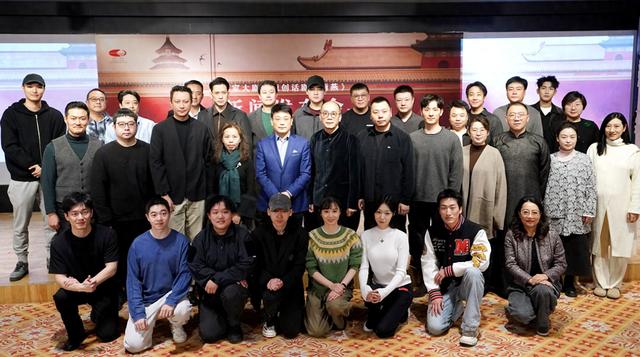
钩沉故宫测绘传奇,国家大剧院原创话剧《雨燕》月底首演
Xin Lang Cai Jing· 2026-01-09 11:29
Core Viewpoint - The original play "Rain Swallow" by the National Centre for the Performing Arts aims to tell a story about cultural heritage and the historical significance of the Beijing Central Axis during the Anti-Japanese War, highlighting the dedication of architects in preserving ancient architecture [1][3][6]. Group 1: Historical Context - "Rain Swallow" is based on the true story of architect Zhang Di, who, during the early years of the Anti-Japanese War, formed a surveying team to document ancient buildings in Beijing, particularly the Forbidden City, amidst the turmoil of war [3][6]. - The play emphasizes the importance of the "Central Axis" concept introduced by Liang Sicheng and his colleagues, which elevated architectural preservation to a cultural heritage level [3][6]. Group 2: Creative Process - The script, written by Tang Ling, took three years to develop, involving extensive research into architecture and the social atmosphere of Beijing during that era [9]. - The creative team conducted field studies at Tianjin University and the Forbidden City to ensure historical accuracy and depth in character portrayal [9][11]. Group 3: Artistic Vision - The play aims to balance dramatic storytelling with architectural knowledge, presenting the rigorous and challenging nature of surveying work while conveying the humanistic aspects behind it [6][11]. - The imagery of the "Rain Swallow," a bird native to Beijing, symbolizes resilience and the enduring spirit of those who protect cultural heritage, adding a layer of emotional depth to the narrative [11][15]. Group 4: Production Team - The production features a strong creative team, including director Fang Xu and set designer Wang Chen, alongside a cast of experienced actors from various artistic institutions [6][15]. - The play is noted for its unique interpretation of Beijing's cultural essence, blending traditional elements with new explorations [15].

2026北京图书订货会在京开幕 “新接力书信集”(第一辑)出版
Zhong Guo Jing Ji Wang· 2026-01-09 09:36
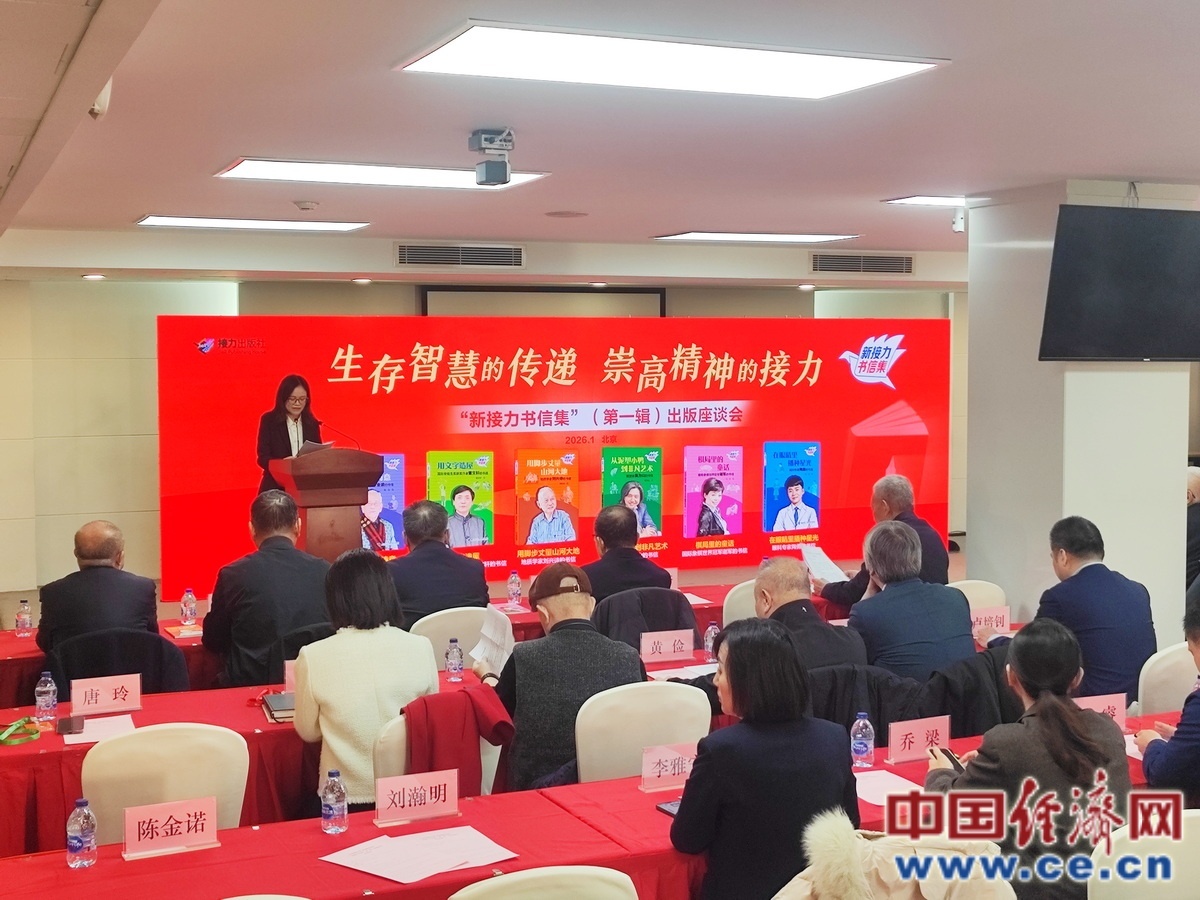
中国经济网北京1月9日讯(记者 李冬阳) 2026年1月8日,2026北京图书订货会在北京中国国际展览 中心(朝阳馆)开幕。当日,由接力出版社主办的"生存智慧的传递 崇高精神的接力——'新接力书信 集'(第一辑)出版座谈会"在北京召开,嘉宾围绕接力出版社最新推出的"新接力书信集"展开讨论。 据介绍,1987年出版的"接力书信集",收录了徐向前、史光柱、钱三强、冰心等革命前辈、战斗英 雄、科学家、艺术工作者与少年儿童交流的往来书信,信件里是20世纪80年代孩子们的所思、所感、所 疑、所忧,回信中包含着前辈们的关怀、嘱托、鼓励和期望,接力出版社的社名也源于此。 此次推出的"新接力书信集",旨在为搭建两代人心灵沟通的桥梁,传承新时代杰出人物宝贵的精神 财富,让少年儿童获取理想与精神力量。第一辑收录了金波、曹文轩、刘兴诗、吴为山、谢军、陶勇与 少年儿童的书信对话,讲述了这些榜样人物的成长故事、生活反思和经验分享。 座谈会现场。中国经济网记者李冬阳/摄 座谈会最后,接力出版社总编辑唐玲总结道,文化的接力,理想的接力,精神的接力,接力的目的 是出书育人,培养民族复兴伟大事业的接班人。"新接力书信集"会一直做下去,争取做到 ...
中国国家版本馆中央总馆开放周末研学 沉浸式感受中华文脉
Xin Lang Cai Jing· 2026-01-09 08:21
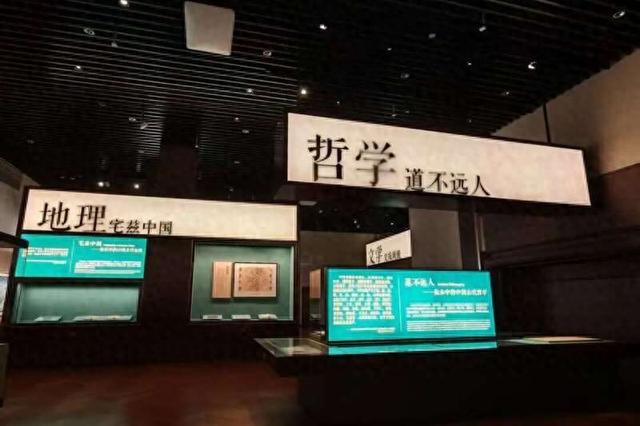
Core Insights - The China National Version Museum has opened a weekend study activity reservation channel, allowing the public to engage in immersive cultural exploration guided by professionals [1] - The museum serves as a national-level cultural institution that integrates various forms such as libraries, museums, archives, and art galleries, showcasing over 30 million items of diverse cultural resources [1] - The museum's mission includes promoting Chinese cultural heritage, enhancing cultural confidence, showcasing national image, and facilitating civilizational dialogue [1] Group 1 - The study activities are designed to last 2-3 hours, featuring a dedicated itinerary that includes an introduction to the museum, a version craft exhibition, and a showcase of traditional Chinese art [2] - The version craft exhibition focuses on the interpretation of contemporary version concepts, while the "Cultural Heritage" exhibition presents over 400 artifacts illustrating the evolution of ancient Chinese civilization [2] - The museum has a professional team for guiding the study activities, comprising multi-disciplinary talents, including award-winning museum guides and language specialists fluent in English, French, and Japanese [4] Group 2 - The study activities are developed by the Changping Cultural Tourism Group, aiming to transform static collections into dynamic cultural experiences, particularly for youth, to foster cultural identity and pride [4] - The initiative also aims to enhance the cultural tourism offerings in Changping District, contributing to the development of a comprehensive tourism brand [4] - Future plans include optimizing service details and designing targeted study products based on the needs of different groups [5]
让甲骨碎片开口 诉说殷商社会日常
Xin Lang Cai Jing· 2026-01-08 23:08
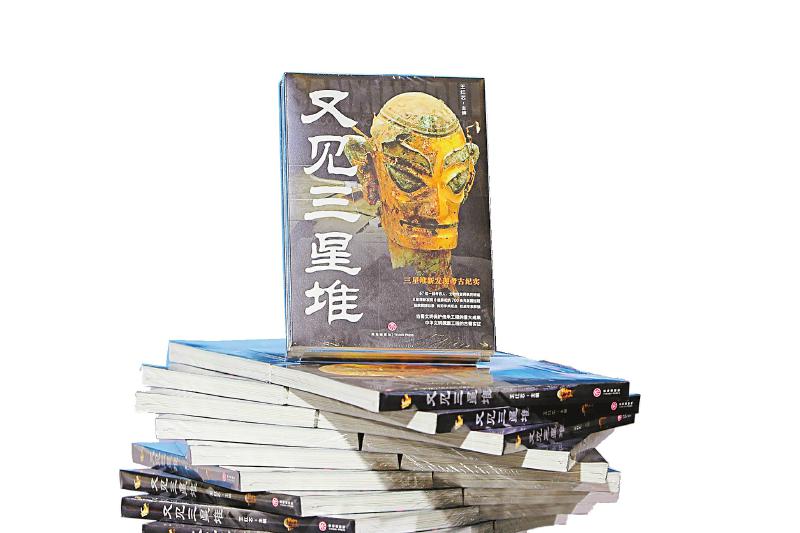
Group 1 - The core viewpoint of the articles highlights the cultural significance of two major publications launched at the 38th Beijing Book Fair, focusing on ancient Chinese civilization and archaeology [3] - The first publication, "Oracle Bone Dictionary," is the first comprehensive dictionary of oracle bone script, containing 3,840 headwords and 7,736 entries, aimed at decoding ancient Chinese characters and filling gaps in the study of oracle bone language [4] - The second publication, "Once Again Sanxingdui," documents five years of archaeological work, showcasing the restoration of bronze artifacts and the dedication of archaeologists in uncovering the wisdom of ancient Shu civilization [5] Group 2 - "Oracle Bone Dictionary" is praised by experts for its modern academic approach to decoding the origins of civilization and is seen as a significant step in the systematic study of oracle bones [4] - The publication aims to make ancient texts accessible to the general public through digital and intelligent means, promoting cultural heritage [4] - "Once Again Sanxingdui" features over a hundred archaeological site images and restoration visuals, providing a vivid connection between ancient Shu civilization and contemporary audiences [5]
人民家书这一年(人民家书)
Ren Min Ri Bao Hai Wai Ban· 2026-01-08 22:55
Core Viewpoint - The "People's Letters" initiative, launched by the People's Daily Overseas Edition, aims to commemorate historical events and express national sentiments through personal letters, weaving individual stories into the broader narrative of national memory and cultural identity [5][6][10]. Group 1: Historical Context and Significance - The initiative was launched on July 7, 2025, marking the 88th anniversary of the outbreak of the War of Resistance Against Japan and the 80th anniversary of the victory in the World Anti-Fascist War [5][6]. - Over six months, "People's Letters" published more than 100 letters across 30 special editions, connecting personal emotions with national history [5][6][10]. Group 2: Thematic Focus - The "Anti-Japanese War Letters" featured letters from notable figures like Zuo Quan and Zhao Yiman, highlighting the spirit of resistance and patriotism during the war [6][7]. - The initiative also included themes such as "Nanjing Massacre Remembrance" and "Letters from the Korean War Volunteers," emphasizing historical memory and the sacrifices made by individuals [7][9]. Group 3: Cultural and Emotional Resonance - "People's Letters" serves as a medium to explore cultural roots and collective responsibility, using the format of letters to evoke empathy and connection [6][8]. - The initiative has expanded to include contemporary themes, such as "Military Parade Letters" and "Sports Letters," reflecting modern Chinese values and the spirit of perseverance [8][9][14]. Group 4: Innovative Communication Strategies - The project employs innovative methods, including voice readings by national actors and AI technology to recreate historical contexts, enhancing audience engagement [10][16]. - A combination of online and offline interactions has been utilized to encourage public participation, transforming the act of writing letters into a cultural practice [10][16]. Group 5: Future Directions - The "People's Letters" initiative plans to continue documenting the intersection of ordinary lives with historical narratives, aiming to reflect the evolving spirit of the Chinese people [11][17].
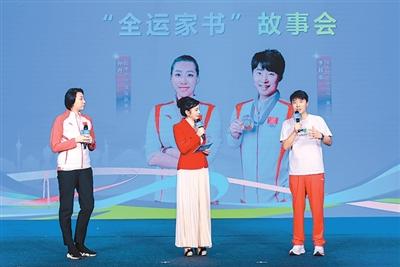
实现文化传承与思政教育同频共振
Xin Lang Cai Jing· 2026-01-08 22:05
Core Viewpoint - The integration of traditional Chinese culture into higher education ideological and political education is essential for fostering cultural confidence and nurturing new generations, requiring systematic advancement from top-level design, educational teaching, and faculty development [1] Group 1: Top-Level Design Dimension - Establish a systematic planning and institutional guarantee by enhancing organizational mechanisms and leadership roles, forming a collaborative working group involving multiple departments to ensure the scientific and effective integration of traditional culture into education [2] - Improve the institutional framework by incorporating traditional culture into the overall development plan of the university, enhancing curriculum design, teaching evaluation, and faculty training [2] Group 2: Educational Teaching Dimension - Strengthen classroom teaching by creating a multi-dimensional curriculum system that includes mandatory and elective courses focused on traditional culture, integrating its content into ideological education [3] - Foster a cultural atmosphere by designing campus environments that reflect traditional culture and organizing activities that engage students in cultural experiences [3] Group 3: Faculty Development Dimension - Enhance talent recruitment by implementing specialized plans to attract high-level professionals and young teachers with expertise in traditional culture [4] - Establish a training system to improve teaching capabilities, incorporating traditional culture into existing teacher training programs and promoting interdisciplinary collaboration among faculty [4]
百年守护 因AI而“声”动
Xin Lang Cai Jing· 2026-01-08 03:31
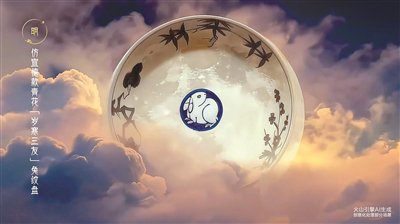
Core Insights - The Palace Museum is celebrating its centenary in 2025, marking a century of safeguarding cultural heritage and evolving methods of cultural transmission in the digital age [2][3] - The launch of the "Listening to Treasures Speak" AI interactive podcast in collaboration with Volcano Engine represents a new approach to cultural preservation, allowing artifacts to "speak" through AI technology [2][4] Cultural Preservation - The history of the Palace Museum is centered around the protection of cultural artifacts, particularly during the tumultuous periods of the 1930s and 1940s when treasures were relocated to avoid destruction [3] - True cultural transmission goes beyond mere display; it involves engaging audiences in a way that resonates emotionally and intellectually [3][4] Technological Innovation - The "Listening to Treasures Speak" project utilizes advanced AI technology to create an interactive experience where users can narrate stories of selected artifacts, fostering a deeper connection with history [4][5] - The project represents a shift from passive learning to immersive interaction, allowing children to engage with history in a more personal and meaningful way [4][6] Collaboration and Challenges - The collaboration between AI technology and the Palace Museum presents challenges in balancing historical accuracy with engaging storytelling for children [5][6] - The AI models used in the project have evolved to include deep semantic understanding and emotional expression, enhancing the storytelling experience [6][8] Future of Cultural Engagement - The AI podcast project signifies a deeper commitment to integrating technology with cultural education, transforming how knowledge is disseminated to younger audiences [7][9] - This initiative aims to ensure that cultural heritage not only survives but thrives in contemporary society, fostering a sense of identity and connection among future generations [7][10] Broader Implications - The partnership between Volcano Engine and the Palace Museum exemplifies how technology can fulfill social responsibilities in cultural transmission, moving from mere preservation to creative transformation [9][10] - The evolution of cultural engagement through technology highlights the potential for interactive and collaborative experiences that redefine the relationship between artifacts and audiences [8][10]
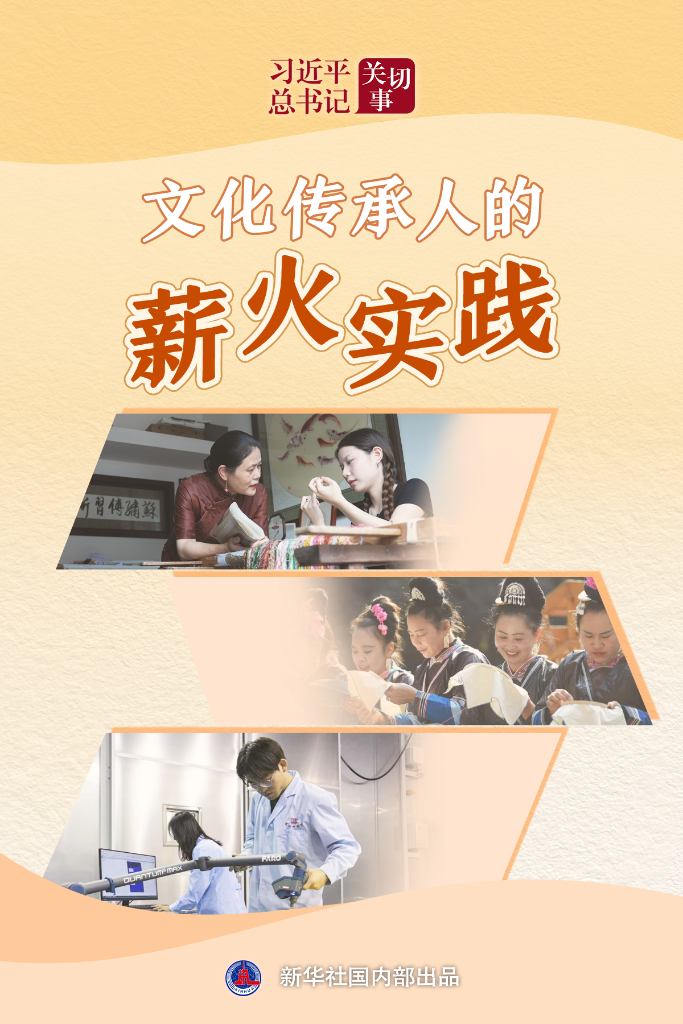
习近平总书记关切事·嘱托丨文化传承人的薪火实践
Xin Hua Wang· 2026-01-07 03:02
Core Viewpoint - The article emphasizes the importance of cultural heritage preservation and innovation in China, showcasing various cultural inheritors who blend traditional techniques with modern creativity to keep ancient arts alive and relevant in contemporary society [2][9]. Group 1: Cultural Inheritance - The article highlights the dedication of cultural inheritors like Lu Jianying, a representative of Suzhou embroidery, who has passed down the craft through four generations, integrating traditional skills with modern design [3][6]. - Lu Jianying's work exemplifies the resilience and patience inherent in Chinese culture, as she spends over ten hours daily perfecting her craft, emphasizing the importance of maintaining a deep connection to cultural roots [4][6]. - The younger generation, represented by Lu's daughter, is actively participating in the preservation of Su embroidery, bringing fresh ideas and contemporary aesthetics to the traditional craft [7]. Group 2: Innovation in Cultural Practices - The article discusses the efforts of cultural inheritors in Guizhou, such as Lu Yongmei, who leads a cooperative focused on traditional indigo dyeing, successfully reviving interest among the youth and expanding the cooperative's membership significantly [10][11]. - Lu Yongmei's cooperative has developed over 600 innovative products, integrating modern design principles with traditional dyeing techniques, thus meeting diverse market demands [11][12]. - The cooperative's projected revenue for 2025 is over 20 million yuan, indicating a successful blend of cultural heritage with modern business practices [13]. Group 3: Technological Integration in Cultural Preservation - The Dunhuang Academy employs advanced technology for the preservation of cultural heritage, focusing on preventive measures rather than just restoration, which aligns with modern conservation practices [15][17]. - The Academy has implemented nearly 50 projects since 2019 aimed at protecting ancient murals and sites, establishing a comprehensive technical system for cultural heritage preservation [17][18]. - A new joint laboratory for cultural heritage protection between China and Kyrgyzstan aims to address common challenges in preserving Silk Road heritage, showcasing international collaboration in cultural conservation [18][20].
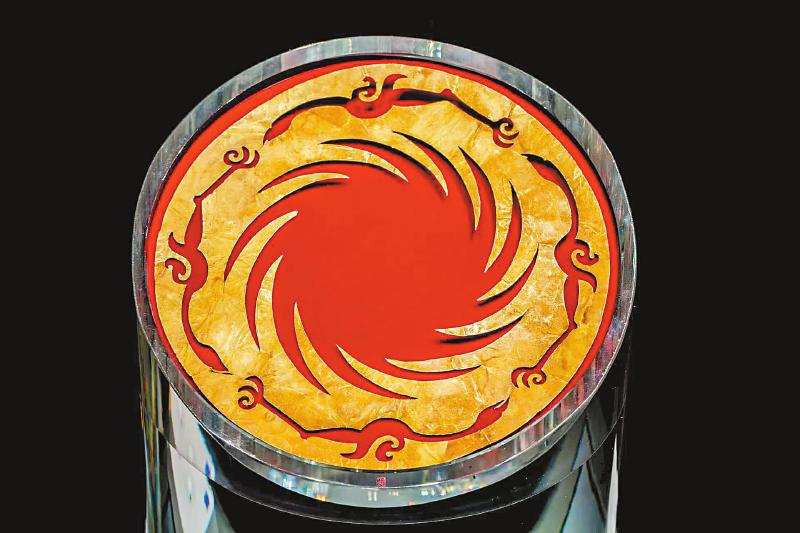
三星堆—金沙遗址古蜀文明展1月18日在国博开展 所有展品将于8月18日展览结束后返回 太阳神鸟金饰“出差” 古蜀文明将亮相国博
Si Chuan Ri Bao· 2026-01-07 00:17
Core Viewpoint - The exhibition of cultural relics from the Sanxingdui and Jinsha sites at the National Museum of China aims to showcase the brilliance of ancient Shu civilization, featuring over 200 exquisite artifacts, including the highly anticipated Sun God Bird gold ornament and Jinsha gold mask [3][5][6]. Exhibition Details - The Jinsha Museum has successfully completed the handover of over 100 sets of cultural relics, and the exhibition setup is progressing smoothly [4]. - The exhibition will officially open on January 18, featuring artifacts that represent the peak of ancient Shu civilization [4]. Key Artifacts - The exhibition includes 108 sets of relics, such as gold, jade, bronze, stone, pottery, and oracle bones, reflecting the craftsmanship and spiritual beliefs of ancient Shu people [5]. - The Sun God Bird gold ornament will be displayed on April 18, and the Jinsha gold mask will be showcased on June 13, coinciding with significant cultural heritage days [5]. Transportation and Safety Measures - The process of transporting cultural relics involves strict adherence to legal regulations, including comprehensive assessments and obtaining necessary permissions [6]. - A specialized team is responsible for the packaging and transportation of the artifacts, ensuring environmental stability and safety throughout the journey [6]. Cultural Significance - The exhibition serves as a vital platform for cultural transmission, education, and academic exchange, promoting the prosperity of traditional Chinese culture [7]. - The display of Jinsha relics at the National Museum exemplifies the commitment to making cultural heritage accessible to the public and fostering cultural exchange [8].
一碗面里的青海
Xin Lang Cai Jing· 2026-01-06 18:31
Core Viewpoint - The narrative highlights the evolution of a family-run noodle shop in Qinghai, symbolizing the region's transformation over the past 70 years, reflecting resilience, innovation, and cultural heritage [1][2][3] Group 1: Historical Context - The noodle shop has been in operation for nearly 70 years, starting from humble beginnings with a bag of barley flour during a famine [1] - The founder's journey began in 1949, with the shop evolving from a mud-brick house to a modern establishment, paralleling the development of Qinghai [1][2] - The shop has witnessed significant changes in the region, including the construction of the Qinghai-Tibet Railway and highways, which have transformed the local economy and infrastructure [1][2] Group 2: Cultural Significance - The noodle dish serves as a symbol of emotional connection and cultural identity, representing the struggles and achievements of the local community [2] - The shop's history is documented through photographs that illustrate the transformation of the region from barren land to a thriving oasis [2] - The act of making noodles is portrayed as a form of cultural transmission, where each generation contributes to the legacy while adapting to modern changes [2] Group 3: Community and Innovation - The current generation is learning to blend traditional recipes with modern innovations, reflecting the ongoing evolution of the noodle shop [2] - The shop attracts a diverse clientele, including engineers and ecologists, indicating its role in the broader narrative of Qinghai's development, particularly in clean energy [1][2] - The narrative emphasizes the importance of maintaining roots while embracing change, showcasing the balance between tradition and modernity [2]