企业重整

Search documents
地产大佬黄红云失去金科股份控股权
Mei Ri Jing Ji Xin Wen· 2025-09-24 01:03
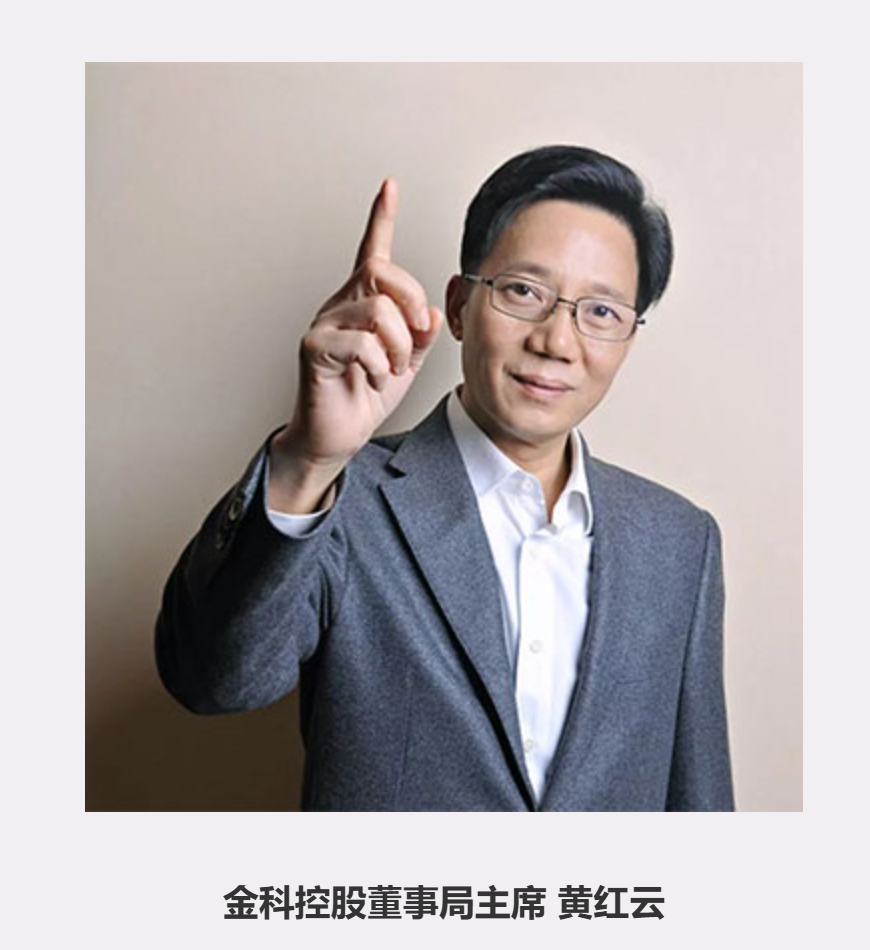
Core Viewpoint - Kinko Co., Ltd. has undergone a significant restructuring process, resulting in a change of control from its founder, Huang Hongyun, to a new investor consortium led by Shanghai Pinqi [1][3][21]. Group 1: Restructuring Announcement - On September 22, Kinko Co., Ltd. announced that its restructuring manager has transferred a total of 9.93 billion shares to the designated accounts of all restructuring investors, representing 9.34% of the company's total share capital [1][3]. - The restructuring investors include three industrial investors and 25 financial investors, with Shanghai Pinqi leading the consortium [1]. Group 2: Change of Control - The new major shareholders, Jingyu Xingzhu and Jingyu Xingcan, have taken over as the largest shareholders, leading to Huang Hongyun and Kinko Holdings exiting their positions as actual controllers and major shareholders [3][21]. - Following the restructuring, Kinko Holdings' shareholding will decrease from 4.55% to 2.28%, while Huang Hongyun's shareholding will drop from 8.78% to 4.41% [19][20]. Group 3: Historical Context - Huang Hongyun, once a prominent figure in the real estate industry, has seen a dramatic decline in his control over Kinko Co., Ltd., which he founded and built into a significant player in the market [4][24]. - The company experienced rapid growth, reaching sales of 200 billion yuan at its peak in 2020, but has faced significant challenges leading to its restructuring [9][10]. Group 4: Future Steps - The company will soon initiate a board re-election process, allowing the new investors to nominate seven board members, including independent directors [17]. - The restructuring plan will be formally executed after completing the establishment of a trust plan and cash debt repayment resources [22][23].


汇源果汁重整僵局致产品下架: 新老股东争公章 员工一度要进群领工资
Di Yi Cai Jing· 2025-09-23 15:01
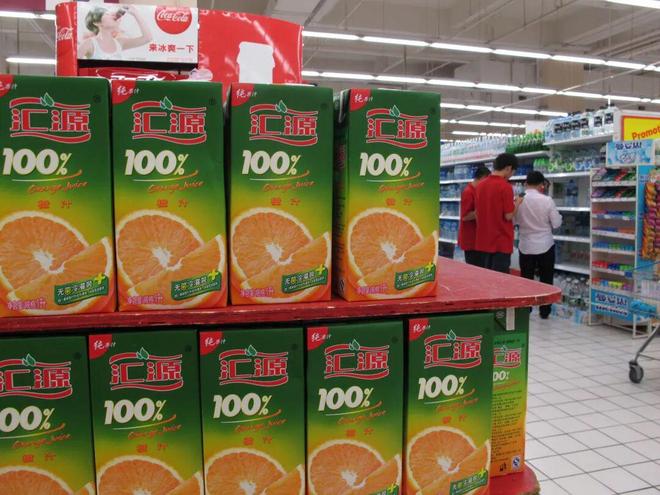
Group 1 - The core issue revolves around the internal power struggle at Beijing Huiyuan Food and Beverage Co., with Wang Qinghan's recent appointment as general manager highlighting the conflict between the new and original management teams [1][2][3] - Wang Qinghan's public letter indicates that the new management team, backed by Shanghai Wensheng Asset Management Co., has taken control after a capital increase, while the original management team has accused them of illegal actions and disruption of normal operations [2][3] - The restructuring process has reached a stalemate, with the original management team still controlling the supply chain and distribution channels, while the new management holds the "Huiyuan" brand [1][5][6] Group 2 - The restructuring plan approved in June 2022 involved a capital increase of 1.6 billion yuan over three years, but delays in funding have strained relations between the parties [2][5] - The original management team has raised concerns about the new management's actions, including the alleged misuse of company resources and the impact on employee rights and operations [3][4][6] - The ongoing conflict has led to disruptions in e-commerce operations, although offline sales have not yet been significantly affected [1][6] Group 3 - The new management plans to initiate public bidding for contract manufacturing and recruit distributors, potentially escalating the competition and market confusion [7] - Industry experts suggest that the power struggle may harm the brand and overall business, as both sides prioritize their interests over the company's recovery [7][8] - The situation poses risks for creditors and potential investors, as the ongoing disputes could hinder future growth and stability [6][7]

汇源果汁产品遭下架:新老股东争公章,员工要进群领工资
Di Yi Cai Jing Zi Xun· 2025-09-23 14:22
Core Viewpoint - The internal conflict at Beijing Huiyuan Food and Beverage Co., Ltd. has escalated, revealing a power struggle between the new management led by Wang Qinghan and the original management team, impacting the company's operations and market presence [2][5][8]. Group 1: Management Changes and Control - Wang Qinghan was appointed as the general manager after the restructuring plan was approved, with Shanghai Wensheng Asset Management Co., Ltd. becoming the controlling shareholder [2][3]. - The original management team accused Wang Qinghan of using coercive tactics to force employees to choose sides, disrupting normal operations [2][5]. - The restructuring process has reached a stalemate, with the new management holding the "Huiyuan" brand while the original team retains control over the supply chain and distribution resources [2][7]. Group 2: Financial Commitments and Challenges - Wensheng Asset committed to a total investment of 1.6 billion yuan over three years, but the second tranche has not been received, leading to tensions between the parties [4][7]. - The original management team claims that Wensheng Asset's actual capital contribution is only 22.8% of the registered capital, with significant overdue investments [7][8]. - The financial instability has raised concerns about the company's ability to operate effectively, with reports of misappropriated funds and unapproved payments to related parties [7][8]. Group 3: Market Impact and Future Prospects - The internal conflict has led to disruptions in e-commerce operations, with some online stores facing stock shortages, although offline sales remain relatively stable [2][5][8]. - The company plans to initiate a public tender for contract manufacturing and recruit distributors, potentially escalating the competition between the factions [9]. - Industry experts suggest that the ongoing struggle for control may harm the brand's reputation and overall market position, with both parties prioritizing their interests over the company's long-term health [9][10].
汇源果汁重整僵局致产品下架:新老股东争公章,员工一度要进群领工资
Di Yi Cai Jing· 2025-09-23 12:58
Core Viewpoint - The internal conflict at Huiyuan Juice has escalated, leading to product withdrawals and operational disruptions as new and old shareholders vie for control over the company [1][6]. Group 1: Shareholder Dispute - Wang Qinghan, newly appointed general manager, claims that the original management team is obstructing necessary operational changes and has engaged in illegal activities such as forging company seals [2][3]. - The restructuring plan approved in June 2022 has led to Shanghai Wensheng Asset Management becoming the controlling shareholder, holding 60% of the shares, while the original management retains control over the supply chain and distribution resources [5][6]. - Tensions have risen due to overdue capital injections, with the original management accusing the new shareholders of failing to fulfill their financial commitments [5][6]. Group 2: Operational Impact - The internal strife has resulted in some e-commerce stores temporarily halting operations, although offline market impacts remain limited for now [1][6]. - Employees have reported that the new management's approach to salary distribution has created further unrest, as they are required to join a new management-created group to receive their wages [3][4]. - The company is facing challenges in maintaining normal operations, with reports of disruptions in social security and housing fund payments due to unauthorized changes made by the new management [4][5]. Group 3: Market Position and Future Outlook - Despite the turmoil, Huiyuan Juice's revenue projections for 2023 and 2024 are estimated at 2.75 billion and 2.48 billion respectively, with net profits of 420 million and 340 million [5]. - The ongoing conflict has led to product delistings on major platforms, although some distributors continue to sell Huiyuan products, indicating a mixed market response [6][7]. - Analysts suggest that the long-term effects of this internal struggle on brand reputation and market stability remain uncertain, with potential implications for creditors and partners like Guozhong Water [6][7].
从8000块钱发家,身家曾达215亿元,地产大佬黄红云痛失控股权
Mei Ri Jing Ji Xin Wen· 2025-09-23 12:49
Core Viewpoint - Huang Hongyun has lost control of Jinke Co., Ltd. after the company's restructuring, with the Shanghai Pinqi Consortium becoming the largest shareholder, marking a significant shift in ownership and control [1][15]. Group 1: Restructuring and Ownership Changes - Jinke Co., Ltd. announced that its restructuring manager has transferred a total of 993 million shares to the designated accounts of all restructuring investors, representing 9.34% of the company's total share capital [1]. - The Shanghai Pinqi Consortium, which includes three industrial investors and 25 financial investors, has become the largest shareholder of Jinke Co., Ltd. [1]. - Huang Hongyun and Jinke Holdings have exited their positions as the actual controller and controlling shareholder of Jinke Co., Ltd. [1]. Group 2: Background of Huang Hongyun - Huang Hongyun's journey began in 1984 when he started as an apprentice in a construction company, eventually founding Jinke Group in 1998 with an initial capital of 8,000 yuan [5][6]. - Under Huang's leadership, Jinke Group became a prominent player in the Chongqing real estate market, achieving significant sales growth and reaching a peak sales figure of 200 billion yuan in 2020 [8][9]. Group 3: Control Struggles and Financial Challenges - After going public in 2011, Huang attempted to expand Jinke's business into new sectors, but faced a prolonged struggle for control against rival investors, particularly Sun Hongbin's Sunac China [9][10]. - The company faced cash flow issues, leading to a judicial auction of shares held by a partner, which contributed to Huang's eventual loss of control [11][12]. - In 2023, Huang expressed willingness to support the company through various restructuring efforts, indicating a shift in his approach to maintaining control [12]. Group 4: Shareholding Changes Post-Restructuring - Following the restructuring, Huang Hongyun's shareholding decreased from 8.78% to 4.41%, while Jinke Holdings' shareholding dropped from 4.55% to 2.28% [14]. - The actual control of Jinke Co., Ltd. has shifted from Huang Hongyun to the Shanghai Pinqi Consortium, which is now recognized as having no actual controller [15].
汇源果汁重整僵局致产品下架: 新老股东争公章,员工一度要进群领工资
Di Yi Cai Jing· 2025-09-23 11:43
Group 1 - The core conflict within Beijing Huiyuan has become more public, with the new general manager Wang Qinghan highlighting internal struggles in an open letter to employees [1][2] - The restructuring plan approved in June 2022 has led to a power struggle, with Shanghai Wensheng Asset Management Co., Ltd. becoming the controlling shareholder, while the original management team retains control over the supply chain and distribution resources [1][5] - Wang Qinghan's appointment as general manager has been met with resistance from the original management team, who accuse him of using coercive tactics to force employees to choose sides [2][3] Group 2 - Wang Qinghan's open letter revealed that the new major shareholder, Zhuji Wenshenghui, has invested 640 million yuan, acquiring a 60% stake in the company [2] - The restructuring plan includes a commitment from Wensheng Asset to invest 1.6 billion yuan over three years, but delays in funding have strained relationships [2][5] - The original management team has accused Wang Qinghan of illegal actions, including the unauthorized use of company seals and documents, which they claim disrupts normal operations [3][6] Group 3 - The internal conflict has led to operational disruptions, including the temporary suspension of some e-commerce stores, although offline market impacts remain limited [1][6] - Financial projections for Beijing Huiyuan indicate revenues of 2.75 billion yuan and 2.48 billion yuan for 2023 and 2024, respectively, with net profits of 420 million yuan and 340 million yuan [5] - The ongoing disputes have raised concerns about the company's future, with potential implications for creditors and partners like Guozhong Water [6][7] Group 4 - Wang Qinghan plans to initiate a public tender for contract manufacturing and recruit distributors, aiming to establish new partnerships while prioritizing original distributors [7] - The competition for control has escalated, with both parties focusing on their interests rather than the overall health of the company, potentially harming the brand and business [7]
广东星光发展股份有限公司 2025年第三次临时股东会决议公告
Zhong Guo Zheng Quan Bao - Zhong Zheng Wang· 2025-09-23 09:07
Group 1 - The company held its third extraordinary general meeting of shareholders in 2025, with no changes or rejections of proposals [1][2] - The meeting was conducted both in-person and online, ensuring compliance with legal and regulatory requirements [4][6] - A total of 332 shareholders attended the meeting, representing 272,016,020 shares, which is 24.5253% of the total voting shares [8] Group 2 - The meeting approved several proposals, including the change of the accounting firm, with 99.3579% of votes in favor [10] - Other proposals included amendments to the company's articles of association and rules for shareholder meetings, all receiving over 99% approval [12][16] - The legal opinion provided by the attending law firm confirmed the legality and validity of the meeting and its resolutions [27] Group 3 - The company announced that its wholly-owned subsidiary, Shenzhen Zhuoyu Automation Technology Co., Ltd., won a bid for a project worth 29.36 million yuan [30] - The project involves the procurement of equipment for a battery production line, with a completion period of 100 calendar days [30] - While the project is not expected to significantly impact the company's 2025 financial performance, it is anticipated to positively influence future business development [30] Group 4 - The company reported that its subsidiary, Guangdong Xingguang Cloud Computing Co., Ltd., will not proceed with a planned investment in Guangdong Ruijiang Cloud Computing Co., Ltd. due to the latter's bankruptcy [35][36] - The termination of the investment framework agreement will not adversely affect the company's operations or shareholder interests [36]

广东高院发布服务保障民营经济高质量发展典型案例
Zhong Guo Xin Wen Wang· 2025-09-19 11:24
Core Viewpoint - Guangdong High Court has released a series of typical cases aimed at supporting the high-quality development of the private economy, focusing on various aspects such as dispute resolution, property rights protection, and assistance for small and medium-sized enterprises [1][2] Group 1: Typical Cases Released - A total of 10 cases were published, addressing issues like engineering dispute resolution, judicial protection of property rights, and helping SMEs with cash flow challenges [1] - In a case involving a cultural tourism company, the court utilized a multi-party mediation mechanism to facilitate a settlement, ensuring the completion and operation of tourism projects and protecting investment rights [1] - The court applied punitive damages in a trademark infringement case to uphold the legitimate rights of well-known trademarks [1] Group 2: Court Initiatives and Mechanisms - Guangdong courts have been promoting diversified dispute resolution and have established online mediation mechanisms in collaboration with business associations to reduce dispute resolution costs for enterprises [2] - The courts are actively involved in clearing overdue payments to enterprises, prioritizing cases that have entered judicial proceedings to support business recovery [2] - A service platform for corporate restructuring has been established, combining government and social resources, which has led to a reduction in bankruptcy processing costs by over 30% and an average trial period of less than 10 months [2]
“湖北第二家AMC”4.5亿债券违约,背后集团正在重整
Xin Lang Cai Jing· 2025-09-19 10:53
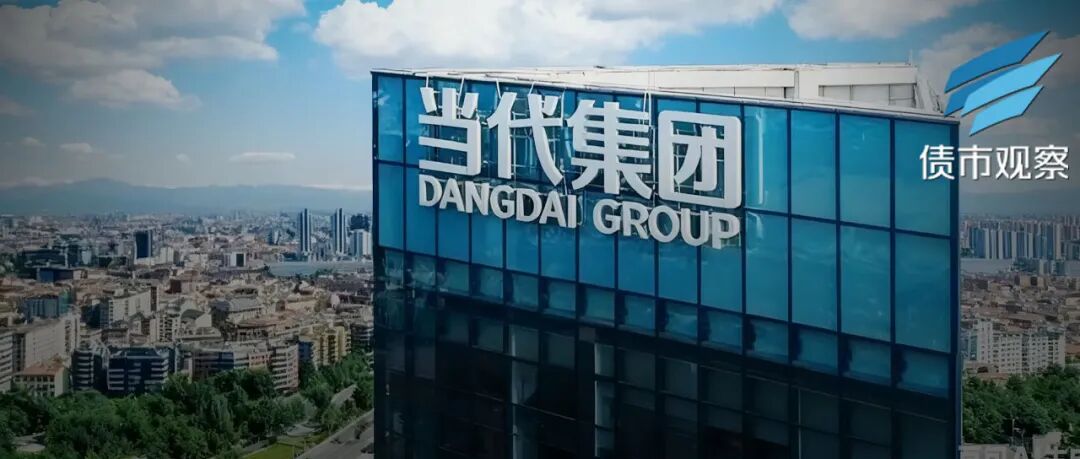
Group 1: Default Events - Tianying Investment announced that its subsidiary, Hubei Tianqian Asset Management Co., Ltd. (Tianqian Asset Management), failed to repay the principal of 450 million yuan and interest of 84.51 million yuan for the bond "20 Tianqian 01" on time [3][6] - Tianying Investment itself defaulted on 536 million yuan of "H20 Tianying 1" bonds on June 9 this year [7] - Currently, Tianying Investment has six outstanding bonds with a total scale of 1.301 billion yuan, of which 550 million yuan is due within one year [7] Group 2: Debt Crisis - The parent company, Contemporary Group, has faced significant financial difficulties, with 14 bonds defaulting and a total default scale of 7.745 billion yuan [9] - The company has a total debt of 6.3947 billion yuan against total assets of 96.326 billion yuan, resulting in a debt-to-asset ratio of 66.39% [14] - The liquidity situation is concerning, with cash on hand only 654.6 million yuan, leading to a cash-to-short-term debt ratio of only 0.42 [15] Group 3: Company Background - Contemporary Group, established in 1988, has diversified into various sectors including pharmaceuticals, consumer goods, and culture [10] - The company has undergone significant changes in its ownership structure, with the actual controller changing to a trust with no clear individual control [12] - The group has a history of aggressive mergers and acquisitions, which has contributed to its current high debt levels and liquidity issues [28]
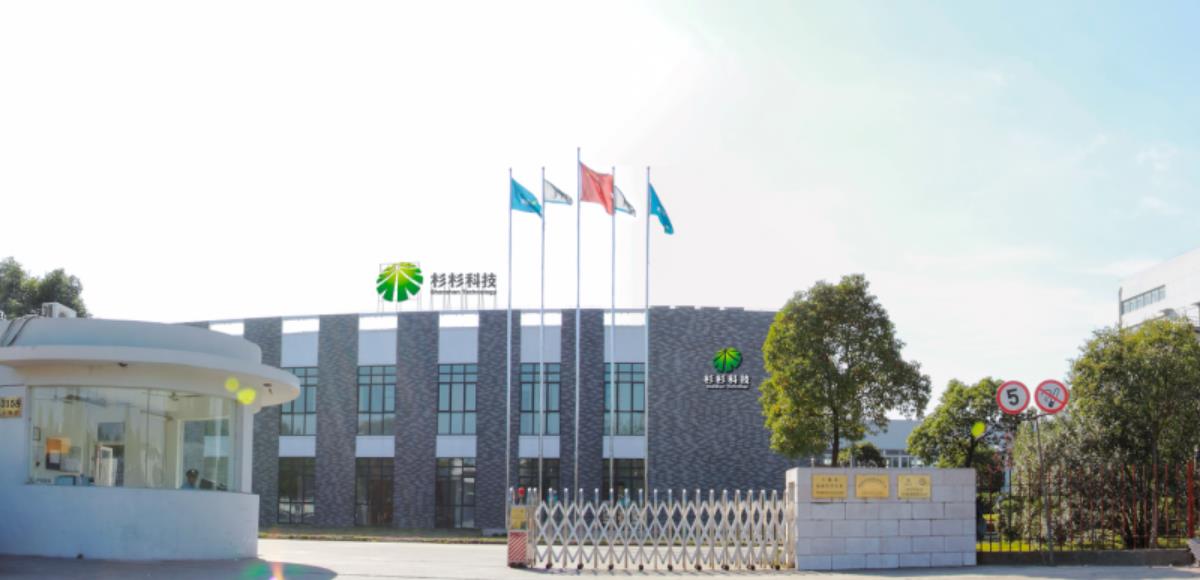
杉杉股份:控股股东及其全资子公司合并重整计划草案提交期限延长至年底
Ju Chao Zi Xun· 2025-09-19 03:11
Group 1 - Ningbo Shanshan Co., Ltd. announced an extension of the deadline for the restructuring plan draft of its controlling shareholder, Shanshan Group, and its wholly-owned subsidiary, Ningbo Pengze Trading Co., Ltd., to December 20, 2025 [2] - The restructuring was initiated by the Ningbo Yinzhou District People's Court on March 20, 2025, due to the complexity of the debtor's asset types and diverse demands from major creditors [2] - The court's decision to extend the deadline was made on September 16, 2025, in accordance with the relevant provisions of the Enterprise Bankruptcy Law of the People's Republic of China [2] Group 2 - Currently, there are no instances of non-operating fund occupation or illegal guarantees by the controlling shareholder that would harm the interests of the listed company [3] - The company maintains independent and complete business operations, with normal production and operations unaffected by the ongoing restructuring matters [3] - Shanshan Group holds 320,296,700 shares of Shanshan Co., accounting for 14.24% of the total share capital, while Pengze Trading holds 205,264,756 shares, accounting for 9.13% [3]