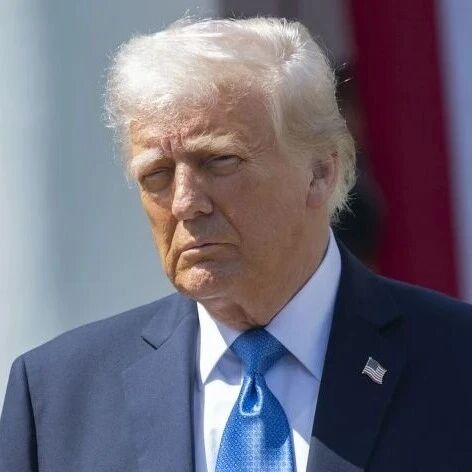
关税调整

Search documents
刚刚,关税大消息!降至15%
Zhong Guo Ji Jin Bao· 2025-11-14 14:58
Group 1 - The United States and Switzerland have reached a trade agreement that reduces tariffs on Swiss goods from 39% to 15% [1][2] - The agreement is expected to provide significant relief for Switzerland, which has faced the highest tariffs among developed countries due to previous U.S. policies [1] - As part of the agreement, Switzerland has committed to invest $200 billion in the U.S. during President Trump's term, including $70 billion in the next year, focusing on sectors like pharmaceuticals and gold refining [1] Group 2 - The trade agreement is seen as a positive development for U.S. manufacturing, with expectations of a shift in Swiss manufacturing to the U.S. in industries such as pharmaceuticals and railway equipment [2] - The resolution of this trade dispute comes after months of negotiations, which began when the Trump administration imposed high tariffs on Swiss exports in response to a trade deficit [2]
刚刚,关税大消息!降至15%
中国基金报· 2025-11-14 14:53
Core Points - The United States and Switzerland have reached a breakthrough trade agreement, reducing tariffs on Swiss goods from 39% to 15% [2] - The agreement is expected to provide significant relief for Switzerland, which has faced the highest tariffs among developed countries under the previous administration [2] - In exchange for the tariff reduction, Switzerland has committed to investing $200 billion in the U.S. during President Trump's term, including $70 billion in the next year, focusing on sectors like pharmaceuticals and gold refining [2] - The agreement marks the end of a prolonged dispute that began in August, when the U.S. imposed high tariffs on Swiss exports, which was seen as a response to a trade deficit [2] Summary by Sections Trade Agreement Details - The U.S. Trade Representative, Jamison Greer, announced that the agreement includes the most-favored-nation tariff rate and some existing tariffs, similar to arrangements with the European Union [2] - The deal is a result of extensive diplomatic efforts by Swiss officials and business leaders over the past few months [2] Impact on Industries - Key Swiss industries, including watches, machinery, and precision instruments, have suffered due to high U.S. tariffs [2] - The agreement is expected to lead to a significant shift of Swiss manufacturing to the U.S., particularly in pharmaceuticals, gold refining, and railway equipment [2]


White House says tariffs will be lowered on some imports from four countries in new deals
Fox Business· 2025-11-14 13:56
Group 1: Trade Agreements Overview - The White House announced trade deals with Ecuador, Guatemala, El Salvador, and Argentina aimed at reducing tariffs on certain goods like coffee, bananas, and beef exports [1][2] - The agreements will maintain reciprocal rates but will lower tariffs on items that cannot be produced in the U.S., with Argentina, Guatemala, and El Salvador facing a 10% tariff, while Ecuador will have a 15% tariff [2] Group 2: Political Reactions - The framework with Argentina includes lower tariffs on beef imports but does not increase the U.S. import quota, leading to concerns from both Democrats and Republicans about the impact on U.S. farmers and ranchers [5][6] - A letter signed by 14 Republican lawmakers expressed concerns that increased market access to Argentina could undermine American cattle producers and reintroduce animal health risks [6][9] Group 3: Benefits and Commitments - The White House highlighted potential benefits for Americans, including commitments from El Salvador to address non-tariff barriers and from Argentina to provide preferential market access for U.S. goods [13] - Guatemala has committed to not imposing digital services taxes that discriminate against U.S. products, while Ecuador will adopt high levels of environmental protection [13]

特朗普拟大幅削减食品关税,多项拉美贸易协议助力降价
智通财经网· 2025-11-14 11:44
Core Points - The Trump administration plans to significantly reduce tariffs to address high food prices and is pursuing new trade agreements with Latin American countries, including Argentina, Guatemala, El Salvador, and Ecuador, in response to voter concerns about living costs [1][2] - The agreements aim to lower tariffs on essential food items such as beef, bananas, and coffee beans, which have been a source of pressure on American consumers for years [1][2] - The administration is also expected to implement broader tariff exemptions, potentially reducing rates on popular food items, with specific focus on products identified by presidential executive orders [1][2] Trade Agreements - The most significant agreement is with Argentina, which will provide preferential market access for U.S. pharmaceuticals, chemicals, and medical devices [2] - Agreements with Guatemala, El Salvador, and Ecuador focus on reducing tariffs on key products not produced in the U.S., such as bananas and coffee beans, with a framework agreement expected to be finalized in about two weeks [2] - Ongoing trade negotiations with Switzerland may also lead to reduced tariffs on watches and chocolates, aiming to improve public perception of the administration's focus on living costs [2] Beef Trade - The agreements include commitments to improve bilateral market access for beef, which aims to alleviate price pressures faced by American consumers [3] - However, this has faced opposition from domestic ranchers who warn that imports of Argentine beef could negatively impact local producers [3] - The U.S. Department of Agriculture projects that U.S. beef exports to Argentina will amount to $2.6 million in 2024, highlighting the limited scale of trade between the two nations [3] Trade Negotiation Constraints - Argentina, as a member of the Mercosur trade bloc, is limited by regulations that restrict large-scale external negotiations, although it has been allowed to negotiate tariffs on up to 50 products this year [4]
特朗普拟显著调降关税并宣布与多国的架构协议 以应对食品等高物价
Zhong Guo Ji Jin Bao· 2025-11-14 10:34
Core Points - President Trump is preparing to significantly reduce tariffs and promote new trade agreements with Latin American countries to address voter concerns about high living costs, particularly food prices [1][2] - The agreements aim to lower tariffs on essential food items such as beef, bananas, and coffee beans, which have been a burden on American consumers [1][2] - The administration is also considering broader tariff exemptions that could apply to popular food items, with specific mentions of coffee and fruit imports [1][2] Trade Agreements - The most significant agreement is with Argentina, which will provide preferential market access for U.S. exports, including pharmaceuticals, chemicals, machinery, IT products, and medical devices [2] - Agreements with Guatemala, El Salvador, and Ecuador focus on reducing tariffs on major export products like bananas and coffee beans, which are not produced domestically in the U.S. [2] - These framework agreements are expected to be finalized in about two weeks, targeting specific product exemptions rather than general tariff reductions [2] Economic Strategy - The administration's strategy is described as flexible and multi-layered, aiming to leverage trade agreements with key allies in the Western Hemisphere [2] - Ongoing trade negotiations with Switzerland may also lead to tariff reductions on products like watches and chocolate [3] - This initiative is seen as an effort to improve public perception of Trump's handling of high prices, as he aims to lower living costs and stimulate economic growth [3]

特朗普,关税突发!
中国基金报· 2025-11-14 09:54
Core Viewpoint - President Trump is preparing to significantly reduce tariffs and promote new trade agreements with several Latin American countries to address rising living costs, particularly food prices, in response to recent electoral outcomes [1][3]. Group 1: Trade Agreements - The new trade agreements include framework agreements with Argentina, Guatemala, El Salvador, and Ecuador, aimed at lowering tariffs on essential food items such as beef, bananas, and coffee beans [1][2]. - The agreement with Argentina is highlighted as particularly important, as it will provide preferential market access for certain U.S. goods, including pharmaceuticals, chemicals, machinery, IT products, and medical devices [2]. - Agreements with Guatemala, El Salvador, and Ecuador focus on reducing tariffs on major export products like bananas and coffee beans, which are not significantly produced domestically in the U.S. [2]. Group 2: Tariff Reductions - Trump has indicated plans to lower tariffs on specific food items, including coffee, and the Treasury Secretary has mentioned potential tariff reductions on fruit imports [1][2]. - The White House anticipates that retailers and wholesalers will pass on the benefits of tariff reductions to American consumers [2]. Group 3: Political Context - This initiative follows recent Democratic victories in key states, where candidates emphasized the importance of affordable living costs [1]. - The move is seen as an effort to counter criticism of Trump's handling of high prices and to improve public perception of his administration [3].

The U.S. plans to eliminate tariffs on bananas, coffee, beef and certain apparel and textile products under framework agreements with four Latin American nations
WSJ· 2025-11-14 04:05
Core Point - The decision aims to reduce certain trade duties imposed during the Trump administration on goods from Ecuador, Argentina, El Salvador, and Guatemala [1] Group 1 - The move is expected to facilitate trade relations with the mentioned countries by easing tariffs [1] - It reflects a shift in trade policy that may benefit exporters in these nations [1] - The adjustment could lead to increased imports from these countries, potentially impacting domestic markets [1]

物价高烧不退?白宫暗示:将对食品关税“动刀”
Jin Shi Shu Ju· 2025-11-13 02:24
Core Insights - The Biden administration is under pressure to address a cost-of-living crisis affecting millions of Americans, with potential adjustments to grocery tariffs being considered to lower prices [1] - The National Economic Council Chairman Kevin Hassett indicated that discussions are ongoing regarding food tariff adjustments, suggesting more changes may follow [1] - Former President Trump plans to make a significant announcement aimed at stabilizing food prices, including items like coffee and bananas [1] Group 1 - The inflation rate is currently at 3%, which Hassett believes is moving in the right direction, but acknowledges that grocery prices have continued to rise during Trump's presidency [2] - Typical monthly grocery spending for a family increased from approximately $400 when Trump left office to about $512 currently, indicating a significant rise in food costs [2] - Trump's imposition of large tariffs on most trade partners raised the average tariff level in the U.S. to its highest point since World War II [2] Group 2 - The U.S. has granted exemptions from retaliatory tariffs for certain industries like chips, pharmaceuticals, and critical minerals, while investigations are ongoing that may lead to future tariffs [2] - Many countries are seeking limited agreements with the U.S. to reduce some of the tariffs imposed by Trump, but the government maintains a baseline tariff of at least 10% on nearly all trade partners [2]
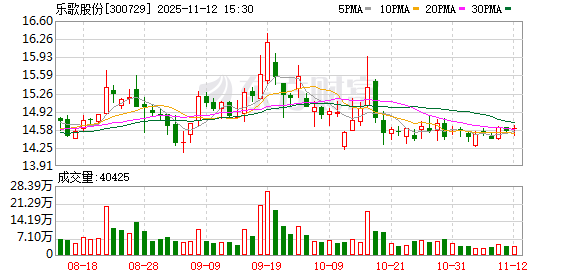
乐歌股份:2025年末公司运营的海外仓均为租赁,自建仓库将在2025年底交付
Mei Ri Jing Ji Xin Wen· 2025-11-12 09:25
Core Viewpoint - The company, Lekai Co., Ltd. (300729.SZ), anticipates that by the end of 2025, all overseas warehouses operated will be leased, with self-built warehouses expected to be delivered by the end of 2025 and operational starting in 2026 [2] Group 1 - The company responded to investor inquiries regarding the expected ratio of owned versus leased warehouses by the end of 2025 [2] - The company indicated that tariff adjustments could lower product costs and benefit overseas warehouse clients in the U.S. for cross-border e-commerce, which will take time to reflect in operations [2] - The construction of self-owned warehouses is expected to continue until approximately the end of 2025 [2]

美国将把对瑞士关税降至15%?特朗普表态
第一财经· 2025-11-12 01:07
Core Viewpoint - Swiss businesses are actively engaging with the U.S. to negotiate a reduction in tariffs, moving closer to a potential agreement that could lower tariffs to 15%, aligning with the EU's tariff rates on U.S. exports [4][6]. Group 1: Trade Negotiations - Swiss enterprises have shifted from behind-the-scenes lobbying to direct engagement with the Trump administration, reflecting the urgency created by the recent imposition of a 39% tariff on Swiss goods [6][7]. - The Swiss delegation, led by President Keller-Sutter, initially aimed for a tariff agreement around 10%, but the unexpected increase to 39% shocked both political and business leaders in Switzerland [6][8]. - The private sector has emerged as a key player in breaking the negotiation deadlock, with prominent Swiss business leaders meeting with President Trump to discuss trade issues [7][8]. Group 2: Economic Context - The U.S. is Switzerland's largest export market, with significant exports including watches, chocolate, and machinery, and the trade deficit has been cited as a reason for the high tariffs [6][12]. - In 2024, the U.S. trade deficit with Switzerland reached $38.3 billion, a 56.1% increase from the previous year, while the U.S. maintained a $29.7 billion surplus in service trade with Switzerland [12][13]. - The gold refining industry in Switzerland, although a small part of the economy, has contributed significantly to the trade deficit, prompting discussions about Swiss investments in U.S. gold refining as a potential bargaining chip [12][14]. Group 3: Future Prospects - There is optimism that an agreement could be reached by January 2026 during the World Economic Forum in Davos, where President Trump is expected to attend [14][15]. - The involvement of the new U.S. ambassador to Switzerland may also provide additional momentum to the negotiations, although the situation remains uncertain [9][10].