品牌出海

Search documents
新消费2026年度策略报告:星河长明,向阳而生-20251211
Xinda Securities· 2025-12-11 12:48
Group 1: Core Insights - The report highlights a shift in China's stock pricing logic, emphasizing three core trends: China's proactive position in US-China trade, stabilization in the real estate market, and the emergence of new technologies and industries creating structural growth opportunities [2][15]. - Key investment directions include structural growth in new consumption trends, enhanced global resource allocation capabilities, long-term advantages of high dividend strategies, and undervalued consumer blue-chip stocks [2][15]. Group 2: New Consumption Trends - The personal care and pet food sectors are experiencing a dual growth trend, with strong brand loyalty and significant single product effects, while the baby care market is diversifying with a focus on quality and price [3][26]. - The gold and jewelry market is expected to maintain a favorable outlook in 2026, driven by the value retention of gold jewelry and the concentration of market share among leading brands [3][26]. - The collectible toy market is expanding, with leading companies transitioning from single product-driven models to integrated IP and ecosystem strategies [3][26]. - The new tobacco sector is witnessing stricter regulations, but the heat-not-burn (HNB) market penetration is accelerating, with key players like Smoore International positioned for growth [3][26]. - The smart glasses market is projected to grow significantly, with global sales expected to reach 18 million units by 2026, driven by advancements in comfort, aesthetics, and AI interaction [3][26]. - The electric two-wheeler market is optimizing its structure due to new regulations, with leading companies expected to enhance their market share [3][26]. Group 3: Cyclical Trends - The home furnishings sector is anticipated to remain in an adjustment phase through 2025, with a potential stabilization in 2027, driven by demand for soft and smart home products [5][6]. - The paper industry is expected to see a gradual recovery in demand, supported by limited new pulp capacity and a potential increase in pulp prices [5][6]. - The metal packaging industry is experiencing increased concentration, with expectations of slight price increases in 2026 as the industry shifts from market share to profitability [5][6]. Group 4: Export Dynamics - The report notes a reshaping of supply dynamics, with improved order visibility for companies following the US interest rate cuts and easing trade tensions [6][15]. - Leading companies with localized overseas bases are expected to enhance their global market share, with brands like TaoTao and ZhiOu demonstrating resilience in international markets [6][15]. Group 5: Textile and Apparel Insights - The outdoor apparel market is projected to grow significantly, with a CAGR of 9.6% from 2025 to 2029, driven by product innovation [7][26]. - The men's clothing and home textile sectors are showing resilience, with leading brands benefiting from high dividend characteristics and online sales growth [7][26]. - The textile manufacturing sector is optimistic about external demand, with healthy order books and a continued shift of production capacity to countries like Indonesia [7][26].
家电2026年年度策略报告:品牌出海与新品类发展-20251211
CAITONG SECURITIES· 2025-12-11 12:01
Core Insights - The report maintains a positive outlook on the home appliance sector, emphasizing the potential for growth in both domestic and international markets, particularly in emerging markets and through the development of new product categories [3][5]. Group 1: Market Performance Overview - The home appliance sector has shown varied performance in 2025, with white goods yielding a total return of +1% but underperforming against the CSI 300 by -19% due to high base effects and market competition [11]. - Small appliances have performed well with a +12% return, indicating a shift from scale expansion to value creation, supported by new subsidy policies [11]. - The components sector has excelled with a +70% return, benefiting from investments in emerging technologies such as AI and robotics [11]. Group 2: Domestic and International Sales - Domestic sales have faced pressure due to tightening national subsidies, with expected growth rates for major appliances showing mixed results, while small appliances have fared better [5][38]. - Internationally, emerging markets have outperformed, with a notable recovery in export orders as tariff impacts begin to stabilize [41][42]. Group 3: Product Development and Innovation - The report highlights a continuous upgrade in product structure, with an increasing share of high-end products contributing to profit margins [5][44]. - New product categories such as smart glasses, drones, and UV printers are expected to create new growth opportunities, driven by consumer demand for innovative and personalized experiences [5][10]. Group 4: Investment Recommendations - The report suggests focusing on leading white goods companies as they represent assets with significant growth potential, particularly in the context of favorable U.S. market conditions and anticipated interest rate cuts [5][44]. - Specific companies recommended for investment include Haier Smart Home, Hisense, TCL Electronics, and Ecovacs, among others [5][44].





开润股份(300577) - 2025年12月11日投资者关系活动记录表
2025-12-11 10:08
Group 1: Company Overview - Anhui Kairun Co., Ltd. specializes in OEM manufacturing and brand operation, offering products such as soft bags, luggage, clothing, and fabrics [1][2]. Group 2: Acquisition and Integration - Following the acquisition of Shanghai Jiale, the company has enhanced operational efficiency, with Shanghai Jiale achieving a revenue of 6.85 million yuan and a net profit of 34.75 million yuan in the first half of 2025, reflecting a net profit margin of 5.08%, an increase of 1.79 percentage points year-on-year [2]. - The acquisition strategy focuses on expanding customer categories and product lines, enhancing the synergy between luggage and clothing manufacturing, and providing high-quality services to global top brands [2]. Group 3: Future Development Plans - The company aims to become a respected world-class innovative consumer goods company, focusing on high-quality customer strategies and expanding production capacity in the garment and auxiliary materials manufacturing sectors [3]. - Plans include improving digitalization and intelligence levels, deepening global production layout, and establishing advanced international manufacturing plants [3]. - The brand operation strategy emphasizes market trend monitoring, innovative product design, and enhancing product competitiveness, with a focus on exploring brand expansion into international markets [3].

近百名企业家齐聚郑州航空港,探索豫企出海新路径
Sou Hu Cai Jing· 2025-12-10 13:56
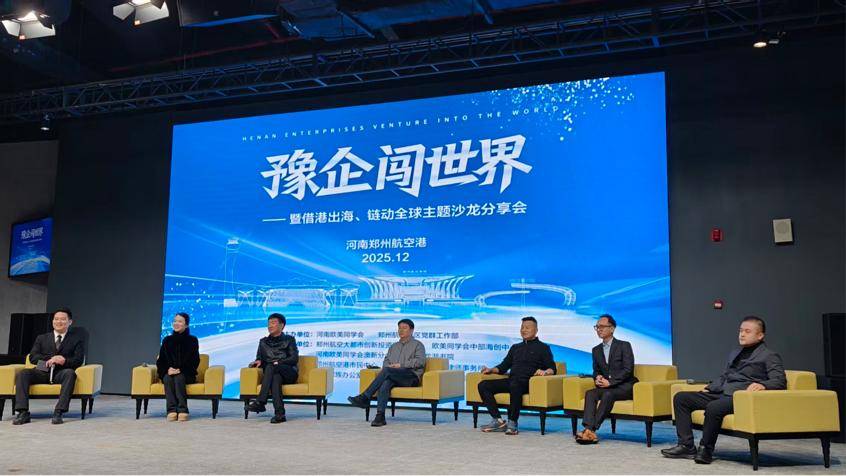
Core Insights - The event focused on the theme "Henan Enterprises Going Global and Leveraging Ports for International Expansion," highlighting the importance of global market trends and cross-border compliance for enterprises [1][3] Group 1: Global Expansion Trends - Chinese enterprises are entering a new phase of international expansion, transitioning from product export to brand and system export, driven by both internal needs and national strategic requirements [3] - In 2024, China's total foreign direct investment is projected to reach 1,159.27 billion RMB, reflecting a year-on-year growth of 11.3% [3] Group 2: Challenges and Strategies - Enterprises face challenges such as geopolitical risks, legal differences, talent shortages, and supply chain resilience [3] - Suggested strategies include enhancing compliance capabilities, building diversified market structures, improving localization operations, and strengthening risk management [3] Group 3: Regional Opportunities - The trade relationship between China and ASEAN countries is showing strong growth, with significant potential in markets like Vietnam, Thailand, and Indonesia [3] - Vietnam is noted for its market potential and lower labor costs, while Thailand offers a stable political environment and efficient logistics [3] Group 4: Industry-Specific Insights - In Saudi Arabia, there are significant opportunities for Chinese enterprises in infrastructure and real estate, as well as in digital economy, AI, clean energy, automotive, logistics, and biomedicine [4] - The food industry faces challenges related to compliance, logistics, talent, and cultural differences during the international expansion process [4] Group 5: Collaborative Initiatives - The "Henan Enterprises Going Global Cooperation Initiative" was launched to create a new ecosystem for international expansion, emphasizing collaboration between leading companies and SMEs [6] - The initiative aims to facilitate a shift from product output to comprehensive output in terms of brand, industry, and technology [6] Group 6: Economic Impact - Zhengzhou Airport District is becoming a significant cross-border e-commerce hub, with a projected 2024 import-export value of 25.85 billion RMB, marking a year-on-year increase of 55.6% [7] - Notably, export value reached 13.83 billion RMB, surpassing imports for the first time, with a remarkable growth of 99.7% [7]

乌江榨菜出海双线告捷,东亚东南亚单月销超800万
Sou Hu Cai Jing· 2025-12-10 03:05
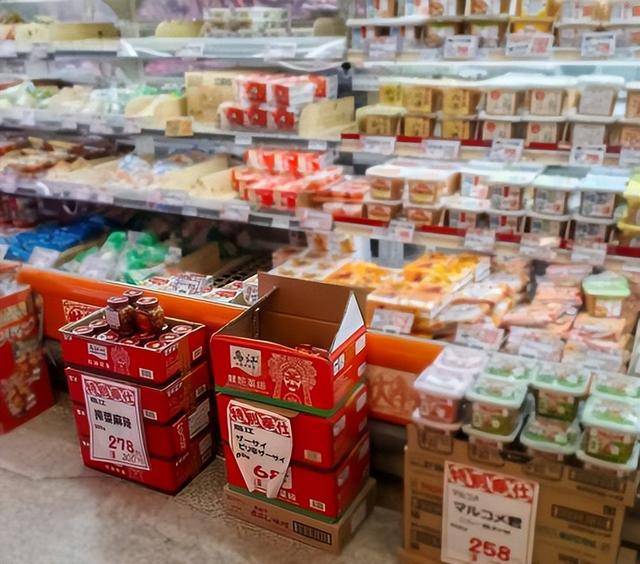
近期,乌江榨菜在东亚及东南亚市场迎来业绩集中爆发:日本市场定制款鲜脆榨菜片单月调货量达15个 货柜、销售额突破300万元,柬埔寨市场销售额稳步迈过500万大关,印尼等新兴市场成功进驻AEON等 知名连锁商超。作为深耕国内市场多年的国民佐餐品牌,乌江榨菜不仅实现海外销售额的快速增长,更 完成从华人社群向当地主流消费终端的跨越。为何其能够在饮食文化差异显著的海外市场持续破局,背 后的增长逻辑有何特殊之处? 海外业务的快速扩张,离不开后端产业实力的支撑。乌江榨菜通过智能化生产改造与全流程质量管控, 为出口业务提供坚实保障。智能化全自动生产车间,实现从原料加工到包装的全程追溯与实时监控,确 保产品品质稳定同时,乌江榨菜严苛执行清洁生产流程和标准化生产管理,获得美国FDA市场准入认 证、第三方SID认证等多体系认证,筑牢海外市场的品质信誉。 产品是品牌出海的核心敲门砖,乌江榨菜的突破始于对不同市场消费需求的深度洞察。在日本市场,针 对当地清淡饮食偏好与老龄化群体占比高的特点,研发团队将传统榨菜丝改良为更易咀嚼的榨菜片,同 步降低盐度优化口感;包装上,则着重体现人性化设计,通过优化瓶盖扭力,使老年消费者也能轻松开 启,从 ...

2026消费行业投资展望:底部,是走出来的
Western Securities· 2025-12-09 12:05
Investment Rating - The industry investment rating is "Overweight" and has been maintained from the previous rating [4]. Core Insights - The consumer sector is showing signs of bottoming out, with fundamental recovery acting as a catalyst for stock prices. Positive information regarding fundamentals is increasing, and companies are focusing more on dividends and buybacks [1][12]. - The "Redemption+" strategy is recommended as a short-term stable allocation strategy, with a focus on high-quality global assets and marginal recovery in specific sectors like beer and dairy [1][12]. - The report emphasizes the importance of new consumer groups and market segments, particularly the "Z Generation" and "New Middle Class," which are driving long-term structural growth in domestic demand [2][12]. Summary by Sections 1. Fundamental Outlook - The domestic consumer sector is entering a low-growth phase, with opportunities primarily in dividend-type investments and those showing marginal improvements [12]. - The "Z Generation" and "New Middle Class" are identified as key consumer groups with strong payment willingness and consumption characteristics [13][16]. - Retail channel transformations are leading to increased concentration of upstream brands, with new retail brands like "October Rice Field" showing significant growth potential [19][24]. 2. Investment Outlook for Key Sectors in 2026 - Baijiu - Guizhou Moutai's prices are nearing the bottom, indicating a long-term investment value. The current valuation corresponds to a 20x PE for 2025, with a dividend yield exceeding 3.7% [29][33]. - Jinhuijiu is gaining market share within the province, with a focus on product structure improvement and healthy inventory levels [35][39]. 3. Investment Outlook for Key Sectors in 2026 - Consumer Goods - The consumer goods sector has undergone significant cleaning of fundamentals, with no inventory burdens remaining for categories like dairy and beer [40]. - Companies like China Resources Beer and Mengniu Dairy are highlighted for their potential for improvement and growth in earnings [44]. 4. Investment Outlook for Key Sectors in 2026 - White Goods - Haier is noted for its organizational efficiency improvements and market adjustments, positioning it well for future growth [20][21]. 5. Investment Outlook for Key Sectors in 2026 - Technology Consumption - Companies like Anker and Ecovacs are recognized for their innovative platform development and operational resilience, indicating strong growth potential [22][23]. 6. Investment Outlook for Key Sectors in 2026 - Medical Aesthetics - Companies like Juzhi Biotechnology and Jinbo Biotechnology are highlighted for their technological leadership and platform upgrades, driving value reassessment [25][26]. 7. Investment Outlook for Key Sectors in 2026 - Overseas Quality Assets - Companies like Westair and Kingworld are gaining attention from domestic funds due to their strong competitive positions and growth potential in overseas markets [27][28].
六福集团(00590):中高端港资黄金珠宝品牌,同店显著回暖+出海拓展新空间
Soochow Securities· 2025-12-09 09:25
Investment Rating - The report assigns a "Buy" rating for Lukfook Holdings (00590.HK) for the first time [1]. Core Insights - Lukfook Holdings is a leading jewelry retailer in Hong Kong and mainland China, with a significant recovery in same-store sales and expansion into overseas markets [8]. - The company has established a comprehensive multi-brand matrix, including Lukfook Jewellery, King Fook, Heirloom Fortune, Goldstyle, Lukfook Joaillerie, and Love LUKFOOK JEWELLERY, catering to various consumer segments [8]. - The report forecasts a steady recovery in performance from FY2026 onwards, with projected net profits of HKD 1.52 billion, HKD 1.73 billion, and HKD 1.93 billion for FY2026, FY2027, and FY2028, respectively, reflecting year-on-year growth rates of +39%, +13%, and +12% [8]. Summary by Sections Company Overview - Lukfook Holdings is a prominent jewelry retailer in Hong Kong and mainland China, listed on the Hong Kong Stock Exchange since 1997. The company has expanded its brand matrix and currently operates over 3,100 retail points globally [13][8]. - For FY2025, the company reported total revenue of HKD 13.34 billion, a year-on-year decline of 13.0%, and a net profit of HKD 1.1 billion, down 37.8% year-on-year [13][8]. Multi-Brand Matrix - The company has developed a multi-brand strategy that covers various segments of the jewelry market, enhancing its market share and competitiveness [44]. - The core brand, Lukfook Jewellery, focuses on the mass market, while King Fook targets the high-end segment. Other brands cater to niche markets, ensuring a broad consumer appeal [44]. Financial Performance - The report highlights a recovery trend in financial performance, with FY2026H1 revenue reaching HKD 6.843 billion, a year-on-year increase of 25.6%, and a net profit of HKD 619 million, up 42.52% [24][23]. - The company’s gross margin improved significantly, reaching 33.1% in FY2025, an increase of 5.9 percentage points year-on-year, primarily due to rising gold prices [25][30]. Market Expansion - As of March 2025, Lukfook Holdings operates in 11 countries and regions, with a total of 3,287 stores, including 3,179 in mainland China [63][64]. - The company plans to enter three new countries and add 50 overseas stores over the next three years, with 20 new stores planned for FY2026 [63][64].
亚马逊“下一代跨境链”首落深圳,山东产业带借势跃向品牌深蓝
Qi Lu Wan Bao· 2025-12-09 05:21
Core Insights - Amazon launched the "Next Generation Global Selling" project in Shenzhen, marking a significant upgrade in cross-border e-commerce infrastructure with the introduction of its first Global Warehouse Distribution (GWD) center [1] - This initiative aims to empower sellers to achieve "one location storage, global sales," potentially catalyzing a shift from traditional manufacturing exports to high-quality brand exports for the Shandong industrial belt [1] Group 1: Shandong Industrial Belt's Strengths and Challenges - Shandong is a key manufacturing base in China, covering over 40 cross-border e-commerce product categories, with notable advantages in sectors like agricultural machinery, chemicals, textiles, tires, and home goods [2] - Many Shandong enterprises primarily engage in OEM production, limiting their brand influence and cross-border operational capabilities, which hinders their integration into the global value chain and profitability [2] - Amazon's China VP acknowledged Shandong's strong industrial foundation but noted the region's late start in brand development, using the example of small excavators successfully entering high-end overseas markets [2] Group 2: Core Value of the "Next Generation Global Selling" - The GWD's innovative "inventory sharing and dynamic allocation" supply chain management allows sellers to store goods in domestic hubs, with Amazon automatically distributing them to destination country fulfillment centers based on real-time sales forecasts [3] - This model significantly reduces inventory risks and financial pressures for Shandong enterprises, with storage costs potentially decreasing by 20%-40% compared to existing U.S. warehousing models [3] - It simplifies cross-border logistics by providing an integrated, end-to-end logistics solution, reducing management costs and uncertainties associated with coordinating multiple service providers [3] Group 3: Key Pathways for Shandong's Leap Forward - Since signing a memorandum of cooperation with the Shandong Provincial Department of Commerce in March 2024, Amazon has been advancing specialized incubation plans for Shandong's unique product categories [4] - Amazon Business has opened 11 global sites to Chinese sellers, aligning with Shandong's strengths in chemicals, machinery, and building materials, providing a stable growth channel with lower return rates and higher transaction efficiency compared to B2C [4] - Utilizing Amazon's AI tools like "Seller Assistant" can enhance operational efficiency in compliance, advertising, and inventory management, while data tools like "Opportunity Detector" help identify unmet overseas market demands [4] Group 4: Future Outlook - The "14th Five-Year Plan" identifies cross-border e-commerce as a new driver for foreign trade development, providing dual support for the transformation of the Shandong industrial belt [6] - The industry is moving towards product quality enhancement, innovative models, and global market expansion, with the challenge for Shandong enterprises being the transition from OEM to brand building [6] - Amazon's "Next Generation Global Selling" is reshaping the operational paradigm of cross-border e-commerce, transitioning from heavy asset overseas warehouse layouts to a lightweight, intelligent global supply chain network [6]

从一片树叶、一杯咖啡到美妆小瓶罐 看小产品如何撬动大市场
Yang Shi Xin Wen Ke Hu Duan· 2025-12-09 01:58
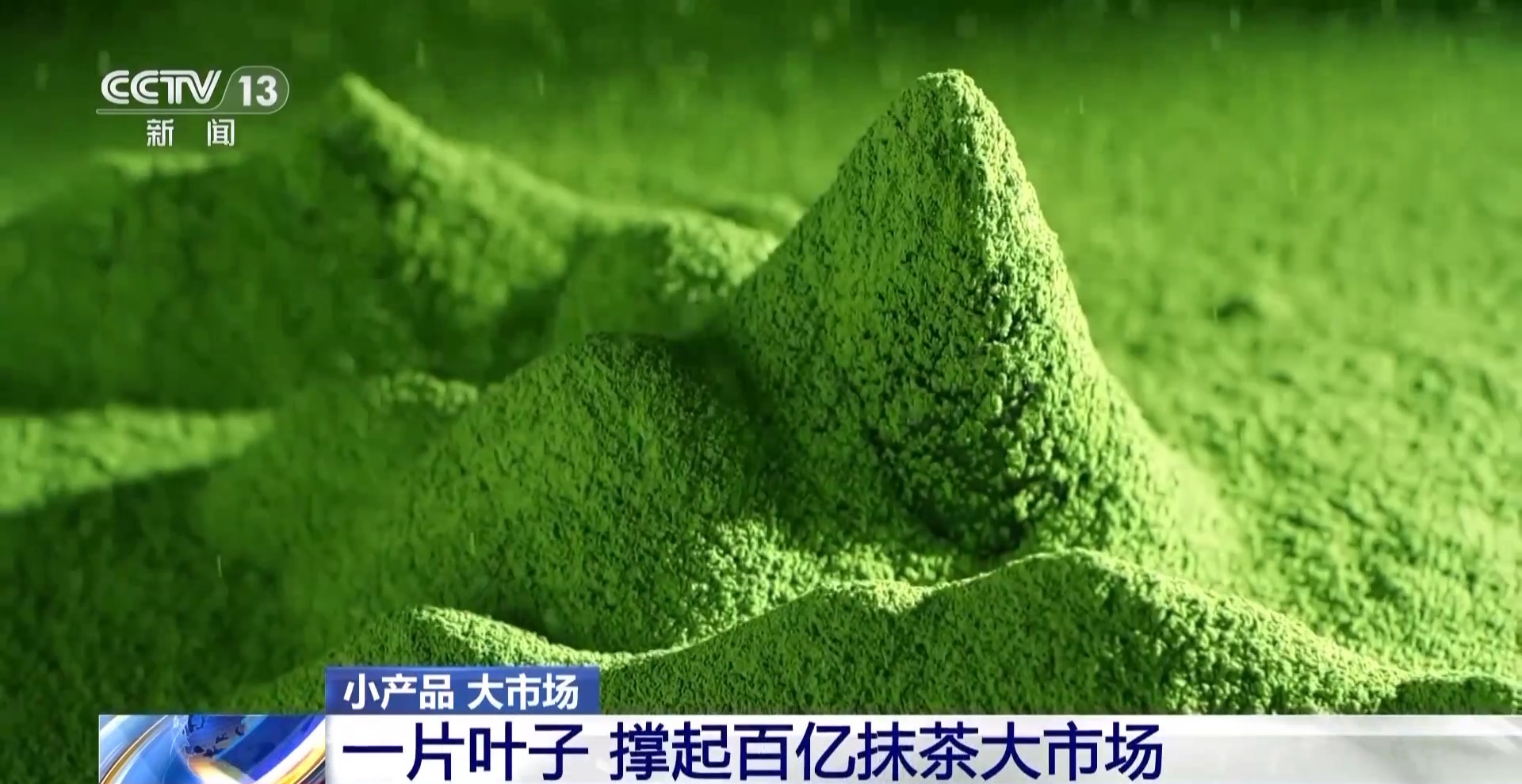
Group 1: Matcha Industry - The matcha market in China has reached a scale of 15 billion, with the country becoming the largest matcha producer globally [1] - In the first half of this year, China's matcha export volume has already surpassed the total for the previous year [1] - Over 80 new matcha stores have opened in Guiyang this year, with more than 100 registered dining brands using Guizhou matcha nationwide [7] - The annual growth rate for matcha usage in the new tea beverage sector is expected to reach 60% over the next three to five years [7] - Guizhou's matcha exports have doubled year-on-year in the first nine months of this year, covering over 50 countries [19] Group 2: Coffee Industry - China's per capita annual coffee consumption has reached 22.24 cups, with Shanghai averaging around 50 cups [20] - The number of coffee-related enterprises in China has exceeded 250,000, with a 36.8% increase in newly registered coffee businesses this year [28] - The coffee industry in China is projected to exceed 300 billion by 2024, with an expected growth to 369.3 billion by 2025 [34] - The Shanghai coffee market is characterized by diverse consumer demands, with innovative concepts like "coffee + music" and "coffee + agriculture" gaining popularity [30] Group 3: Beauty Industry - The beauty industry in Huzhou, Zhejiang, has developed over 300 patents, focusing on innovative technologies to enhance production efficiency [40] - The total industrial output value of the beauty town reached 7.546 billion in the first three quarters, with exports of 284 million, a year-on-year increase of 34.59% [50] - The local government has organized 30 supply chain matching events this year, a 25% increase compared to the previous year, to strengthen the beauty industry cluster [48]
百元冲锋衣带火浙江小县城,1年狂揽120亿
21世纪经济报道· 2025-12-06 03:34
Core Insights - The article highlights the success of the "Sanmen" brand of jackets from a small county in Zhejiang, which has over 300 manufacturers and 200 e-commerce companies, producing more than 80 million jackets annually with sales around 12 billion yuan [1][4][7] - It discusses the challenges faced by small and medium-sized enterprises (SMEs) in Zhejiang, emphasizing the need for brand building and industry upgrades to remain competitive in a market increasingly focused on quality and branding [4][6][12] Industry Overview - Zhejiang's economy is primarily driven by SMEs that have historically relied on low-cost advantages, but are now facing growth bottlenecks due to rising competition and consumer demands for quality [4][6] - The article notes that many local industries, despite having strong product quality, often serve as OEMs for international brands, leading to a lack of brand recognition and value [6][12] Brand Development Strategies - The "Sanmen" jacket industry has successfully established a public brand that sets quality standards and avoids price wars, providing a pathway for companies to transition from OEM to brand ownership [7][9] - Companies like Zhejiang Dixiang Garment Co., Ltd. have focused on quality control and building a factory brand before expanding into international markets, reflecting a shift in strategy towards brand recognition and quality assurance [9][10] Regional Brand Initiatives - The establishment of regional public brands is seen as a crucial measure for addressing challenges such as rising labor costs and supply chain shifts, helping SMEs gain credibility and market presence [4][12][14] - The article describes how local governments are implementing standards and management systems to support the development of regional brands, enhancing the overall competitiveness of the industry [12][14] Market Positioning and Future Outlook - Companies are encouraged to identify their unique market positions and avoid direct competition with high-end brands, focusing instead on niche markets where they can leverage their strengths [11][12] - The article emphasizes the importance of collective branding efforts among SMEs to enhance their market presence and combat issues like price competition and imitation [13][14]