数实融合

Search documents
加快数智融合赋能高质量发展
Jing Ji Wang· 2025-12-01 07:43
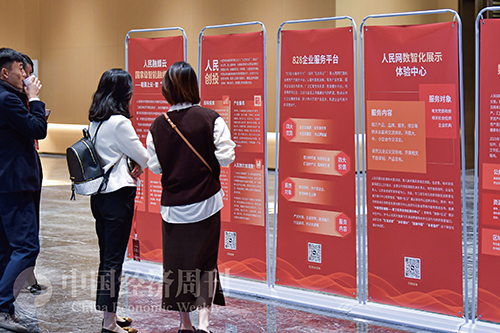
Core Insights - The article emphasizes the importance of integrating digital and real economies, highlighting the rapid development of China's digital economy over the past decade and the role of data and artificial intelligence in driving innovation and quality growth [1][2]. Group 1: Digital Economy Development - The "14th Five-Year Plan" suggests deepening the construction of a digital China and promoting the integration of the digital economy with the real economy [1]. - The 2025 Digital Economy Conference in Guangzhou focused on the theme "Deep Integration of Digital Intelligence to Start a New Journey," indicating a commitment to leveraging data and AI for economic advancement [1][3]. Group 2: Data as a New Production Factor - Experts at the conference noted that data is becoming a crucial production factor, and its strategic value is increasingly recognized, necessitating the removal of barriers to maximize its potential [2]. - The rapid development of the data factor market and the acceleration of data system construction were highlighted, with a focus on high-quality data set development [2]. Group 3: Regional Innovation and AI Empowerment - Guangzhou is leveraging its digital infrastructure to enhance urban governance and services, aiming for coordinated economic development [4]. - The integration of AI across various industries is seen as essential for responding to national strategies and seizing technological leadership [4]. Group 4: Industry Practices and Challenges - Companies are encouraged to utilize computing power to overcome challenges such as data silos and compliance issues, transitioning to a model where knowledge seeks out individuals [4]. - The emergence of AI decision engines is reshaping traditional manufacturing approaches to meet new overseas market demands [5].

打造万亿级消费领域 政策发力激活内需市场“结构红利”
Zheng Quan Ri Bao Wang· 2025-11-29 03:28
Core Viewpoint - The implementation plan aims to enhance the adaptability of supply and demand in consumer goods, setting quantifiable targets of three trillion-level consumption sectors and ten hundred-billion-level consumption hotspots by 2027, thereby optimizing the supply structure of consumer goods [1][2]. Group 1: Implementation Plan Goals - By 2027, the plan targets a significant optimization of the consumer goods supply structure, establishing three trillion-level consumption sectors and ten hundred-billion-level consumption hotspots [1]. - By 2030, a high-quality development pattern characterized by positive interaction between supply and consumption is expected to be fundamentally established, with a steady increase in the contribution of consumption to economic growth [2][3]. Group 2: Market Context and Trends - As of now, the total variety of consumer goods in China has reached 230 million, with over 100 categories, including home appliances and furniture, leading global production [2]. - In the first ten months of this year, retail sales of goods reached 36.6 trillion yuan, showing a year-on-year growth of 4.4%, which is an acceleration of 1.2 percentage points compared to the same period last year [2]. Group 3: Focus Areas for Development - The plan emphasizes the cultivation of key areas such as elderly products and smart connected vehicles, reflecting the demand driven by demographic changes and technological upgrades [4]. - The elderly products market is projected to grow from 2.6 trillion yuan in 2014 to 5.4 trillion yuan by 2024, with a compound annual growth rate of 7.3%, highlighting the importance of the silver economy [4]. Group 4: Strategies for Implementation - The plan includes measures to enhance the supply of elderly products, such as developing necessary products like nursing robots and health monitoring devices, and promoting home modifications for the elderly [4]. - To achieve the set goals, the plan calls for accelerated technological innovation, market cultivation through new consumption scenarios, and the establishment of a supportive policy framework [5].
互联网的“洗牌时刻”:没有新赛道,只有AI与产业融合
Sou Hu Cai Jing· 2025-11-27 08:38
Core Insights - The local lifestyle market is experiencing a resurgence similar to the previous food delivery wars, driven by continuous investment from both traditional giants and new entrants [2][3] - The competition in the local lifestyle sector is characterized by the integration of new technologies, particularly AI, and the emergence of innovative business models [2][4] - The current battles in the local lifestyle market signify a profound transformation in the underlying logic of the internet industry, moving towards a new phase of reshuffling [4][5] Group 1: Market Dynamics - The renewed competition in the local lifestyle sector reflects a broader trend of reshuffling across various internet industries, including food delivery and ride-hailing [3][4] - The traditional internet model is undergoing significant iteration, shifting from a platform-centric approach to a decentralized and integrated model [5][6] - Players in the market are now focusing on deeper industry integration rather than merely transaction rates, blurring the lines between platforms and industries [5][6] Group 2: Technological Advancements - New technologies are increasingly being integrated into the market, optimizing existing business models and enhancing service delivery [7][8] - Innovations such as AI assistants, VR/AR, and robotics are transforming user experiences and operational efficiencies across various sectors [7][8] - The current phase emphasizes the need for players to adapt and innovate continuously, ensuring their technology and product offerings evolve to meet new market demands [8]

【图解】税收数据反映10月份我国新质生产力持续发展壮大
Zhong Guo Jing Ji Wang· 2025-11-27 03:26
Group 1 - The core viewpoint of the article highlights the robust growth of China's new productive forces, particularly in high-end manufacturing, innovative industries, and the integration of digital and physical sectors, which injects new vitality into economic development [4][5][6]. Group 2 - In high-end manufacturing, sales revenue in October increased by 7.3% year-on-year, consistently outperforming the average level of the manufacturing industry, with its share nearing half of the manufacturing sector [5]. - The three major manufacturing sectors reported sales revenue growth of 27.2%, 24.4%, and 10.1% respectively, indicating strong performance [5]. - The innovative industries experienced a year-on-year sales revenue growth of 13.6% in October, maintaining a double-digit growth rate [6]. - High-tech service and manufacturing sectors also contributed to this growth, with significant increases in sales revenue [6]. - The integration of digital and physical sectors showed an 8.5% year-on-year growth in sales revenue, reflecting ongoing advancements in the digital economy [7]. - The core industries of the digital economy saw sales revenue growth of 9.6%, with digital product services and digital technology applications growing by 10.2% and 13.1% respectively [8].

10月份增值税发票数据显示:我国新质生产力持续培育壮大
Zheng Quan Ri Bao· 2025-11-25 16:29
Core Insights - The latest VAT invoice data indicates that China's new quality productivity is entering an acceleration phase, with robust growth in high-end manufacturing, innovative industries, and digital-physical integration [1][2] Group 1: Innovative Industries - In October, sales revenue in high-tech industries grew by 13.6% year-on-year, maintaining a double-digit growth rate, with high-tech service revenue increasing by 16.1% and high-tech manufacturing revenue by 10.1% [1] - The "Artificial Intelligence+" initiative has significantly boosted sales in integrated circuits, industrial robots, and drone manufacturing, with year-on-year growth rates of 32.5%, 41.7%, and 38.4% respectively [1] Group 2: High-end Manufacturing - Equipment manufacturing sales revenue increased by 7.3% year-on-year in October, consistently outperforming the average manufacturing sector, now accounting for nearly half of the manufacturing industry [1] - Specific sectors such as computer communication equipment, shipbuilding, and battery manufacturing saw sales revenue growth of 10.1%, 24.4%, and 27.2% respectively [1] Group 3: Digital-Physical Integration - Sales revenue in the core digital economy industries rose by 8.5% year-on-year, with enterprise spending on digital technologies increasing by 9.6%, indicating ongoing progress in digital industrialization and industrial digitization [2] - The digital products and services sector, along with digital technology applications, reported sales revenue growth of 10.2% and 13.1% respectively, while the digital content and media sector grew by 15.2% [2] Group 4: Support for New Quality Productivity - The government is increasing support for cultivating new quality productivity, with recent policies aimed at fostering innovative application scenarios and promoting technology and industry integration [3] - Local initiatives, such as those from Zhejiang Province, are providing support for emerging industries through innovative land resource management, focusing on mixed and composite land use [3] Group 5: Future Outlook - There is potential for traditional industries to undergo technological upgrades through digitalization, intelligence, and green transformation, revitalizing these sectors [3] - Recommendations include establishing special funds for new quality productivity development and creating demonstration projects to cultivate benchmark enterprises and parks [4]
不追风口,“智”造内力:扬州闯出了一条新路
3 6 Ke· 2025-11-25 06:08
Core Insights - The article highlights the significant role of Jiangsu Fengshang Intelligent Technology Company in global grain storage projects, emphasizing its strategic importance in addressing food shortages in various countries [1][3] - It discusses the transformation of Yangzhou from a historical city to a hub for intelligent manufacturing, driven by digitalization and modernization of traditional industries [5][8] - The article outlines the "Yangzhou Model" for digital transformation, focusing on leveraging local strengths and fostering collaboration among enterprises to enhance competitiveness [22][28] Group 1: Company Achievements - Jiangsu Fengshang has successfully implemented grain storage technologies in over 3,000 grain depots globally, showcasing its expertise in the field [3][10] - The company has established four R&D centers worldwide and operates in over 100 countries, positioning itself as a leading provider of feed and food engineering solutions [10][22] - Yangzhou's enterprises, such as Jiangsu Disha Princess Cultural Industry Co., have achieved rapid growth through digital transformation, with Disha's sales projected to reach 800 million yuan in 2024 [10][11] Group 2: Industry Transformation - Yangzhou has built 186 advanced intelligent factories and 24 national 5G factories, reflecting its commitment to modernizing its manufacturing sector [11][18] - The city emphasizes a pragmatic approach to industrial development, focusing on its traditional strengths in equipment manufacturing and food processing [8][13] - The digital transformation strategy includes creating tailored solutions for different industries, avoiding a one-size-fits-all approach [16][17] Group 3: Collaborative Ecosystem - The "chain leader" model is highlighted, where leading companies like Fengshang drive digital transformation across their supply chains, enhancing overall industry resilience [26][28] - Yangzhou's enterprises are encouraged to participate in setting industry standards, elevating their role from market participants to leaders in innovation [26][30] - The city has developed a comprehensive support system for enterprises, including financial incentives and a resource pool for digital transformation [17][19]

10月份税收数据显示 新质生产力加速培育
Zhong Guo Neng Yuan Wang· 2025-11-25 01:38
Group 1 - The core viewpoint of the articles highlights the robust growth in high-end manufacturing, innovative industries, and the integration of digital and physical economies in China, driven by new productive forces [1][2] Group 2 - In high-end manufacturing, sales revenue in the equipment manufacturing sector increased by 7.3% year-on-year in October, with significant contributions from computer communication equipment (10.1%), shipbuilding (24.4%), and battery manufacturing (27.2%) [1] - The innovative industries experienced a 13.6% year-on-year growth in sales revenue, with high-tech services growing by 16.1% and high-tech manufacturing by 10.1%. Notably, sectors like integrated circuits (32.5%), industrial robots (41.7%), and drones (38.4%) showed exceptional growth [1][2] Group 3 - The digital economy's core industries saw an 8.5% year-on-year increase in sales revenue, with digital technology procurement by enterprises rising by 9.6%. The digital products and services sector grew by 10.2%, while digital technology applications increased by 13.1% [2] - The digital content and media industry experienced a significant sales revenue growth of 15.2%, indicating a strong impact from digital consumption [2] Group 4 - The tax data from October reflects the success of China's industrial structure upgrade and economic transformation, particularly driven by the "Artificial Intelligence+" initiative, which fosters growth in frontier industries and deepens the integration of digital technology with the real economy [2]
10月份高技术产业销售收入增长13.6%
Jing Ji Ri Bao· 2025-11-25 00:43
Core Viewpoint - The latest data from the National Taxation Administration indicates that China's new productive forces are continuously growing, with robust performance in high-end manufacturing, innovative industries, and the integration of digital and physical economies, contributing to sustained economic vitality [1] Group 1: High-end Manufacturing - Sales revenue in the equipment manufacturing sector increased by 7.3% year-on-year, consistently outperforming the average growth rate of the manufacturing industry this year [1] Group 2: Innovative Industries - Sales revenue in high-tech industries saw a year-on-year growth of 13.6%, reflecting strong performance in innovation-driven sectors [1] Group 3: Digital and Physical Economy Integration - The core industries of the digital economy experienced a year-on-year sales revenue increase of 8.5%, highlighting the ongoing integration of digital technologies with traditional industries [1]
10月份我国新质生产力持续壮大
Ke Ji Ri Bao· 2025-11-25 00:42
Core Insights - The latest VAT invoice data indicates that China's new quality productivity is continuously growing, with robust growth in high-end manufacturing, innovative industries, and digital-physical integration, injecting new vitality into economic development [1][2] Group 1: High-end Manufacturing - In October, the sales revenue of the equipment manufacturing industry increased by 7.3% year-on-year, consistently above the average level of the manufacturing sector, accounting for nearly half of the manufacturing share [1] - Specific sectors such as computer communication equipment manufacturing, shipbuilding and related equipment manufacturing, and battery manufacturing saw sales revenue growth of 10.1%, 24.4%, and 27.2% respectively, demonstrating strong development momentum [1] Group 2: Innovative Industries - The sales revenue of high-tech industries grew by 13.6% year-on-year in October, with high-tech service industries and high-tech manufacturing industries increasing by 16.1% and 10.1% respectively [2] - The "Artificial Intelligence +" initiative has accelerated the growth of cutting-edge industries, with sales revenue for integrated circuits, industrial robots, and drone manufacturing increasing by 32.5%, 41.7%, and 38.4% respectively [2] Group 3: Digital-Physical Integration - In October, the sales revenue of core digital economy industries rose by 8.5% year-on-year, with national enterprise procurement of digital technology increasing by 9.6%, reflecting the ongoing advancement of digital industrialization and industrial digitization [2] - The digital product service industry and digital technology application industry saw sales revenue growth of 10.2% and 13.1% respectively, while the digital content and media industry experienced a significant increase of 15.2% [2]
10月高技术产业销售收入同比增长13.6% 高端制造、创新产业、数实融合领域呈现稳健增长态势
Ren Min Ri Bao· 2025-11-24 23:02
Group 1 - The core viewpoint of the article highlights the robust growth in high-end manufacturing, innovative industries, and the integration of digital and physical economies in China, as indicated by the latest data from the National Taxation Administration [1] Group 2 - In high-end manufacturing, the sales revenue of the equipment manufacturing industry increased by 7.3% year-on-year in October, consistently outperforming the average level of the manufacturing sector this year [1] - Specific sectors such as computer and communication equipment manufacturing, shipbuilding and related equipment manufacturing, and battery manufacturing saw significant sales revenue growth of 10.1%, 24.4%, and 27.2% respectively [1] Group 3 - The innovative industries experienced accelerated growth, with high-tech industry sales revenue rising by 13.6% year-on-year in October [1] - High-tech service industry sales revenue grew by 16.1%, while high-tech manufacturing sales revenue increased by 10.1%, with notable growth in integrated circuits (32.5%), industrial robots (41.7%), and drone manufacturing (38.4%) [1] Group 4 - The digital economy's core industries reported an 8.5% year-on-year increase in sales revenue in October [1] - The digital product service industry and digital technology application industry saw sales revenue growth of 10.2% and 13.1% respectively, with the digital content and media industry experiencing a notable 15.2% increase [1]