贸易多元化

Search documents
焦点访谈|多项指标刷新纪录 广交会彰显中国外贸底气
Yang Shi Wang· 2025-05-08 13:29
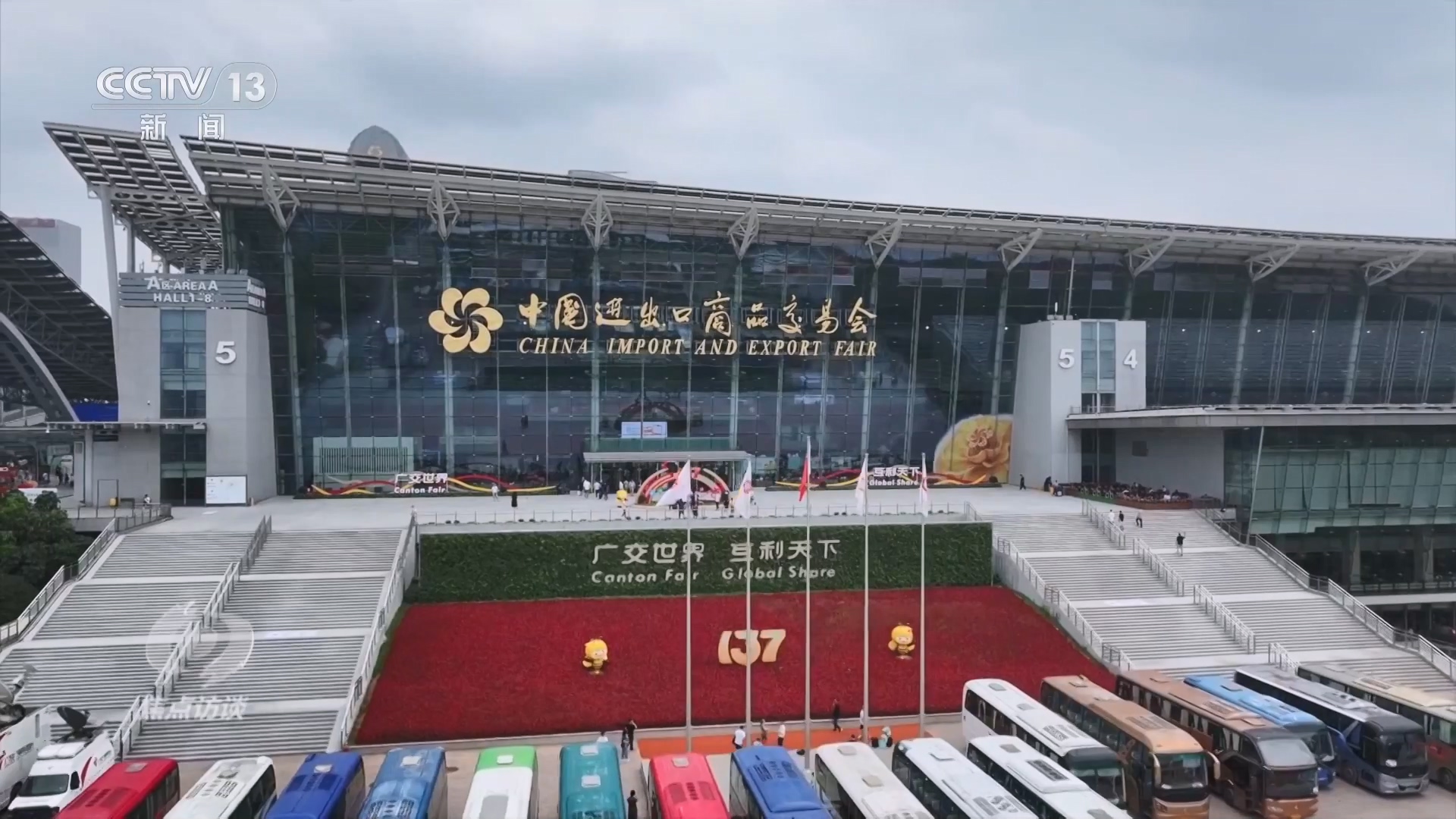
Core Insights - The 137th China Import and Export Fair (Canton Fair) has set historical records in terms of foreign buyers and export intentions, showcasing China's resilience in foreign trade despite global trade tensions [1][3][11] Group 1: Trade Performance - Over 288,000 foreign buyers attended the Canton Fair, marking a historical high [1] - Intentional export transactions reached $25.44 billion, a year-on-year increase of 3%, with 60% of buyers coming from Belt and Road Initiative countries [3] - The fair serves as a "barometer" for China's foreign trade, reflecting the country's stability in the face of external pressures [3][11] Group 2: Innovation and Product Offerings - The fair highlighted innovative products such as a robot coffee kiosk and a stair-climbing machine for the elderly, indicating a shift towards technology-driven exports [5][9] - Chinese manufacturing has evolved from merely exporting goods to becoming a technology exporter, with over 30% of products related to electronics and new energy [5][9] Group 3: Market Dynamics - Many small and medium-sized foreign trade enterprises are shifting focus from traditional Western markets to broader regions and domestic markets due to trade tensions [7] - The fair has become a platform for global cooperation, providing not just products but also a sense of certainty in the global supply chain [7][11] Group 4: Historical Context and Future Outlook - The Canton Fair has a rich history dating back to 1957, symbolizing China's commitment to openness and global trade [11] - Despite rising global protectionism, China remains open to international trade, using the fair to promote multilateral cooperation and provide value to the global market [11]

压力难改向好大势 中国经济韧性尽显
Zhong Guo Fa Zhan Wang· 2025-05-08 02:34
Group 1: Foreign Trade and Investment Trends - In the first quarter, China's foreign trade showed strong resilience, with a net inflow of cross-border funds under goods trade amounting to $206.3 billion, a year-on-year increase of 120% [1] - Foreign investment in Chinese bonds increased significantly, with a net increase of $26.9 billion in domestic bonds from February to March, representing an 84% year-on-year growth [1] - The number of newly established foreign-invested enterprises in China reached 12,603 in the first quarter, a year-on-year increase of 4.3%, while the actual utilized foreign capital decreased by 10.8% to 269.23 billion yuan [2] Group 2: Impact of External Factors - The U.S. government's imposition of tariffs on trade partners, including China, is expected to exert pressure on China's economy and foreign trade in the short term, but it will not alter the long-term positive trend of China's economy [1] - The global foreign direct investment (FDI) remains sluggish, influenced by geopolitical conflicts and rising protectionism, which poses challenges for attracting foreign capital to China [2] Group 3: Market Diversification and Opportunities - The 137th Canton Fair saw an increase in the number of buyers from emerging markets, particularly from countries involved in the Belt and Road Initiative, indicating a shift towards market diversification [4] - Chinese foreign trade enterprises are adapting to tariff impacts by expanding into European markets and leveraging new technologies and products to enhance competitiveness [4] - The government is implementing measures to boost domestic consumption and expand effective investment, creating broader market opportunities for foreign trade enterprises [5] Group 4: Integration of Domestic and Foreign Trade - The Ministry of Commerce is promoting the integration of domestic and foreign trade, facilitating connections between supply and demand through e-commerce platforms [6] - In the first quarter, the banking sector recorded a total of $188.71 billion in foreign-related income and $183.54 billion in expenditure, resulting in a surplus of $5.17 billion, indicating sustained net inflow of cross-border funds [6]
美关税政策“搅局”,意企焦虑难安:将拓展多元化市场
news flash· 2025-05-07 01:23
美国是意大利主要的贸易伙伴之一。近日在意大利米兰举行的亚洲开发银行年会上,多名意大利商界人 士表示,美国朝令夕改的关税政策,让很多相关产业的意大利企业非常担忧。为应对美国关税政策给企 业经营带来的巨大不确定性,避免过度依赖单一市场,意大利企业正致力于拓展多元化市场。 在美国宣布所谓"对等关税"政策后不久,意大利外交与国际合作部明确提出,在巩固欧美传统市场的同 时开拓亚洲、拉丁美洲和非洲最有前景的新兴国家市场。对此,意大利对外贸易委员会海外网络部主任 阿梅德奥·斯卡尔帕说,在国际贸易充满不确定性的当下,意大利政府将推动出口市场进一步多元化。 (央视新闻) ...
【环球财经】加拿大自由党缘何胜选
Xin Hua She· 2025-04-29 17:16
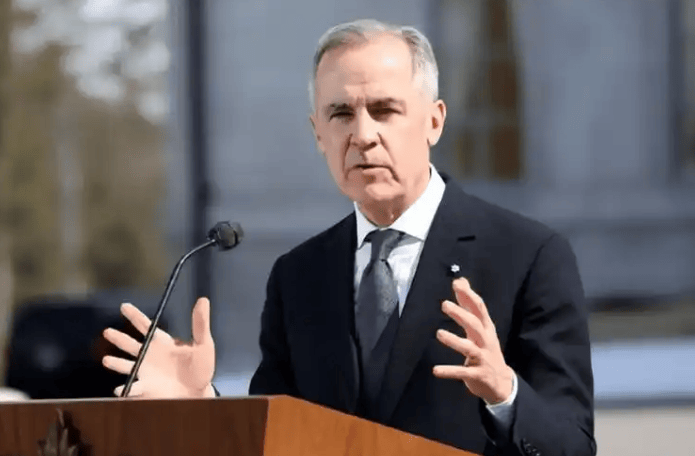
加拿大大选实行单一选区相对多数制。在每个选区,得票最高的候选人将赢得众议院的一个席位,并代 表该选区成为议会议员。候选人当选无需获得绝对多数票。总理卡尼首次作为一名议员候选人参与了其 所代表的选区选举,不仅赢得了众议院席位,而且作为自由党领袖连任总理。而保守党领袖普瓦列夫尔 和新民主党领袖辛格没有在各自的选区竞选到席位,后者已经辞去新民主党领袖职务。 自由党胜选关键因素是什么? 新华社渥太华4月29日电(记者林威)加拿大第45届联邦众议院选举28日举行。加拿大自由党再次击败 保守党,成为众议院第一大党,加拿大自由党领袖马克·卡尼连任总理。加拿大各政党议席数量发生了 怎样的变化?自由党胜选的关键因素是什么?自由党在胜选后需要兑现哪些承诺? 各政党议席数如何变化? 根据加拿大法律,联邦众议院选举每4年举行一次。按正常程序,第45届联邦众议院选举应在2025年10 月举行。3月23日,加拿大总理卡尼宣布解散议会并提前举行联邦众议院选举。在解散前的议会中,自 由党拥有152席,保守党120席,魁北克集团33席,新民主党24席,绿党2席,另有3名独立议员和4个空 缺席位。 加拿大选举委员会公布的初步统计结果显示,自由党 ...
730万桶!中国石油大单就是不给美国,特朗普急了,火速请求和解
Sou Hu Cai Jing· 2025-04-29 07:52
Core Insights - The article highlights a significant shift in China's oil procurement strategy due to escalating US-China trade tensions, with Chinese refiners reducing oil imports from the US by up to 90% while increasing imports from Canada dramatically [1][3]. Group 1: Oil Procurement Changes - China's oil imports from Canada surged to 7.3 million barrels in March, reaching unprecedented levels, with expectations for further increases in April [1][3]. - The expansion of the Trans Mountain Pipeline (TMX) in Canada has facilitated easier access for Chinese imports of Alberta's oil sands, providing a stable and cost-effective supply to meet China's energy needs [3]. Group 2: Impact on US Oil Industry - The shift in orders from China to Canada has significantly impacted the US oil industry, leading to a substantial decline in US oil exports and a direct financial loss estimated in the billions, based on an international oil price of $61.5 per barrel [3][5]. - The reduction in oil orders has caused a ripple effect on the US supply chain and job market, resulting in revenue declines for related companies and potential layoffs, thereby exerting pressure on the US economy [5]. Group 3: Broader Trade Adjustments - In addition to oil, China has also adjusted its trade patterns for other commodities, such as soybeans, significantly increasing imports from Brazil and thereby reducing reliance on US agricultural products [6]. - These adjustments reflect China's proactive approach to mitigate the impacts of the trade war and reduce dependency on US goods, demonstrating the substantial costs incurred by the US as a result of the trade conflict [6]. Group 4: Geopolitical Implications - China's energy strategy adjustments are reshaping the international power balance, challenging the US's long-standing dominance in the energy sector and contributing to a more diversified geopolitical landscape [8]. - The transition of 7.3 million barrels of oil orders to Canada symbolizes a broader trend of China diversifying its energy partnerships, enhancing its energy security, and contributing to global energy market dynamics [8].