
多层次医疗保障体系

Search documents
2025年基本医保目录及商保创新药目录调整申报操作指南出炉 首度纳入商保创新药目录
news flash· 2025-06-26 05:35
Core Viewpoint - The National Healthcare Security Administration has released the "2025 Basic Medical Insurance Directory and Commercial Insurance Innovative Drug Directory Adjustment Application Guidelines," marking the first inclusion of the commercial health insurance innovative drug directory in the adjustment plan, indicating a significant role for commercial health insurance in the multi-tiered medical security system [1] Group 1 - The adjustment signifies an important step for market access of innovative drugs under commercial health insurance [1] - The inclusion of the commercial health insurance innovative drug directory highlights the evolving landscape of healthcare financing in China [1] - This move is expected to enhance the role of commercial health insurance in providing comprehensive medical coverage [1]
创新药照进健康险:差异化就医需求需要被看到
2 1 Shi Ji Jing Ji Bao Dao· 2025-06-23 12:18
Core Insights - The core viewpoint of the articles is that commercial health insurance is increasingly incorporating high-value innovative drugs into their coverage, responding to the gaps in basic medical insurance and the evolving healthcare needs of consumers [1][2][3]. Group 1: Market Trends - Insurance companies are launching new products and upgrading existing ones to include innovative drugs, driven by the demand for advanced medical resources [1][3]. - The recent upgrades in health insurance products are a response to the national healthcare reform aimed at providing basic coverage while addressing the diverse medical needs of residents [3][4]. Group 2: Payment Structure - The current payment structure for innovative drugs is imbalanced, with basic medical insurance covering only a fraction of the costs, leading to a significant burden on patients [3][4]. - In 2024, the innovative drug market is expected to reach 162 billion yuan, with basic medical insurance covering approximately 710 billion yuan (44%), while personal cash payments account for about 786 billion yuan (49%), and commercial health insurance only contributes around 124 billion yuan (7.7%) [3]. Group 3: Challenges and Solutions - The commercial health insurance sector faces challenges in balancing the risk of claims with the need for high coverage of innovative therapies [6][7]. - To mitigate risks, insurance companies are employing big data modeling and dynamic risk assessment, setting parameters like deductibles and reimbursement ratios, and establishing reinsurance mechanisms [6][7]. Group 4: Accessibility Issues - Despite the increased coverage of innovative drugs, patients may still encounter barriers to access, such as hospitals prioritizing drugs listed in the basic medical insurance directory [8][9]. - Solutions proposed include creating a direct payment network with pharmacies, real-time monitoring of drug availability, and simplifying the claims process for patients needing urgent access to innovative therapies [9].

商业医疗险创新升级破局,角色将更为核心
Di Yi Cai Jing· 2025-06-20 12:44
Core Insights - The contradiction between cost control and patient satisfaction creates significant opportunities for commercial insurance to deeply engage in the medical security system [1][3] - The medical security system in China is undergoing profound changes, driven by heightened public health awareness and rapid advancements in medical technology [2] Group 1: Current State of Medical Insurance - As of the end of 2024, the number of people covered by basic medical insurance in China is expected to reach 1.326 billion, maintaining a coverage rate of around 95% [3] - The total number of outpatient treatment cases benefiting from medical insurance has increased by 37% year-on-year, with average hospitalization costs around 8,000 yuan [3] - Despite the extensive coverage, basic medical insurance faces limitations due to fund constraints, leading to cost control measures that may reduce patient satisfaction [3][4] Group 2: Evolution of Commercial Medical Insurance - Commercial medical insurance is transitioning from a supplementary role to a core component of the medical security system, particularly with the rise of million medical insurance products that offer high coverage at low premiums [3][4] - Early million medical insurance products faced challenges such as renewal difficulties and high deductibles, impacting user experience [4] - Current market trends show that companies like ZhongAn Insurance and Ping An Health are developing mid-tier medical insurance and upgrading million medical insurance to include high-quality medical services [4] Group 3: Policy and Future Directions - The 2024 "National Ten Articles" for the insurance industry aims to include new medical technologies, drugs, and devices in the coverage of commercial insurance, enhancing its role in the multi-tiered medical security system [5] - Experts suggest that commercial health insurance should leverage risk-based pricing advantages and explore coverage for pre-existing conditions to fill gaps left by basic medical insurance [5][6] - The long-term vision for commercial health insurance is to take on a more significant role in medical security, addressing the increasing demand for better healthcare and diverse insurance products [6]


创新药支付十年破局路:从 “支付荒漠” 到 “万亿蓝海”
2 1 Shi Ji Jing Ji Bao Dao· 2025-06-16 12:03
Group 1 - The core viewpoint of the articles highlights the urgent need for reform in the payment system for innovative drugs in China, particularly in light of the high costs associated with treatments like CAR-T therapy [1][5][6] - Since the reform of the drug review and approval system in 2015, the Chinese innovative drug industry has experienced explosive growth, with a significant increase in the number of new drug approvals and faster market entry [1][5] - By 2023, over 90% of the "Hui Min Bao" (a type of commercial health insurance) included special drug coverage, indicating a shift in the insurance landscape towards accommodating high-cost innovative therapies [2][3] Group 2 - The "Sui Xin Bao" series of products launched in Guangzhou represents a significant step in integrating innovative drugs into commercial health insurance, breaking traditional limitations and facilitating one-stop settlement with medical insurance [3][4] - The commercial health insurance market is evolving, with many insurers upgrading special drug coverage from an optional add-on to a core component of their policies [3][4] - The projected sales of innovative drugs in 2024 are expected to reach 162 billion yuan, with a significant portion of costs still borne by patients, highlighting the need for a more balanced payment structure involving commercial health insurance [5][7] Group 3 - The recent policy initiatives emphasize the importance of a multi-tiered medical insurance system, positioning commercial health insurance as a crucial pillar for supporting innovative drug payments [2][6] - The integration of insurance and medical services is becoming a competitive focus, with innovations like "one-code direct payment" aiming to streamline the payment process for patients [6][7] - If the patient self-payment ratio can be reduced from 49% to 20%, the share of commercial health insurance in the innovative drug market could rise significantly, potentially exceeding 440 billion yuan by 2035 [7]
医疗险主导时代,如何撑起多层次医疗保障体系?
Di Yi Cai Jing· 2025-05-26 11:56
Group 1 - The core viewpoint is that the integration of medical, pharmaceutical, and insurance sectors is essential for establishing a high-quality multi-tiered healthcare system, with commercial health insurance playing a crucial role in this transformation [1][5][8] - Medical insurance has surpassed critical illness insurance to become the leading segment in the health insurance market, with a projected premium growth rate exceeding 10% in 2024, compared to the overall health insurance growth rate of 8.2% [2][3] - The current healthcare insurance landscape is evolving, with medical insurance premiums expected to account for approximately 44% of total health insurance premiums in 2024, marking a significant shift in the market structure [2][3] Group 2 - The integration of medical, pharmaceutical, and insurance sectors is still in its early stages, facing challenges such as insufficient collaboration, data barriers, and a shortage of specialized talent [1][5][6] - The commercial health insurance sector has shown rapid growth, particularly in urban customized medical insurance, but it still struggles to meet the needs of specific groups, such as those with chronic diseases [6][7] - The need for policy support, improved data connectivity, and the establishment of a robust infrastructure is critical for advancing the integration of medical, pharmaceutical, and insurance sectors [7][8][9] Group 3 - The innovative pharmaceutical market in China is projected to reach 162 billion yuan in 2024, with personal cash expenditures accounting for 49% and commercial health insurance payouts only about 7.7% [3] - The shift from a passive payment model to an active management approach in commercial health insurance is necessary for enhancing the value and efficiency of healthcare delivery [9] - The development of a shared infrastructure, including a unified directory system and standardized treatment consensus, is essential for fostering collaboration among stakeholders in the healthcare ecosystem [8][9]
新时代中国特色商业健康险的使命与定位 | 团体补充医疗险课题分报告(二)
Xin Lang Cai Jing· 2025-05-07 03:50
商业健康保险与医药产业高质量协同发展 ——团体补充医疗保险改革新视角 课题分报告(二) 新时代中国特色商业健康险的使命与定位 在中国特色社会主义新时代背景下,人民的需要已经从"物质文化需求"发展到"美好生活需 要",步入新时代的商业健康保险应肩负什么使命、发挥什么作为、展现什么价值?本节力 图通过理论研究的方式,探索健康保险的本质和客观发展规律,分析新时代商业健康保险高 质量发展的内涵与外延,提出在中国特有国情下,企业团体补充医疗保险在多层次医疗保障 体系中的优势及挑战分析。 一、中国商业健康险所处的政治背景和新时代需要 (一)新时代中国特色社会主义建设的首要任务是促进高质量发展 党的十九大开启了新时代中国特色社会主义的新征程,明确了新时代我国社会主要矛盾是人 民日益增长的美好生活需要和不平衡不充分的发展之间的矛盾。不平衡不充分的发展就是发 展质量不高的直接表现,要更好满足人民日益增长的美好生活需要,不仅要重视量的发展, 但更要提升质的问题,为此,党的二十大报告明确提出,"高质量发展是全面建设社会主义 现代化国家的首要任务。推动高质量发展是当前和今后一个时期确定发展思路、制定经济政 策、实施宏观调控的根本要求 ...

聚焦多层次医疗保障体系建设,商保目录闭门研讨会顺利举办
2 1 Shi Ji Jing Ji Bao Dao· 2025-04-30 11:39
Core Viewpoint - The commercial health insurance sector is becoming an essential part of China's multi-tiered medical security system, with the commercial insurance directory emerging as a key lever for high-quality development [1][2]. Group 1: Commercial Health Insurance Development - The commercial health insurance market is experiencing robust growth, with a continuous expansion of business scale and service capabilities, providing diversified health protection for the public [1]. - As of the end of 2024, the sales scale of China's innovative drug market is expected to reach 162 billion yuan, with commercial health insurance accounting for only 7.7% of the payment, highlighting the need for increased commercial insurance involvement [2][3]. - The total health payment market is projected to exceed 1 trillion yuan in 2024, with health insurance premiums reaching 977.3 billion yuan, emphasizing the urgency to develop commercial health insurance [2]. Group 2: Challenges and Opportunities - The high personal payment ratio and low commercial insurance payment ratio indicate that commercial health insurance is a viable path to reduce personal payment burdens [3]. - The development of innovative drugs is significantly dependent on the support of diversified payment from commercial insurance, as current payment structures limit the use of innovative drugs in hospitals [3][4]. - The establishment of a comprehensive commercial insurance directory is crucial for addressing the payment challenges of innovative drugs and ensuring that commercial insurance complements basic medical insurance [3][4]. Group 3: Directory Construction and Implementation - The proposed commercial insurance directory could be categorized into three classes: Class A (fully reimbursed by basic insurance), Class B (partially reimbursed), and Class C (not reimbursed) [4]. - The integration of commercial insurance and pharmaceutical companies is essential, as current discrepancies in the directory lead to resource misallocation [6]. - A unified platform for information sharing between basic medical insurance and commercial insurance is recommended to reduce patient out-of-pocket expenses and improve data accuracy [6][7]. Group 4: Regulatory and Regional Considerations - The rapid development of commercial insurance payment practices faces challenges such as data security and regional disparities in drug pricing and insurance product competitiveness [7]. - Regulatory bodies are adopting differentiated strategies to manage these issues, allowing for innovation in developed regions while maintaining caution in less developed areas [7].
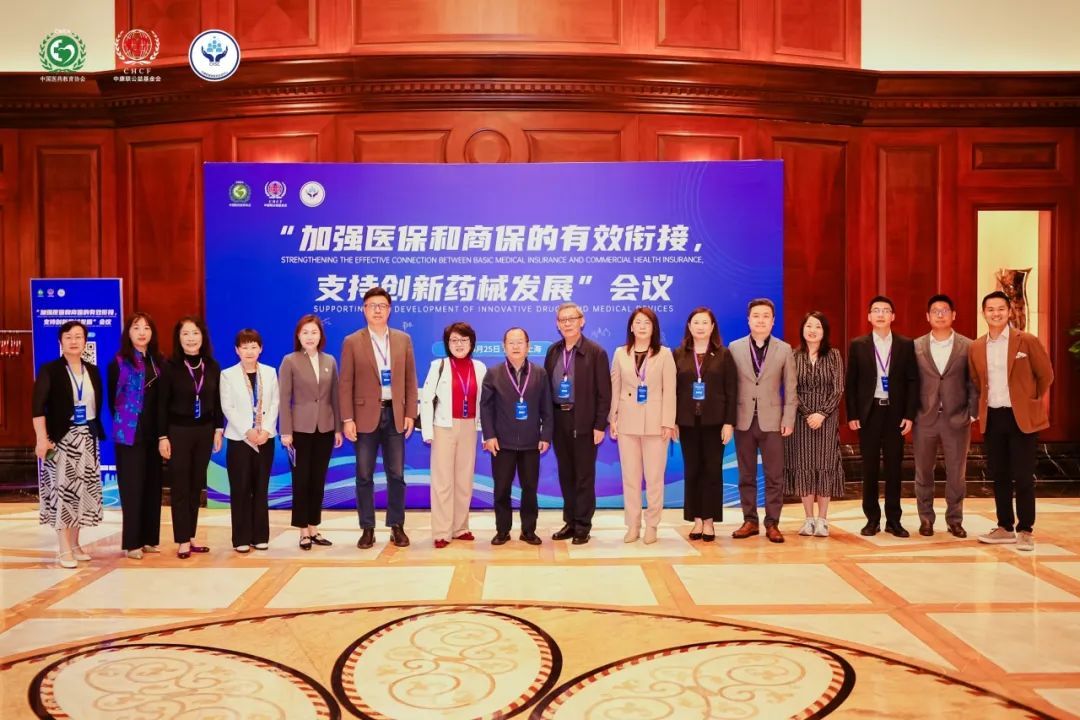
“加强医保和商保的有效衔接,支持创新药械发展”会议成功举办
Feng Huang Wang Cai Jing· 2025-04-27 03:07
来源:艾社康 2025年4月25日,"加强医保和商保的有效衔接,支持创新药械发展"会议在上海圆满举办。本场会议由中国医药教育协会、北京中康联公益基金会、北京 中健联健康服务促进中心联合主办,艾社康承办。 本届会议特邀多位中央和地方医保局领导、多层次医疗保障相关政策专家、保险行业代表,以及药械产业代表为核心嘉宾,分享完善多层次医疗保障制度 体系的思路与先进经验,探索基本医保与商业健康险更紧密地协同与衔接,共同支持创新药械发展。 会议首先由北京协和医学院讲课教授,中欧国际工商学院卫生健康研究中心顾问,国家医疗保障局医药服务管理司原司长熊先军带来题为《完善多层次医 疗保障制度体系政策的思考》的主题分享。熊先军教授系统阐释了我国多层次医疗保障体系的制度逻辑与功能定位,强调构建合理的多层次保障体系,首 要是厘清和完善基本医保制度。同时商业健康保险应聚焦基本医保之外的责任边界,承担提升医疗服务效率、优化就医体验等补充功能。在此基础上,熊 教授对医疗救助的定位、减轻患者个人负担、商保如何与医保互补协同提出了深度思考与政策建议。 上海医保部门分享了《完善多元支付机制,支持创新药械发展的上海实践》话题,介绍了上海在多元支付机制 ...
中信建投医药|医药每周谈
2025-03-31 05:54
Summary of the Conference Call on Commercial Health Insurance in China Industry Overview - The conference call focused on the development of the commercial health insurance industry in China, detailing its growth trajectory and future prospects [3][5][6]. Key Points and Arguments 1. **Development Stages of Commercial Health Insurance**: - The industry has gone through four main stages from 1982 to the present, evolving from initial product offerings to specialized insurance products and a clearer role as supplementary coverage due to healthcare reforms [3][5]. 2. **Market Growth**: - The market size of commercial health insurance has grown from 3.6 billion yuan in 1995 to an expected 977 billion yuan by 2024, with a compound annual growth rate (CAGR) of approximately 6.7% from 2019 to 2024 [3][6]. 3. **Product Segmentation**: - Commercial health insurance is primarily divided into three categories: disease insurance, medical insurance, and long-term care insurance, with disease and medical insurance each accounting for 48% of premium income [7]. 4. **Emergence of Huiminbao**: - Huiminbao, a type of inclusive commercial health insurance, has gained traction with 298 products operational by the end of 2024, although there remains significant room for growth in coverage [8][9]. 5. **Claims and Support for Innovative Drugs**: - Huiminbao products have a high claims payout rate of around 90%, with over 90% covering special drug responsibilities, indicating strong support for innovative drugs [9][10]. 6. **Individual Medical Insurance Advantages**: - Individual medical insurance offers broader coverage and higher average claims compared to Huiminbao, with a 12% year-on-year increase in average claims amounting to 158,000 yuan in 2023 [12]. 7. **Policy Environment**: - The government is enhancing the policy framework for commercial health insurance, emphasizing its role as a crucial component of the multi-tiered medical security system [5][6]. 8. **Challenges and Future Prospects**: - The industry faces challenges such as product design limitations and the need for better data sharing. However, improvements in these areas are expected to unlock new growth opportunities for the pharmaceutical sector [15][16]. 9. **Direct Compensation Models**: - The development of direct compensation models in cities like Shanghai and Guangzhou is expected to enhance user experience and satisfaction, facilitating easier access to commercial health insurance [17]. 10. **Impact of Category C Drug Directory**: - The introduction of a Category C drug directory is anticipated to accelerate the inclusion of innovative drugs in commercial health insurance reimbursement, potentially driving market growth [18]. 11. **Emerging Industry Ecosystem**: - The expansion of commercial health insurance is likely to create a diverse industry ecosystem, with a focus on the development of innovative drug and high-end medical services [19]. Additional Important Insights - The disparity in coverage rates across different regions indicates significant potential for growth in the commercial health insurance market [8]. - The increasing awareness of health issues among residents is contributing to the growth of the commercial health insurance sector [6][14]. - The shift towards inclusive insurance products is aimed at attracting a broader demographic, thereby enhancing overall market penetration [14].
