
白酒行业调整

Search documents
珍酒李渡(06979):更新报告:报表释压,关注新品
GUOTAI HAITONG SECURITIES· 2025-08-15 11:14
Investment Rating - The investment rating for the company is "Buy" [6][18] Core Views - The white liquor industry is undergoing a deep adjustment, with the company expecting a revenue decline of 38.3%-41.9% and an adjusted net profit decline of 39%-40% for the first half of 2025. The introduction of new products such as "Da Zhen" and "Niu Shi Beer" is anticipated to contribute to revenue growth and improve marginal growth rates [2][10]. Financial Summary - Total revenue is projected to be 7,030 million RMB in 2023, with a growth of 20.1%. However, a significant decline of 27.8% is expected in 2025, followed by a slight recovery in subsequent years [5][11]. - Adjusted net profit is expected to be 1,623 million RMB in 2023, with a growth of 35.5%, but a decline of 27.5% is anticipated in 2025 [5][11]. - The company's price-to-earnings (PE) ratio is projected to be 16.38 in 2023, increasing to 21.89 by 2025 [5][11]. Product and Market Strategy - The company is actively launching new products to enhance revenue, including the strategic product "Da Zhen" priced between 500-600 RMB, which aims to fill the price gap between existing products. The product is currently in the distribution phase and is expected to contribute to revenue in the second half of 2025 [10]. - The high-end craft beer "Niu Shi News" has been launched with a retail price of 88 RMB for 375ml, generating over 2 million RMB in revenue from initial sales [10]. Market Context - The company is facing challenges due to significant declines in the white liquor market, particularly affecting mid-range and high-end products. The company anticipates a potential improvement in performance in the second half of 2025 due to low base effects and new product contributions [10][11].
贵州茅台:降速换挡,多元放量为“飞天”疏压|看财报
Sou Hu Cai Jing· 2025-08-13 14:03
Core Viewpoint - Guizhou Moutai (600519.SH) reported a net profit growth slowdown in the first half of 2025, with a net profit of 45.403 billion yuan, reflecting a year-on-year increase of 8.89%, amidst industry challenges such as channel price inversion and inventory accumulation [3][4]. Financial Performance - In the first half of 2025, Guizhou Moutai achieved total revenue of 91.094 billion yuan, a year-on-year growth of 9.16%, marking the first single-digit growth since 2015 [4]. - The company completed its annual revenue growth target of 9% despite the slowdown, demonstrating resilience as an industry leader [4]. - Revenue from Moutai liquor reached 75.589 billion yuan, up 10.24% year-on-year, while series liquor revenue was 13.763 billion yuan, growing 4.69% [4]. Channel and Sales Dynamics - In the first half of 2025, revenue from wholesale channels exceeded 49.343 billion yuan, an increase of 2.83%, while direct sales revenue reached 40.009 billion yuan, up 18.63% [5]. - The number of domestic distributors increased to 2,280, with a net addition of 137, the highest in recent years [5]. - International sales reached 2.893 billion yuan, reflecting a year-on-year growth of 31.29% [5]. Market Challenges - The industry is experiencing a "three-phase overlap" with policy adjustments, consumption structure transformation, and deep adjustments in stock competition [6]. - Price inversion has affected 60% of enterprises, indicating a supply-demand imbalance and increasing channel pressure [7]. - The price of Moutai liquor has dropped significantly, with a cumulative decline of 36.15% since 2022, and current prices have fallen below 2,000 yuan [7]. Strategic Adjustments - To alleviate market pressure, Guizhou Moutai has implemented strategies such as controlling supply, adjusting product specifications, and launching new products [9]. - The company has reformed its direct sales system and introduced new product specifications to cater to diverse consumer needs [9][10]. - New product launches include various limited editions and special commemorative items, enhancing market engagement [10].



贵州茅台(600519):2025Q2收入同比增长9.2%,公司根据市场调整产品结构
Guoxin Securities· 2025-08-13 09:23
Investment Rating - The investment rating for the company is "Outperform the Market" [6][12][19] Core Views - The company demonstrated operational resilience with a total revenue of 91.09 billion yuan in H1 2025, reflecting a year-on-year growth of 9.2%, and a net profit of 45.4 billion yuan, up 8.9% year-on-year [1][4] - The company is adjusting its product structure in response to market changes, with a notable increase in revenue from Moutai liquor, which reached 32.03 billion yuan in Q2 2025, a year-on-year increase of 11.0% [2][3] - The company is actively investing in marketing to enhance its capabilities, resulting in a slight decline in gross margin to 90.4% in H1 2025 [3][4] Financial Performance Summary - In Q2 2025, the total revenue was 39.65 billion yuan, with a year-on-year growth of 7.3%, and a net profit of 18.56 billion yuan, up 5.2% year-on-year [1][2] - The company’s gross margin for Moutai liquor and series liquor decreased by 0.28 percentage points and 2.51 percentage points respectively, attributed to increased market investments [3][4] - The company’s revenue projections for 2025-2027 are adjusted to 189.82 billion yuan, 196.43 billion yuan, and 207.52 billion yuan, with year-on-year growth rates of 9.0%, 3.5%, and 5.6% respectively [4][11] Profitability and Valuation Metrics - The projected net profit for 2025 is 93.17 billion yuan, with a year-on-year growth of 8.0% [4][11] - The current stock price corresponds to a P/E ratio of 19.4x for 2025 and a dividend yield of 3.66% [4][12] - The company’s return on equity (ROE) is projected to be 36.3% in 2025, indicating strong profitability [5][11]
贵州茅台晒上半年“成绩单”!总营收超910亿,业绩增速降至个位数
Ge Long Hui A P P· 2025-08-13 03:41
Core Viewpoint - Guizhou Moutai's performance in the first half of the year shows a significant slowdown in growth, with revenue and net profit growth rates dropping to single digits for the first time in a decade, raising concerns about the overall health of the liquor industry [1][3][7]. Financial Performance - In the first half of 2025, Guizhou Moutai reported revenue of 893.89 billion yuan, a year-on-year increase of 9.1%, and a net profit of 454.03 billion yuan, up 8.89% from the previous year [1][2]. - The total revenue for the year is projected at 910.94 billion yuan, also reflecting a 9.16% increase year-on-year, slightly above the company's annual growth target of 9% [3][2]. - The second quarter saw a more pronounced decline, with revenue of 387.88 billion yuan, a 7.28% increase year-on-year, but a 25.54% decrease compared to the first quarter [3]. Product and Sales Breakdown - Moutai liquor generated revenue of 755.9 billion yuan, a 10.24% increase, while series liquor revenue was 137.63 billion yuan, up 4.69% [3][5]. - Direct sales accounted for 400.1 billion yuan, an 18.6% increase, representing 44.76% of total revenue, while wholesale and agency sales were 493.43 billion yuan, a 2.83% increase, making up 55% of total revenue [3][5]. - Domestic revenue reached 864.59 billion yuan, up 8.74%, while international revenue was 28.93 billion yuan, reflecting a 31.26% increase [3][5]. Industry Context - The liquor industry is currently undergoing a deep adjustment phase characterized by policy changes, shifts in consumer structure, and intense competition among existing players [7][9]. - The production of major liquor companies in China has declined, with a reported 5.8% drop in output for the first half of the year [7]. - The introduction of strict regulations, such as the "ban on alcohol" for public receptions, has negatively impacted consumption patterns and contributed to a downturn in the sector [7][9]. Shareholder Actions - In response to the declining growth, Guizhou Moutai initiated a share buyback program, with a total of 53.01 billion yuan spent on repurchasing shares as of the end of July 2025 [6]. - The company has also distributed 346.71 billion yuan in cash dividends during the first half of the year [2][6].
茅台也扛不住,中报业绩降速
Zhong Guo Ji Jin Bao· 2025-08-12 14:38
Core Viewpoint - Guizhou Moutai's revenue for the first half of 2025 increased by 9.16% year-on-year, with net profit rising by 8.89% [2][3] Financial Performance - Total revenue reached 91.094 billion yuan, a 9.16% increase compared to the previous year [2][3] - Net profit attributable to shareholders was 45.403 billion yuan, up 8.89% year-on-year [2][3] - Operating income for the first half was 89.389 billion yuan, reflecting a 9.10% growth [3] - Total profit amounted to 62.778 billion yuan, marking a 9.03% increase [3] - Cash flow from operating activities decreased by 64.18%, totaling 13.119 billion yuan [3] - Total assets decreased by 2.24% to 292.258 billion yuan, while net assets increased by 2.38% to 238.647 billion yuan [3] Market Context - The white liquor industry is undergoing significant adjustments, with 60% of companies experiencing price inversion, indicating supply-demand imbalances [8] - Moutai's price has dropped by 36.15% since 2022, reflecting changes in consumption scenarios [8] - The company set a revenue growth target of approximately 9% for 2025, lower than previous years' targets of around 15% [8][4] Product Performance - Moutai liquor generated 75.590 billion yuan in revenue, a 10.24% increase, while series liquor revenue was 13.763 billion yuan, up 4.69% [10] - Direct sales channels contributed 40.010 billion yuan, growing by 18.63%, while wholesale channels contributed 49.343 billion yuan, increasing by 2.83% [10] - The "i Moutai" platform generated 10.760 billion yuan in revenue, reflecting a 4.98% increase [10] Production and Cash Position - Moutai liquor production reached approximately 43,700 tons, up 11.76%, while series liquor production was about 29,600 tons, increasing by 30.40% [11] - Cash on hand was 51.645 billion yuan, down 12.90% from the previous year, accounting for 17.67% of total assets [12] Strategic Initiatives - Moutai is adapting to market changes through innovative strategies, including partnerships with e-commerce platforms and new product launches [14] - The introduction of a high-end product priced at 7,000 yuan aims to target the luxury market [14] - The "1×4" packaging design is intended to capture high-net-worth consumers in smaller gatherings [16] Industry Outlook - Other liquor companies are facing poor performance, with several reporting significant declines in revenue and profit [18][20] - The overall sentiment in the white liquor market suggests a potential recovery in the second half of 2026, with expectations for improved conditions [21]
茅台也扛不住,中报业绩降速
中国基金报· 2025-08-12 14:34
Core Viewpoint - Guizhou Moutai's revenue for the first half of 2025 increased by 9.16% year-on-year, with net profit attributable to shareholders rising by 8.89% [2][3] Financial Performance - Total revenue reached 910.94 billion, a 9.16% increase from the previous year; revenue from main operations was 893.89 billion, up 9.10% [2][3] - Net profit attributable to shareholders was 454.03 billion, reflecting an 8.89% year-on-year growth [2][3] - The company set a revenue growth target of approximately 9% for 2025, which has been slightly exceeded in the first half [3] Market Context - The white liquor industry is undergoing significant adjustments, with 60% of companies experiencing price inversion, indicating supply-demand imbalances and increased channel pressures [8] - The price of Feitian Moutai has dropped by 36.15% since 2022, highlighting changes in consumption scenarios [8] Product Performance - Moutai liquor, a key product, generated revenue of 755.90 billion, up 10.24%, while series liquor revenue was 137.63 billion, increasing by 4.69% [8] - Direct sales channels contributed 400.10 billion, a growth of 18.63%, while wholesale channels saw a 2.83% increase [9] Strategic Initiatives - Guizhou Moutai is adapting to market changes through innovative strategies, including partnerships with e-commerce giants and the introduction of new product formats [10][11] - The launch of a high-end 70th anniversary Moutai priced at 7000 yuan aims to target the luxury market [10][13] - The introduction of a "1×4" bottle packaging is designed to cater to smaller gatherings and gifting scenarios, reflecting a shift in consumer preferences [13] Industry Outlook - Other liquor companies are facing poor performance, with several reporting significant declines in revenue and profit [15] - The overall sentiment in the white liquor market suggests a potential recovery in 2026, with expectations of improved conditions in the fourth quarter of 2025 [16]
茅台纪念酒7000元开售,三分钟售罄后二手市场溢价迅速回落
Sou Hu Cai Jing· 2025-08-09 05:20
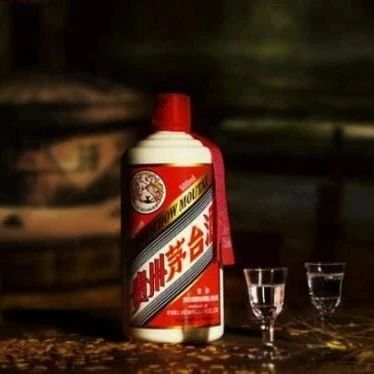
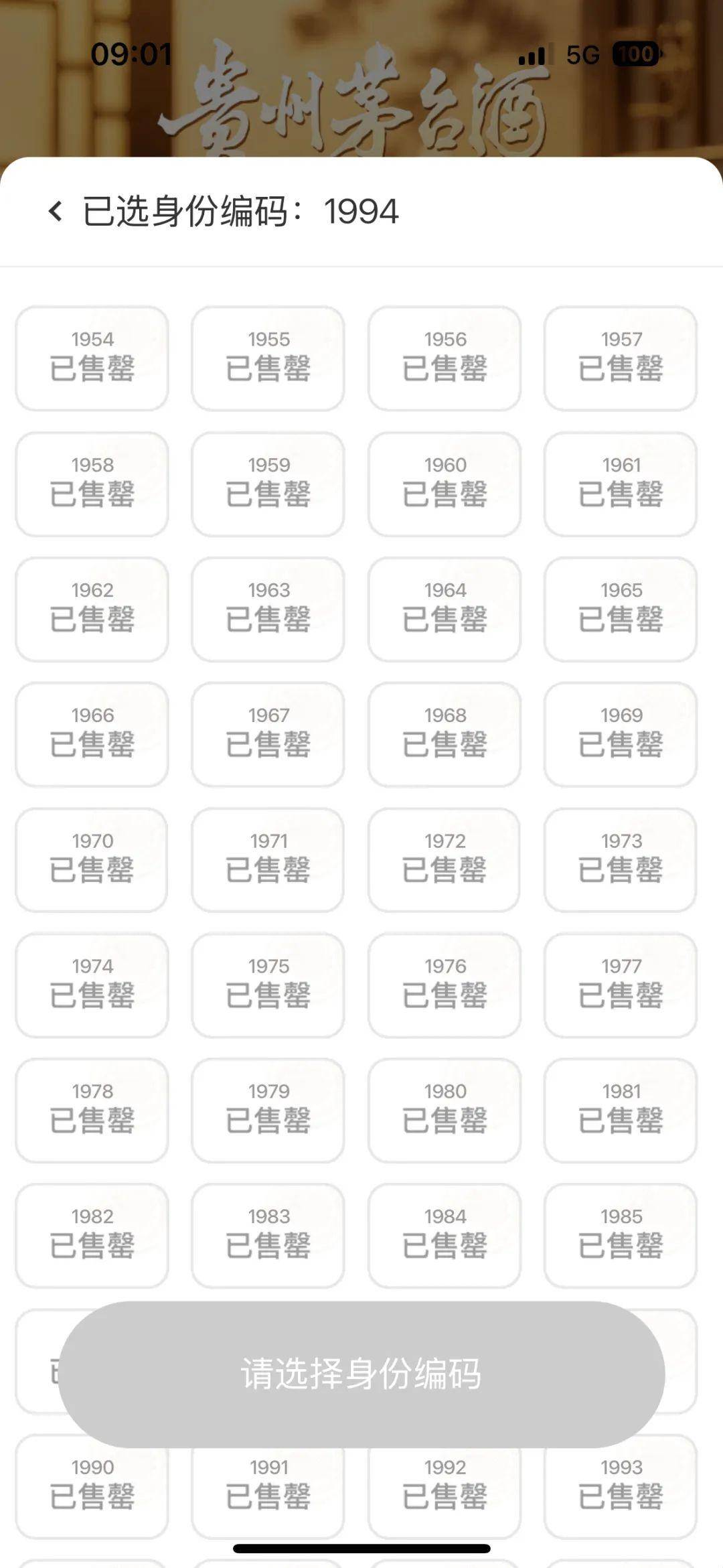
Core Insights - The launch of a limited edition commemorative liquor priced at 7000 yuan by Kweichow Moutai has sparked a buying frenzy, with 25,568 bottles released to celebrate the 70th anniversary of the "Five-Star" trademark [1] - The unique aspect of this commemorative liquor is that consumers can choose specific year codes, adding personal significance to each bottle, which has led to high demand and speculation in the market [1][6] - Despite the initial excitement, the secondary market for this liquor has shown signs of depreciation, with sellers lowering their price expectations after the initial launch [6] Company Performance - Kweichow Moutai's overall revenue for the previous year was 174.144 billion yuan, with the core product, Feitian Moutai, accounting for approximately 84% of this revenue [10] - The wholesale price of Feitian Moutai has been declining, dropping from around 2200 yuan at the beginning of the year to 1875 yuan, indicating a challenging market environment for the company [10] - The performance of the commemorative liquor may become a focal point for investors, especially as the overall white liquor industry is undergoing significant adjustments [10]
茅台护城河决堤:价格失守、增速放缓,53亿回购难掩增长焦虑
Sou Hu Cai Jing· 2025-08-08 07:18
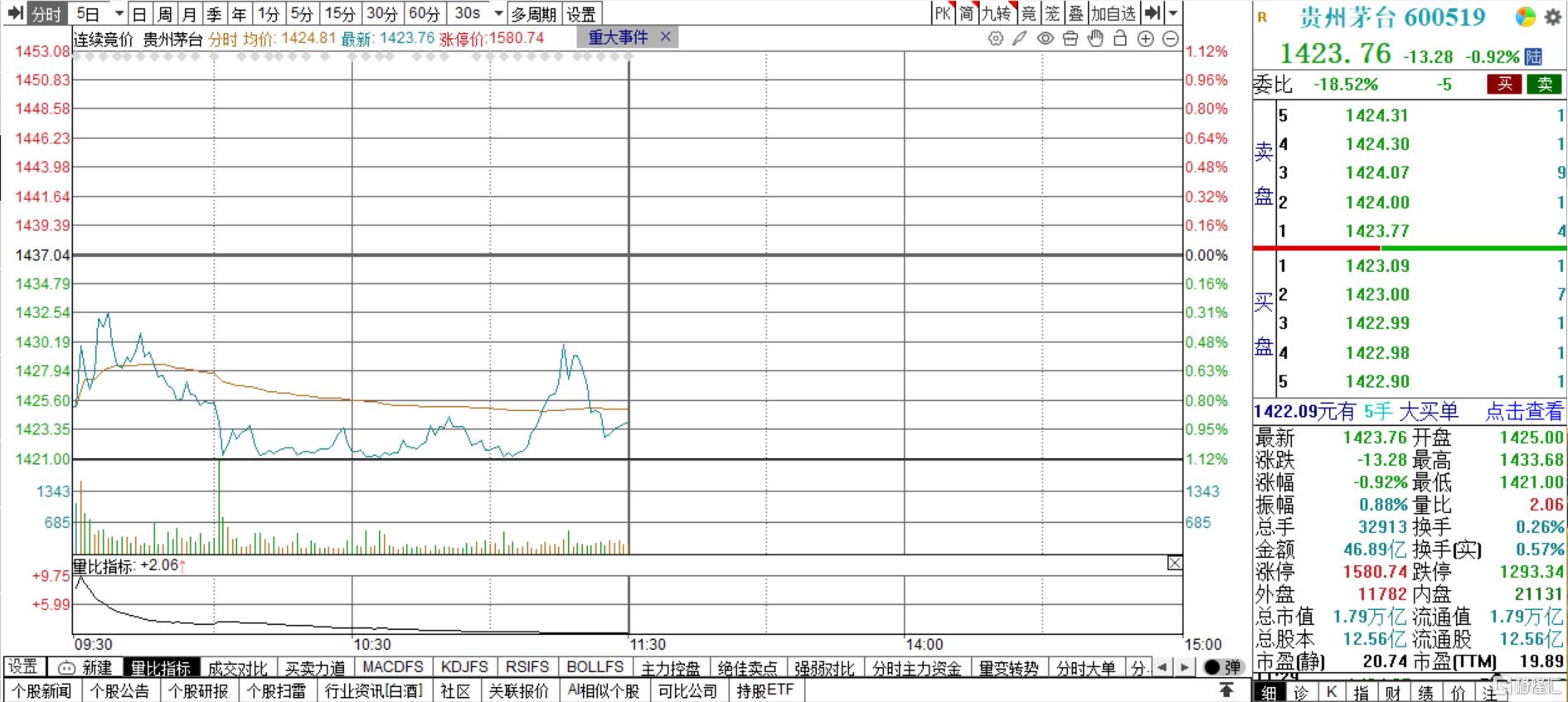
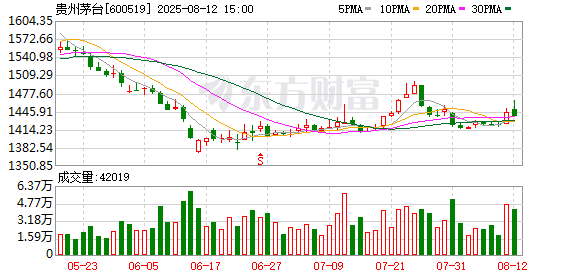
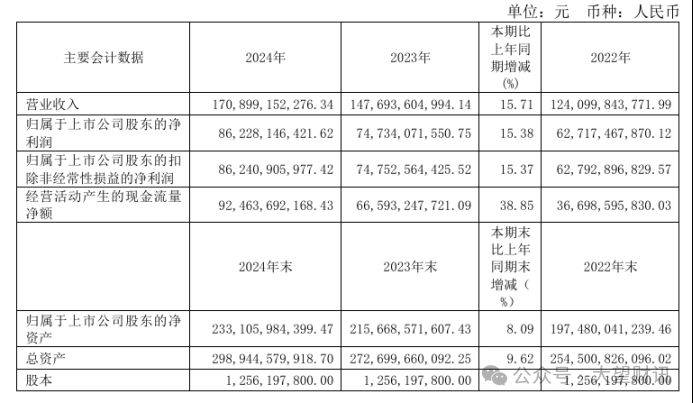
Core Viewpoint - The market for Moutai is experiencing a rare "cooling" phase, with the wholesale price of Feitian Moutai dropping below 2000 yuan per bottle, reaching 1860 yuan, a decline of 360 yuan since the beginning of the year. The company has lowered its annual revenue growth target to 9%, the lowest since 2016, raising questions about the sustainability of Moutai's growth narrative [1][4]. Group 1: Share Buyback and Market Response - Moutai has initiated a share buyback plan, spending approximately 5.3 billion yuan to repurchase shares, with a total of 3.45 million shares bought back, representing 0.2748% of the total share capital [1][2]. - The buyback is intended for cancellation, signaling to the market that the company believes its stock is undervalued amidst declining prices and market pressures [2][8]. - Following the implementation of the "ban on alcohol" policy, Moutai's stock price has faced downward pressure, with a notable drop of over 11% from 1607.39 yuan per share on May 14 to 1423.88 yuan on August 6 [2][9]. Group 2: Financial Performance and Market Challenges - In 2024, Moutai reported a revenue of approximately 1708.99 billion yuan, a year-on-year increase of 15.71%, and a net profit of about 862.28 billion yuan, also up 15.38% [4][6]. - Despite these figures, the company has set a modest revenue growth target of around 9% for 2025, indicating a slowdown in growth expectations [4][8]. - The company faces challenges from multiple levels, including macroeconomic transitions, industry cycle adjustments, and internal operational changes [8]. Group 3: Industry Context and Price Trends - The white liquor industry is undergoing significant adjustments, with Moutai's prices falling below the psychological threshold of 2000 yuan per bottle, attributed to shrinking demand and increased supply [9][11]. - As of August 6, the price of Feitian Moutai on e-commerce platforms has dropped to as low as 1820 yuan per bottle, reflecting a broader trend of price declines in the market [11][13]. - Analysts suggest that Moutai should take measures to restore market confidence and manage supply effectively to stabilize prices amidst these challenges [13].
豪掷53亿元回购后 贵州茅台推新上市
Mei Ri Shang Bao· 2025-08-06 23:03
Product Launch - Guizhou Moutai is set to launch a new product, "Guizhou Moutai Liquor (70th Anniversary of the Five-Star Trademark)," on August 8, with a limited release of 25,568 bottles [1][2] - Each bottle will feature a unique identity code corresponding to dates from May 1, 1954, to April 30, 2024 [2][3] - The new product is expected to be priced at 7,000 yuan per bottle and is crafted using high-quality local ingredients, adhering to traditional brewing methods [2][3] Share Buyback - As of July 2025, Guizhou Moutai has repurchased 3.4517 million shares, amounting to over 5.3 billion yuan, marking the first cancellation-style buyback since its listing in 2001 [4] - This buyback is aimed at protecting the interests of the company and its investors, enhancing market confidence [4] Market Performance - Guizhou Moutai's stock price has shown a downward trend since the beginning of the year, closing at 1,423.88 yuan per share, down from a high of 1,626.12 yuan [5] - The company's revenue for 2024 is projected at 174.144 billion yuan, with a year-on-year growth of 15.66%, while net profit is expected to reach 86.228 billion yuan, growing by 15.24% [5][6] - The white liquor industry is currently facing challenges such as excessive competition and declining product prices, but the fundamentals of leading companies remain solid [6]
珍酒李渡发布盈利预警 上半年预计收入最高25.5亿元
Zheng Quan Ri Bao Wang· 2025-08-06 14:13
Core Viewpoint - The company, Zhenjiu Lidu Group, anticipates a decline in revenue and net profit for the first half of 2025, with revenue expected to reach up to 2.55 billion yuan, attributed to reduced consumption scenarios and a strategic decision to slow growth for long-term stability [1] Group 1: Performance Forecast - Zhenjiu Lidu expects a revenue drop of up to 2.55 billion yuan for the first half of 2025, reflecting a year-on-year decline [1] - The decrease in revenue is linked to fewer business and social gatherings, leading to a reduction in white liquor consumption [1] - Other listed liquor companies are also experiencing varying degrees of performance decline, indicating overall pressure in the white liquor industry [1] Group 2: Strategic Responses - The company plans to implement three strategic initiatives to address the decline in white liquor demand [2] - A flagship product, "Da Zhen·Zhenjiu," launched in June, is expected to drive new growth in the second half of the year [2] - Zhenjiu Lidu will focus on refined sales policies, enhancing market penetration in core regions, and stabilizing existing distribution channels [2] - The company aims to expand its product offerings to include mid-range and premium products tailored to different consumer needs [2] Group 3: Market Adjustments - Zhenjiu Lidu has already initiated adjustments, focusing on inventory clearance and stabilizing the distributor system [3] - The company is controlling the supply of its products, such as reducing market supply for "Zhen Fifteen" and focusing on sales cultivation for "Zhen Thirty" [3] - Analysts suggest that the company is rationally addressing the industry pressure while consolidating its core market [3] Group 4: Brand Strategy - The company maintains a clear brand positioning and long-term strategic commitment, focusing on optimizing the competitive landscape of top sauce liquor brands [4] - Multi-brand collaboration is seen as a way to enhance risk resistance [4]