
绿色低碳

Search documents
追青逐绿,江苏光景满目新
Xin Lang Cai Jing· 2026-01-26 22:08
(来源:新华日报) 这份2025年"成绩单"背后,是江苏协同大气环境治理。深化产业能源交通结构调整,制定《江苏省"两 高"项目管理目录(2025年版)》,推动煤电机组关停超200万千瓦。实施多污染物控制,推进重点行业 污染深度治理,焦化企业全部完成全流程超低排放改造;推进VOCs综合治理,重点化工园区VOCs排放 浓度同比下降20%以上。加强机制建设,完善长三角区域大气污染防治协作机制,修订《江苏省重污染 天气应急预案》。 这一年,江苏水更清了:全省国考断面优Ⅲ比例为94.8%,同比上升1.0个百分点,保持了"十四五"期间 逐年改善的良好势头,连续4年达到优级水平。长江干流江苏段全线稳定保持Ⅱ类,主要通江支流连续4 年全部达到或好于Ⅲ类。太湖水质继续保持Ⅲ类并实现总氮总磷浓度双改善。大运河连续5年水质优Ⅲ 比例100%。 江豚在水中时而逐浪、时而潜游,是对一片水域水质改善最直接的"好评"。去年10月31日,省环境监测 中心开展四季度长江江苏段全线长江江豚种群调查时,在长江苏州段单日单程共监测到江豚35头,成为 本季度监测头次最多的江段。这已是连续多个季度记录到罕见的江豚大群体活动场景,显示出长江苏州 段的生态 ...
全国首艘双燃料甲醇加注船完成首单加注
Ren Min Ri Bao· 2026-01-26 21:54
近年来,深圳在大力推动LNG替代燃料油加注的同时,也积极布局甲醇、绿氨等新型清洁能源加注业 务。执行加注任务的"大庆268"轮,载重量7500吨,其双燃料动力系统可大幅降低碳排放。"大庆268"轮 的首航首加,意味着粤港澳大湾区在绿色燃料加注装备领域实现"从无到有"的新突破,未来将持续为往 来大湾区的国际船舶提供绿色能源补给。 绿色甲醇是一种通过生物质(如农业废弃物、林业残余物)气化合成,或利用可再生能源(如太阳能、风 能)制氢后与二氧化碳合成的低碳燃料。作为国际海事组织(IMO)推荐的核心低碳船舶燃料之一,其规模 化应用离不开稳定可靠的产业链供应链保障。 本次加注的绿色甲醇,源自中集安瑞科位于广东湛江的国内首个量产生物甲醇(绿色甲醇)项目。该项目 首期年产5万吨的绿色甲醇,是国内首个量产生物甲醇项目,具有原料适应性强、操作弹性大、工艺过 程集成度高、源头及过程降碳效果显著等优点,产品全生命周期GHG减排率85%以上。该项目还构建了 华南首个绿色甲醇"产—储—运—用"供应链生态:在湛江港深水码头布局3万立方米的甲醇成品罐以及 专用装卸泊位,实现"产—储—运"1小时闭环;已构建大湾区船舶加注"当日达"网络,是国 ...
长华化学(301518) - 2026年1月26日投资者关系活动记录表
2026-01-26 11:45
答:二氧化碳聚醚是环氧丙烷与二氧化碳的共聚产物,不仅 具有低温柔顺性、耐水解性等优点,而且兼具聚碳酸酯的力学强 度、耐磨性、耐热性等特点,由其制备的聚氨酯材料具有优异的 抗氧化、耐磨、耐化学品、耐水解等性能;除此之外,二氧化碳 聚醚分子链上含有碳酸亚丙酯键,更容易被降解再生,由其制备 的聚氨酯制品更容易实现可持续循环再生,因此预计未来二氧化 碳聚醚在聚氨酯行业市场容量能够持续扩大。 证券代码:301518 证券简称:长华化学 长华化学科技股份有限公司 投资者关系活动记录表 编号:2026-001 | ☑ | 特定对象调研 □分析师会议 | | | --- | --- | --- | | 投资者关系活动 | □媒体采访 □业绩说明会 | | | 类别 | □新闻发布会 □路演活动 | | | | □现场参观 | | | | □其他 东吴证券股份有限公司 | 陈淑娴、周少玟 | | | 浙商基金管理有限公司 上海瓦洛兰投资管理有限公司 | 景徽 董骁 | | | 五地投资管理有限公司 | 成佩剑 | | 参与单位名称及 | 贵山基金管理有限公司 | 毛程霖 | | 人员姓名 | 基明资产管理(上海)有限公司 | ...
尚海龙:把握APEC机遇,打造南山国际创新枢纽
Nan Fang Du Shi Bao· 2026-01-26 11:24
为最大化释放APEC会议溢出效应,推动"办会"与"兴城"同频共振,尚海龙提出七大针对性建议,包 括:打造"APEC数字治理(中国南山)实验室";推出"APEC绿色供应链南山导则";打造"双城"模式服 务盛会,深化"深港合作";设立"APEC主题产业园",固化长期合作平台;对标APEC标准,实施"城市 国际化提升计划";打造沉浸式参访路线,讲好"南山故事";服务国家战略,推动"制度型开放"压力测 试 尚海龙表示,APEC落地深圳将为南山带来三重发展升级契机:首先是成为向亚太乃至全球输出数字经 济、绿色低碳等领域"深圳标准""南山方案"的国际话语权放大器;其次,将吸引亚太创新资源集聚,推 动本地"20+8"产业集群与国际创新链深度融合的产业升级聚宝盆;第三,可以以国际标准倒逼城市基 建、服务、生态提质的城市能级催化剂。 1月26日,南山区政协六届七次会议开幕,大会现场,南山区政协常委、商汤医疗联合创始人、香港高 才资本创始人尚海龙围绕《把握APEC历史机遇,打造南山国际创新枢纽》作发言。他表示,APEC在 深圳举行对南山而言不仅是荣耀,更是站在更高起点,向世界展示"中国硅谷"创新活力、提升城市能 级、加速国际化进 ...


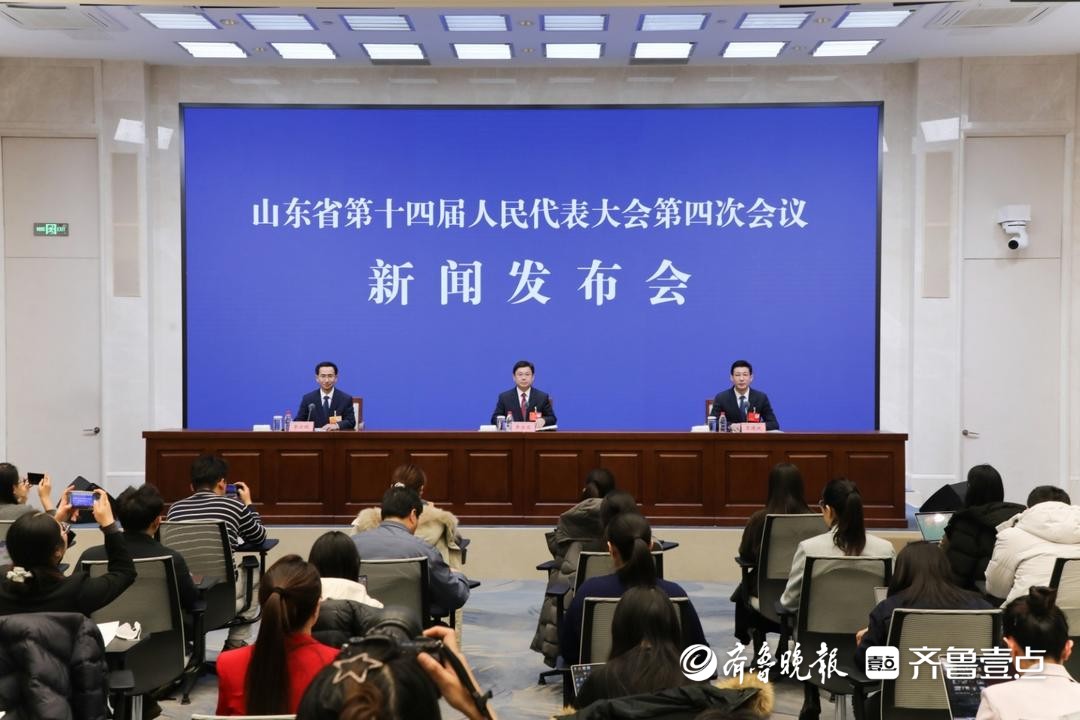
精简、优化、节俭……山东省十四届人大四次会议作出这些安排
Qi Lu Wan Bao· 2026-01-26 10:45
齐鲁晚报.齐鲁壹点记者范佳杨璐 1月26日下午,山东省十四届人大四次会议举行新闻发布会,介绍会议议程及有关安排。 发布会上,省十四届人大四次会议副秘书长兼新闻发言人,省人大常委会副秘书长、办公厅主任李业文表示,深入贯彻中央八项规定及其实施细则精神, 坚定不移纠"四风"树新风,是大会筹备组织工作的一项重要原则。会议秘书处始终绷紧改进作风这根弦,把严的标准和实的要求贯穿工作始终,着力 在"精简、优化、节俭、严管"上下功夫,大力营造务实高效、简约简朴、风清气正的会议氛围。 大会严格落实习惯过紧日子的要求,精准编制并严格执行会议经费预算,首次制发绿色低碳倡议书,筹划实施节约用电用水、节约粮食、减少一次性用品 使用、绿色出行等措施,进一步向社会释放厉行节约反对浪费的鲜明信号。 大会较以往减少一场新闻发布会,筹划组织代表接受集中采访,合理调整会议简报的内容篇幅,力求将更多的版面、镜头和话筒留给基层代表,更好地把 群众呼声、一线意见反映上来。 大会从严控制住会工作人员数量,适宜公开的文件均通过线上推送,相关报告"印全稿、读简稿",着力提高会议质效。 ...
海南绿色低碳建筑高质量发展 占比逐年提高
Zhong Guo Xin Wen Wang· 2026-01-26 09:12
与此同时,海南城镇新建绿色建筑、装配式建筑占比逐年提高,2024年度全省新建绿色建筑面积占 新建民用建筑面积比例达到90%以上,全省明确采用装配式建造的项目面积在新建建筑中占比超过 75%。 海南区域低碳示范区项目建成运营。2024年3月,部省共建项目——博鳌近零碳示范区建成运营, 获得德国能源署在中国颁发的首个"零碳区域运营认证"标识,被纳入住建部城市更新典型案例、国家能 源局绿色低碳转型典型案例,获得全国综合智慧能源大会授予的优秀示范项目称号。 林明泉也指出,海南装配式建筑产业基地规模化发展,2024年临高金牌港产业园区产值规模达十亿 级,全省装配式建筑生产基地实现"1+N"(临高金牌港+市县)的布局,部品部件生产企业从2015年的1家 发展到目前的40余家,其中,国家级装配式建筑示范基地1家,省级装配式建筑示范基地10余家。(完) 中新网海口2月27日电 (记者 王晓斌)在26日于海口举行的"海南自贸港政策解读"系列主题新闻发布 会上,海南省住房和城乡建设厅勘察设计与科技处处长林明泉表示,政策标准体系逐步完善,引领海南 省绿色建筑和装配式建筑高质量发展。 在海南,2022年出台的《海南省绿色建筑发展条例 ...
新泰市西张庄镇:打造节能环保装备产业新高地 昊正能源生产基地引领绿色智造
Qi Lu Wan Bao· 2026-01-26 08:10
Core Insights - The Haozheng Energy Environmental Equipment Production Base project in Xizhangzhuang Town, Xintai City, represents a significant development in local industry with a total investment of 900 million yuan and an expected annual output value of 360 million yuan [1][2] Group 1: Project Overview - The project covers an area of 86 acres with a total construction area of 59,000 square meters, including the establishment of over 150 new production lines and key equipment [1] - Upon completion, the project is expected to produce more than 5,000 sets of various biological fermentation equipment annually, creating over 200 jobs [1] Group 2: Technological Innovation - The company emphasizes not only production capacity but also the "newness" of its products, holding 26 core technology patents and offering a full-service chain from design to after-sales [1] - The core product, a new type of intelligent fermentation tank, integrates IoT, big data, and AI technologies, allowing real-time monitoring and intelligent control of key parameters within a fluctuation of ±0.5% [1] Group 3: Environmental Impact - The new fermentation tank features modular design for easier installation and maintenance, achieving a 20% reduction in energy consumption, a 30% decrease in emissions, and a 40% increase in production capacity compared to traditional products [1] Group 4: Market Potential - The company is actively positioning itself in emerging fields like synthetic biology, with an expected compound annual growth rate of over 30% for related products in the next five years, indicating a broad market outlook [2] Group 5: Regional Development Strategy - Xizhangzhuang Town is leveraging the opportunity of building an international energy-saving and environmental protection equipment industrial park, with the Haozheng Energy project as a key driver for regional industrial transformation [2] - The town has allocated nearly 500 acres of land for industrial park planning and construction, aiming for a development rhythm of "one year to gather momentum, two years to scale, and three years to transform" [2]
中国石油自主创新破解开发难题
Jing Ji Ri Bao· 2026-01-26 06:33
Core Viewpoint - China National Petroleum Corporation (CNPC) has achieved a significant milestone with shale oil production exceeding 7 million tons annually, marking a new phase in the large-scale development of continental shale oil, which is crucial for national energy security [1] Group 1: Unconventional Oil and Gas Development - Unconventional oil and gas, including shale oil, tight oil, and coalbed methane, require new technologies for economic extraction, as traditional methods are insufficient [2] - China ranks third globally in shale oil recoverable reserves and has substantial shale gas resources, with the potential for significant contributions to energy security as conventional oil fields mature [2][3] - Since the 14th Five-Year Plan, CNPC has intensified exploration and development of unconventional oil and gas, achieving remarkable production growth and reshaping the energy security landscape [2] Group 2: Production Achievements - In the Ordos Basin, the Changqing Oilfield has reached a cumulative shale oil production of over 20 million tons, becoming the first continental shale oil field to achieve large-scale development [3] - The Jimsar National Shale Oil Demonstration Zone in the Junggar Basin has produced over 1.7 million tons of shale oil annually, addressing major challenges in resource identification and development [3] - The Sichuan Basin's shale gas production has surpassed 16 billion cubic meters annually, accounting for 60% of China's total shale gas output, with cumulative production exceeding 100 billion cubic meters [4] Group 3: Technological Innovations - CNPC has developed a unique theoretical framework for coalbed methane and implemented innovative technologies that enhance production efficiency, overcoming challenges posed by geological conditions [5][6] - The Changqing Oilfield has shifted from traditional North American extraction methods to a self-developed multi-stage fracturing technique that aligns better with local geological conditions, resulting in increased production [5][6] Group 4: Green Development Initiatives - CNPC has reached a "clean replacement" phase in its renewable energy business, integrating green low-carbon principles into unconventional oil and gas development [9] - The company has implemented land-saving and clean production practices, significantly reducing water usage and carbon emissions through advanced drilling technologies [9][10] - The establishment of solar power systems across oilfields has contributed to substantial reductions in carbon emissions, supporting the transition to a low-carbon energy structure [10][11] Group 5: Future Goals and Strategies - CNPC aims to enhance its management and operational efficiency through innovation and digital transformation, focusing on the sustainable development of unconventional resources [11] - The company is committed to achieving significant production capabilities in coalbed methane by 2035, which is expected to play a vital role in ensuring national energy security [4][11]

国家能源集团2025年多项指标创新高
Ke Ji Ri Bao· 2026-01-26 06:28
绿色低碳是高质量发展的必由之路。"十四五"期间,国家能源集团着力推动传统能源低碳转型和清洁能 源规模集约发展,火电产业升级脱硫脱硝设备、优化燃烧系统、推广超低排放技术,供电煤耗下降4.7 克/千瓦时,实现高效低碳运行;电力清洁可再生能源装机规模达到"十三五"末的3倍,水电装机增长达 16%,风电装机突破7200万千瓦,持续保持全球第一。 此外,在产业布局方面,"十四五"期间,国家能源集团服务国家重大战略,推动一批标志性工程先后落 地,牵头开发宁夏腾格里等"沙戈荒"大型风光基地,投运全球最大的开放式百万千瓦级海上光伏项 目,"国能共享号"深远海漂浮式风电项目开创"绿色能源+蓝色粮仓"融合发展新模式,建成黄河上游最 大的玛尔挡水电站,打造千万千瓦级"水光蓄储"一体化基地。(陆成宽) 责任编辑:闫弘旭 记者从1月23日举行的国家能源集团2026年工作会新闻发布会上获悉,2025年,国家能源集团多项生产 经营指标再创历史最好水平,自产煤量站稳6亿吨大关,单日发电量多次刷新纪录,供热量保持全国第 一,电煤中长协高比例签约履约,以实际行动诠释了能源保供"主力军"的责任与担当。 企业是科技创新的主体,是提供高质量科技供给的 ...
新质引擎丨看智能制造如何“挑大梁”
Ke Ji Ri Bao· 2026-01-26 06:16
科技日报记者 吴叶凡 箱梁是现代大型桥梁、高架桥中最主要、最常见的桥梁结构,为一座座"飞虹"跨越天堑提供着坚实 支撑。 从传统的箱梁预制,到如今的智慧拼装,智能化正深刻重塑着我国梁场的制造模式,提升着桥梁的 建造效率与品质。 搭建信息"高速公路" 近期国新办举行的新闻发布会上,交通运输部综合规划司负责人金敬东介绍,"十四五"时期,我国 重大交通基础设施项目总体进展顺利。在这一进程中,桥梁建设尤为关键。 在位于湖北省黄冈市麻城市的麻城梁场,一榀榀箱梁在智能化流水线上完成制造,井然有序"排队 出场",为合武高铁建设贡献"钢筋铁骨"。 中铁一局合武高铁麻城梁场总工程师董贺介绍,麻城梁场围绕"数智化"转型升级目标,以AI智能化 管理系统为基座,通过运用建筑信息模型(BIM)、物联网、AI智能识别、智能终端等先进技术,对生 产、人员、质量、安全、技术、设备、工序、物资8个方面进行全过程智能化管控,实现N个智能化工 装设备的深度链接。 "形象地说,箱梁制造过程中,有上百条看不见、摸不着的信息通道。这些通道将调度中心与各个 生产单元链接起来。"董贺进一步解释,"我们要做的,就是打通各个信息通道间的壁垒,搭建信息'高 速公路 ...