一人公司

Search documents
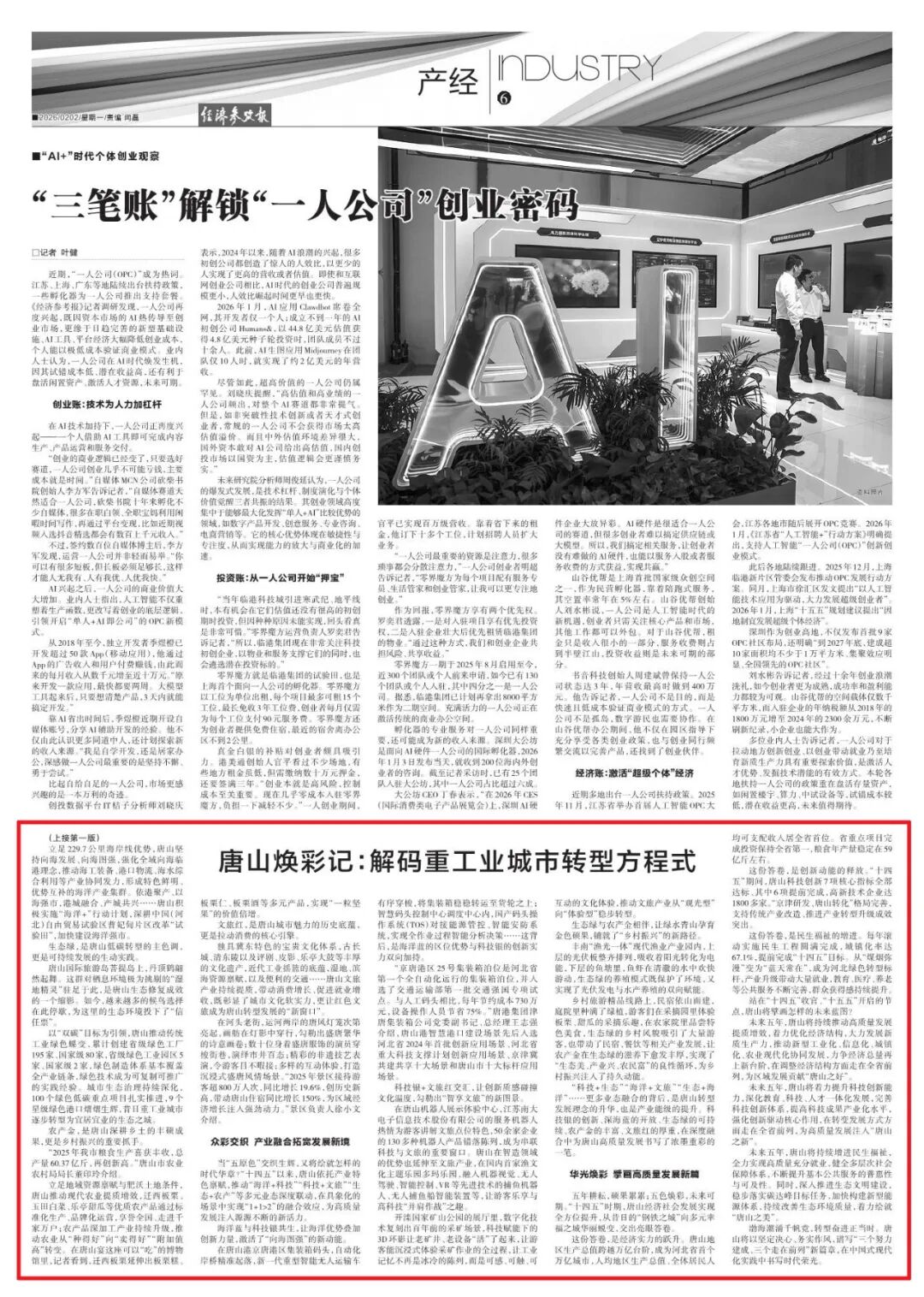
凌晨三点,彻底失眠:Seedance 2.0告诉我们,AI对现实世界工作流“压缩”正在加速
硬AI· 2026-02-08 23:38
Core Viewpoint - The rapid advancements in AI, particularly in video production, are reshaping workflows and potentially leading to a significant industry transformation [2][3][26]. Group 1: AI in Video Production - Seedance 2.0 represents a breakthrough akin to GPT-3.5 for the video industry, demonstrating that advanced AI capabilities are closer than anticipated [4][26]. - The technology automates camera movements, scene transitions, and audio-visual synchronization, significantly reducing the need for expensive equipment and skilled personnel [5][11][23]. - AI's ability to understand three-dimensional space and emotional cues in video editing allows for a drastic reduction in the time required for tasks that previously took hours [18][19][21]. - The traditional linear workflow in film production, involving multiple specialized roles, is being compressed into a single AI model, indicating a shift towards more efficient production processes [22][24][25]. Group 2: AI and Software Development - The emergence of "instant software" is suggested as a potential end to the App era, with AI enabling direct fulfillment of user needs through natural language commands [31][41]. - The traditional lengthy development cycle for applications is being drastically shortened, allowing for rapid generation of tailored solutions [40][42]. - This shift poses a challenge to existing internet giants, as the reliance on app downloads and user engagement may diminish in favor of AI-driven interfaces [43][44]. - The transformation may lead to a new ecosystem where app developers become data API service providers, focusing on personalized AI solutions rather than traditional applications [46].


手搓经济正在崛起
21世纪经济报道· 2026-02-08 12:07
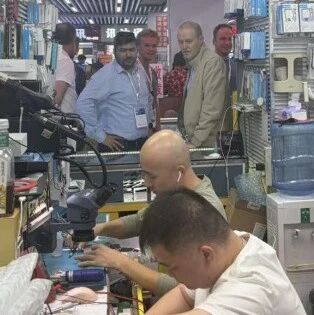
Core Viewpoint - The article highlights the rise of the "handmade economy" in Shenzhen, driven by individual creativity and innovation, particularly in the context of AI and hardware integration [1][2]. Group 1: "Handmade Economy" Overview - The term "handmade" refers to a set of engineering methods based on experiential judgment and rapid practice, rather than simple manual labor [4]. - Shenzhen's "handmade economy" has a solid foundation, with a long history of engineers and technical craftsmen actively engaged in the consumer electronics industry since the 1980s [4]. - The emergence of new-generation makers, such as students, is injecting fresh energy into the handmade economy, exemplified by a student who created a durable power bank for under 50 yuan [6]. Group 2: Innovation and Collaboration - The "handmade economy" is characterized by a "three-circle linkage" within a well-established industrial chain, allowing for rapid prototyping and market entry [7]. - The integration of AI technology is enhancing individual productivity and creativity, leading to the establishment of "One Person Company" (OPC) innovation communities that support individual entrepreneurs [8][9]. - Local governments are increasing support for the handmade economy, with initiatives like the OPC innovation community in Shenzhen providing resources for prototype testing and market access [8]. Group 3: Infrastructure and Support - Shenzhen has transformed traditional incubators into OPC incubators, offering around 200 workspaces and independent offices to support the handmade economy [9]. - The development of high-standard OPC innovation communities aims to facilitate the industrialization and scaling of handmade innovations [9].
一线城市兴起一人公司
21世纪经济报道· 2026-02-08 07:34
Core Viewpoint - The rise of "One Person Companies" (OPC) is reshaping the entrepreneurial landscape, driven by advancements in AI technology, where the efficiency of intelligent agents is prioritized over traditional workforce size [1]. Group 1: OPC Development in Shenzhen - Since 2026, the OPC entrepreneurial model has rapidly developed in cities like Shenzhen, Shanghai, and Beijing, supported by local policies [1]. - Shenzhen's "Action Plan for Building an AI OPC Entrepreneurial Ecosystem" aims to cultivate new business models and create an innovative environment for OPCs [1]. Group 2: Nanshan District's Initiatives - Nanshan District has become a hub for AI OPCs, with the "Moli Camp" incubator attracting over 700 companies and housing nearly 200 high-quality enterprises, with a total valuation exceeding 20 billion [3][5]. - The district's industrial strengths include over 1,300 AI enterprises, contributing approximately 60% to Shenzhen's AI industry cluster value [3]. - Nanshan's support for OPCs includes a comprehensive service platform covering computing power, data, compliance, and talent [5]. Group 3: Bao'an District's Focus on Hardware - Bao'an District emphasizes hardware entrepreneurship for OPCs, aiming to create a systematic industrial support system integrating "scenarios, finance, and manufacturing" [8][10]. - The district has a robust manufacturing base with 58,000 enterprises and aims to establish over 10 leading demonstration projects during the 14th Five-Year Plan [11]. Group 4: Futian District's "One Meter Counter" Upgrade - Futian's "One Meter Counter" initiative is evolving into a lightweight entrepreneurial platform, focusing on AI applications in hardware, robotics, and cross-border e-commerce [12][13]. - The district plans to provide comprehensive support for AI entrepreneurs through a "Support for OPC" policy framework [13]. Group 5: Luohu District's Scene Innovation - Luohu District is leveraging its rich historical context and abundant application scenarios in finance, healthcare, and urban governance to foster OPC development [17][21]. - The district's "π Innovation Space" and "Plug and Play" center aim to provide integrated solutions for startups, enhancing their digital transformation and innovation capabilities [21].
“一人公司”悄然兴起 深圳各城区这么做
2 1 Shi Ji Jing Ji Bao Dao· 2026-02-08 02:34
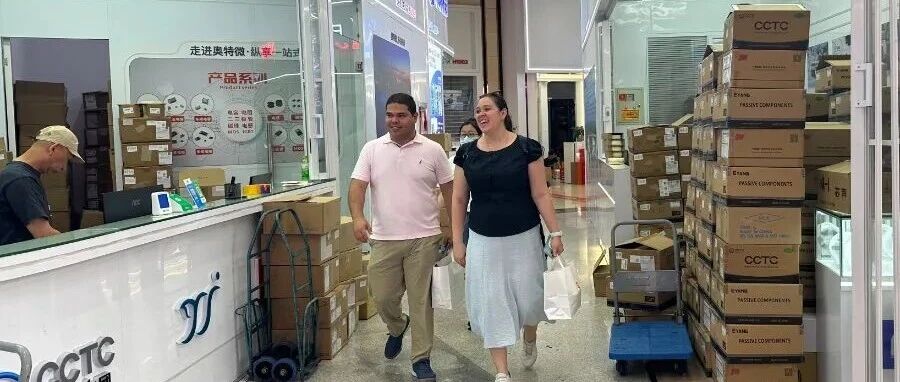
Core Insights - The rise of "One Person Companies" (OPC) is reshaping the entrepreneurial landscape, emphasizing the efficiency of intelligent agents over traditional workforce size [1] - Shenzhen's government is actively promoting the OPC model through supportive policies and initiatives, aiming to create a vibrant AI-driven entrepreneurial ecosystem [1] Group 1: OPC Development in Shenzhen - The "One Person Company" model has gained traction in major cities like Shenzhen, Shanghai, and Beijing since 2026, with local governments implementing supportive policies [1] - Shenzhen's "Action Plan for Building an AI OPC Entrepreneurial Ecosystem" aims to foster new business models and industry clusters [1] Group 2: Nanshan District Initiatives - Nanshan District is set to achieve a GDP of 1.01 trillion yuan in 2025, driven by both established tech giants and emerging startups [2] - The "Moli Camp" in Nanshan is the largest AI vertical incubator in the Greater Bay Area, attracting over 700 companies and housing nearly 200 high-quality enterprises with a total valuation exceeding 20 billion yuan [2] - Nanshan's strategy includes a balanced focus on software and hardware, with over 1,300 AI enterprises contributing to 60% of Shenzhen's AI industry cluster value [2] Group 3: Hardware Focus in Bao'an District - Bao'an District is concentrating on hardware entrepreneurship within the OPC framework, aiming to create a comprehensive support system for hardware startups [5][6] - The district plans to leverage its extensive manufacturing base, which includes 58,000 manufacturing companies, to support OPC hardware ventures [5] - Bao'an's initiatives include the "Baoqi Financial Services" brand to facilitate funding and reduce barriers for hardware startups [6] Group 4: Futian District's "One Meter Counter" Upgrade - Futian District is modernizing the "One Meter Counter" concept to serve as a lightweight entrepreneurial platform for AI startups [7] - The district will introduce a list of application scenarios to guide entrepreneurs in focusing on key areas such as AI + hardware and cross-border e-commerce [7] - Futian's ecosystem includes over 115,000 business entities and a transaction volume exceeding 480 billion yuan annually [7] Group 5: Luohu District's Scene-Centric Approach - Luohu District is focusing on creating a "scene city" to leverage its vast application scenarios in finance, healthcare, and urban governance for OPC development [9] - The π Innovation Space and Plug and Play Innovation Center are key components of Luohu's strategy to support AI startups [9][10] - Luohu's first "Innovation Opportunity List" includes 41 projects across six core areas, expected to attract over 100 million yuan in investment [10]
中关村AI北纬社区启动“一人公司”加速营
Xin Lang Cai Jing· 2026-02-07 21:54
Core Insights - The article discusses the launch of the "Token Camp Artificial Intelligence OPC Acceleration Program" by the Zhongguancun AI Beiwai Community, aimed at building a global top-tier AI ecosystem focused on "one-person companies" [1][2] - The program targets early-stage AI innovation teams and university research commercialization teams, providing a comprehensive support platform over a one-month period with six offline courses [1] - The initiative emphasizes the importance of computing power as a foundational element for AI innovation and introduces the "OPC Computing Power Support Plan" to address the computing challenges faced by early teams [1] Group 1 - The "Token Camp" program aims to empower "one-person companies" by offering full-cycle support across four core dimensions: technology, industry, capital, and policy [1] - The program includes free access to general Token quotas, high-spec computing card usage rights, and comprehensive technical support services to help early teams validate and iterate at low costs [1] - A partnership agreement was signed between the Zhongguancun AI Beiwai Community and the China Academy of Information and Communications Technology to co-build a public service platform for AI [2] Group 2 - The Zhongguancun AI Beiwai Community plans to continuously offer a combination of "acceleration programs, computing power support, and ecological cooperation" to enhance the innovation environment [2] - The initiative aims to optimize the ecosystem for AI industry development and promote the prosperity of artificial intelligence [2]

陈经:AI+中国制造,催动“一人公司”兴起
Huan Qiu Wang Zi Xun· 2026-02-05 22:55
Core Insights - The development of artificial intelligence (AI) and large models is shifting towards the application layer, with significant breakthroughs expected starting in early 2026 [1] - The concept of "one-person companies" is gaining traction, enabled by AI technology, allowing individuals to create globally popular products within a short timeframe [1] - China's manufacturing capabilities are crucial in supporting these "one-person companies," providing the necessary infrastructure for scaling production [2] Group 1 - The emergence of "one-person companies" is becoming a significant economic phenomenon, previously considered a niche due to limited revenue potential [1] - AI technology is enhancing the ability of entrepreneurs to transform creative ideas into scalable products, particularly in the context of China's manufacturing ecosystem [2] - The integration of AI with China's manufacturing capabilities is creating unprecedented growth conditions for "one-person companies" [4] Group 2 - The agility and efficiency of China's manufacturing ecosystem allow for the flexible integration of multiple "one-person companies," facilitating small-batch production and high-quality remote services [2] - AI's advancements are revolutionizing service delivery, transitioning complex processes from collaborative efforts to online operations, thus upgrading economic models [3] - The collaboration between Chinese individual developers and American AI tools exemplifies a complementary relationship that enhances creative efficiency in the current era [4]
马斯克断言!深圳宣布!又一行业大洗牌,发出“极度稀缺”职业新信号!
Sou Hu Cai Jing· 2026-02-05 12:29
" 马斯克断言:未来五年,传统岗位面临重构,人才价值将重新定义。随着AI加速爆发, 以OpenAI创始人奥特曼为代表的硅谷科技CEO预测"一人公司"是未来趋势,更将其视为AI时代商业模式的必然进化。 近日,为深入实施"人工智能+"行动,大力培育产业发展新业态新模式,构建产业集聚、创新活跃的人工智能OPC (One Person Company,一人公司)创业生态,深圳市工业和信息化局印发《深圳市打造人工智能OPC创业生态引领 地行动计划(2026—2027年)》,其中提出,提供创业启动支持。! " 【重磅实战|仅30席】 AI短剧商业创作变现营: 你的作品,就是你的新资产 马斯克断言:未来五年,传统岗位面临重构,人才价值将重新定义。招人只看作品。当你的手机屏幕被层出不穷的AI 短剧刷屏时,一场静默的职业洗牌已然开始。 最近,从"战神归来"到"重生逆袭",一系列由AI驱动的短剧正以前所未有的速度收割流量、创造财富。行业数据显 示,AI短剧市场规模已突破百亿,且仍处于爆发式增长的前夜。 这意味着深圳"一人公司"时代来临,传统行业正面临大冼牌! 刚刚,行业数据显示,AI短剧市场规模已突破百亿,且仍处于爆发式增长的前 ...
“一人公司”集聚,武汉何以抢占新风口
Chang Jiang Ri Bao· 2026-02-04 01:03
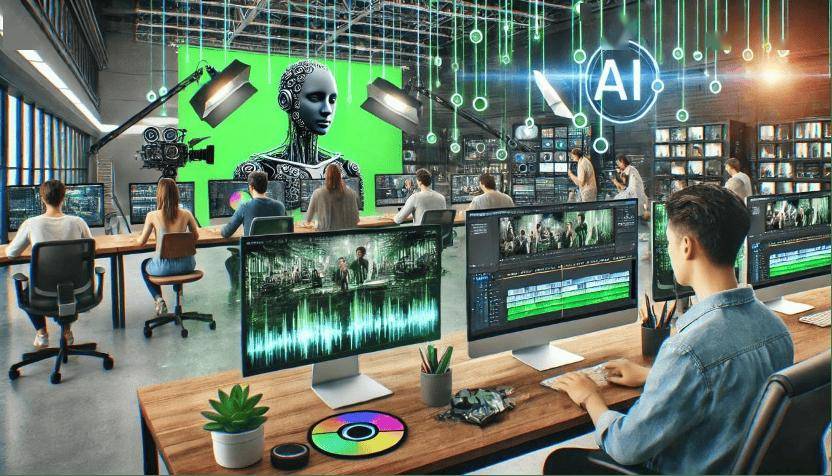
Core Viewpoint - The establishment of the Wuhan Binjiang Qincheng Artificial Intelligence OPC Community aims to support "one-person companies" by providing resources such as capital, computing power, and policies, facilitating entrepreneurship in the AI era [1][4]. Group 1: Community Overview - The OPC Community in Wuhan offers a modern workspace with open desks, creating a warm and inviting atmosphere for entrepreneurs [2]. - The first phase of the community has nearly full occupancy with 124 workstations, and a second phase of 250 workstations is set to open in August [2][4]. - The community aims to address common challenges faced by "one-person companies," such as high computing costs and limited industry resources [3][4]. Group 2: Support and Resources - A collaboration agreement was signed among Wuhan Alibaba Center, Shouyi Science and Technology Investment Group, and universities to provide more policy support for "one-person companies" [4]. - The community will offer personalized services including technical consulting, growth planning, and access to Alibaba's AI and cloud computing resources [4][8]. - The community plans to host various activities such as technology salons and project roadshows to foster collaboration among entrepreneurs [4][6]. Group 3: Entrepreneurial Landscape - The community is particularly focused on AI, with 35% of the first batch of companies concentrating on this field, and entrepreneurs range from the '80s to the '00s [5]. - Wuhan is positioning itself as a hub for AI innovation, supported by government initiatives and a rich educational environment [5][6]. - The community aims to cultivate 100 super entrepreneurs in the AI sector by the end of 2028 [6]. Group 4: Individual Success Stories - Entrepreneurs like Qin Yongliang and Yuan Chao are leveraging AI to enhance productivity, with Qin developing an English learning software and Yuan creating animated content [11][14]. - The use of AI allows these entrepreneurs to perform tasks that traditionally required larger teams, significantly reducing development time and costs [11][17]. - The community fosters an environment for cross-industry collaboration, enabling entrepreneurs to share insights and refine their business strategies [18].

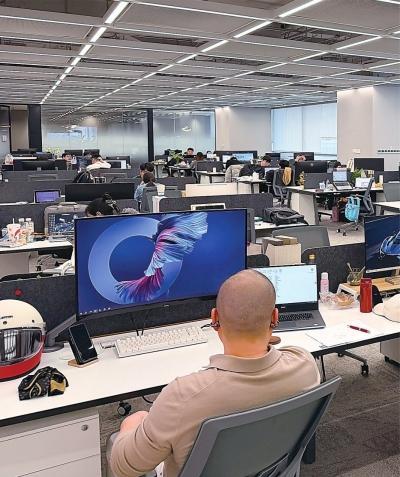
“一人公司”成新爆点 杭州何以抢占风口?
Mei Ri Shang Bao· 2026-02-02 23:40
Core Insights - The rise of the One Person Company (OPC) model is transforming entrepreneurship, allowing individuals to leverage AI tools to independently manage the entire product lifecycle from design to operation [1][2] - Entrepreneurs like Wang Tao and Li Guanghui exemplify this trend, rapidly developing multiple applications and services with minimal resources, highlighting the potential for "one-person unicorns" in the AI era [1][2] - The OPC model is gaining traction in Hangzhou, which aims to become a leading hub for AI innovation, potentially serving as a key growth driver for the local economy [1] Group A - Wang Tao developed over 150 apps in four months using AI, covering various sectors such as education and healthcare, with over 90% of these apps attracting global paying users [2] - His flagship product, "Kangxinban," is a comprehensive health management system that utilizes AI for data analysis and personalized health recommendations, achieving significant profitability overseas [2] - Other developers in the OPC model, like Hu Zhengtai and Li Yunfan, have also created successful applications with minimal resources, showcasing the model's efficiency [3] Group B - The OPC model offers significant freedom to entrepreneurs, as exemplified by Li Guanghui, who operates his travel service platform with a low monthly cost of 400 yuan, allowing for quick decision-making and market responsiveness [4][5] - This newfound freedom includes flexibility in work hours and location, enabling entrepreneurs to balance work and life while maintaining control over their creative processes [5] - The autonomy provided by the OPC model is seen as a catalyst for individual creativity and rapid iteration, essential for thriving in today's fast-paced market [5] Group C - Despite being termed "one-person," the OPC model fosters a collaborative ecosystem through various co-creation spaces and industry communities in Hangzhou [6][7] - Events like AI hackathons and community gatherings facilitate networking and collaboration among developers, helping to overcome the limitations of individual capabilities [7][8] - This collaborative approach enhances innovation and connects entrepreneurs with broader market opportunities, reinforcing the viability of the OPC model [8]
《经济参考报》头版报道丨唐山焕彩记:解码重工业城市转型方程式
Xin Lang Cai Jing· 2026-02-02 11:51
Core Viewpoint - Tangshan is transforming from a heavy industrial city into a high-quality development hub by integrating various industries and leveraging its unique resources, resulting in a vibrant economic landscape characterized by innovation, sustainability, and cultural richness [1][15]. Group 1: Industrial Transformation - The transformation of Tangshan is rooted in its industrial foundation and unique characteristics, leading to the development of a new quality production force represented by the "Five Colors" [2]. - The robotics industry has become a new hallmark for Tangshan, with over 200 innovative entities benefiting from the first customized shared factory for non-standard robotic products, significantly enhancing the regional robotics sector [3]. - The steel production process has been revolutionized through AI integration, reducing raw material inventory turnover from 10 days to 5 days and improving on-time delivery rates to 100% [5]. Group 2: Marine Economy - Tangshan's port has become a key hub for national strategies, with a projected cargo throughput of over 880 million tons by 2025, solidifying its position as the second-largest coastal port globally [6]. - The city is actively promoting marine industries, including marine equipment and logistics, to enhance its economic landscape and foster a "marine+" development strategy [6]. Group 3: Ecological Sustainability - Tangshan is focusing on low-carbon transformation, with 195 provincial-level green factories and 80 national-level green factories established, aiming for a comprehensive green manufacturing system [7]. - The city has initiated 100 key green low-carbon projects, contributing to its evolution from a heavy industrial city to a livable ecological city [7]. Group 4: Agricultural Development - In 2025, Tangshan's grain production is expected to reach 6.037 billion pounds, showcasing the success of modern agricultural practices and brand development [9]. - The city is enhancing agricultural value through deep processing and brand operations, transforming local products into recognized national brands [9]. Group 5: Cultural and Tourism Development - Tangshan's cultural heritage and tourism sector are thriving, with a projected increase in tourist visits to over 8 million by 2025, reflecting a 19.6% year-on-year growth [10]. - The integration of technology in cultural tourism is creating immersive experiences, transitioning the industry from a sightseeing model to an experiential one [13][28]. Group 6: Integrated Development - The synergy between the "Five Colors" is fostering deep integration across various sectors, enhancing the overall economic vitality and driving high-quality development [11]. - The collaboration between marine and technological sectors is generating new growth momentum, exemplified by the automation and smart technologies implemented at the port [12][27]. - The combination of ecological and agricultural initiatives is promoting sustainable rural development, creating a positive cycle of ecological beauty and economic prosperity [14][28]. Group 7: Future Outlook - Tangshan aims to continue its high-quality development trajectory by optimizing its economic structure and enhancing new quality production capabilities over the next five years [16]. - The city is committed to improving public welfare and ecological sustainability, striving to achieve a balanced and prosperous future [16][17].