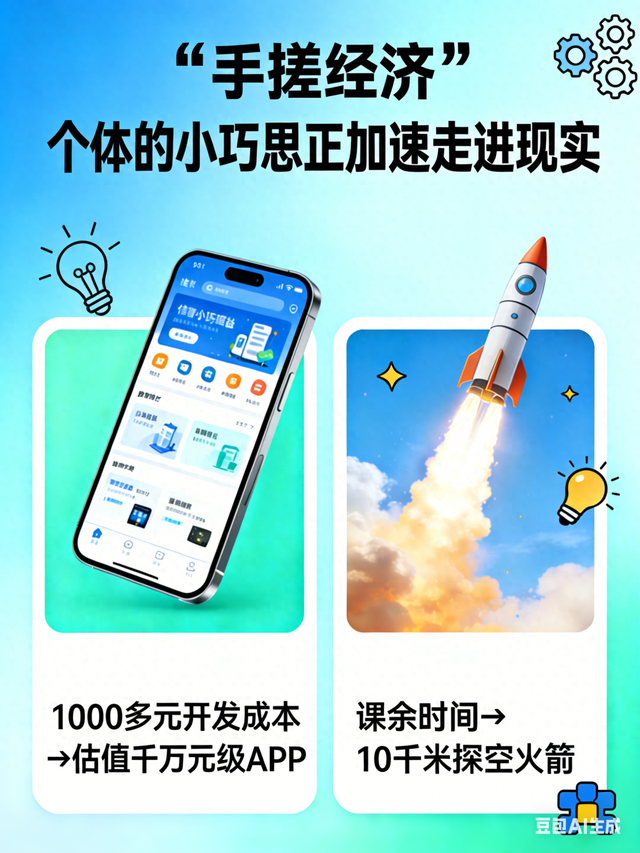
手搓经济

Search documents
“手搓经济”,让创意自由落地
Ren Min Ri Bao· 2026-02-27 05:57
Core Insights - The rise of "handmade economy" reflects a shift in market innovation dynamics, where individual developers are creating successful applications that cater to niche demands, contrasting with the previous dominance of large corporations [1][2] - The essence of "handmade" success lies in the significant reduction of entrepreneurial barriers due to technological advancements, particularly the widespread adoption of generative AI, which simplifies the development process [1][2] Group 1 - The emergence of "handmade applications" is characterized by their ability to address specific user needs, such as apps designed for solitary individuals or lightweight tools that solve everyday problems, effectively monetizing empathy [1] - Generative AI has transformed application development from a costly endeavor requiring professional teams to a feasible task for individuals, allowing them to focus on solving real problems rather than the technicalities of creation [1] - The core competitive advantage of "handmade applications" is rooted in human insights, aesthetics, and life perception, which become crucial as AI takes over technical labor [1] Group 2 - Despite the rapid growth of the "handmade economy," challenges persist, including the emergence of low-cost, copycat "zombie applications" and the lack of clear regulations regarding intellectual property rights for AI-assisted creations [2] - A supportive ecosystem is essential for the sustainable growth of the "handmade economy," which may include flexible tax policies, efficient intellectual property registration mechanisms, and low-cost dispute resolution channels [2] - The transition from an industrial era focused on scale to a digital era prioritizing creativity highlights the need for respect, protection, and support for micro-innovation to ensure lasting market benefits [2]
专家学者聚焦广州高质量发展促科创力量蓬勃成长
Zhong Guo Xin Wen Wang· 2026-02-25 14:35
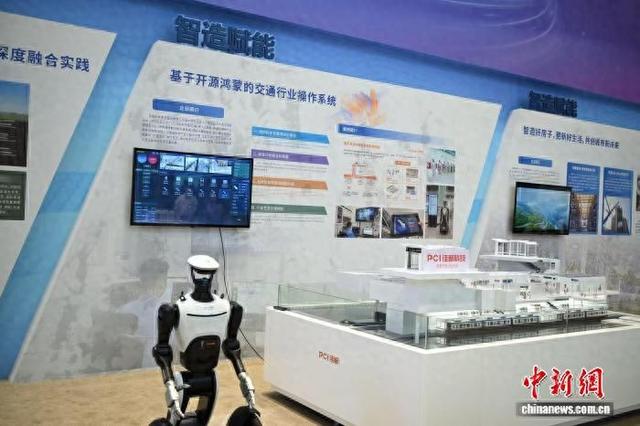
Group 1 - The 2026 Guangzhou High-Quality Development Conference focuses on the theme of "promoting deep integration and collaborative development of manufacturing and service industries" [1] - Experts emphasize that Guangzhou is at a critical juncture for growth, with continuous optimization of the business environment and increased investment in technological innovation and global talent [3][4] - The integration of manufacturing and services is seen as a profound "chemical reaction," enhancing the capabilities of both sectors to achieve synergistic effects [4] Group 2 - The π-HuB project, a major scientific initiative, has received strong support from the Guangzhou government, highlighting the city's commitment to fostering scientific research and innovation [4] - The conference showcased successful case studies of collaborative development between manufacturing and services, with local tech company Jiadu Technology presenting its innovative solutions [4][5] - The concept of "handmade economy," which involves small teams leveraging creativity and AI technology, is identified as a significant driver for economic resilience and growth [5]

年轻人开始“手搓”万物:万亿情绪经济市场下的缩影
Sou Hu Cai Jing· 2026-02-25 07:47
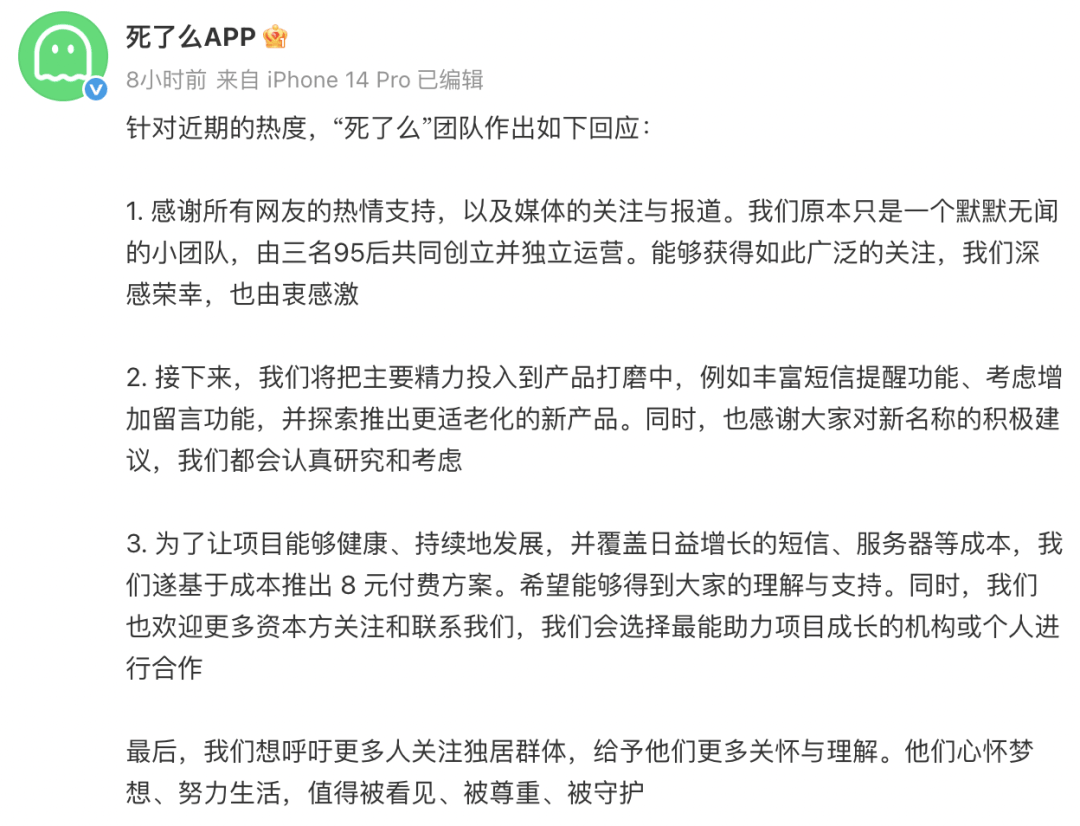
Core Insights - The article discusses the rise of the "handmade economy" in China, driven by a cultural shift among young people towards creating their own products rather than purchasing ready-made items [1][8] - The emergence of apps like "Are You Alive?" highlights the intersection of technology and emotional needs, showcasing how simple solutions can resonate with urban youth [1][3] - The handmade economy is benefiting companies like Jialichuang, which reported nearly 8 billion yuan in revenue and a net profit of 999.8 million yuan in 2024, reflecting significant year-on-year growth [5][8] Group 1: Market Trends - The "handmade economy" is characterized by a growing preference for unique, non-standard products that carry personal stories and emotional significance, as evidenced by the increasing market size of the emotional economy, projected to reach 23,077.67 billion yuan in 2024 [8][9] - The rise of generative AI and modular resources has lowered the barriers to entry for product creation, allowing individuals to quickly turn concepts into reality, thus fostering a new wave of "one-person enterprises" [10][12] Group 2: Industry Impact - Jialichuang, a small-batch electronic component customization platform, is a direct beneficiary of the handmade economy, indicating a shift in the supply chain dynamics [5][7] - The handmade economy reflects a broader trend of individual creativity and emotional expression gaining commercial value, as evidenced by the success of unique products and apps that address specific emotional needs [8][9] Group 3: Challenges and Risks - The article highlights potential risks within the handmade economy, such as the evolving dynamics of platforms like Etsy, which have shifted from creator-friendly environments to more commercialized spaces with high fees and stringent rules [13][19] - The centralization of power within digital platforms raises concerns about the true democratization of creativity, as creators may find their autonomy compromised by platform algorithms and monetization strategies [19][20]
手搓经济突然走红,早就自动化了为啥手搓能火?
Sou Hu Cai Jing· 2026-02-25 02:41
Group 1 - The term "hand-rolled economy" has gained popularity, particularly in the context of individual creativity and innovation, with Shenzhen emerging as a core hub for this economic model [3][5] - The "hand-rolled" approach is not merely manual labor but a set of engineering methods based on experiential judgment and rapid practice, allowing for quick validation of product feasibility and cost control [3][5] - The rise of AI tools has democratized the product development process, enabling non-professionals to transform their ideas into visual product models, thus lowering the barriers to innovation [7][9] Group 2 - Consumers are increasingly seeking unique products that reflect their individuality and emotional value, which the hand-rolled economy effectively addresses by offering personalized and distinctive items [8][10] - Social media platforms have become crucial for the hand-rolled economy, allowing creators to showcase their work and connect emotionally with potential customers, thus transforming the product into part of the content consumption experience [9][10] - The hand-rolled economy is seen as a sustainable business model that complements traditional industrial production rather than replacing it, serving as a vibrant source of innovation and responsiveness to niche market demands [11]

手搓经济突然走红,早就自动化了为啥手搓能行?
Sou Hu Cai Jing· 2026-02-25 00:31
Group 1 - The term "hand-rolled economy" has gained popularity, particularly in the context of individual creativity and innovation, with Shenzhen emerging as a core hub for this economic model [3] - The "hand-rolled" approach is not merely manual labor but a method based on experiential judgment and rapid practice, allowing for quick validation of product feasibility and cost control [3] - The "hand-rolled economy" has historical roots in Shenzhen's consumer electronics industry, where engineers and craftsmen have developed a stable foundation for innovation since the 1980s [3] Group 2 - The rise of the "hand-rolled economy" in a highly automated industrial context is attributed to a shift from manufacturing to creativity, where uniqueness and non-standard products are increasingly valued [5] - AI tools have lowered the barriers for non-professionals to turn their ideas into visual product models, enabling broader participation in product innovation [7] - Cloud computing, modular components, and mature supply chains have reduced production costs and development cycles, facilitating rapid iteration and market responsiveness for hand-rolled entrepreneurs [7] Group 3 - Consumers are increasingly seeking personalized products that reflect their individuality, which the "hand-rolled economy" effectively addresses by offering unique designs and handcrafted items [8] - The emergence of social media platforms has provided a new avenue for hand-rolled creators to connect with consumers, transforming the product into part of a content consumption experience [9] - The "hand-rolled economy" is evolving into a sustainable business model, compressing the entire process from creation to sales into a micro-industry framework [9] Group 4 - The "hand-rolled economy" is not a fleeting subculture but a vibrant source of innovation that will coexist with large-scale industrial production, responding to nuanced market demands [11] - Large enterprises may find it beneficial to invest in or collaborate with external "super individuals" rather than relying solely on internal R&D, fostering a dynamic exchange of fresh ideas [11] - Future business competition may shift towards organizations that can agilely leverage the "hand-rolled" capabilities for rapid innovation, rather than traditional size-based competition [11]

何以呵护“手搓”热
Xin Lang Cai Jing· 2026-02-24 22:23
Core Insights - The term "handmade" has gained popularity online, with the topic "handmade everything" surpassing 5 billion views on short video platforms, indicating a rising consumer trend towards handmade products that meet specific needs [1] - The "handmade" concept, originally from gaming, now signifies creative production without reliance on professional equipment, allowing individuals to innovate using simple tools, thus lowering the barriers for creative entrepreneurship [1] - The emergence of the "handmade economy" is driven by technological advancements and improved supply chains, with many disruptive technologies having originated from grassroots "handmade" efforts [1] Industry Developments - In the Shanghai Free Trade Zone, the Lingang Group launched the "Super Individual 288 Action" plan, creating a free office and accommodation area for young entrepreneurs, attracting over 150 "one-person companies" or small teams within five months [2] - The Qingdao single-person AI entrepreneur platform was launched in January, promoting a new entrepreneurial model that integrates computing power, data, and technology to build an innovative ecosystem [2] Challenges and Considerations - The "handmade economy" faces challenges such as the lack of rigorous testing processes for lightweight applications, leading to issues like incomplete functionalities and data security concerns [2] - There are ongoing discussions about defining intellectual property rights in the context of AI assistance and protecting individual creators from larger corporate entities, highlighting the need for regulatory frameworks [2] - The potential for innovation is significant, and with more precise policies, flexible mechanisms, and efficient services, the momentum for creative output can be sustained [2]
2026春节新物种:这届年轻人开始用AI“手搓”世界
Ge Long Hui· 2026-02-13 05:17
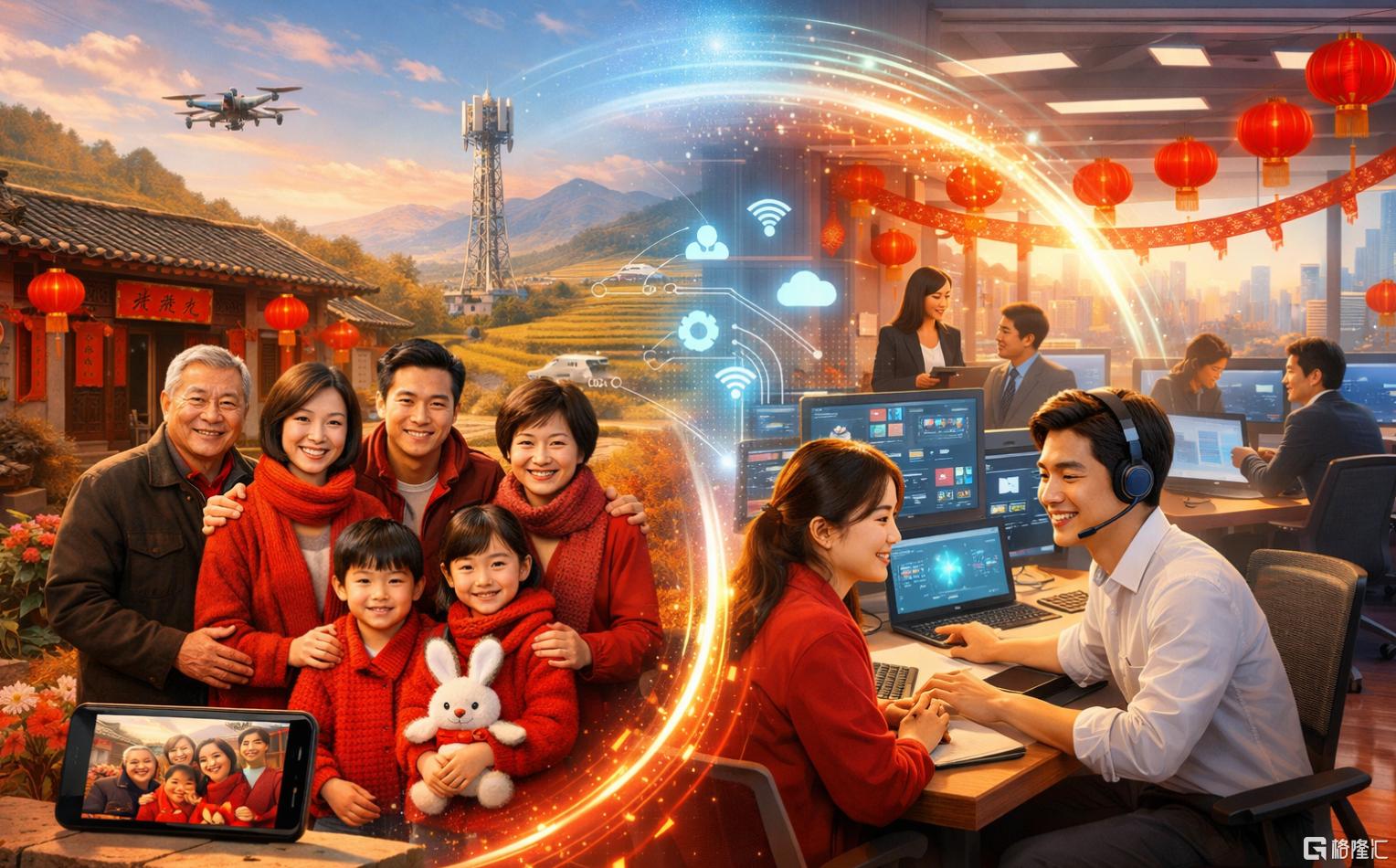
Core Insights - The article highlights the transformative impact of AI on traditional Chinese New Year celebrations, emphasizing a shift from passive observation to active participation through creative interactions [2][4]. Group 1: AI and Family Engagement - Young people are increasingly using AI technologies to enhance family interactions during the Spring Festival, such as creating "DIY family portraits" and "AI costumes," which have become central to family activities [2]. - In Sanjia Village, a young village leader utilized AI to create family portraits for villagers, allowing family members who could not return home to be digitally present in the photos [4]. Group 2: AI Applications in Tourism - An AI application named "Play with Volcano" was launched in the Shishan Town of Hainan, aimed at enhancing the tourist experience by providing interactive guides and cultural insights [5][11]. - The application integrates various features, including travel tips, cultural education, and e-commerce, transforming short visits into immersive cultural experiences for over 150,000 tourists annually [11][14]. Group 3: The "Handmade Economy" - The emergence of the "handmade economy" is characterized by individuals using low-code/no-code platforms like "Miaoda" to create applications that address niche needs, bypassing traditional software development barriers [15][17]. - As of December 2025, over 500,000 applications have been generated on the Miaoda platform, with 81% of users being non-programmers, showcasing the platform's accessibility and the rapid development cycle from idea to product [17]. Group 4: One Person Company (OPC) Concept - The concept of "One Person Company" (OPC) is gaining traction, allowing individuals to operate businesses independently using AI tools, thus reducing the need for large teams and high operational costs [19][21]. - Recent policies in cities like Shenzhen and Shanghai are supporting the OPC model, indicating a shift towards recognizing individual entrepreneurs as a significant part of the economy [22]. Group 5: Technology and Human Connection - The article emphasizes that while technology cannot fill all emotional gaps, it can enhance human connections and empower individuals to realize their ideas, as seen in the case of the village leader and the AI applications developed for the Spring Festival [23].
一个人就是一支队伍:AI催生“手搓经济”
Zhong Guo Xin Wen Wang· 2026-02-13 03:08
Core Insights - The article highlights the transformative impact of AI technology on rural communities, exemplified by a village leader using AI to create family photos for residents, enhancing emotional connections during the festive season [1][4] - The rise of "handmade economy" is discussed, where individuals leverage AI tools to create applications and solutions without needing extensive technical skills, thus democratizing innovation and entrepreneurship [2][6] Group 1: AI Technology and Community Impact - AI technology has enabled village leaders to address community needs effectively, as seen with the creation of family photos that include absent family members, fostering a sense of togetherness [1][4] - The "秒哒" platform allows users to generate various festive applications, making it easier for individuals to express creativity and fulfill community demands without professional programming skills [2][4] Group 2: Rise of Handmade Economy - The concept of "handmade economy" emerges, where individuals can independently create and launch applications, transforming personal hobbies into entrepreneurial ventures [6][9] - The "one-person company" (OPC) model is gaining traction, with individuals using AI tools to develop products and services, supported by new incubators and government initiatives [9][10] Group 3: Application Development and Market Trends - The "秒哒" platform has generated over 500,000 commercial applications, with a daily increase of 150%, indicating a robust demand for no-code development solutions [10][11] - The applications created on the platform span various categories, including e-commerce tools and business software, collectively generating over 5 billion yuan in economic value [11]

求是网评论员:“手搓经济”为何爆火?
Xin Lang Cai Jing· 2026-02-11 13:36
Core Insights - The rise of the "handmade economy" is characterized by individuals or small teams creating products without relying on large-scale production lines or significant capital investment, utilizing modern technologies like AI and open-source tools to transform personal creativity into tangible products [1][2][3] Group 1: Technological Empowerment - The emergence of generative AI has significantly lowered the barriers to entry in software and hardware development, allowing individuals without programming skills to create lightweight applications quickly [2] - 3D printing and modular platforms have reduced prototyping costs to a few hundred yuan, enabling more people to bring their ideas to life [2] - The democratization of digital technology has made innovation accessible to a broader audience, removing critical technical obstacles for the "handmade economy" [2] Group 2: Market Demand - The shift in consumer preferences, particularly among Generation Z, has moved from standardized mass consumption to a focus on personalized and niche products [2] - The "handmade economy" effectively captures long-tail demands that are often overlooked by traditional large manufacturers, allowing for rapid market acceptance and popularity of "handmade" products [2] Group 3: Policy and Ecosystem Support - Recent government initiatives in China have aimed to stimulate innovation and entrepreneurship, creating a supportive environment for small and micro-entrepreneurs [3] - Local measures, such as innovation communities and AI entrepreneurship platforms, provide comprehensive support for individual innovators from idea incubation to market transformation [3] - The improvement of flexible supply chains and social media platforms facilitates small-batch production and offers convenient channels for showcasing and monetizing "handmade" products [3]

为“手搓经济”搭把手
Xin Lang Cai Jing· 2026-02-11 01:13
Core Viewpoint - The "handmade economy" is a new economic phenomenon where individuals or small teams leverage AI and other tools to quickly transform ideas into products or services, achieving market returns without relying on traditional production lines or large teams [3][4]. Group 1: Definition and Characteristics - The "handmade economy" allows for rapid product development with minimal costs, exemplified by an app developed for over 1,000 yuan that achieved a valuation of tens of millions [1]. - This economy is characterized by the use of digital tools, such as AI, which lower the technical barriers for innovation and entrepreneurship, enabling ordinary individuals to create software and products [4]. Group 2: Impact and Significance - The handmade economy fosters innovation among the public, leading to unique and appealing products that can outperform standardized offerings from large companies [5]. - Historical examples, such as the Wright brothers and Marconi, illustrate that many groundbreaking innovations began as small, individual projects, highlighting the potential of the handmade economy to drive significant industry changes [4]. Group 3: Challenges and Future Outlook - The rise of the handmade economy presents challenges for traditional regulatory frameworks, including product quality assurance and intellectual property protection [5]. - Future growth in this sector will depend on creating a supportive environment for innovation, including flexible regulations, comprehensive intellectual property services, and a culture that encourages experimentation and creativity [6].