三国文化

Search documents
小城的标志(我与一座城)
Ren Min Ri Bao· 2025-12-09 22:32
Core Viewpoint - The article reflects on the cultural and natural symbols of the city of Nanchong, emphasizing that its true essence lies in its rich cultural heritage rather than seasonal changes [1][4]. Group 1: Natural Symbols - The Ginkgo trees and the absence of snow are noted as common seasonal markers, but they do not uniquely define winter in Nanchong [1]. - The Jialing River is highlighted as a significant natural feature that embodies the city's character, described as gentle and graceful [1][2]. Group 2: Cultural Symbols - Jialing Square is depicted as a vibrant social hub, fostering community life through activities like Tai Chi and dance, which enrich the daily lives of residents [2]. - The "Golden Riverside" park is mentioned as a rapidly developing area that combines traditional and modern aesthetics, becoming a favorite among citizens [2]. - The cultural legacy of the Three Kingdoms, particularly through the figure of Chen Shou, is presented as a foundational element of the city's identity, linking its past to its present [3][4]. - Silk culture is described as a significant aspect of Nanchong's history, representing resilience and elegance, with its influence still present in daily life [4]. Group 3: Overall Cultural Essence - The article concludes that the true markers of winter in Nanchong are not physical but rather the enduring warmth of its cultural heritage, symbolized by the ancient cypress tree and the flowing river [4][5].
【美丽四川】火火的锦里‖管恒庆
Sou Hu Cai Jing· 2025-12-01 03:54
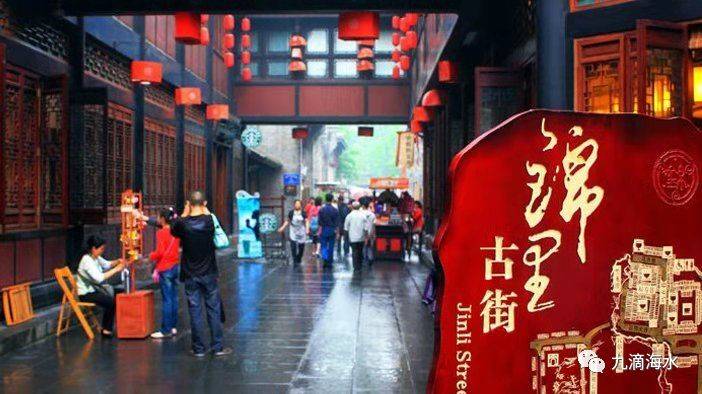
Core Viewpoint - Jinli, a historic street in Chengdu, is a significant cultural and commercial hub, attracting tourists with its rich heritage and local delicacies, embodying the essence of Sichuan culture and lifestyle [2][4][8]. Group 1: Historical Significance - Jinli dates back to the Qin and Han dynasties, originally known for its production of Shu brocade, which contributed to its name [5]. - The street is closely associated with Zhuge Liang, who established officials to manage the brocade industry, leading to the name "Jin Guan Cheng" for the area [5]. Group 2: Cultural Experience - The street features traditional Sichuan architecture and offers a variety of local cultural experiences, including folk performances and traditional crafts such as sugar painting and clay figurines [7][8]. - Visitors can enjoy authentic Sichuan cuisine, with local specialties like Zhang Fei beef and pig intestine noodles, emphasizing the focus on taste and local ingredients [8]. Group 3: Tourism Appeal - Jinli is recognized as a must-visit destination for tourists in Chengdu, often described as a vibrant and lively place where visitors can immerse themselves in local customs and flavors [2][9]. - The best time to visit is in the evening when the street is illuminated by lanterns, creating a festive atmosphere that attracts large crowds [9][12].

六朝古都荆州:楚都四百年,三国古战场
Jing Ji Guan Cha Bao· 2025-11-17 06:56
Historical Significance of Jingzhou - Jingzhou served as a crucial geographical crossroads in ancient China, connecting the north and south, as well as the east and west, which facilitated trade and cultural exchange [1][25] - The city was the center of the Chu state for over 400 years, with its capital at Jingnan, highlighting its political importance during the Warring States period [4][12] Cultural Heritage - Jingzhou is renowned for its rich cultural history, producing 138 chancellors, earning it the title "City of Chancellors" [1] - The region has a deep literary tradition, with famous poets such as Qu Yuan, Li Bai, and Du Fu having connections to Jingzhou [1] Archaeological Findings - Significant archaeological discoveries from the Neolithic period, such as jade artifacts and bronze vessels, reflect the advanced craftsmanship and cultural practices of the Chu people [2][6][7] - The region's artifacts, including unique bronze and jade items, illustrate the spiritual beliefs and social structures of ancient Chu society [6][9][10] Economic Development - The favorable natural environment of Jingzhou supported agricultural development, contributing to the prosperity of its inhabitants [1] - The city became a vital transportation hub during the Han dynasty, facilitating trade and military movements across the region [12][25] Military Importance - During the Three Kingdoms period, Jingzhou was a strategic military stronghold, with various factions vying for control, underscoring its significance in historical conflicts [15][16] - The city was pivotal in the strategies of prominent military leaders, including Zhuge Liang and Sun Quan, who recognized its value for controlling southern China [15][16] Architectural Heritage - The remnants of ancient structures, such as the Jingnan city walls, reflect the architectural prowess of the time and the city's historical significance [27][28] - The construction of the city walls during the Ming dynasty involved meticulous quality control, showcasing the administrative capabilities of the era [27]
假如没有胖东来,许昌会成为网红吗?
Hu Xiu· 2025-10-17 13:47
Core Insights - The article highlights the transformation of Xuchang into a popular city largely due to the success of the local supermarket chain, Pang Donglai, which has become a significant attraction despite adverse weather conditions [1][5][6] - Xuchang's historical significance and cultural heritage, particularly its connection to the Three Kingdoms period, have contributed to its renewed visibility and appeal [2][3][4] Group 1: Historical Context - Xuchang's prominence dates back to the Eastern Han Dynasty when it became a political and cultural center under Cao Cao's influence [2] - The city was renamed from Xuxian to Xuchang during the Wei Dynasty, solidifying its historical importance [2] - Xuchang is home to over 80 historical sites related to the Three Kingdoms, showcasing its rich cultural legacy [3] Group 2: Economic Development - The city gained recognition in the 20th century as a global hub for wig production, earning the title "World Wig Capital" [4] - In 2023, Pang Donglai's rise has significantly boosted Xuchang's economy, attracting millions of visitors and generating substantial tourism revenue [6][5] Group 3: Social Impact - The influx of visitors has changed perceptions of Xuchang, with many associating it primarily with Pang Donglai rather than its historical roots [7][10] - Local businesses and services are increasingly adopting Pang Donglai's customer service model, reflecting a broader shift in the city's economic landscape [8][9] Group 4: Urban Experience - Despite the popularity of Pang Donglai, some visitors seek a more immersive experience of Xuchang's local culture and lifestyle, appreciating its affordability and community atmosphere [12][14] - The city faces challenges such as traffic congestion and infrastructure issues, which have been exacerbated by the surge in visitors [13][14]
广元剑门关丨四川安逸如画
Sou Hu Cai Jing· 2025-09-15 10:25
Core Viewpoint - The article highlights the historical and cultural significance of Jianmen Pass in Sichuan, emphasizing its role as a vital transportation route and a site of military and cultural exchange throughout Chinese history [4][6][8]. Historical Significance - Jianmen Pass has a history spanning over 3,000 years, originating in the Western Zhou period, and is recognized as one of the earliest and most well-preserved ancient postal routes in China [6]. - The pass has been a strategic military location, often contested throughout history, serving as a critical point for military operations during various dynasties, including the Three Kingdoms period [16][18]. Economic and Cultural Exchange - Historically, Jianmen Pass facilitated economic communication and cultural exchange between the Central Plains and the Sichuan region, acting as a conduit for goods such as tea and silk [10][12]. - The pass not only enabled the exchange of commodities but also allowed for the transfer of ideas, technologies, and cultural practices, enriching the cultural landscape of both regions [12][14]. Military Importance - Jianmen Pass has been described as a crucial military stronghold, with its geographical position making it a key defensive point against invasions [16]. - The pass has witnessed numerous military confrontations, with notable events during the Three Kingdoms period where it played a significant role in military strategy [18]. Cultural Legacy - The pass has inspired countless literary works, with famous poets and scholars passing through and leaving behind a rich tapestry of poetry and prose that reflects its historical significance [19][22]. - Today, Jianmen Pass integrates various cultural elements, including Shu culture, Three Kingdoms culture, and revolutionary culture, and has been developed into a national 5A-level scenic area [24]. Tourism and Attractions - Visitors to Jianmen Pass can experience its natural beauty and historical significance through various activities, such as climbing trails and exploring cultural sites [26][28]. - The area features numerous attractions, including temples and scenic spots, making it a destination for both history enthusiasts and nature lovers [28].

一家三口到四川成都纯玩四天花费多少钱?怎么玩攻略+注意事项
Sou Hu Cai Jing· 2025-08-23 02:37
Core Viewpoint - Sichuan is highlighted as a premier travel destination in Southwest China, known for its stunning natural landscapes, rich cultural heritage, and renowned culinary offerings [1][3]. Group 1: Natural Attractions - Sichuan features breathtaking natural sites such as Jiuzhaigou, known for its colorful lakes, and Gongga Mountain, which is revered for its majestic snow-capped peaks [1]. - The vast grasslands of Ruoergai provide picturesque pastoral scenes, enhancing the region's appeal as a travel destination [1]. Group 2: Cultural Heritage - The Sanxingdui archaeological site showcases unique bronze artifacts, reflecting the ancient Shu civilization's grandeur [1]. - The Wuhou Shrine honors Zhuge Liang, a historical figure celebrated for his wisdom and loyalty, offering visitors a glimpse into the Three Kingdoms era [1]. Group 3: Culinary Scene - Sichuan cuisine is famous for its spicy and flavorful dishes, including hot pot, skewers, and various traditional dishes that captivate the taste buds [1][13]. - Signature dishes such as Mapo Tofu, Kung Pao Chicken, and Fish-Flavored Shredded Pork are highlighted for their distinctive flavors and appeal [13]. Group 4: Travel Experience - A recent four-day trip to Sichuan was organized efficiently by a local guide, showcasing the importance of knowledgeable guides in enhancing travel experiences [3][5]. - The trip included visits to various attractions, with a focus on both popular and lesser-known sites, emphasizing the value of personalized travel itineraries [3][5][6]. Group 5: Travel Tips - Travelers are advised to prepare in advance by researching attraction hours and ticket prices to ensure a smooth experience [11]. - It is important to respect local customs and dietary considerations, especially regarding the spicy nature of Sichuan cuisine [12][13].

当代vs古代,看看面对金价的跌落,我们的心态相差有多大
Sou Hu Cai Jing· 2025-08-16 09:20
Group 1 - The recent significant news is the continuous decline in gold prices, which has made the public increasingly sensitive to fluctuations in gold prices over the past three years [1] - Historical context shows that during the Three Kingdoms period, people sold gold and silver due to famine, indicating that even "hard currency" like gold loses value in dire situations [3][5] - The game "Three Kingdoms: Looking at the Divine Continent" offers a modern interpretation of the economic conditions of the Three Kingdoms era, allowing players to experience the historical significance of gold [5][9] Group 2 - The game is developed by "Danzhi Universe," a subsidiary of Kuaishou, featuring a unique ink wash painting style that aligns well with the historical theme of the Three Kingdoms [7] - The game incorporates detailed storytelling and gameplay that reflects the economic changes of the era, allowing players to engage with the historical context of gold as a vital resource [9][11] - "Three Kingdoms: Looking at the Divine Continent" is currently available for pre-registration on iOS, TapTap, and its official website, targeting players interested in historical strategy games [13]

金价回落,投资大佬慌了?看看昔日古代人反应,就知道这并非坏事
Sou Hu Cai Jing· 2025-08-15 15:21
Group 1 - Recent fluctuations in global gold prices have led to significant losses for investors, with a notable single-day drop of 2.8%, marking the largest decline in three months [1] - The volatility in the gold market has caused anxiety among investors, prompting a reflection on historical responses to gold price declines [3] - Historical references indicate that during the Three Kingdoms period, gold prices fell drastically, with accounts showing that food became more valuable than gold, leading people to sell gold for necessities [5][6] Group 2 - The gold that was sold during times of crisis became crucial for the power dynamics among the three kingdoms, illustrating that gold remains a hard currency even in downturns [6] - The game "Three Kingdoms: Looking at the Shenzhou" offers an immersive experience of the historical context, allowing players to engage with the economic systems of the Three Kingdoms era [8] - The game features a unique artistic style, utilizing traditional Chinese ink painting to authentically represent the historical period, enhancing the overall aesthetic experience [7] Group 3 - Players can choose to experience the narrative from the perspectives of key historical figures, providing a more personal engagement with the events of the Three Kingdoms [8] - The gameplay incorporates traditional strategy elements, including troop types and tactical systems, enriching the depth and variety of the gaming experience [9] - Classic battles from the Three Kingdoms are integrated into the gameplay, allowing players to experience significant historical conflicts firsthand [10] Group 4 - The game "Three Kingdoms: Looking at the Shenzhou" is noted for its high level of historical accuracy and cohesive integration of narrative and gameplay [11] - The game is currently open for public testing, with players able to reserve their participation and receive rewards upon launch [11]

四川玩4天景点推荐,成都四日游大概需要多少钱?
Sou Hu Cai Jing· 2025-08-13 03:14
Core Points - Chengdu is a popular travel destination known for its rich culinary culture and historical significance [1] - The average cost for a 4-day, 3-night trip to Chengdu is between 800 to 1000 yuan, which is considered affordable given the rising prices [3] Itinerary Summary - Day 1: Arrival in Chengdu, check-in, visit Jinli Ancient Street for local snacks, lunch at a nearby restaurant for authentic Sichuan cuisine, afternoon visit to Wuhou Shrine, and evening at Kuanzhai Alley for traditional architecture and local delicacies [5][6][7] - Day 2: Morning visit to Dujiangyan, a UNESCO World Heritage site, lunch at a local restaurant, and afternoon hike at Qingcheng Mountain, known for its Daoist culture [8][9] - Day 3: Morning visit to the Panda Base to see giant pandas, lunch nearby with local snacks, afternoon shopping and exploring at Chunxi Road and Taikoo Li, and dinner at a local restaurant [10][11][12] - Day 4: Morning visit to Du Fu's Thatched Cottage, lunch at a nearby restaurant, afternoon visit to Qingyang Palace, and preparation for departure [13][14] Travel Tips - Transportation in Chengdu is well-developed, with options like subways and buses, but traffic can be congested during peak times [15] - Weather can be variable, with significant temperature differences between day and night, so carrying an outer layer is advisable [15] - Chengdu's cuisine is predominantly spicy, and caution is advised for those with sensitive stomachs [16]

一家4口去四川成都纯玩5天4夜花费多少钱?分享省钱小技巧!
Sou Hu Cai Jing· 2025-07-27 04:23
Group 1: Natural Attractions - Sichuan is known for its breathtaking natural landscapes, including the "Heavenly Paradise" Jiuzhaigou and the majestic Four Girls Mountain, which features snow-capped peaks and stunning lakes [1] - The region's mountains and canyons, such as the Jin口大峡谷, offer dramatic views and a sense of adventure with their steep cliffs and rushing rivers [1] Group 2: Cultural Heritage - Sichuan has a rich historical and cultural background, highlighted by the ancient Shu civilization and unique artifacts from the Sanxingdui site, showcasing the creativity of ancient Shu people [3] - The Three Kingdoms culture is deeply rooted in Sichuan, with historical sites like Wuhou Shrine and Jianmen Pass reflecting its heroic past [3] Group 3: Culinary Delights - Sichuan is renowned for its diverse and flavorful cuisine, making it a food lover's paradise with various local specialties [3] - Popular dishes include hot pot, skewered food (串串香), and traditional snacks like Yibin Ran Noodles and Bingfen, which are well-loved by both locals and tourists [14]