川菜

Search documents
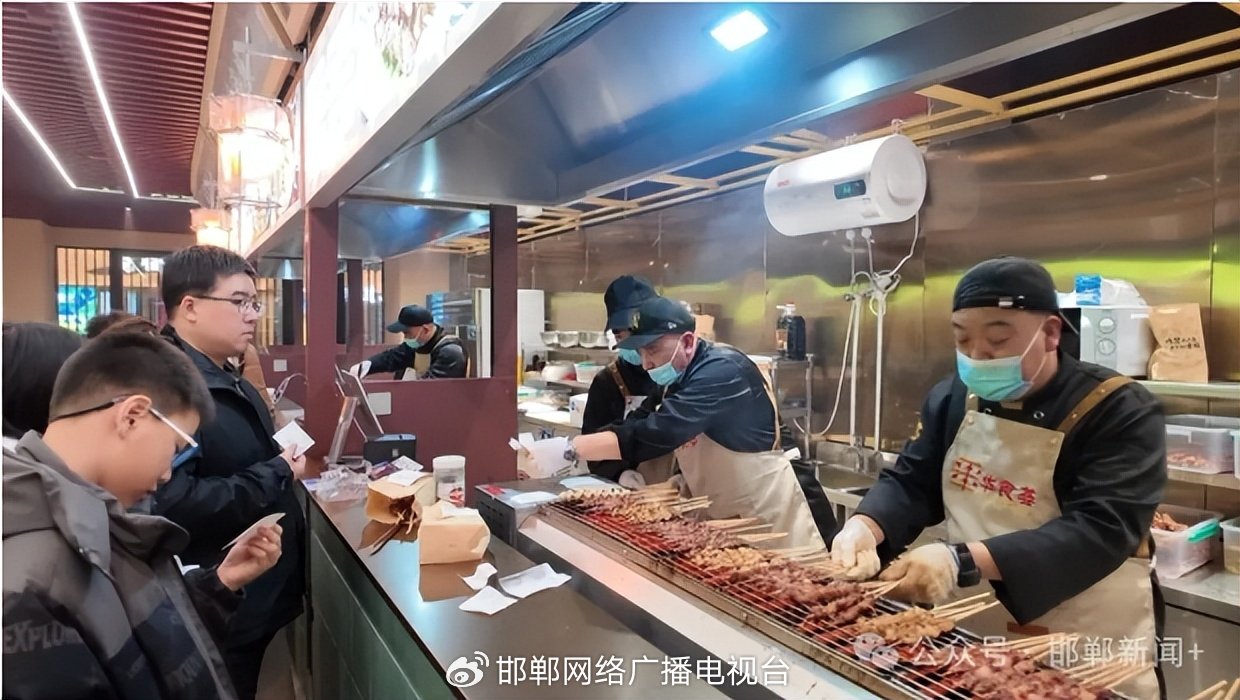
邯郸道中华美食场景荟热闹开市
Xin Lang Cai Jing· 2026-02-21 06:56
Core Viewpoint - The event at Handan Road's Chinese Food Scene Fair combines traditional culture and culinary experiences, attracting both locals and tourists to enjoy a diverse range of authentic Chinese cuisines during the Spring Festival [1][3]. Group 1: Event Overview - The Chinese Food Scene Fair at Handan Road features a variety of regional cuisines, including Northeast lamb skewers, Southern dumplings, and Hong Kong milk tea, with vendors preparing food on-site [3]. - The fair showcases eight major Chinese culinary styles, including Shandong, Sichuan, Cantonese, and Hunan cuisines, offering a one-stop experience for visitors to enjoy food and culture [3][5]. Group 2: Visitor Experience - Visitors express excitement about the fair, highlighting the festive atmosphere and the opportunity to taste dishes from across the country in one location [5]. - The event includes eight themed performance areas and interactive games, enhancing the overall experience by allowing guests to eat, explore, and engage in activities [5]. Group 3: Economic Impact - The Chinese Food Scene Fair aims to stimulate consumer activity and create a new cultural tourism brand for the city by integrating food, culture, and entertainment [7].

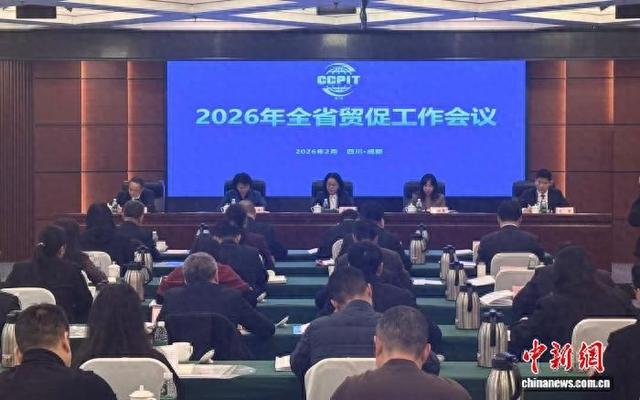
四川贸促今年将助力川企拓展多元化国际市场
Xin Lang Cai Jing· 2026-02-07 13:33
Core Insights - The Sichuan Provincial Council for the Promotion of International Trade (CCPIT) is focusing on enhancing the internationalization of local enterprises, emphasizing digital empowerment and high-quality development in trade promotion for 2026 [1][3]. Group 1: Trade Promotion Initiatives - The "Chuanxing Tianxia" trade promotion initiative aims to strengthen key industries and enhance supply chain integration [3]. - The 4th China International Supply Chain Expo will be held in June, focusing on advanced manufacturing, low-altitude economy, artificial intelligence, clean energy, and green agriculture [3]. - The CCPIT plans to organize international cooperation conferences on digital economy and emerging industries, releasing opportunities for industry chain collaboration [3]. Group 2: Market Expansion Strategies - The CCPIT will expand into diverse international markets, organizing participation in major exhibitions in Uzbekistan, Hungary, Australia, and Ghana across various sectors [3][4]. - Activities will include promoting Sichuan cuisine and liquor in international markets through events like the Hong Kong Wine and Spirits Fair [3][4]. Group 3: Legal and Compliance Support - A "Commercial Law Protection Action" will be initiated to address legal compliance challenges faced by enterprises going abroad [4]. - The CCPIT aims to establish a foreign-related commercial law service system and enhance legal service capabilities, including hosting the 2026 Global Business Law Conference [4]. Group 4: Digital Empowerment and Service Platforms - The CCPIT will create a comprehensive service platform for enterprises going abroad, including the "Tianfu Trade Pass" online platform and offline service centers [4]. - The focus will be on addressing pain points in foreign trade and investment, providing one-stop services for enterprises [4]. Group 5: Bilateral Cooperation and Networking - The CCPIT will host the 2026 Sichuan-South Asia and Southeast Asia Business Development Cooperation Conference and strengthen ties with various international markets [5].
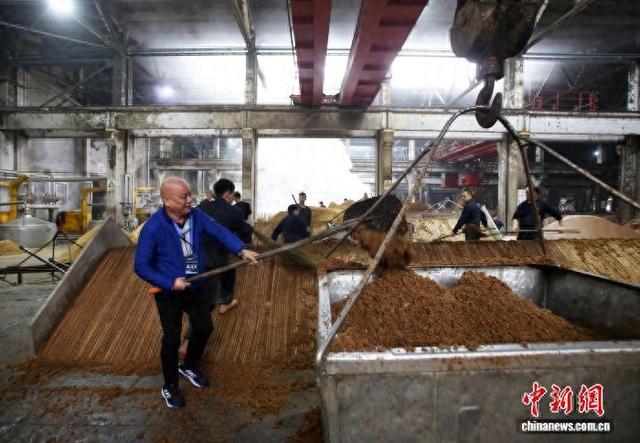
四川省政协委员为四川历史经典产业“老树发新芽”献智出力
Xin Lang Cai Jing· 2026-02-04 10:15
Group 1: Traditional Industries Development - The "14th Five-Year Plan" emphasizes the optimization and enhancement of traditional industries in China, with Sichuan planning to promote high-quality development in historical industries such as liquor and silk during this period [1] - Sichuan silk industry faces challenges including insufficient raw material supply, relying on external sources for silkworms and cocoons, and the need for labor-saving machinery to address these issues [1] - To enhance the silk industry, there is a call for stronger brand development, cultural exploration, and product innovation targeting younger consumers while also catering to older demographics through tailored marketing strategies [1] Group 2: Sichuan Liquor Industry - The Sichuan liquor industry, particularly the strong aroma type, is recognized as a competitive advantage, but it also requires targeted efforts to develop diverse aroma products and low-alcohol options appealing to younger consumers [1] - There is a recommendation to promote Sichuan liquor culture globally through various media formats and to integrate the liquor industry with well-known cultural and tourism resources in Sichuan [1] - Systemic challenges for the internationalization of Sichuan liquor include cultural recognition barriers, international trade barriers, and outdated marketing systems, with suggestions for government support in establishing overseas experience centers and developing international standards [2]
提升成渝地区双城经济圈发展能级
Jing Ji Ri Bao· 2026-01-15 21:26
Core Viewpoint - The Chengdu-Chongqing Economic Circle is emerging as a significant growth engine for high-quality development in China, with its economic output projected to increase from 6.4 trillion yuan in 2019 to 8.7 trillion yuan by 2024 [1] Group 1: Industrial Development - The Chengdu-Chongqing Economic Circle is focusing on building a modern industrial system that emphasizes collaboration, competition, and integration, enhancing its development capabilities and comprehensive strength [2] - The advanced manufacturing sector is being strengthened, with industrial added value expected to reach 2.42 trillion yuan in 2024, marking a 6.3% increase from the previous year [3] - The region is developing four trillion-yuan industrial clusters in electronics, equipment manufacturing, advanced materials, and specialty consumer goods, with the electronic information cluster projected to reach 1.72 trillion yuan by 2024, accounting for 10.6% of the national total [3] Group 2: Digital Economy - The digital economy is rapidly evolving, with significant advancements in digital infrastructure, including the establishment of 29 large and super-large data centers by August 2025, achieving a total computing power exceeding 20,000 P [4] - The integration of digital and physical economies is deepening, with industries such as big data, advanced computing, and blockchain experiencing accelerated growth [4] Group 3: Modern Service Industry - The modern service industry is showing significant improvement, with service sector added value projected to grow by 6.5% in 2024 [5] - The financial sector is expanding, with total deposits expected to reach 17.5 trillion yuan and loans 16.7 trillion yuan by 2024, reflecting annual growth rates of 9.6% and 12.6%, respectively [5] Group 4: Agricultural Development - The region is advancing modern, efficient, and characteristic agriculture, with total grain production expected to reach 38.116 million tons in 2024 [6] - Collaborative agricultural projects are being established, focusing on high-standard farmland and integrated agricultural parks [6] Group 5: Ecological Cooperation - The Chengdu-Chongqing Economic Circle is prioritizing ecological protection and pollution control, with a focus on collaborative governance to improve environmental quality [14][15] - The region has implemented a joint mechanism for environmental risk prevention and control, achieving a 100% compliance rate for water quality in 25 cross-border river monitoring points [15] Group 6: Consumer Market Development - The region is actively working to create an international consumption destination, with a focus on integrating consumption markets and enhancing infrastructure [19] - By 2024, the total retail sales of consumer goods in the Chengdu-Chongqing Economic Circle are expected to exceed 4 trillion yuan [21] - Efforts are being made to enrich consumer experiences through diverse consumption formats and innovative consumption scenarios [22]
第二届世界川菜大会新闻发布会在北京举行
Si Chuan Ri Bao· 2026-01-06 07:27
Core Viewpoint - The Second World Sichuan Cuisine Conference aims to promote the global development of Sichuan cuisine and enhance its interaction with regional culinary clusters, featuring over 1,000 participants from more than 40 countries and regions [1] Group 1: Event Overview - The conference will take place from September 20 to 23 in Ziyang, co-hosted by the World Federation of Chinese Catering and the Ziyang Municipal Government [1] - The theme of the conference is "Let the World Love Sichuan Cuisine" and "Love Sichuan Cuisine, Love Ziyang" [1] Group 2: Activities and Forums - The event will include multiple sub-activities such as the 2019 Global Sichuan Cuisine Industry Development Summit Forum, the Sichuan Cuisine "Going Global" City Development Forum, and the 2019 World Sichuan Hot Pot Banquet Competition [1] - The conference has been incorporated into the Third China Western International Expo and the China Western (Sichuan) International Investment Conference as a sub-event [1] Group 3: Cultural Contributions - A notable contribution was made during the press conference when a chef, known as a "national treasure" of Sichuan cuisine, donated his father's work "Sichuan Cuisine" and precious manuscripts to Ziyang [1]
矢志奋斗拼出新四川
Si Chuan Ri Bao· 2026-01-06 07:00
Core Viewpoint - The article reflects on the 70-year journey of the People's Republic of China and the significant transformations in Sichuan, highlighting the province's development from poverty to becoming an important economic hub in the country [1][2][5]. Group 1: Historical Context and Development - Sichuan has undergone significant changes over the past 70 years, evolving from an impoverished region to a key economic province with a vital role in national development [2][3]. - The province has been a focal point for various national strategies, including the "Great Leap Forward" and the "Three-line Construction," which have shaped its industrial and technological landscape [7][8]. - Sichuan's economic growth is marked by substantial GDP milestones, achieving a GDP of 2 trillion yuan in 2008, 3 trillion yuan in 2012, and 4 trillion yuan in 2015, showcasing rapid economic advancement [11]. Group 2: Economic and Industrial Transformation - The province has developed a trillion-level electronic information industry cluster, reflecting its capacity for innovation and adaptation [3]. - Sichuan's agricultural sector has also transformed, with significant improvements in productivity and the emergence of high-quality agricultural products, such as "川字号" brands [13][14]. - The establishment of a world-class clean energy industry cluster is underway, leveraging Sichuan's abundant hydropower resources to produce clean energy and reduce carbon emissions [9]. Group 3: Strategic Initiatives and Future Outlook - Sichuan is actively participating in national strategies like the "Belt and Road Initiative" and the development of the Yangtze River Economic Belt, positioning itself as a strategic frontier for economic growth [8][10]. - The province is enhancing its infrastructure, including the construction of the Chengdu Tianfu International Airport, to facilitate greater connectivity and attract global investment [16]. - Sichuan's commitment to reform and innovation is evident in its efforts to optimize its economic structure and improve the business environment, aiming to become a hub for international cooperation and trade [17][18].
中国川厨:互联网时代,川厨如何用一勺辣油点燃全网味蕾?
Sou Hu Cai Jing· 2025-12-23 14:17
Core Insights - Sichuan cuisine has gained significant popularity, with dishes like spicy hot pot and boiled fish consistently topping delivery rankings, showcasing the culinary skills of Sichuan chefs developed over thirty years [1] - The precision and standardization in Sichuan cooking, such as the fermentation time of bean paste and the thickness of meat slices, have allowed it to excel in the prepared food market, making flavors consistent across products [2] - Sichuan chefs have embraced innovative marketing strategies, utilizing live streaming to engage audiences and create entertaining cooking experiences, turning kitchen mishaps into viral content [4] - Unlike other culinary sectors that focus on aesthetics and marketing, Sichuan chefs prioritize authentic flavors, which has become a rare competitive advantage in the internet age [5] - Sichuan chefs are evolving from traditional cooks to cultural icons and influencers, connecting with younger generations and redefining what authentic Chinese flavors mean globally [7] Industry Trends - The integration of internet technology into the culinary business is evident, with Sichuan chefs planning to leverage online platforms for marketing and sales, including mini-programs and social media promotions [8]
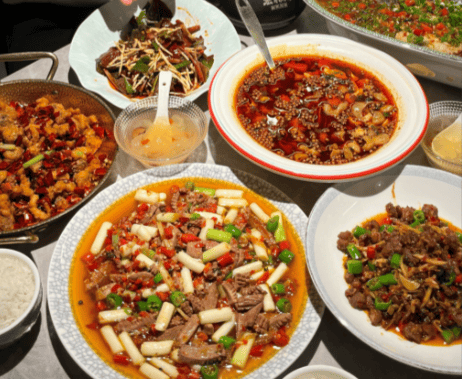
《中国餐饮产业发展报告》正式发布
Bei Jing Shang Bao· 2025-12-17 07:27
Core Insights - The "China Catering Industry Development Report (2025)" highlights the critical role of the catering industry in driving domestic demand and employment as the macro economy stabilizes in 2024 [1] - The report identifies a new regional development pattern characterized by rapid growth in the west and slower progress in the east, with consumption upgrades and digital transformation as key drivers [1] - Challenges faced by catering enterprises include high costs, intensified competition, lagging digital transformation, and talent shortages [1] Regional Development - The report analyzes catering industry data from regions including Beijing, Shanghai, Guangdong, Jiangsu, Shaanxi, Hong Kong, and Macau, providing objective insights into regional characteristics and tailored development suggestions [2] - Local initiatives such as cultural tourism events, food festivals, promoting healthy eating, and enhancing supply chain integration and talent development are driving market growth [2] - Catering businesses are adapting to market changes by combining online and offline sales models, incorporating AI and digital operations, and improving service quality and efficiency [2] Industry Trends - The industry development section examines major segments like hot pot, fast food, barbecue, and group dining, analyzing their current status, success pathways, and the challenges and opportunities they face [2] - The report uses Sichuan cuisine, recognized internationally, as a case study to explore its advantages and challenges in global expansion, offering innovative models for the globalization of Chinese cuisine [2] - The specialized research section discusses new productive forces in the catering industry and talent cultivation experiences, while also outlining the industry's responsibilities in environmental and social domains through ESG practices [2] - The report provides theoretical and practical frameworks for cities to explore culinary culture, shape urban brand IP, and achieve "culinary prosperity" [2]
《中国餐饮产业发展报告(2025)》正式发布
Bei Jing Shang Bao· 2025-12-17 07:23
Core Insights - The "China Catering Industry Development Report (2025)" highlights that in 2024, China's catering industry will achieve significant breakthroughs amid a stable macroeconomic recovery, emphasizing its role in expanding domestic demand and promoting employment [1] - The report identifies a new regional development pattern characterized by "rapid growth in the West and slower growth in the East," with consumption upgrades and digitalization becoming core driving forces [1] - Challenges faced by catering enterprises include high costs, intensified competition, lagging digital transformation, and talent shortages [1] Regional Development - The report analyzes the operational data of the catering industry in regions such as Beijing, Shanghai, Guangdong, Jiangsu, Shaanxi, Hong Kong, and Macau, providing objective insights into regional characteristics and tailored development suggestions [2] - Local catering markets are being stimulated through cultural tourism activities, food festivals, promotion of healthy eating, supply chain integration, and talent cultivation [2] - Catering enterprises are adapting to market changes by combining online and offline sales models, incorporating AI and digital operations, and enhancing service quality and efficiency [2] Industry Format Development - The report discusses major industry formats such as hot pot, fast food, barbecue, and group dining, analyzing their current development status, successful pathways, and the challenges and opportunities they face [2] - It uses Sichuan cuisine, recognized internationally, as a case study to explore its advantages and challenges in global expansion, proposing innovative models for the globalization of Chinese cuisine [2] Special Research - The report examines new productive forces in the catering industry and experiences in talent cultivation, while systematically outlining the industry's responsibilities in environmental and social aspects through ESG practices [2] - It analyzes sustainable development pathways for enterprises and provides theoretical and practical foundations for cities to discover culinary culture, shape urban brand IP, and achieve "culinary prosperity" [2]
【美丽四川】火火的锦里‖管恒庆
Sou Hu Cai Jing· 2025-12-01 03:54
Core Viewpoint - Jinli, a historic street in Chengdu, is a significant cultural and commercial hub, attracting tourists with its rich heritage and local delicacies, embodying the essence of Sichuan culture and lifestyle [2][4][8]. Group 1: Historical Significance - Jinli dates back to the Qin and Han dynasties, originally known for its production of Shu brocade, which contributed to its name [5]. - The street is closely associated with Zhuge Liang, who established officials to manage the brocade industry, leading to the name "Jin Guan Cheng" for the area [5]. Group 2: Cultural Experience - The street features traditional Sichuan architecture and offers a variety of local cultural experiences, including folk performances and traditional crafts such as sugar painting and clay figurines [7][8]. - Visitors can enjoy authentic Sichuan cuisine, with local specialties like Zhang Fei beef and pig intestine noodles, emphasizing the focus on taste and local ingredients [8]. Group 3: Tourism Appeal - Jinli is recognized as a must-visit destination for tourists in Chengdu, often described as a vibrant and lively place where visitors can immerse themselves in local customs and flavors [2][9]. - The best time to visit is in the evening when the street is illuminated by lanterns, creating a festive atmosphere that attracts large crowds [9][12].