中小微企业融资

Search documents
数据活水润实体,信息共享助小微
Qi Lu Wan Bao· 2025-12-12 07:29
Core Insights - The launch of the National SME Fund Flow Credit Information Sharing Platform aims to address the long-standing issue of "information islands" in SME financing [2] - The platform enables banks to better assess the creditworthiness of SMEs by integrating transaction data from multiple banks, thus facilitating access to financing [4][6] Group 1: Platform Impact on SMEs - The platform has allowed the Industrial and Commercial Bank of China (ICBC) to provide over 453 million yuan in credit to 174 SMEs, transforming dormant cash flows into quantifiable credit assets [2] - A construction equipment company, previously limited by traditional credit assessments, saw its credit limit increase from 60,000 yuan to 3 million yuan after integrating its transaction data into the platform [3][4] - An environmental technology company benefited from the platform by receiving a tailored credit limit that matched its project funding needs, significantly improving its financial flexibility [6][7] Group 2: Challenges Faced by SMEs - Many SMEs struggle with financing due to their light asset base, lack of collateral, and fragmented information, which traditional banking models fail to address [2][3] - The environmental technology company faced long project cycles and urgent funding needs, which traditional credit assessments could not accommodate, leading to a mismatch in credit availability [6][7] Group 3: Bank's Response and Strategy - ICBC has proactively engaged with SMEs to promote the new platform, demonstrating a commitment to enhancing financial support for local businesses [3][6] - The bank has developed a dual-driven model combining platform data and internal risk control to create a comprehensive credit profile for SMEs, effectively converting their digital footprints into credit wealth [7]



拆隐形关卡降融资负担 虚增中收行为将减少
Zhong Guo Zheng Quan Bao· 2025-12-01 20:25
Core Viewpoint - The revised guidelines from the State Administration for Market Regulation aim to address the issues of "difficult and expensive financing" for enterprises, particularly small and micro businesses, by prohibiting various unreasonable fees charged by commercial banks [1][3]. Summary by Sections Prohibition of Unreasonable Fees - The guidelines explicitly prohibit the fictitious charging of syndicate loan fees and other unreasonable charges, such as charging commitment fees after interest has been collected [1][2]. - A specific example highlighted is a bank that charged a commitment fee of 36 million yuan for a 400 million yuan loan, which is now deemed unreasonable under the new guidelines [2]. Systematic Regulation of Charging Practices - The guidelines address issues like "no-demand charges" and "bundled charges," stating that banks cannot charge fees for services that have no actual demand, such as issuing unnecessary guarantees or loan commitment letters [3]. - The guidelines also prohibit mandatory service fees, such as forcing clients to open online banking services or promoting unnecessary AI advisory services [3]. Strengthening Bank Accountability - The guidelines enhance the accountability of banks by requiring them to prove compliance with regulations, shifting the responsibility from merely avoiding violations to demonstrating compliance [3]. - The guidelines also mandate banks to verify the classification of small and micro enterprises to ensure the implementation of fee reduction policies [3]. Improvement of Financial Services - The guidelines establish a dual regulatory system of "law enforcement penalties + positive guidance," differentiating between light and heavy penalties based on banks' actions regarding the return of unreasonable fees [4]. - The principle of "separation of interest and fees" is emphasized, prohibiting banks from inflating intermediary business income through disguised fees [4]. - Industry experts believe that while the guidelines may lead to a short-term reduction in bank fees, they will ultimately encourage banks to enhance the quality and efficiency of financial services to attract clients and generate revenue [4].

推进资金流信息平台应用,助力中小微企业融资
Sou Hu Cai Jing· 2025-11-27 22:37
Core Insights - The establishment of the national small and micro enterprise fund flow credit information sharing platform has significantly improved financing opportunities for small and micro enterprises, particularly those lacking collateral and credit history [2][4] - China Construction Bank's Jining branch has successfully facilitated 437 million yuan in loans through this platform, benefiting over a hundred enterprises and creating a positive financial ecosystem [2][4] Group 1: Financing Challenges and Solutions - Small and micro enterprises face significant financing difficulties due to inadequate financial systems and lack of effective collateral [2] - The fund flow information platform allows for the transformation of cash flow data into financing credit, thus reducing financing costs for these enterprises [2][4] Group 2: Case Studies of Successful Financing - Shandong Nachi Environmental Technology Co., Ltd. utilized the fund flow information platform to secure a credit limit of 5 million yuan, enabling the purchase of raw materials and expansion of production [4] - Jining Gaoxin Mingyun Tea House successfully obtained a loan of 1.2 million yuan within a week, thanks to the platform's ability to assess their cash flow data efficiently [6] Group 3: Future Directions - The Jining branch of China Construction Bank plans to continue leveraging the fund flow information platform to provide precise financial services to small and micro enterprises, injecting financial vitality into local economic development [7]


四川广元:以数据架桥 “破局”中小微企业融资难题
Sou Hu Cai Jing· 2025-11-05 01:55
Core Viewpoint - The establishment of the fund flow credit information sharing platform has significantly improved the financing accessibility for small and micro enterprises in China, facilitating over 330 enterprises to secure financing of 1.698 billion yuan within a year [1] Group 1: Financing Challenges and Solutions - The fund flow information platform addresses the financing difficulties faced by small and micro enterprises, particularly those classified as "credit white households" with insufficient credit history [4][7] - The platform enables financial institutions to utilize real operational data from enterprises to create quantifiable credit assets, thus lowering the barriers for first-time loans [4][7] Group 2: Case Studies of Successful Financing - The platform has successfully assisted companies like Wangcang County Fuxin Hydropower Development Co., Ltd. in obtaining their first loan of 1 million yuan, overcoming previous challenges due to lack of collateral [2][4] - Sichuan Zhengshun An Breeding Co., Ltd. was able to secure a credit loan of 1 million yuan with an increased credit limit of 1.76 million yuan, demonstrating the platform's efficiency in loan approval processes [5][7] Group 3: Future Directions and Goals - The People's Bank of China in Guangyuan will continue to guide financial institutions in leveraging the fund flow information platform to enhance the financing channels for small and micro enterprises [7] - The aim is to implement a mechanism that encourages lending, thereby injecting more financial resources into the local economy and supporting the growth of the real economy [7]
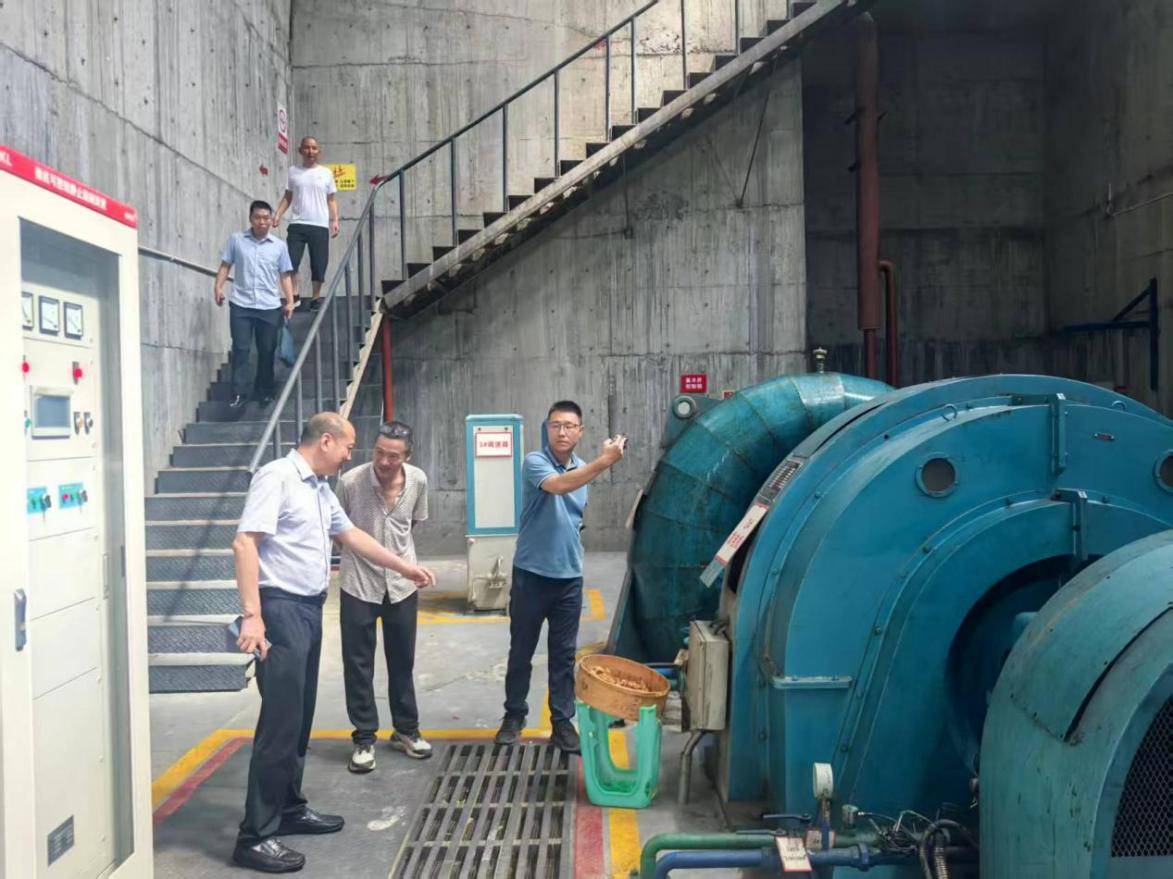
“经济身份证”赋能甘肃中小微企业融资
Zhong Guo Jing Ji Wang· 2025-10-29 07:01
Core Insights - The establishment of the National Small and Micro Enterprises Fund Flow Credit Information Sharing Platform aims to enhance the credit information sharing among financial institutions, thereby improving the financing efficiency for small and micro enterprises [1][2] Group 1: Platform Implementation and Coverage - The platform has been fully integrated with 15 national banks and 3 local banks in Gansu Province, achieving comprehensive coverage of major banking institutions [1] - Since its launch, the platform has facilitated 53,200 queries for fund flow credit information, enabling small and micro enterprises to secure over 11 billion yuan in financing, benefiting 2,876 enterprises [1] Group 2: Impact on Credit Access - The platform provides a comprehensive view of enterprises' financial activities, including nearly three years of income and expenditure records, which aids financial institutions in making informed credit decisions [2] - The proportion of pure credit loans issued to small and micro enterprises has reached 27.3%, indicating a shift towards less reliance on collateral [2] Group 3: Risk Management and Efficiency - Financial institutions are utilizing platform data to enhance risk management through data-driven models, moving away from traditional expert judgment [3] - The integration of platform data into banks' credit systems has significantly reduced loan approval times from 15-20 days to as little as 1-3 days, addressing the issue of slow loan processing [4] Group 4: Future Development - The People's Bank of China in Gansu Province plans to continue promoting the platform to further support the financing development of small and micro enterprises, encouraging innovation in financial products and services [4]
山东基本实现全国中小微企业资金流信用信息共享平台全域覆盖
Xin Hua Cai Jing· 2025-10-27 10:06
Core Insights - The People's Bank of China Shandong Branch announced that by the end of September 2025, major banking institutions in Shandong have fully integrated into the national credit information sharing platform for small and micro enterprises, achieving comprehensive application coverage [1] Group 1: Financial Statistics - As of the end of September, Shandong financial institutions have conducted 291,000 queries for credit information related to cash flow, facilitating credit for 27,000 small and micro enterprises, amounting to 182.11 billion yuan [1] - Actual credit usage reached 23,000 enterprises, totaling 109.42 billion yuan [1] Group 2: Policy and Strategic Importance - The national credit information sharing platform is viewed as a crucial tool for enhancing financial services, optimizing the regional business environment, and supporting the financing development of small and micro enterprises [1] - Financial institutions are encouraged to leverage the platform to improve credit decision-making, address first-time loan challenges, and enhance financing efficiency [1]
两轮“苏贸贷”累计放款超千亿
Xin Hua Ri Bao· 2025-10-12 21:45
Core Insights - The "Su Trade Loan" financing policy has provided loans totaling 107 billion yuan to nearly 11,000 small and micro foreign trade enterprises since its launch in September 2018, utilizing an innovative "government + bank + insurance" model to support the development of foreign trade companies [1][2] Group 1: Policy Overview - The "Su Trade Loan" has undergone two rounds of upgrades, with the first round establishing a funding pool of 288 million yuan and disbursing 34.57 billion yuan to 4,677 enterprises [1] - The second round, initiated in 2022, expanded the number of participating banks to nine and has disbursed 72.52 billion yuan to 6,288 enterprises as of September this year, significantly increasing its coverage and scale [1] - In the first nine months of this year, the loan disbursement increased by 40.36% year-on-year, with a weighted average interest rate as low as 2.84% [1] Group 2: Risk Mitigation Mechanism - The core highlight of the policy is the "government-bank-insurance" collaborative risk-sharing mechanism, where the provincial risk compensation fund covers 50% to 80% of the principal loss risk based on loan type and amount [1] - Export credit insurance provides upfront protection, creating a dual risk buffer for the loans [1] - Banks utilize the "Su Trade Loan+" model to leverage enterprise data value, allowing credit without the need for fixed asset collateral [1] Group 3: Impact on Enterprises - Jiangsu Yinghui Energy received a 6 million yuan pure credit loan, expecting a 40% increase in cross-border settlements [2] - Zhangjiagang Shepherd Clothing utilized a 10 million yuan loan to alleviate pressure from long accounts receivable periods and tight working capital, effectively managing the impact of raw material price fluctuations [2] - Nanjing Jingshan Chemical overcame collateral shortages with a 5 million yuan credit, continuing to expand its overseas business [2] Group 4: Implementation and Management - Jiangsu Province has established a comprehensive management system to ensure precise policy implementation, including an online financing platform and a shared enterprise list mechanism [2] - Annual performance evaluations of cooperating banks are conducted to create a closed loop of "precise selection - efficient matching - dynamic supervision" [2]
融资租赁ABS市场运行稳健,证券兑付情况良好:2025 年融资租赁 ABS 存续期表现
Lian He Zi Xin· 2025-08-25 13:54
Investment Rating - The report indicates a stable performance of the financing lease ABS market with good repayment conditions [2][8]. Core Insights - The financing lease ABS market has shown a positive trend in 2025, with an increase in issuance volume and a decline in issuance rates, reflecting strong support for the real economy and small and micro enterprises [7][39]. - The issuance of financing lease ABS reached 135.88 billion, a year-on-year increase of 13.30%, while the overall asset-backed securities market saw a 22.47% increase [9][8]. - The report highlights the ongoing policy support for small and micro enterprises, which has led to a steady growth in the issuance scale of small micro lease ABS [6][39]. Policy Overview - In the first half of 2025, policies continued to encourage financing lease companies to support the real economy and small and micro enterprises [4]. - The Shanghai Stock Exchange revised guidelines to enhance the efficiency of issuing corporate bonds and asset-backed securities [5]. - A joint announcement from multiple regulatory bodies emphasized measures to support financing for small and micro enterprises, focusing on increasing financing supply and reducing costs [6]. Market Performance - From January to July 2025, the financing lease ABS market saw a total issuance of 140 deals, with a total scale of 135.88 billion, marking a 9.38% increase in the number of deals and a 13.30% increase in scale compared to the previous year [9][8]. - The trading market remains the primary venue for financing lease ABS issuance, accounting for 91.63% of the total issuance scale [12]. - The issuance structure remains stable, with public lease ABS dominating the market [13]. Issuance Rates and Credit Quality - The average issuance rates for AAAsf and AA+sf rated securities were 2.35% and 3.42%, respectively, showing a decline of 46bps and 53bps year-on-year [24]. - The report notes that the asset quality of financing lease ABS has remained stable, with no downgrades in credit ratings during the period [36]. - The proportion of high-rated securities (AAAsf and AA+sf) remains high, accounting for 98.73% of the newly issued financing lease ABS [30]. Future Outlook - The financing lease ABS market is expected to continue expanding, driven by ongoing policy support and increasing financing needs from small and micro enterprises [39]. - The report anticipates that the issuance scale of specific field-marked financing lease ABS will grow, covering a broader range of industries [39]. - The market is likely to see a continued focus on supporting the real economy and promoting industrial upgrades [39].
银企互汇:破局融资瓶颈,做中小微企业信赖的金融伙伴
Sou Hu Cai Jing· 2025-08-25 03:16
Core Insights - The Chinese government has prioritized addressing the financing difficulties faced by small and micro enterprises through a series of financial policies aimed at promoting high-quality economic development [1][3] - Yinqi Huhui, a financial service brand under Qimiao Technology, aims to be a trusted financial partner for small and micro enterprises by not only helping them "find funds" but also clarifying their funding needs and how to efficiently access those funds [1][3] Financing Needs - The financing needs of enterprises are diverse and not a one-time requirement; startups often need equity financing, while growing companies require debt financing, and policy-supported funds act as timely assistance [3] - Traditional financing models often limit enterprises to a single channel, failing to meet their varied needs at different stages of growth [3] Yinqi Huhui's Solutions - Yinqi Huhui offers a "one-stop financing solution" that integrates various financing channels, including debt financing, equity financing, and policy financing, covering the entire lifecycle of small and micro enterprises [3] - The company has developed a model that accurately matches "enterprise needs" with "financial products" by analyzing the operational status and financing requirements of enterprises, allowing them to quickly find suitable financing solutions without extensive effort [3] Role in the Market - Yinqi Huhui positions itself not merely as a financing intermediary but as a bridge connecting enterprises with financial resources, addressing the actual needs of small and micro enterprises [3] - In the context of the government's ongoing efforts to optimize the financing environment for small and micro enterprises, Yinqi Huhui is expected to continue playing a significant role in facilitating the flow of financial resources to support the high-quality development of these enterprises [3]

重磅!2025年中小微企业贷款迎来“黄金窗口”,国有四大行5000万信用贷全国极速放款!
Sou Hu Cai Jing· 2025-08-16 02:12
Core Viewpoint - The Chinese government is implementing policies to enhance financial services for small and micro enterprises, aiming to facilitate their access to credit and stimulate economic growth [1][11]. Group 1: Policy Initiatives - The National Financial Supervision Administration has issued a notice requiring that the growth rate of inclusive loans to small and micro enterprises must not be lower than the average growth rate of all loans [1]. - Major state-owned banks are expected to play a leading role in this initiative, referred to as the "head goose effect" [1]. Group 2: Financial Products - The four major state-owned banks have launched a "Digital Agricultural Loan" program, offering credit loans with a maximum limit of 50 million yuan and interest rates as low as 3.2% [4]. - These banks have introduced pure credit loan products that do not require collateral, with a maximum loan amount of 50 million yuan, targeting various sectors including manufacturing and technology [6]. Group 3: Cost and Efficiency - The annual interest rate for these credit loans has dropped to a historical low of 3.2%, representing a 30% reduction in financing costs compared to similar market products [7]. - For a loan of 10 million yuan, companies can save over 300,000 yuan in interest expenses annually [7]. - The approval process has been streamlined to allow for loan disbursement within three days, significantly reducing the waiting time for businesses [9]. Group 4: Eligibility and Application Process - Small and micro enterprises that have been established for over two years and have a tax credit rating of A/B can apply for these loans without any fees [11]. - The application process requires minimal documentation, including a business license and tax records, and focuses on the company's recent financial performance [9][11].