
价格发现功能

Search documents
小苹果变身“幸福果” 金融赋能黄土高原特色农业
Zhong Guo Zheng Quan Bao· 2025-07-04 20:25
Core Insights - The "Insurance + Futures" project in Yan'an, Shaanxi Province, is a pioneering financial innovation aimed at providing risk management for apple farmers, combining traditional agricultural insurance with financial derivatives [1][2][3] - This model has led to significant improvements in the apple industry, promoting standardization, branding, and modernization, thereby contributing to rural revitalization [1][5] Financial Innovation and Impact - The project has covered 195,000 acres of orchards and benefited 12,263 households from 2019 to 2024, with total compensation amounting to 61.21 million yuan, averaging nearly 5,000 yuan per household [3][9] - Farmers have shifted from a mindset of "mandatory insurance" to "voluntary participation," indicating increased acceptance and understanding of the program [3][10] Market Dynamics - The introduction of apple futures has enhanced farmers' bargaining power, allowing them to make informed selling decisions based on market prices [4][5] - The futures market has also enabled companies to hedge against price fluctuations, with over 60% of the operating volume of a local fruit company being hedged through futures [4][7] Agricultural Development - Yan'an's unique geographical conditions have positioned it as a prime apple-producing region, with apple cultivation accounting for 57% of the agricultural output value in the area [5][6] - The project has led to a transformation in production practices, encouraging farmers to adopt standardized and high-quality production methods [6][8] Challenges and Recommendations - The sustainability of the "Insurance + Futures" model faces challenges, including reliance on external funding for insurance premiums, which currently sees farmers contributing only 13.38% of total premiums [9][10] - Recommendations include establishing a premium-sharing mechanism, expanding the project’s coverage, and enhancing farmer education on the program [10][11]
财经深一度|化工期货再迎新,纯苯期货和期权“报到”在即
Sou Hu Cai Jing· 2025-06-25 13:35
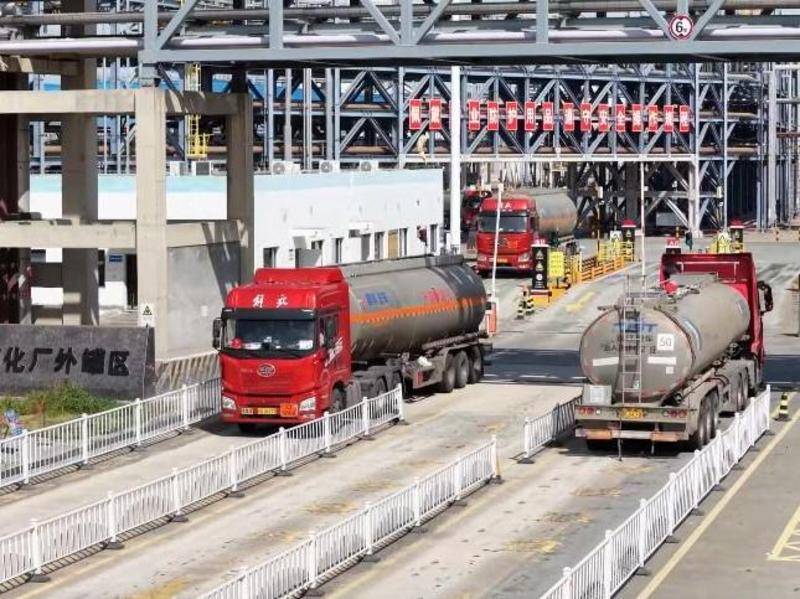
Core Viewpoint - The approval of pure benzene futures and options by the China Securities Regulatory Commission is expected to significantly impact the pure benzene market and the broader aromatic industry chain in China [2][4]. Market Overview - Pure benzene is a crucial organic chemical raw material, with a production capacity of 32.34 million tons and a consumption volume of 29.26 million tons in 2024, accounting for 39% and 43% of global totals, respectively [4]. - China is the world's largest producer, consumer, and importer of pure benzene, with an import volume of 4.31 million tons, leading to a dependency rate of 15% [4]. Risk Management - The introduction of pure benzene futures and options will provide companies with essential tools to hedge against price volatility, which has exceeded 30% in recent years due to various factors such as international oil prices and global economic conditions [5][6]. - Companies have previously relied on long-term contracts and dynamic inventory adjustments to manage risks, but the new futures market will offer a standardized and transparent platform for price risk management [5][6]. Production Adjustment and Profit Locking - The futures and options market will facilitate better supply-demand adjustments within the industry, helping companies stabilize production and profits amid fluctuating market conditions [6][7]. - Producers can lock in raw material prices through crude oil futures while simultaneously securing product sales prices with pure benzene futures, effectively locking in processing profits [6][7]. Enhancing Price Influence - The launch of pure benzene futures and options is expected to create a transparent and authoritative "Chinese pure benzene price," enhancing China's influence in international pricing and reducing reliance on foreign benchmarks [8]. - The establishment of a futures market will support the transition from a "coarse game" to "refined management" in the industry, aiming to position China as a pricing center for pure benzene in Asia [8].

光伏企业参与多晶硅期货正当时
Qi Huo Ri Bao Wang· 2025-06-03 18:14
Core Viewpoint - The current downturn in the polysilicon industry is primarily driven by a significant oversupply, leading to a drastic decline in prices, necessitating effective risk management tools for the photovoltaic sector [1][2]. Group 1: Market Conditions - Since the end of 2022, polysilicon prices have plummeted from over 300,000 yuan/ton to approximately 37,500 yuan/ton, a decline of over 85% [1]. - The current operating rate of the polysilicon industry is around 35%, with inventory days decreasing from nearly 5 months to about 3 months [1]. - China's polysilicon production capacity has reached nearly 3.1 million tons, sufficient to meet over 1,440 GW of downstream demand, while social inventory remains high at around 390,000 tons [1]. Group 2: Risk Management Tools - The introduction of polysilicon futures and options provides photovoltaic companies with essential risk management tools, enabling them to hedge against price fluctuations [2][3]. - Polysilicon futures have shown a strong correlation with spot prices, reflecting market expectations more rapidly, particularly during periods of declining demand [2]. - The active trading of polysilicon futures, with an average daily volume of around 100,000 contracts, creates a favorable environment for companies to engage in hedging [3]. Group 3: Industry Adoption - Nearly ten listed companies in the photovoltaic sector have announced plans to engage in polysilicon futures hedging, indicating a growing interest in utilizing these financial instruments [4]. - Despite the potential benefits, there are still few cases of companies effectively using polysilicon futures to mitigate current price decline risks, suggesting a need for further education and understanding of the futures market [4]. - The integration of futures and spot markets is crucial for companies to fully realize the benefits of the futures market [4]. Group 4: Future Considerations - Understanding the operational logic of the futures market is essential for companies to leverage its value in serving the real economy [5].