优绩主义

Search documents
被优绩主义困住的人,最终都要学着做个普通人
虎嗅APP· 2025-12-10 14:17
Core Viewpoint - The article discusses the societal pressure of achieving success and the struggle of accepting one's ordinary status in life, particularly in East Asian cultures, where external validation often dictates self-worth [6][9][19]. Group 1: Understanding Ordinary Life - The narrative highlights the shift from a meritocratic mindset to a more accepting view of ordinary life, questioning the necessity of success for self-worth [6][9]. - The film "Perfect Days" is referenced to illustrate the beauty found in ordinary lives, emphasizing that fulfillment can come from simple pleasures rather than societal achievements [6][8]. - The concept of "ordinary" is explored through discussions among editors, revealing a collective struggle to embrace this identity [7]. Group 2: Cultural Influences - The article notes that East Asian collectivist culture often overlooks individual value, leading to a reliance on external achievements for self-assessment [8][9]. - Many individuals, raised in a success-driven environment, find it challenging to accept their ordinary status, which is seen as a common issue in clinical psychology [8][9]. - The societal expectation to excel creates a cycle where individuals feel unworthy unless they meet high standards, perpetuating anxiety and dissatisfaction [9][10]. Group 3: Personal Experiences and Reflections - Contributors share personal stories of grappling with the acceptance of being ordinary, often tied to experiences of failure and societal pressures [11][19]. - The process of accepting one's limitations is described as a gradual reconciliation, where individuals learn to treat themselves with kindness and understanding [12][20]. - The article emphasizes that recognizing one's ordinary status can lead to a sense of freedom and relief from the burdens of comparison and expectation [19][21].


困在“优绩主义竞缘脑”里的东亚年轻人
虎嗅APP· 2025-11-29 03:06
Core Viewpoint - The article discusses the evolution of the term "good student" from a positive connotation to a derogatory one, highlighting the societal disdain for meritocracy among the youth today [5][6][34]. Group 1: The Concept of Meritocracy - Meritocracy is described as a "spiritual drug" that many young people are beginning to recognize as harmful, leading to a collective aversion towards it [6][34]. - The article illustrates how the character "Qianqian" embodies the traits of a "good student," who seeks attention and validation through academic success, often at the expense of others [11][12][34]. Group 2: Cultural Reflections - The portrayal of "Qianqian" resonates with many individuals' school experiences, evoking memories of competitive and often toxic classroom dynamics [13][25][37]. - The character's actions, such as seeking attention through academic performance and social manipulation, reflect a broader critique of societal values that prioritize achievement over well-being [20][34]. Group 3: The Impact of Competition - The article introduces the concept of "competition brain," which describes a mindset where all social interactions are viewed through a competitive lens, leading to jealousy and anxiety [40][46]. - This competitive mentality is rooted in a culture that equates success with constant comparison, creating a cycle of stress and dissatisfaction among individuals [44][82]. Group 4: The Shift in Youth Attitudes - There is a growing skepticism among the youth regarding traditional notions of success, as evidenced by their reactions to motivational phrases that once inspired them [68][79]. - The article suggests that many young people are now seeking to escape the pressures of a meritocratic society, indicating a shift towards valuing personal happiness over societal expectations [69][82].

只要一直做“对”的事,职业生涯就不会突然崩塌?
Xin Jing Bao· 2025-11-26 04:06
Core Insights - Long-term unemployment is becoming a significant challenge in labor markets globally, with the U.S. experiencing its highest levels since the onset of the COVID-19 pandemic [1] - Among the long-term unemployed, nearly one-third are college graduates, a significant increase from one-fifth a decade ago, indicating a shift in the demographics of unemployment [1] - The traditional belief that unemployment is primarily due to a lack of education or skills is being challenged, as educated individuals face similar long-term unemployment risks as those with lower education levels [1][3] Group 1: Long-term Unemployment Trends - The U.S. Bureau of Labor Statistics reports that long-term unemployment has reached a peak since the early days of the pandemic, with 1.9 million individuals affected [1] - The proportion of college graduates among the long-term unemployed has increased significantly, highlighting a troubling trend where higher education does not guarantee job security [1][3] - Research indicates that long-term unemployment is not solely linked to educational attainment but reflects broader systemic issues in the job market, including hiring discrimination [6][20] Group 2: Psychological and Social Impacts - Long-term unemployed individuals often internalize societal stigma, leading to feelings of personal failure and emotional distress, which can perpetuate their unemployment status [11][15] - The perception of unemployment as a personal failure is reinforced by societal attitudes, making it difficult for individuals to seek help or support [15][20] - The emotional burden of unemployment is compounded by the pressure to maintain a positive self-image while networking, which can hinder genuine relationship-building [11][15] Group 3: Hiring Practices and Discrimination - Employers tend to favor "passive job seekers," those currently employed, over actively seeking long-term unemployed candidates, creating barriers for the latter [8][9] - Long-term unemployed individuals face systemic biases during the hiring process, where their extended unemployment is viewed negatively, regardless of their qualifications [6][8] - There is a notable trend where highly qualified candidates are rejected due to concerns about their potential dissatisfaction with lower-level positions, reflecting a flawed meritocratic system [9][20] Group 4: Broader Societal Implications - The ongoing stigma surrounding unemployment affects not only individuals but also their families, as emotional and financial burdens are often shared [19][24] - The cultural narrative around work and success is shifting, with traditional views on masculinity and economic contribution being challenged, particularly among middle-class men and women [18][19] - The COVID-19 pandemic temporarily alleviated some stigma associated with unemployment, suggesting that societal perceptions can shift based on broader economic conditions [24]

当一个人大哲学硕士,35岁决定去荒原远征
Hu Xiu· 2025-10-22 12:58
Core Insights - The article narrates the journey of a woman named Yiman, who transitioned from a high-pressure urban life in Shanghai to a more liberated existence in the wilderness, exploring her identity and personal freedom through her experiences in nature [3][17][75]. Group 1: Personal Transformation - Yiman's departure from Shanghai marked a significant shift in her life, as she sought to escape the pressures of urban living and societal expectations [14][40]. - The narrative emphasizes her struggle with anxiety and the impact of high expectations from family and society, which led to a breakdown at the age of 35 [13][62]. - Through her travels in the wilderness, Yiman discovered a sense of liberation, allowing her to redefine her understanding of success and self-worth [17][78]. Group 2: Exploration of Identity - The journey involved various locations, including the Inner Mongolia grasslands and the Spanish countryside, where Yiman engaged with local cultures and nature [3][51]. - Yiman's experiences led her to question the rigid standards of success she had internalized, ultimately finding peace in the acceptance of her true self [62][75]. - The article highlights the contrast between her previous life, characterized by a strict adherence to societal norms, and her newfound appreciation for spontaneity and personal fulfillment [44][78]. Group 3: Creative Expression - Yiman documented her experiences in her book "Wilderness Seeking Horses," which reflects her journey of self-discovery and the challenges of breaking free from societal constraints [5][18]. - The narrative illustrates how her creative process was influenced by her time spent in nature, allowing her to reconnect with her emotions and body [77][79]. - The book serves as a testament to her transformation and the lessons learned from her time in the wilderness, emphasizing the importance of personal growth and authenticity [18][60].

特别策划|新“成功学”背后的迁移
Xin Lang Cai Jing· 2025-10-13 09:48
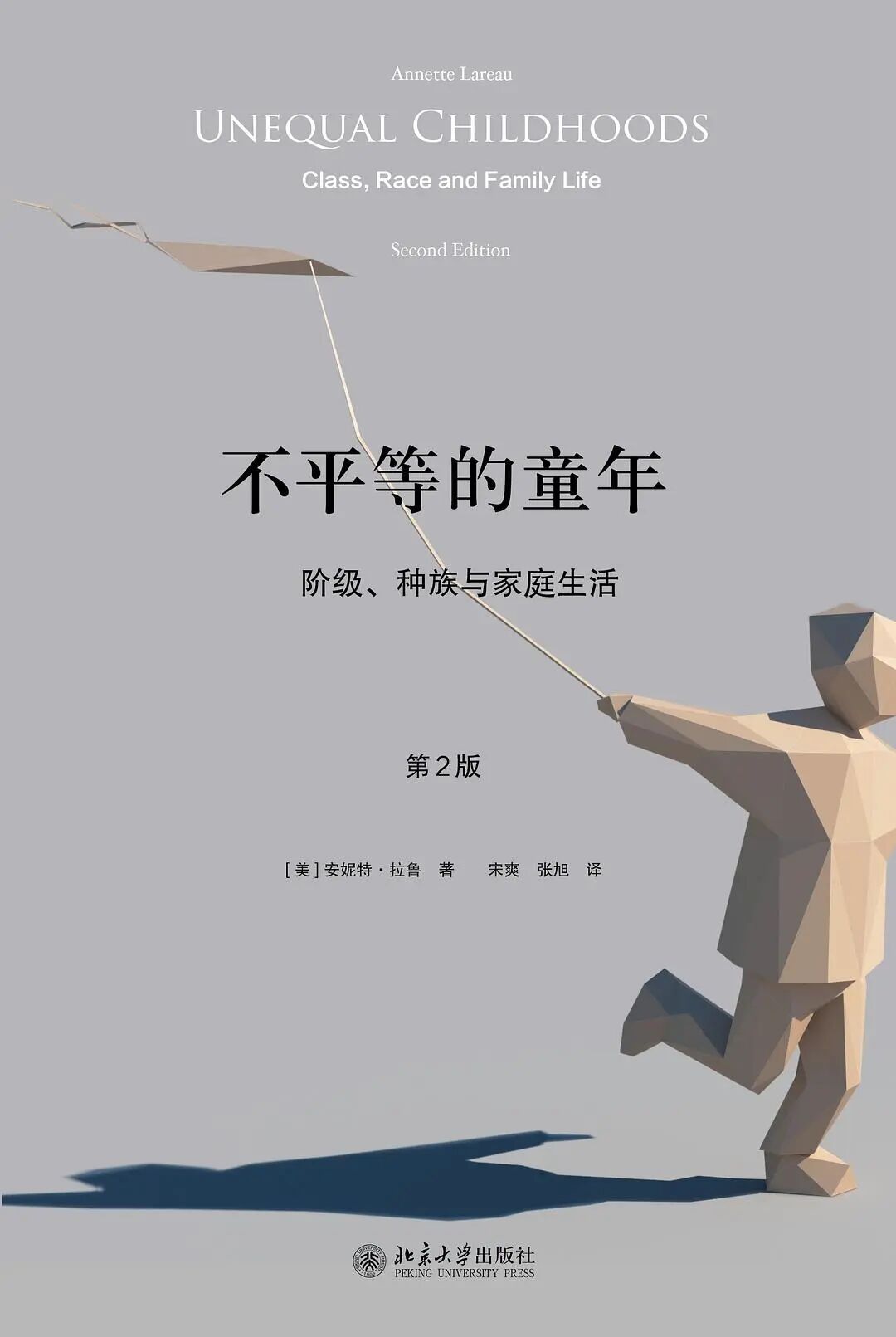
Group 1 - The core idea of the articles revolves around the evolving definition of success in the modern era, emphasizing personal values over external accolades [1] - The discussion highlights the importance of self-awareness and personal challenges in defining true success, moving away from societal standards [1] - The articles suggest that the journey towards self-discovery and personal growth is more significant than merely achieving external recognition [1] Group 2 - The book "Unequal Childhoods" by Annette Lareau explores the impact of social class on parenting styles and children's educational experiences, emphasizing the differences between middle-class and working-class families [2][3] - Lareau's research indicates that middle-class families engage in "concerted cultivation," while working-class families adopt a "natural growth" approach, leading to disparities in children's socialization and educational outcomes [3] - The findings reveal that social class significantly influences children's life experiences and educational opportunities, highlighting systemic inequalities in society [3] Group 3 - "After the Gold Rush" discusses the hidden challenges faced by college students from different socioeconomic backgrounds, particularly regarding their career prospects post-graduation [5] - The book emphasizes the importance of understanding the "rules of the game" within the university context to navigate career opportunities effectively [5] - It also highlights the role of internalized mainstream values in helping students avoid career confusion and utilize university resources efficiently [5] Group 4 - "The Elite Trap" by Daniel Markovits critiques the meritocratic system in the U.S., arguing that it perpetuates inequality and hinders social mobility [7][12] - The book presents data showing that the middle class is experiencing job marginalization and income stagnation, while elites monopolize educational resources and high-paying jobs [12] - Markovits calls for a reduction in educational competition to reintegrate middle-skilled labor into the economy, addressing structural imbalances [12] Group 5 - "The Stigma Trap" by Ofer Sharone examines the societal biases faced by unemployed individuals, challenging the notion that unemployment is a personal failure [13][14] - The book reveals how societal pressures and discrimination create a "stigma trap" that affects the self-worth of unemployed individuals [14] - Sharone advocates for a redefinition of value and fairness in society, emphasizing that unemployment should not diminish a person's worth [14] Group 6 - "Everything I Told You About That Mountain" is a reflective work by Liu Chanjun, documenting his experiences during a life-threatening journey in the Himalayas [17][19] - The narrative captures the emotional struggles and philosophical insights of the author, showcasing the interconnectedness of life, nature, and personal reflection [17] - The book serves as a testament to the profound thoughts and resilience of a young individual facing existential challenges [17]
自由职业200天后,我发现理想生活只能靠自己创造
Hu Xiu· 2025-09-17 23:42
Core Insights - The article emphasizes that an ideal life is not automatically achieved through excellence or competition, but rather through proactive creation and personal choices [2][5][8] Group 1: Personal Transformation - The author reflects on a significant transformation experienced over the past seven months, highlighting that the change is more about clarity in life goals than financial or identity shifts [2][10] - The notion that winning competitions leads to an ideal life is challenged, suggesting that true fulfillment comes from personal agency rather than external validation [4][7][22] Group 2: Defining an Ideal Life - An ideal life is described as a collection of specific daily details rather than just a prestigious job or high income, including preferences for living arrangements, meal preparation, social interactions, and work-life balance [9][10] - The article stresses the importance of self-reflection in defining what one truly desires in life, especially in the context of transitioning to freelance work [10][12] Group 3: Needs in the Workplace - The author identifies three fundamental needs that are often unmet in traditional workplaces: the need for freedom, autonomy, and creativity [15][16][17][18] - Freedom is defined as the ability to work from various locations without being tied to a fixed office, while autonomy involves taking full responsibility for projects and decisions [16][17] Group 4: Identity and Action - The article discusses the tendency of individuals to cling to identity as a prerequisite for action, suggesting that waiting for external validation can lead to stagnation [19][20][22] - It encourages continuous action and creation without waiting for formal recognition or invitations, emphasizing that the difference among individuals lies in their actions rather than their titles [22][24][25]
清北扎堆,行业离崩盘不远了…
Sou Hu Cai Jing· 2025-09-13 14:02
Core Insights - The influx of graduates from top universities like Tsinghua and Peking University into an industry often signals that the industry is nearing its peak and may soon decline [2][4][5] - The trend of top graduates gravitating towards established, high-paying jobs reflects a risk-averse mentality, which can stifle innovation and entrepreneurship in emerging sectors [4][6][14] Group 1: Industry Trends - The presence of elite graduates in an industry typically indicates that the industry is approaching saturation, as fewer opportunities for growth remain [4] - In the education sector, for instance, the hiring of numerous top graduates has not translated into long-term success, with reports of salary reductions and job instability [3][5] - The current economic downturn has made it increasingly difficult for graduates from prestigious universities to find success, as they often end up in lower-quality jobs or non-related fields [6][8] Group 2: Graduate Behavior and Choices - Graduates from top universities tend to prioritize job security and high salaries, often avoiding riskier career paths that could lead to innovation [4][5][14] - The phenomenon of "career path lock-in" suggests that early career choices made during economic downturns can limit future opportunities and skill development [7][8] - The competitive environment in elite educational institutions can create a mindset where students feel compelled to continuously strive for excellence, potentially leading to burnout and limited career exploration [10][11]
“反对完美”的哈佛教授:我不信AI能代替你思考
Hu Xiu· 2025-09-01 05:31
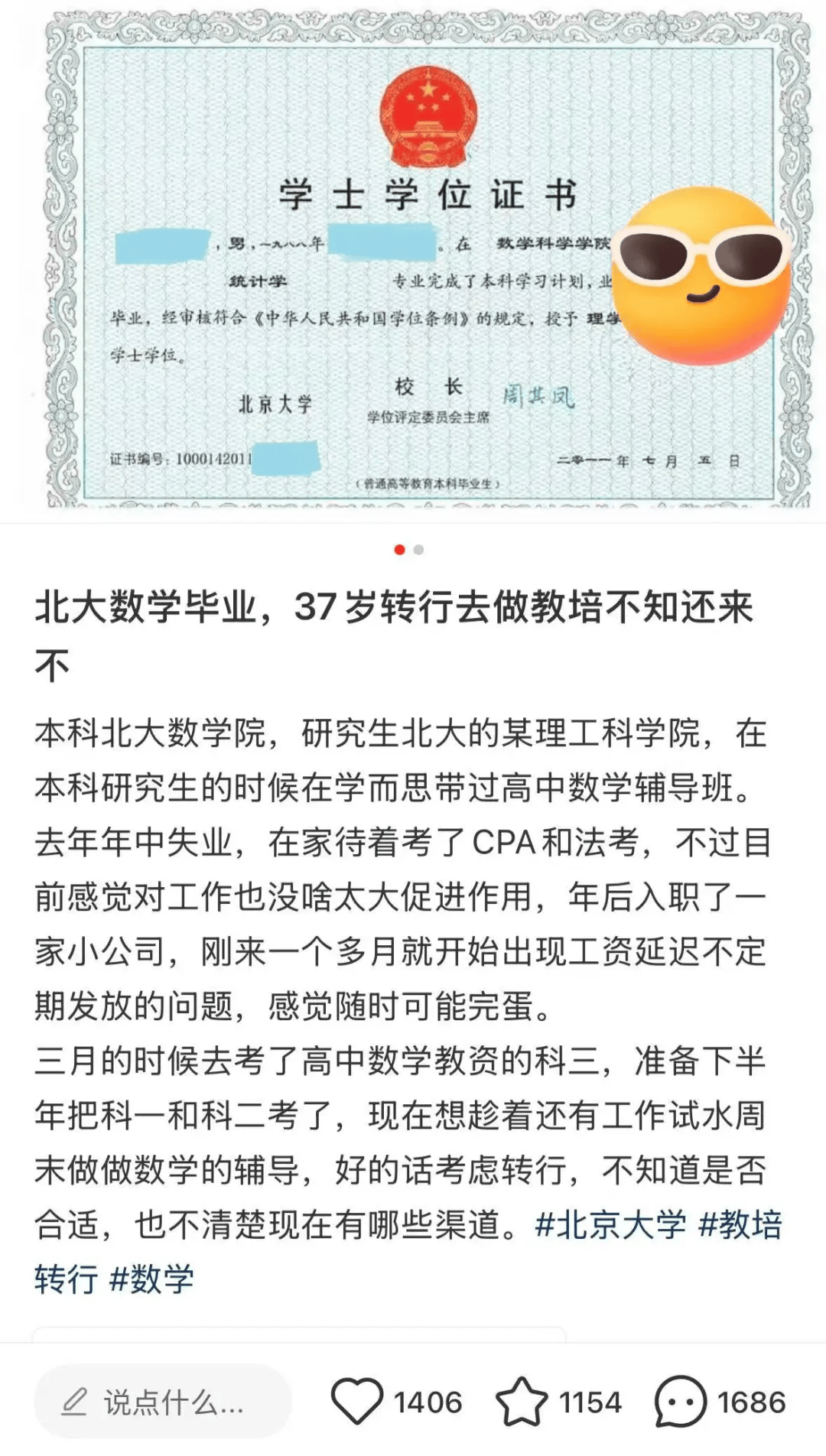
Group 1 - Michael Sandel's recent visit to China focused on discussions around ethics in artificial intelligence, genetic engineering, and reflections on meritocracy [2][3][11] - Sandel expressed concerns about the impact of AI on the humanities and emphasized the importance of human qualities such as critical thinking and moral reasoning that AI cannot replicate [6][8][19] - He highlighted the ethical implications of genetic enhancement technologies, arguing that they could undermine human dignity and lead to social inequality [13][14] Group 2 - The concept of meritocracy was discussed, with Sandel noting that even the best implementation of meritocracy can lead to societal division and a sense of entitlement among the successful [16][18] - Sandel pointed out that the perception of meritocracy in China differs from that in the West, with historical ties to political power distribution through systems like the imperial examination [21][22] - He emphasized the need for public discourse on the role of technology in society and the ethical considerations surrounding it, advocating for more inclusive discussions on what constitutes a good life [15][25]
绩点取消后,能走出分数最大化的游戏吗?
Xin Lang Cai Jing· 2025-09-01 02:26
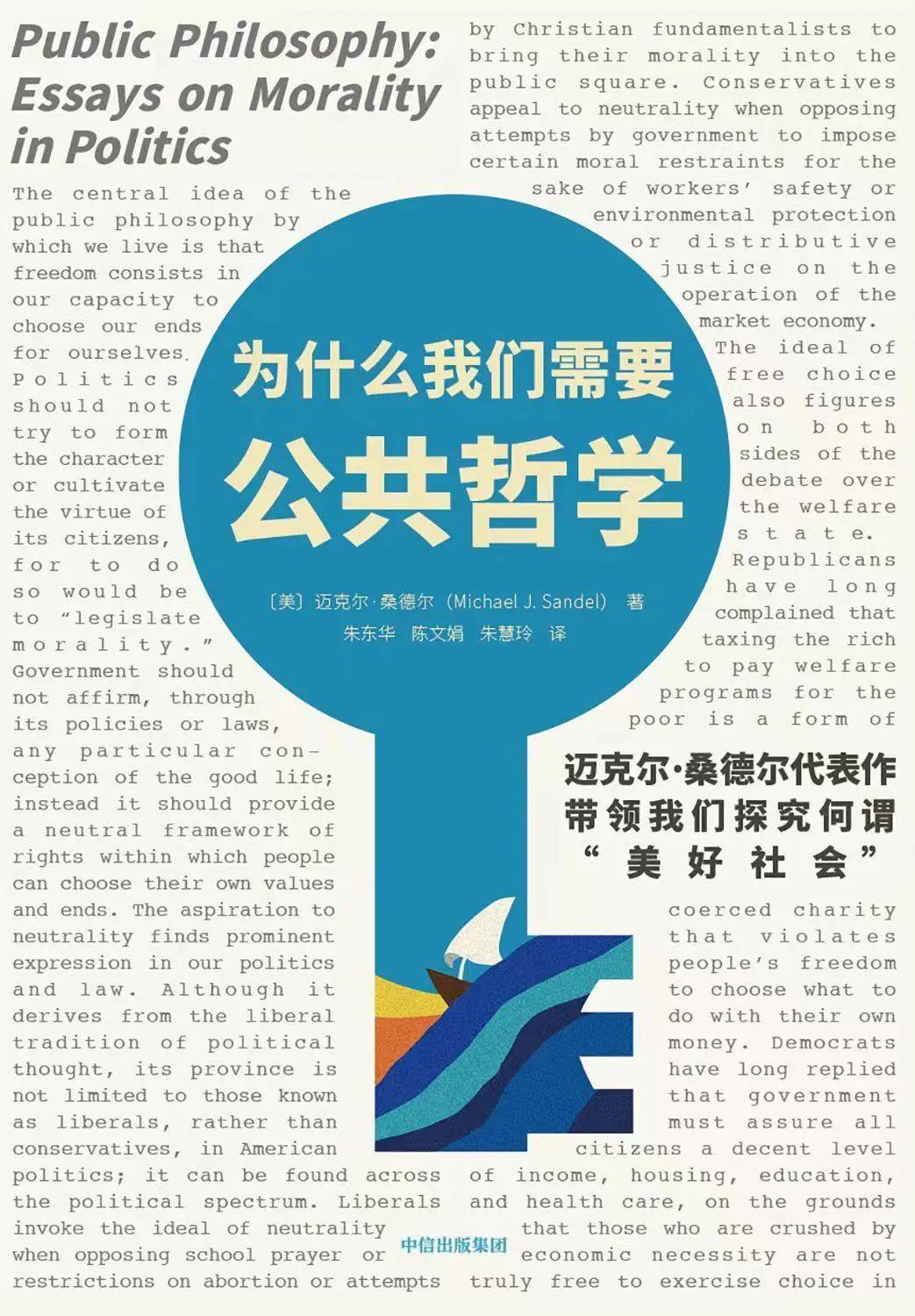
Core Viewpoint - The recent cancellation of GPA at Peking University has sparked widespread discussion about its implications for higher education and the job market, raising questions about the effectiveness of traditional evaluation systems in fostering genuine learning and innovation [1][2]. Group 1: Reform Details - Peking University announced a reform in its educational evaluation mechanism, which includes the introduction of a "pass/fail" system and a grading system that replaces traditional GPA with letter grades (A, B, C, D) starting from the 2025 cohort [1]. - The reform aims to reduce the pressure on students to achieve high GPAs, which has been linked to a culture of excessive self-monitoring and competition among students [4][5]. Group 2: Impact on Student Behavior - The previous GPA system, which was implemented in 2007, created a high-stakes environment where students felt compelled to maximize their scores, often at the expense of genuine learning [6][12]. - The new grading system is expected to alleviate some of this pressure, allowing students to focus more on their interests and personal development rather than merely chasing high scores [7][11]. Group 3: Critique of Evaluation Systems - The traditional evaluation system has been criticized for promoting a culture of meritocracy that prioritizes quantifiable achievements over individual learning experiences [8][9]. - Critics argue that even with reforms, if the underlying goal of education remains focused on selection and competition, the issues of "involution" and excessive pressure will persist [10][14]. Group 4: Future Considerations - The cancellation of GPA raises questions about how students will be evaluated for graduate studies and employment, as GPA has been a significant factor in these processes [11][14]. - There is a call for a more humanistic approach to education that prioritizes student development and self-formation over rigid performance metrics [17][18].
为何东亚小孩总觉得生活没有意义?
虎嗅APP· 2025-08-19 00:13
Core Viewpoint - The article discusses the impact of "meritocracy" on individuals, particularly in East Asian cultures, highlighting how it leads to a sense of worth being tied to achievements and societal recognition [5][19][20]. Group 1: Understanding Meritocracy - "Meritocracy" emphasizes personal effort and achievements as the basis for social recognition, leading to a culture where individuals feel their value is closely linked to their accomplishments [5][19]. - Many individuals are becoming aware that their psychological struggles stem from the pressures of "meritocracy," yet they find themselves trapped in an achievement-oriented environment [5][19]. Group 2: Psychological Impacts - The article illustrates how early educational experiences can instill a sense of fear regarding performance, leading to a narrow focus on achievements at the expense of personal experiences and relationships [8][9]. - The concept of "phallic narcissism" in childhood is discussed, where children seek validation from parents, and a lack of recognition can lead to an over-reliance on external validation in adulthood [14][19]. Group 3: Overcoming the Constraints of Meritocracy - Suggestions for breaking free from the constraints of "meritocracy" include engaging in simple, enjoyable activities that do not require validation or achievement [15][16][27]. - The article emphasizes the importance of self-acceptance and recognizing one's inherent worth, independent of achievements [20][36]. Group 4: Redefining Success - The narrative challenges the conventional notion of success, suggesting that it can sometimes act as a barrier rather than a goal, as illustrated by the case of an individual who left a high-paying job in search of meaning [23][24]. - The article encourages readers to seek alternative role models and redefine success beyond traditional metrics like income and status [26][30]. Group 5: Practical Steps for Change - Practical advice includes allowing oneself to "waste" time, engaging in activities without a specific outcome, and focusing on the sensory experience of daily life [27][28][29]. - The article advocates for building relationships that are not based on achievements, fostering a sense of belonging and acceptance [38].