健康中国战略

Search documents
地方医学院校提升人才培养质量策略
Xin Lang Cai Jing· 2026-01-27 21:02
在全球科技革命与产业变革深度融合的背景下,健康中国战略作为推进中国式现代化的基础性支撑,正 全面深入推进。地方医学院校以服务区域经济社会发展为目标,致力于为地方培养高素质医学人才。这 类院校扎根地方、特色鲜明,基于地缘优势与专业特长,已成为区域医疗卫生事业发展的人才"蓄水 池"和"动力源",承担着服务区域医疗需求、推动医药康养产业发展的社会责任。面对新时代、新任 务,地方医学院校要乘势而上、主动作为,积极推进教学改革创新,全面提升人才培养质量,以更好服 务国家大局、精准回应社会需求,实现医学教育新突破。 更新办学理念,促进内涵式发展 其一,强化内涵建设。地方医学院校应立足新发展阶段,以创新为驱动,聚焦教育改革难点,切实将发 展动能从"传统要素驱动"转向"人才要素驱动"。要牢固树立"质量第一"的办学理念,将人才培养质量作 为衡量办学成效的重要标准,积极探索改革路径,采取综合举措,系统构建科学、多维的人才培养体 系,持续提升育人能力,夯实可持续发展根基。其二,坚持以生为本。实践中,要始终把立德树人根本 任务贯穿教育教学全过程,确保在政策制定、评价标准确立、教学实施与资源配置等环节,始终将人才 培养质量置于重要位置 ...
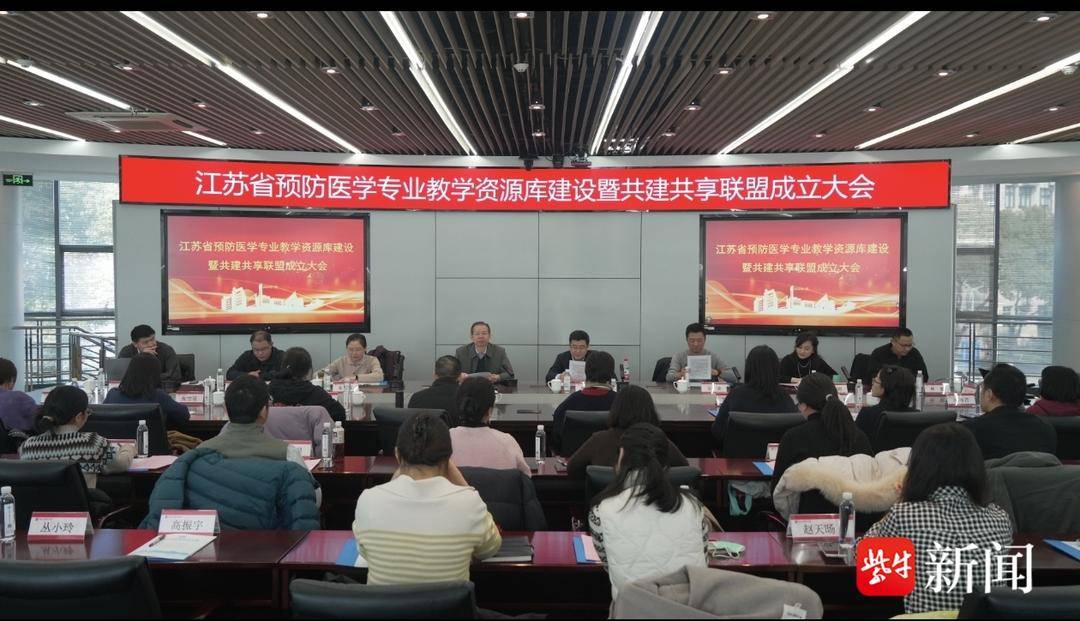
江苏省预防医学专业教学资源库建设暨共建共享联盟成立大会在苏州召开
Yang Zi Wan Bao Wang· 2026-01-27 10:04
为深入贯彻落实健康中国战略,深化职业教育改革,推动江苏省预防医学专业教学资源库建设,日前,江苏省预防医学专业教学资源库建设暨共建共享联 盟成立大会在苏州卫生职业技术学院召开。学校党委书记、资源库项目负责人时玉昌教授出席会议并讲话。来自中国疾病预防控制中心、兄弟院校及行业 企业的领导、专家齐聚该校,共同见证省级预防医学专业教学资源库建设迈向新阶段。大会由教务处副处长、产教融合办公室副主任丁一主持。 时玉昌教授对后续建设工作进行了重点部署。他强调,资源库建设已进入实质性推进阶段,全体参与单位必须强化责任落实,聚力攻坚克难。一是要严格 锚定核心课程资源建设要求,确保任务按期高质量完成;二是要坚守"科学性、实用性、先进性"原则,建立三级审核机制,严把资源质量关,全力打造精 品;三是要深化协同联动,健全跨院校、跨行业的常态化协作机制,形成建设合力;四是要坚持"边建边用、共建共享",推动资源尽早服务于教学实践与 行业培训,切实发挥"能学、辅教、促改"的功能。 本次大会的成功召开标志着江苏省预防医学专业教学资源共建共享进入了协同联动、系统推进的新阶段。它不仅为资源库建设明确了方向、凝聚了共识、 汇聚了力量,更为苏州卫生职业 ...

学习规划建议每日问答丨如何理解健全健康促进政策制度体系
Xin Hua Wang· 2026-01-26 05:21
第二,完善健康促进的政策制度环境。积极推动落实《中华人民共和国基本医疗卫生与健康促进 法》有关规定,健全党委领导、政府主导、社会广泛动员、个人积极参与的健康促进制度机制,明晰疾 病预防、资源配置等环节责任与保障,加强跨部门协作,强化以健康促进为导向的协同治理和高效监 管。推进健康影响评估立法,推进各地全面建立疾病和健康危险因素监测、调查和风险评估制度,制定 健康危险因素综合防治措施,强化健康风险早期识别和主动干预,完善覆盖城乡的全民健身公共服务体 系。 第三,完善健康促进的社会动员机制。大力开展健康中国行动和爱国卫生运动,深入实施合理膳食 行动、国民营养计划和健康体重管理行动。全面开展健康城镇建设,保持村(居)委会公共卫生委员会 动态全覆盖并有效发挥作用,推广健康管理小组、健康积分等经验,将卫生健康融入基层公共服务与治 理机制。 新华社北京1月23日电 《中共中央关于制定国民经济和社会发展第十五个五年规划的建议》提 出:"健全健康促进政策制度体系"。这是贯彻"以基层为重点,以改革创新为动力,预防为主,中西医 并重,把健康融入所有政策,人民共建共享"的新时代党的卫生与健康工作方针的必然要求,是落实健 康中国战略 ...
专注养老主责主业 服务经济社会发展 访新华养老保险股份有限公司党委书记、董事长李文峰
Jin Rong Shi Bao· 2026-01-26 02:04
党的二十届四中全会审议通过的《中共中央关于制定国民经济和社会发展第十五个五年规划的建议》 (以下简称"'十五五'规划建议")指出,要健全社会保障体系,加快发展多层次、多支柱养老保险体 系。 专业养老保险公司如何深入学习贯彻全会精神,更好服务"十五五"时期经济社会发展?围绕这一问题, 新华养老保险股份有限公司(以下简称"新华养老保险")党委书记、董事长李文峰近日接受了《金融时 报》记者专访。 《金融时报》记者:党的二十届四中全会提出,"十五五"时期要加快建设金融强国。新华养老保险如何 结合自身实际,推动相关工作落地落实? 李文峰:新华养老保险作为专业养老保险机构,在"十五五"时期要以实际行动扛起服务大局的政治责 任,重点做好三个方面的工作。 一是坚持党的全面领导,自觉融入金融强国建设。作为国有控股金融企业,新华养老保险自觉推动党的 领导融入公司治理,推动党建工作与业务发展同谋划、同部署、同推进、同考核。具体来说,在理论学 习上"下实功",不折不扣贯彻落实好党中央关于金融工作的大政方针和决策部署;在推动发展中"求实 效",紧密围绕高质量发展这一主题,充分发挥党委"把方向、管大局、保落实"的领导作用,确保公司 各项 ...
专注养老主责主业 服务经济社会发展
Jin Rong Shi Bao· 2026-01-26 01:00
专业养老保险公司如何深入学习贯彻全会精神,更好服务"十五五"时期经济社会发展?围绕这一问 题,新华养老保险股份有限公司(以下简称"新华养老保险")党委书记、董事长李文峰近日接受了《金 融时报》记者专访。 党的二十届四中全会审议通过的《中共中央关于制定国民经济和社会发展第十五个五年规划的建 议》(以下简称"'十五五'规划建议")指出,要健全社会保障体系,加快发展多层次、多支柱养老保险 体系。 《金融时报》记者:党的二十届四中全会提出,"十五五"时期要加快建设金融强国。新华养老保险 如何结合自身实际,推动相关工作落地落实? 李文峰:新华养老保险作为专业养老保险机构,在"十五五"时期要以实际行动扛起服务大局的政治 责任,重点做好三个方面的工作。 一是坚持党的全面领导,自觉融入金融强国建设。作为国有控股金融企业,新华养老保险自觉推动 党的领导融入公司治理,推动党建工作与业务发展同谋划、同部署、同推进、同考核。具体来说,在理 论学习上"下实功",不折不扣贯彻落实好党中央关于金融工作的大政方针和决策部署;在推动发展 中"求实效",紧密围绕高质量发展这一主题,充分发挥党委"把方向、管大局、保落实"的领导作用,确 保公司各项 ...

广东省政协委员王青:AI机器人参与养老,将开辟产业新赛道
Nan Fang Du Shi Bao· 2026-01-24 14:28
Group 1 - The number of elderly individuals with disabilities, semi-disabilities, and cognitive impairments (such as Alzheimer's disease) is continuously increasing, putting immense pressure on healthcare and elderly care resources [2] - Major hospitals in first-tier cities are facing challenges such as overloaded diagnostic and treatment capacities, a shortage of healthcare personnel, and insufficient rehabilitation and long-term care resources [2] - Traditional healthcare and elderly care models are struggling to meet the urgent demands for "healthy aging" and "precise, personalized health management" in the new era [2] Group 2 - During the 2026 Guangdong Two Sessions, topics such as "artificial intelligence" and "elderly care industry" became focal points for discussions among representatives and committee members [5] - AI robots have the potential to be widely applied in elderly chronic disease management, functional training, cognitive stimulation, daily assistance, safety monitoring, emotional companionship, and supporting healthcare personnel in repetitive, high-load tasks, which could significantly enhance service efficiency and quality while reducing labor costs and occupational burdens [5] - Currently, the application of AI robots in the healthcare and elderly care sectors in China is still in a pilot and fragmented stage, facing multiple bottlenecks such as the need for improved key technology maturity and adaptability, high costs, lack of standards and regulations, inadequate data security and privacy protection systems, unclear medical insurance payment policies, insufficient collaboration among industry, academia, and research, and low public awareness and acceptance [5] Group 3 - There is a need to accelerate the establishment of standards and ethical regulations for AI robots in elderly care to ensure process safety and control [6] - Recommendations include developing technical, data, safety, and service quality evaluation standards for AI robot applications in elderly care, as well as establishing admission and certification mechanisms for related products [6] - It is suggested to gradually include eligible AI robot service projects, such as specific rehabilitation training and remote monitoring, into the medical insurance payment scope, and to encourage the development of commercial health insurance and long-term care insurance to cover related services [6] Group 4 - Accelerating the application of AI robot technology in the healthcare and elderly care industry is crucial for addressing the challenges of population aging, promoting the implementation of the Healthy China strategy, and developing the silver economy [6] - A collaborative effort among the government, industry, academia, healthcare institutions, and society is necessary to overcome obstacles and promote systematic advancement [6] - Through systematic planning and continuous efforts, the application of AI robots can create a more dignified, higher quality, and technologically enriched life for millions of elderly individuals while opening new growth avenues for related industries in China [6]


商业健康险近10年保费年均复合增长率超20%
Zheng Quan Ri Bao Zhi Sheng· 2026-01-23 16:38
Core Insights - The commercial health insurance sector in China is experiencing significant growth driven by policy support and market demand, with a compound annual growth rate (CAGR) of over 20% in premium income over the past decade [1][2] - The industry is transitioning from a focus on scale expansion to quality improvement, evolving from "single product competition" to "ecosystem competition" [1][2] Industry Growth and Structure - The commercial health insurance market has over 11,000 medical insurance products available, providing robust support for public health [1] - The core offerings of commercial health insurance include critical illness insurance and medical insurance, with critical illness insurance seeing a slowdown in growth while medical insurance, particularly short-term plans, is rapidly expanding [2][3] - In the first 11 months of 2025, health insurance premium income from life insurance companies was 725.2 billion yuan, showing a slight decline compared to the same period in 2024, while property insurance companies reported a premium income of 218.7 billion yuan from short-term medical insurance, marking an 11.4% year-on-year increase [2] Quality Improvement Initiatives - The industry is focusing on enhancing product pricing and risk matching to solidify its foundation for high-quality development [4] - The China Banking and Insurance Information Technology Management Co. is working on optimizing health insurance product inspections and integrating medical insurance data to strengthen regulatory effectiveness [4] - The China Actuarial Society is developing net cost tables for commercial medical insurance to improve the alignment of insurance pricing with underwriting risks [4][5] Investment Strategies - The insurance sector is actively investing in the healthcare and elderly care industries, with over 150 billion yuan directed towards medical-related investments by the end of 2025 [6] - Direct investments in healthcare and elderly care reached nearly 30 billion yuan, covering various sectors such as biotechnology and medical devices [6] - Indirect investments in healthcare-related funds exceeded 250 billion yuan, indicating a strong commitment to the health sector [6] Future Outlook - The commercial health insurance industry is expected to integrate more deeply into the "Healthy China" strategy, evolving from a passive payer to an active health manager [7] - The focus will be on data-driven approaches and product innovation to address gaps in coverage for the elderly and those with pre-existing conditions, while also supporting the development of new biopharmaceuticals [7]
蚂蚁健康与中国营养学会达成框架合作 阿福饮食建议将更科学权威
Feng Huang Wang Cai Jing· 2026-01-23 10:43
Core Insights - Ant Health and the Chinese Nutrition Society have announced a deep cooperation to explore the application of artificial intelligence in the nutrition and health sector, focusing on building an authoritative nutrition knowledge base and personalized nutrition services [1][2] Group 1: Cooperation Details - The collaboration will establish an authoritative nutrition knowledge system, with the Chinese Nutrition Society providing professional knowledge to help Ant Health build a high-quality corpus and structured knowledge graph [2] - A joint group will be formed to research and develop industry standards for AI in the nutrition and health field, providing professional practice samples for the industry [2] Group 2: Strategic Importance - The partnership aims to enhance the professionalism and authority of the Ant Health app, ensuring that it provides scientifically sound and reliable health and dietary advice [2] - The initiative aligns with the broader "Healthy China" strategy, aiming to improve public dietary behavior and health levels through AI technology [2]

学习规划建议每日问答 | 如何理解健全健康促进政策制度体系
Xin Hua She· 2026-01-23 07:14
Core Viewpoint - The article emphasizes the necessity of establishing a comprehensive health promotion policy system as part of China's 15th Five-Year Plan, aligning with the health priorities of the Communist Party and the Healthy China strategy [1][2]. Group 1: Health Policy Development - The need to improve national health policies and establish a health impact evaluation system is highlighted, reflecting the increasing complexity of health determinants due to industrialization, urbanization, and demographic changes [2]. - The burden of chronic non-communicable diseases and the ongoing challenges of major infectious diseases necessitate a proactive approach to health promotion [2]. Group 2: Strategic Implementation - Implementing a health priority development strategy is identified as a key goal for socio-economic development, with health metrics becoming important evaluation indicators for local governments [3]. - The establishment of a regulatory framework that supports health priority development, including performance management related to health outcomes, is essential [3]. Group 3: Policy Environment Enhancement - The article calls for the implementation of the Basic Medical and Health Promotion Law, emphasizing the need for a collaborative health promotion system involving government, society, and individuals [3]. - Strengthening cross-departmental cooperation and enhancing health risk assessment and intervention measures are crucial for effective health governance [3]. Group 4: Social Mobilization Mechanisms - The promotion of health initiatives and campaigns, such as the Healthy China Action and patriotic health movements, is essential for community engagement in health promotion [4]. - The establishment of health management groups and the integration of health into local governance are recommended to enhance public health services [4]. Group 5: Health Literacy Improvement - Developing a comprehensive system to enhance public health literacy is necessary, including integrating health education into the national education system [4]. - Encouraging media involvement in health knowledge dissemination and fostering a sense of personal responsibility for health among the public are key strategies [4].
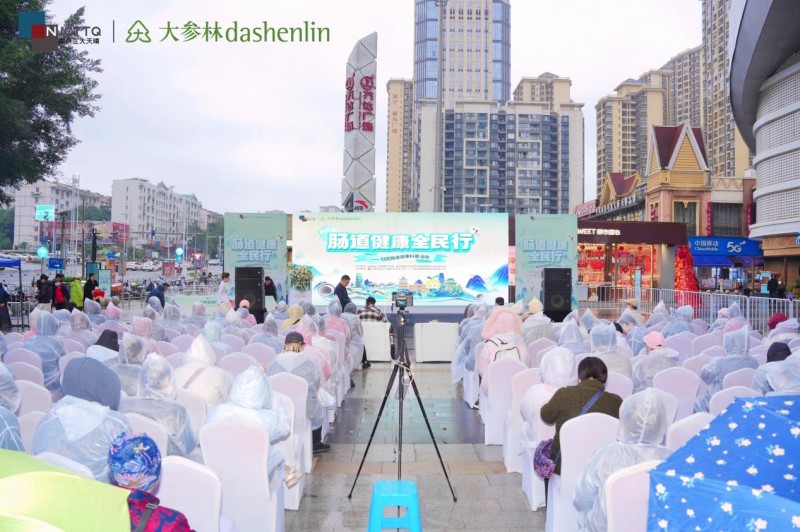
聚多方专业之力,筑社区健康之基,“肠道健康全民行”公益科普活动落地南宁
Sou Hu Wang· 2026-01-23 05:16
Group 1 - The core issue of gut health is highlighted as a crucial foundation for overall health and reducing the risk of chronic diseases, with a significant prevalence of chronic constipation in adults in China, particularly among the elderly [1] - The prevalence of chronic constipation among adults in China is approximately 4%-6%, increasing significantly with age, reaching up to 22% in individuals over 60 years old [1] Group 2 - A public welfare science popularization event focused on gut health was launched in Nanning on January 21, 2026, aiming to promote the "prevention first" concept in response to the "Healthy China" strategy [3] - The event attracted hundreds of community residents despite inclement weather, demonstrating strong community engagement [3] Group 3 - The event was co-hosted by Family Doctor Online and the Chinese Medicine Culture Research Association, with support from local pharmacy and pharmaceutical companies, aiming to enhance health awareness and provide quality health resources [3][5] - The general manager of Dacare Pharmacy emphasized the company's commitment to community health and the importance of integrating professional medical resources into residents' daily lives [5] Group 4 - The national KA director of Nanjing Zhengda Tianqing Pharmaceutical Company highlighted the importance of proactive health management as a corporate social responsibility, aiming to make health knowledge accessible to residents [7] - The event's launch symbolizes a collaborative effort to improve community health literacy and build healthier communities [9] Group 5 - A medical expert conducted a lecture on common gut issues, emphasizing the importance of balanced diet and regular exercise for maintaining gut health, with an interactive Q&A session that engaged community residents [11][13] - The event's representatives discussed the long-term significance of the initiative, focusing on community health promotion and transforming health knowledge into actionable steps for residents [15] Group 6 - The successful launch of the Nanning event marks the further advancement of the nationwide "Gut Health for All" public welfare initiative, which has previously been held in multiple provinces and cities [16] - Nanjing Zhengda Tianqing plans to continue collaborating with partners to expand the initiative to more cities, aiming to spread scientific health knowledge to broader communities [16]