全球贸易规则

Search documents
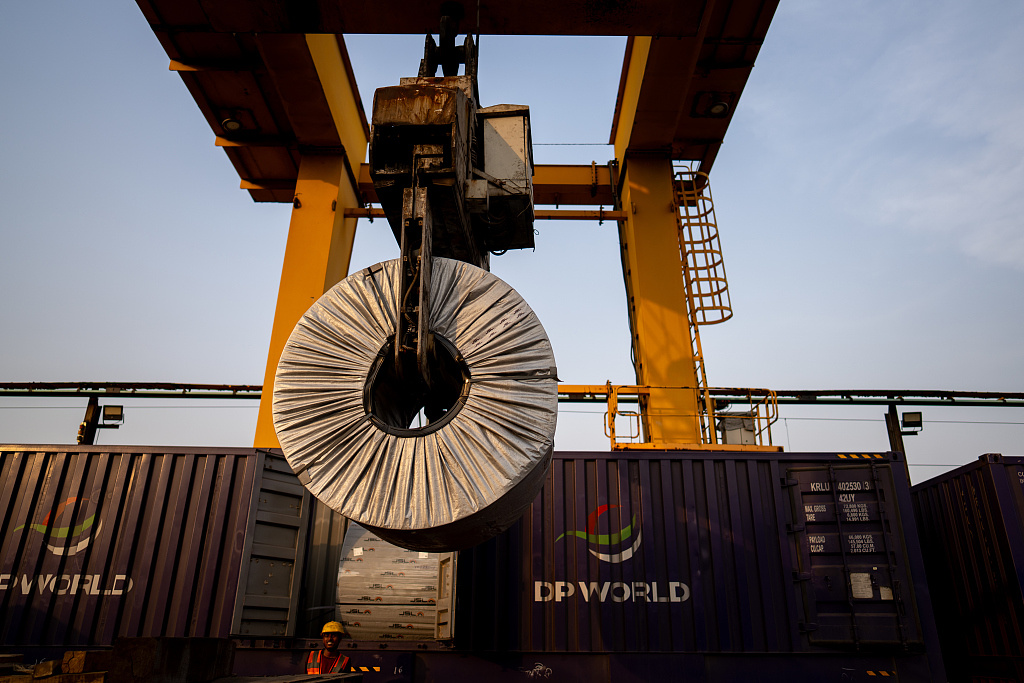
美欧达成新贸易协议释放了哪些信号?
Yang Shi Xin Wen· 2025-07-28 10:59
Group 1 - The new trade agreement between the US and EU indicates a limitation on the EU's trade policy autonomy, suggesting that it may lead to economic concessions that could negatively impact local employment and industry development in Europe [1] - The agreement is expected to increase global trade costs, affecting the speed of global economic growth, and undermining the authority and effectiveness of the WTO, potentially leading to a fragmented global trade environment [2] - The essence of the agreement is that the EU is making economic concessions in exchange for strategic breathing space, which may expose its passive position in the US-EU dynamics, while high tariffs and industrial subsidies could become the new norm, leading to long-term cost increases [3] Group 2 - The agreement may reshape the global energy market by impacting traditional energy exporters like Russia, Qatar, and Australia, indicating a shift in market shares [3] - In the technology sector, the EU's investment commitments in the semiconductor field may create competitive dynamics with the US, altering the landscape of competition and cooperation [3]
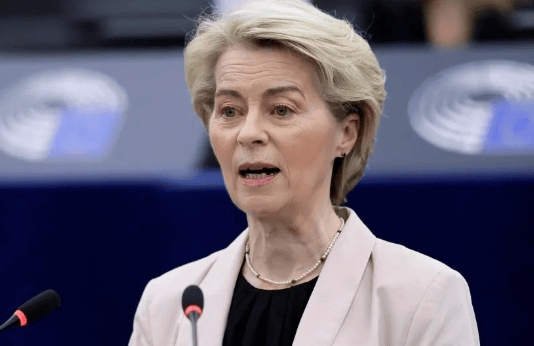
冯德莱恩对华表态后!欧盟态度变了,千亿关税砸向美国,这一次的反击不会妥协
Sou Hu Cai Jing· 2025-07-28 04:43
Group 1 - The European Union (EU) has passed a €93 billion counter-tariff list against the US, indicating a significant escalation in trade tensions [1][8] - The counter-tariff list includes products like bourbon whiskey and Harley-Davidson motorcycles, targeting key political bases of President Trump [3] - The EU's response is a result of a breakdown in trust with the US, as previous cooperation did not yield the expected benefits [3][6] Group 2 - Germany's shift to a more hardline stance against the US is notable, contrasting its previous moderate position [3] - The EU's strong response reflects a broader geopolitical strategy, aiming to assert its influence in global trade rules [6][8] - The upcoming deadlines for negotiations (August 1 and August 7) could lead to a historic turning point in US-EU trade relations [8] Group 3 - The EU's economic recovery provides it with leverage in negotiations, but risks remain for key industries like automotive and aerospace [6] - The trade dispute signifies a profound change in transatlantic relations, with the EU employing unprecedented measures against the US [6][8] - The EU's approach to China may create new opportunities for cooperation, despite its ongoing reliance on NATO for security [6][4]

我们恨他,首个被美国关税逼入“绝境”的国家出现了!特朗普还不反省么
Sou Hu Cai Jing· 2025-07-18 23:22
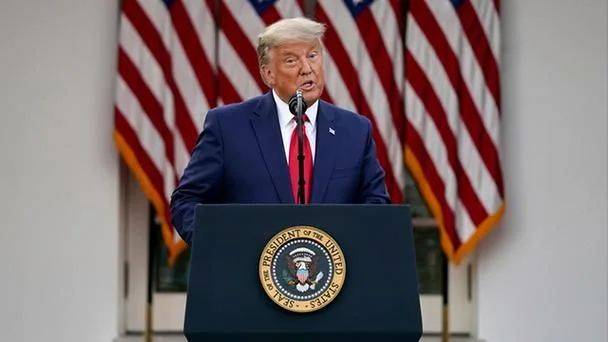
Core Points - The imposition of a 50% "reciprocal tariff" by the Trump administration has led to an unprecedented economic disaster in Lesotho, a small landlocked country in Africa, which heavily relies on the U.S. for its textile exports [1][3] - Lesotho's economy is significantly impacted as 90% of its exports depend on the textile industry, which has been supported by the African Growth and Opportunity Act (AGOA) allowing duty-free access to over 7,000 products [1][3] - The immediate effects of the tariff have resulted in over 7,000 job losses in the textile sector within a month, threatening the industry that contributes approximately 10% to the country's GDP [3][5] Economic Impact - The textile industry in Lesotho has created around 40,000 jobs, accounting for 90% of the country's export manufacturing jobs, making it a critical sector for the nation's economy [1][3] - The unemployment crisis has led to a 35% food shortage rate in the capital, Maseru, and rising maize meal prices, exacerbating the humanitarian situation [3][5] - The Lesotho government has allocated 3% of its departmental budget (approximately $22.2 million) to an emergency fund aimed at creating 60,000 new jobs through construction and agricultural projects over two years [3][6] International Response - The international community has criticized the U.S. for its actions, with the United Nations Trade and Development Conference stating that the U.S. is destroying the most vulnerable economies [6] - South Africa has pledged 20 million rand (about $1 million) in emergency aid, while China is providing humanitarian assistance worth 10 million yuan [6] - The situation in Lesotho highlights the vulnerability of small nations in the global trade system, as they often become collateral damage in the geopolitical strategies of larger countries [6][8] Future Outlook - The Lesotho government is seeking concessions from the U.S. while also exploring other African markets and support under AGOA [8] - The challenges faced by Lesotho serve as a reminder of the far-reaching impacts of economic policies in a globalized world, emphasizing the need for larger nations to consider the consequences of their trade rules on smaller countries [8]
中美线下经贸磋商前,欧盟提出新方案,中国想要的,欧洲已经松口
Sou Hu Cai Jing· 2025-06-12 03:16
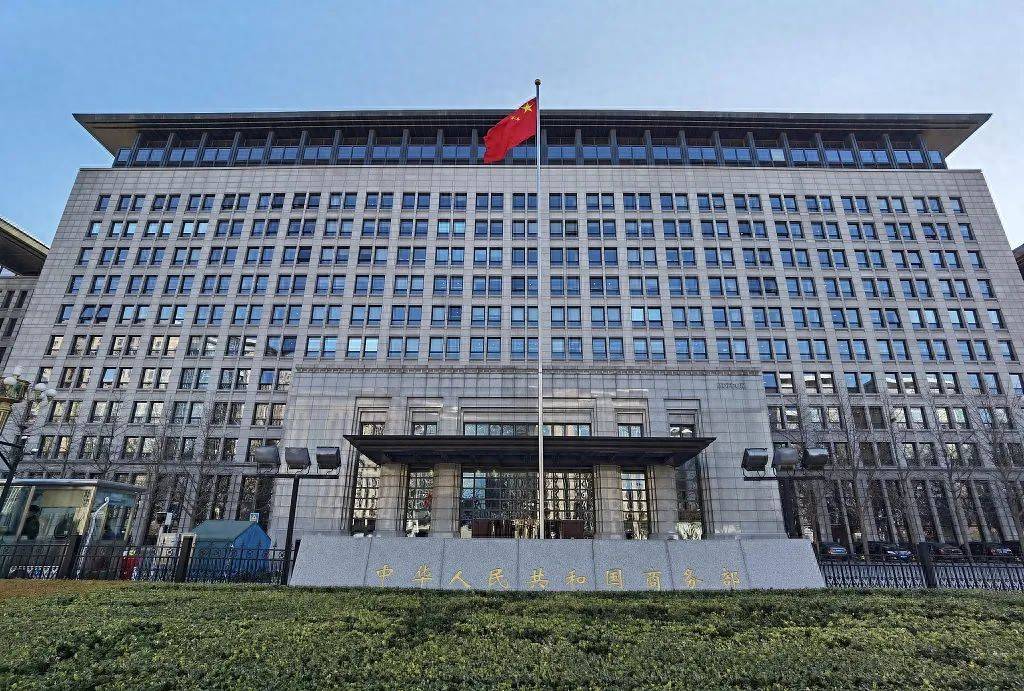
Group 1 - Key Point 1: Significant progress has been made in trade disputes between China and Europe regarding electric vehicles, brandy anti-dumping, and rare earth export controls [1][3] - Key Point 2: The EU has proposed exploring new technological pathways to resolve the electric vehicle subsidy investigation, which could lead to a fairer competitive environment for Chinese car manufacturers in Europe [1][3] - Key Point 3: China's commitment to streamline the approval process for eligible EU companies in the rare earth sector reflects a strategic move to enhance cooperation [3] Group 2 - Key Point 1: The recent agreements between China and the EU may strengthen China's negotiating position in upcoming US-China trade talks, particularly concerning rare earth measures and strategic industry tariffs [5] - Key Point 2: The International Monetary Fund (IMF) suggests that a compromise among China, the US, and the EU could boost global GDP growth by 0.5 percentage points by 2025 [5] - Key Point 3: The evolving dynamics of global trade indicate a shift from a unipolar to a multipolar framework, with all parties learning to navigate the new landscape [7]
面对美国关税,印度突然提“反制”:拟对部分美商品加征报复性关税
Huan Qiu Shi Bao· 2025-05-14 22:50
Group 1 - India proposed retaliatory tariffs on certain US goods in response to the 25% tariffs imposed by the US on Indian steel and aluminum products, aiming to balance the economic losses caused by US measures [1] - The US tariffs have affected approximately $7.6 billion worth of Indian exports to the US, prompting India to consider suspending certain tariff benefits and increasing import tax rates on specific US products [1] - India's action at the WTO marks a shift towards a more assertive stance in global trade, reflecting a willingness to protect its economic interests within the framework of global trade rules [3] Group 2 - The recent developments in US-China trade negotiations, including significant tariff reductions, have created a complex backdrop for India's trade relations with the US, potentially influencing future tariff discussions [4] - India's previous conciliatory approach towards the US, including lowering import tariffs on around 8,500 industrial goods, has shifted as it now seeks to assert its rights in the face of US trade policies [3]