全球经济

Search documents
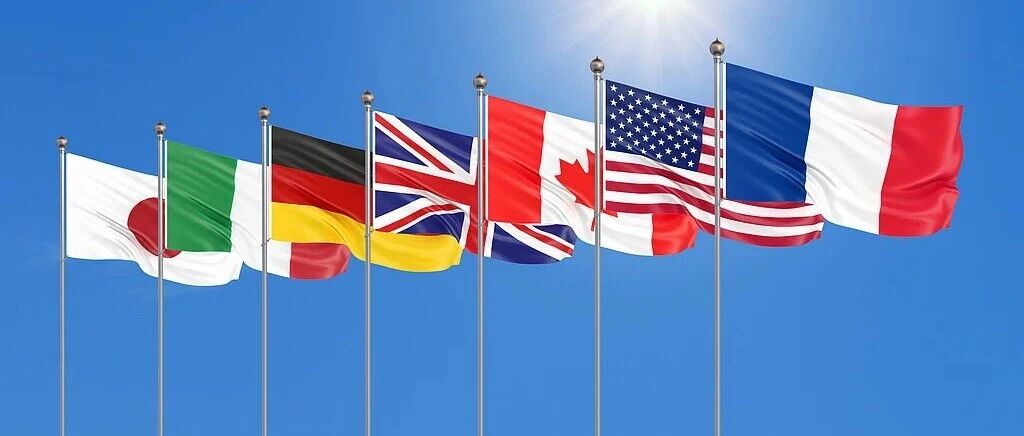
事关中东战争,G7成员国发出警告
财联社· 2026-03-26 13:09
Core Viewpoint - The G7 European member states have warned that the war between the US and Israel against Iran is having a "catastrophic impact" on the global economy [1] Group 1: Economic Impact - The conflict has led to a significant increase in international energy prices since the military actions began in late February [4] - Approximately 30% to 40% of refining capacity in the Gulf region has been damaged or destroyed, with about 17% of natural gas production capacity also affected, leading to a recovery period of several years [6] - The closure of the Strait of Hormuz by Iran has severely restricted global energy supplies, marking a "critical moment" according to EU leaders [5] Group 2: Diplomatic Efforts - European leaders are expected to urge the US to seek a de-escalation path with Iran during the upcoming G7 meeting [2] - The G7 meeting will include representatives from the EU and guest representatives from countries such as Saudi Arabia, Brazil, India, South Korea, and Ukraine, indicating a broader international concern [7] Group 3: Military Developments - The US is reportedly increasing its military presence in the Middle East, with thousands of soldiers being deployed for potential further military actions [9] - There are indications that the US Defense Department is developing a "final strike" military option against Iran, which may involve ground troops and large-scale airstrikes [9][10]

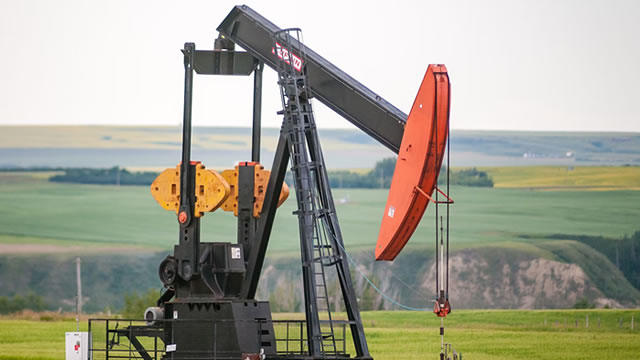
Emerging Markets Have Become a Fixed-Income Darling. The War in Iran Could Change That.
Barrons· 2026-03-09 08:00
Core Viewpoint - The continuation of the bull run in emerging markets is contingent upon the impact of rising oil prices on the global economy [1] Group 1 - The rise in oil prices poses a potential threat to the global economy, which could influence investor sentiment in emerging markets [1]

The global economy is facing untold damages even if the Iran war ends tomorrow, warns this energy expert
MarketWatch· 2026-03-03 11:55
Core Viewpoint - Investors are underestimating the significant repercussions of the U.S. and Israel's military actions against Iran, according to an energy expert [1] Group 1: Impact on Energy Sector - The military actions could lead to substantial disruptions in global oil supply, potentially causing prices to spike [1] - Analysts suggest that the geopolitical tensions may result in increased volatility in energy markets, affecting both supply chains and pricing strategies [1] Group 2: Broader Economic Implications - The fallout from these attacks may extend beyond the energy sector, influencing global economic stability and investor confidence [1] - There is a risk of escalating conflicts in the region, which could further complicate international trade and economic relations [1]

外交部:中方敦促维护霍尔木兹海峡航道安全
财联社· 2026-03-03 07:51
Group 1 - The core viewpoint emphasizes the importance of energy security for the global economy and the collective responsibility of all parties to ensure stable and smooth energy supply [2] - The Chinese side urges all parties to immediately cease military actions to avoid escalating tensions and to maintain the safety of the Strait of Hormuz, preventing further impact on the global economy [2]

The whole world is watching this critical energy chokepoint as Iran conflict enters more dangerous phase
MarketWatch· 2026-03-01 18:18
Core Viewpoint - Traffic through the Strait of Hormuz has significantly decreased, raising concerns about potential impacts on the global economy [1] Group 1 - The Iranian Revolutionary Guard has issued warnings that may have contributed to the decline in traffic [1] - The situation in the Strait of Hormuz is critical as it is a vital passage for global oil shipments [1] - A continued drop in traffic could lead to increased oil prices and economic instability worldwide [1]
展望未来,有策略师警告,随着美国中期选举临近以及美联储领导层可能变动的预期
Sou Hu Cai Jing· 2026-02-17 20:44
Core Insights - The upcoming U.S. midterm elections and potential changes in the Federal Reserve leadership are expected to significantly impact both U.S. domestic policies and the global economic landscape [1][2] - The election results will determine the future policy direction of the U.S. government across various sectors, including economic, social, and foreign policies, increasing market uncertainty as the elections approach [1] - Changes in the Federal Reserve leadership could lead to new policy directions that may affect market expectations and cause volatility, particularly during the current global economic recovery [1] Strategic Warnings - Strategists are advising investors to prepare for the upcoming U.S. midterm elections and potential Federal Reserve leadership changes by closely monitoring market dynamics and making rational analyses to avoid impulsive investments [1] - Governments worldwide are encouraged to maintain policy continuity and stability to prevent significant market fluctuations in response to these political changes [1]
世贸组织总干事伊维拉用中文祝贺马年新春
Xin Hua She· 2026-02-17 05:04
Group 1 - The core message from the Director-General of the World Trade Organization (WTO), Iweala, emphasizes the importance of resilience, vitality, and progress in global trade, particularly in the context of the Year of the Horse [1] - Iweala highlights the remarkable resilience of world trade over the past year, reaffirming the value of an open, stable, and predictable trade environment based on a multilateral trading system [1] - There is a call for significant reforms within the WTO to adapt to the changing global economy, indicating a need for modernization and responsiveness to new challenges [1] Group 2 - Iweala expresses gratitude for China's strong support of the WTO and anticipates that China's reforms will provide support for the reform of the multilateral trading system [2]
世界坐标看中国经济增长分量
Xin Hua She· 2026-02-06 12:53
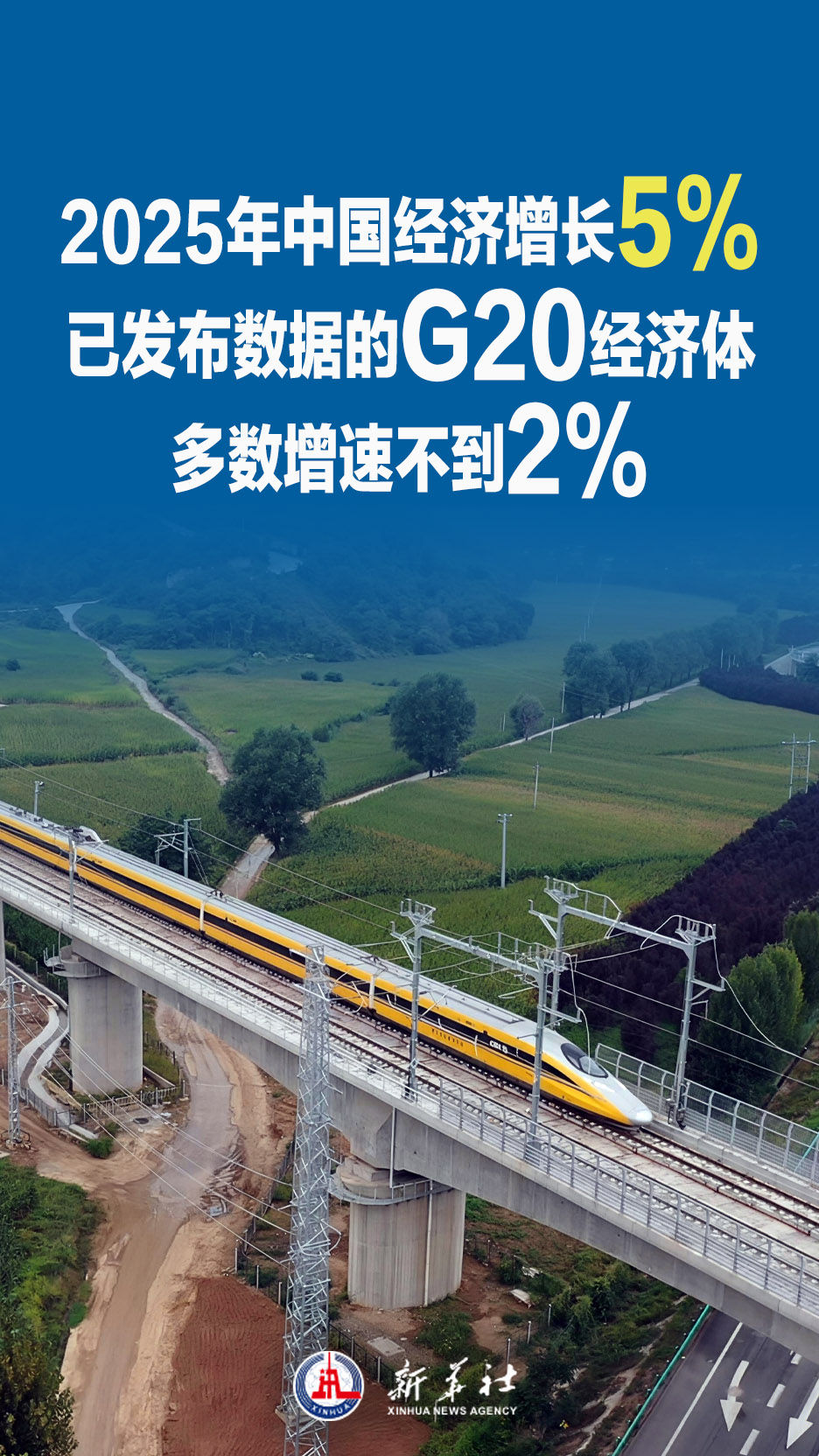
Group 1 - The core viewpoint highlights the differentiated recovery momentum and varying growth rhythms of the global economy, with China's economic performance being particularly significant in terms of growth rate, increment, and total volume [1] Group 2 - In terms of growth rate, China's GDP is projected to grow by 5% in 2025, contrasting sharply with most G20 economies, where growth rates are below 2%, and some like Germany, France, and Italy are below 1% [3] - The economic increment for China in 2025 is equivalent to the total economic output of Belgium, showcasing the substantial annual growth for an already large economy [6] Group 3 - By 2025, China's total economic output is expected to surpass 140 trillion yuan, which is equivalent to the combined GDP of Germany, Japan, India, the UK, and Italy, reinforcing China's capacity to withstand risks and maintain long-term growth [9] Group 4 - In 2025, the provinces of Shandong, Guangdong, and Jiangsu are projected to each exceed a GDP of 10 trillion yuan, comparable to the total economic output of Saudi Arabia, reflecting the robust economic strength at the provincial level in China [11] Group 5 - Beijing and Shanghai are expected to each surpass a GDP of 5 trillion yuan in 2025, equivalent to Argentina's economic output, highlighting the urbanization and industrial concentration in China [16] Group 6 - By 2025, there will be 29 "trillion-yuan cities" in China, each comparable to Kenya's economic output, demonstrating the vibrant and solid economic structure of Chinese cities and regions [18] - The data comparisons from growth rate to increment, and total volume to provincial and municipal levels, underline the deep support from a large-scale market, a complete industrial system, and the potential for innovative development [18]
2026全球经济与市场能“稳”吗?丨两说
第一财经· 2026-02-05 06:47
Group 1: Global Economic Outlook - The global economy is entering a new phase influenced by geopolitical factors, policy shifts, and technological advancements, with a focus on the potential changes in 2026 [1] - The actual tariff rates imposed by the US are lower than previously expected, with estimates around 13% compared to the announced 25% [5] - Global trade is expected to exceed $35 trillion in 2025, reflecting a 7% year-on-year growth, indicating resilience despite tariff impacts [9] Group 2: US Market Dynamics - The "American exceptionalism" narrative is losing its prominence as competitor markets are performing better than the US, suggesting a fundamental shift in market sentiment [11] - The risks associated with the Trump administration's policies and the independence of the Federal Reserve are highlighted as significant concerns for 2026 [13] - If risks do not materialize, global stock markets could see increases of 10% in the US, 8% in Europe, and 7% in emerging markets in 2026 [15] Group 3: AI Industry Insights - The focus in the AI sector is shifting towards the realization of practical applications rather than just market valuations of tech giants [16] - Only 17% of surveyed companies have scaled AI deployments effectively, with just 5% focusing on generative AI, indicating that the industry is still in its early stages [17] - Current tech stock valuations are more rational compared to the late 1990s internet bubble, suggesting that there is still a development window for AI [19] Group 4: China's Economic Prospects - There is an optimistic outlook for China's economy in 2026, driven by gradual improvements in the real estate sector and strong export competitiveness [20] - Investor confidence in China's development has significantly increased post-2024, continuing into 2025 [21]

【今晚播出】关税热度表面“降温”,2026全球经济与市场能“稳”吗? | 两说
第一财经· 2026-02-04 03:42
Core Insights - The global economy is entering a new phase influenced by geopolitical factors, policy shifts, and technological advancements [1] - The performance of the global economy in 2025 is under scrutiny due to tariff impacts, while expectations for stability in 2026 are being evaluated amidst a cooling of tariff tensions [1] - Key variables in the global market are emerging from ongoing geopolitical conflicts and rapid advancements in AI technology [1] Summary by Sections - **Global Economic Performance**: The article discusses the overall performance of the global economy in 2025, particularly in light of tariff impacts and the potential for a more stable economic outlook in 2026 as tariff tensions appear to ease [1] - **Geopolitical and Technological Influences**: It highlights the underlying geopolitical conflicts and the rapid progress in AI as critical factors that could influence market dynamics moving forward [1]