
公司控制权争夺

Search documents
盟科药业10亿元定增方案告吹,曾引爆控制权争夺
Mei Ri Jing Ji Xin Wen· 2025-11-24 12:44
Core Viewpoint - The capital operation of Mengke Pharmaceutical, known as the "first stock of antibiotics," has ended with the termination of its planned private placement of 1.033 billion yuan due to strong opposition from its major shareholder Genie Pharma, leading to significant internal conflicts within the company [1][2][8]. Group 1: Termination of Private Placement - Mengke Pharmaceutical announced the termination of its private placement plan after significant disagreements with its major shareholder Genie Pharma, which opposed the execution of the plan [1][8]. - The company cited that continuing with the stock issuance could negatively impact its stable operational development [1][8]. - Following the termination, Mengke Pharmaceutical plans to explore various financing channels, including engaging new strategic investors and issuing shares to unspecified parties [1]. Group 2: Financial Performance and Background - Mengke Pharmaceutical has been facing financial difficulties, with net losses of 220 million yuan, 421 million yuan, and 441 million yuan from 2022 to 2024, and a net loss of approximately 194 million yuan in the first three quarters of this year [2][3]. - As of June 30, the company had cash and cash equivalents of only 237 million yuan, prompting a shift in the use of IPO funds to supplement working capital [3]. Group 3: Shareholder Dynamics - Genie Pharma, the largest shareholder, has been vocal in its opposition to the private placement, raising concerns about the potential loss of the company's independence and the financial implications of the deal [6][7]. - The proposed private placement would have allowed Haiqing Pharmaceutical to become the controlling shareholder, which raised alarms for Genie Pharma regarding control over the board and company operations [7][8]. - The internal conflict escalated to a point where Genie Pharma sought to replace existing board members, indicating a struggle for control within the company [7].

创始人起诉夺权!“初代大卖”有棵树再陷人事风波
Nan Fang Du Shi Bao· 2025-11-24 02:13
Core Viewpoint - The company "Youkeshu" is currently embroiled in a power struggle, marked by a series of management changes and legal disputes initiated by its founder, Xiao Siqing, against the decisions made during a recent extraordinary shareholders' meeting [2][6][10]. Group 1: Management Changes and Legal Disputes - The internal conflict escalated after the October 2025 extraordinary shareholders' meeting, which resulted in the complete turnover of the management team [2][6]. - Xiao Siqing has filed a lawsuit to annul the resolutions from the October 10, 2025 meeting, claiming procedural flaws, including undisclosed judicial freezes on the largest shareholder's shares [6][7]. - The company has responded by asserting that the shareholders' meeting was conducted legally and that the current governance structure remains unaffected, although the impact on profits is still uncertain [2][7]. Group 2: Historical Context and Shareholder Dynamics - The turmoil stems from a shift in the company's equity structure following its bankruptcy restructuring in September 2024, which led to the dilution of Xiao Siqing's shares to 3.28% while the new major shareholder, Wang Wei, acquired 18% [8][10]. - The power struggle intensified as Wang Wei attempted to convene shareholder meetings to gain control, which were initially blocked by the existing board led by Xiao Siqing [8][9]. Group 3: Financial Performance and Future Outlook - The company has faced significant financial challenges, with a reported revenue drop of 81.33% in the first half of 2025 compared to the previous year, despite a slight profit turnaround [11][12]. - The ongoing internal conflict and management changes have raised concerns about operational stability, asset management, and the company's ability to recover in a competitive market [10][12]. - Industry analysts suggest that the capital influx intended for expansion has led to governance issues, making it crucial for the new management to restore market share and operational efficiency [12].


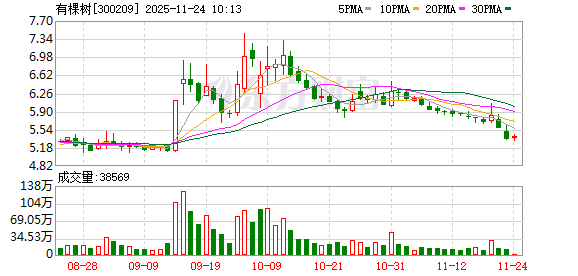
突发!科兴生物收到纳斯达克退市函
Xin Lang Cai Jing· 2025-11-19 11:21
Core Viewpoint - The company, Sinovac Biotech Ltd., is facing delisting from NASDAQ due to failure to submit its 2024 annual report on time, following the resignation of its auditing firm [2][6]. Group 1: Delisting and Financial Reporting Issues - Sinovac received a delisting notice from NASDAQ on November 12, 2025, and must request a hearing by November 19 to avoid suspension of its securities on November 21 [1][2]. - The company failed to submit its 2024 annual report by the extended deadline of November 11, 2025, after its auditor Grant Thornton resigned on April 15, 2025 [2][10]. - The company has hired a new auditing firm, UHY LLP, and plans to appeal the delisting decision [2][10]. Group 2: Historical Context and Governance Issues - Sinovac's stock has been suspended since February 22, 2019, due to "chaotic corporate governance" [3][6]. - The governance issues trace back to a significant disagreement between the company's founders in 2016, leading to a prolonged power struggle that included various disruptive actions [5][6]. - The internal conflict has resulted in operational disruptions, including a power cut in 2018 that led to the destruction of vaccines worth 15.4 million yuan [5][6]. Group 3: Financial Performance and Business Developments - In 2021, Sinovac achieved a record revenue of $19.375 billion and a net profit of $8.467 billion, significantly higher than the total profit of the previous six years [6][7]. - However, the company's revenue plummeted to $448 million in 2023, a decline of 97.7% as global demand for COVID-19 vaccines decreased [7][9]. - Despite the financial downturn, the company has made some progress in its vaccine business, including approvals for flu vaccines and a polio vaccine [9][10]. Group 4: Dividend Controversy and Shareholder Impact - In June 2025, Sinovac announced a substantial dividend of $55 per share, totaling over $7.5 billion, which was perceived as a "liquidation-style dividend" amid declining business performance [8][9]. - Major shareholders have benefited from significant dividends, while small shareholders have been unable to trade their shares due to the prolonged suspension [9][10]. Group 5: Future Plans and Market Strategy - The company is pursuing a secondary listing on the Hong Kong Stock Exchange to restore liquidity and address shareholder losses [10]. - The board approved plans for an H-share issuance, aiming to raise funds for drug development and operational needs, with the application submitted to the Hong Kong Stock Exchange on November 6, 2025 [10].
内斗进入“抢公章”环节!A股公司新旧老板各执一词:官微称公章被伪造,新董事会宣布启用新印章
Mei Ri Jing Ji Xin Wen· 2025-11-13 08:46
Core Points - The control dispute over ST Lutong (300555.SZ) has escalated to a "seal contention" following a heated extraordinary shareholders' meeting [1][6] - The company announced that certain shareholders unlawfully convened a so-called extraordinary shareholders' meeting, which the company claims is invalid [1][7] - A statement was issued claiming that the company's official seal was forged, which could have been used for signing contracts and other fraudulent activities [2][3] Group 1: Control Dispute - The company has declared that any documents signed with the forged seal are invalid and that it will not recognize any actions taken based on these documents [3][4] - The company has completed the process of changing its legal representative to Tan Wenshu and has obtained a new business license [6][8] - The previous board members, including former chairman Qiu Jingwei, were dismissed during the extraordinary shareholders' meeting, and Tan Wenshu was appointed as a non-independent director and subsequently as chairman [6][8] Group 2: Shareholders' Meeting - The company emphasized that all major matters are to be disclosed according to the announcements made [7][8] - The extraordinary shareholders' meeting held on November 7 was contested, with claims that the meeting was improperly continued after the chairman left [7][8] - The new board is moving to stabilize the company's operations and has decided to withdraw lawsuits initiated by the previous board against shareholders [8]


股东会激烈冲突后,公司发文:“强烈谴责”个别股东非法开会
Di Yi Cai Jing Zi Xun· 2025-11-10 15:38
Core Viewpoint - The control struggle at ST Luton (300555.SZ) intensified during the shareholders' meeting on November 7, where the original chairman was dismissed after a heated debate among shareholders, leading to a reorganization of the board and management [2][3][6]. Group 1: Shareholder Meeting Events - The original chairman, Qiu Jingwei, announced the postponement of the shareholders' meeting, which was met with strong opposition from shareholders, including Wu Shichun [2][4]. - After a chaotic debate, shareholders led by Wu Shichun successfully reconvened the meeting, resulting in the dismissal of Qiu Jingwei and the appointment of Tan Wenshu as the new chairman [2][6]. - The meeting addressed 12 proposals, of which only 3 were approved, including the removal of Qiu Jingwei and the appointment of Tan Wenshu as a non-independent director [6][7]. Group 2: Background of the Control Struggle - The conflict originated in March when Wu Shichun acquired 7.44% of ST Luton’s shares through a judicial auction, becoming the largest shareholder [3][9]. - Disagreements arose over whether the agreement for Wu's acquisition of shares had been terminated, leading to multiple failed attempts to reorganize the board [3][9]. - The original management accused Wu Shichun of attempting to gain control of the company without proper legal compliance regarding the source of funds and the legitimacy of the share transfer agreements [9][10]. Group 3: Management Changes and Implications - Following the shareholders' meeting, the new board held an emergency meeting to elect Tan Wenshu as chairman and made significant changes to the management team, including the dismissal of three executives [6][7]. - The company faced scrutiny from the Jiangsu Securities Regulatory Bureau for non-compliance in financial management, which contributed to the management changes [7][8]. - The original management issued a statement rejecting the legitimacy of the shareholders' meeting led by Wu Shichun, claiming procedural violations [8][12]. Group 4: Future Outlook - The outcome of the recent shareholders' meeting may signal a turning point in the ongoing control struggle, but the situation remains fluid as both sides continue to assert their claims [12][13]. - The legitimacy of the agreements related to share transfers and voting rights remains a contentious issue that could impact future governance and control of ST Luton [10][11].
ST路通信息披露上演“对台戏” 吴世春能否顺利掌控董事会?
Xin Lang Cai Jing· 2025-11-10 09:33
Core Viewpoint - The control struggle over ST Luton (300555.SZ) appears to be intensifying, with conflicting statements regarding the legality of a recent shareholders' meeting, reflecting a deepening divide between old and new shareholders [1][3][4]. Shareholder Meeting Legitimacy Dispute - The company issued a clarification announcement asserting that the resolutions from the shareholders' meeting held on November 7 are legal and valid, following a notification on October 22 [2]. - During the meeting, the former chairman unexpectedly left, prompting shareholders to elect an independent director to continue the meeting, which was later deemed compliant with legal regulations [2]. - Contrarily, the company's official WeChat account published a statement condemning the meeting as illegal, highlighting the internal conflict and governance issues [3]. Control Struggle Escalation - The control battle has evolved from a series of changes in the shareholding structure, with the current focus on the reorganization of the board and the rightful control of the company [5]. - The actual controller remains Lin Zhu, despite significant changes in shareholding due to judicial auctions, which saw investor Wu Shichun become the largest shareholder [5][6]. - Wu Shichun's attempts to reorganize the board faced strong resistance from the previous board, leading to public disputes and governance challenges [6]. Governance Challenges and Operational Issues - ST Luton is facing severe operational and governance challenges, with financial data indicating continuous losses, including a 26.68% decline in revenue year-on-year for the first three quarters of 2025 [7]. - The company reported a cash outflow of 11.71 million and a high proportion of accounts receivable, indicating potential issues in cash recovery and operational efficiency [7]. - Historical issues of fund occupation by the former controlling shareholder remain unresolved, contributing to the company's financial difficulties [7][8]. Management Changes and Internal Disputes - Following the shareholders' meeting, a new management team was appointed, with Wu Shichun's nominee, Tan Wenshu, becoming the new chairman [9]. - The appointment of Yu Tao as the new general manager has raised concerns regarding his qualifications and past performance within the company [9].
司法竞拍前已“悄悄”建仓,徐翔概念股宁波中百股权拍卖有后续
Mei Ri Jing Ji Xin Wen· 2025-11-10 05:27
Core Viewpoint - The news highlights the recent acquisition of shares in Ningbo Zhongbai by Jindi Commercial through judicial auction, raising questions about the future control and stability of the company as the largest shareholder prepares for a share auction [1][2]. Group 1: Share Acquisition Details - Jindi Commercial acquired 18.884 million shares of Ningbo Zhongbai, representing 8.42% of the total share capital, through a judicial auction, increasing its total holdings to 29.5657 million shares or 13.18% [2][3]. - The shares were acquired at a total price of 270 million yuan, translating to approximately 14.3 yuan per share, which is significantly lower than the current market price of 17.48 yuan [3][4]. Group 2: Background of Shareholders - The previous shareholder, Zhu Renbao, was closely related to the Xu Xiang family, and had previously attempted to influence company management [4]. - Jindi Commercial, despite having a registered capital of only 20 million yuan, is controlled by Zhejiang Jindi Real Estate Group, which gained prominence through a significant land auction earlier this year [4]. Group 3: Future Implications - The upcoming auction of the largest shareholder's shares on November 22 will be crucial in determining the future control of Ningbo Zhongbai, with Jindi Commercial's intentions remaining unclear [6][7]. - Jindi Commercial has stated it has no immediate plans to increase its stake but does not rule out the possibility of future buying or selling within the next year [7][8]. Group 4: Company Overview - Ningbo Zhongbai is a major retail company in Ningbo, with over 70 years of history, operating a large department store in the city's commercial center [8].


4年巨亏40亿,创始团队全员出局:昔日跨界电商巨头,还能重生吗
Sou Hu Cai Jing· 2025-11-06 10:54
Core Viewpoint - The company "Kua Shu" has experienced a dramatic decline from being a prominent player in the cross-border e-commerce industry to facing significant financial losses and management upheaval, highlighting the volatility and risks inherent in the e-commerce sector [2][22]. Company Overview - Kua Shu Technology Co., Ltd. was founded in 2010 by Xiao Siqing in Shenzhen, initially capitalizing on the advantages of China's supply chain and overseas platforms [4]. - The company adopted a primitive inventory model, leveraging multiple accounts on platforms like Amazon and eBay to upload a vast number of SKUs, achieving revenue of 233 million yuan in 2014 [4][9]. Growth and Expansion - From September 2014 to January 2017, Kua Shu raised 1.69 billion yuan in several funding rounds, increasing its valuation from 500 million to 3.4 billion yuan [7]. - By 2018, the company had expanded its workforce from under 500 to 2,700 employees, with over 1 million SKUs and operations in more than 200 countries [9]. Peak Performance - In 2020, Kua Shu reported revenue of 5.027 billion yuan and a net profit of 416 million yuan, marking its peak performance [9][12]. - The company emphasized product development speed and a wide variety of offerings, relying on high-volume listings rather than brand strength [9]. Decline and Challenges - In 2021, Kua Shu faced significant setbacks as Amazon began cracking down on violations, resulting in the suspension of 284 stores and a loss of over 100 million yuan in frozen funds [12][14]. - The company's revenue plummeted to 1.764 billion yuan in 2021, a 64.91% decrease year-over-year, with a net loss of 2.676 billion yuan [12][14]. Financial Struggles - Kua Shu's financial situation worsened, with cumulative losses exceeding 4.519 billion yuan over four years, leading to a negative net asset position and a risk of delisting [14][22]. - The company reported revenues of 774 million yuan in 2022 and 464 million yuan in 2023, reflecting declines of 56.11% and 40.01%, respectively [14][22]. Management and Control Issues - In 2024, Kua Shu underwent bankruptcy restructuring, with significant changes in ownership and management, leading to the departure of the founding team [15][21]. - Internal conflicts escalated, resulting in legal disputes and challenges to the board's control, culminating in a new management team taking over in October 2024 [21][22]. Industry Context - The cross-border e-commerce landscape has shifted from a focus on inventory-heavy models to a more refined approach emphasizing quality and adaptability [22]. - The challenges faced by Kua Shu reflect broader industry trends, including increased platform regulations and rising operational costs, necessitating a shift in strategy for survival [22][23].
从反诉对峙到双双撤案,*ST新潮美国子公司控制权尘埃落定?
Mei Ri Jing Ji Xin Wen· 2025-10-13 13:51
Core Viewpoint - The control dispute over *ST Xinchao (600777) may be nearing its conclusion as the company announced the termination of three lawsuits in the U.S. related to its overseas assets, indicating a potential resolution of the management power struggle [1][6]. Summary by Sections Control Dispute - The new controlling shareholder, "Yitai Group," acquired a 50.10% stake in Xinchao Energy by May 2025 and completed a board restructuring in July, but the transfer of power faced delays due to lawsuits initiated by the former management [1][4]. - The lawsuits primarily focused on the control of Xinchao Energy's U.S. subsidiary, which holds 99.99% of the company's assets, making it a critical point of contention [1][8]. Lawsuit Developments - On October 12, Xinchao Energy announced that all three lawsuits in the U.S. had been withdrawn by the plaintiffs, which the company stated would not negatively impact its financial performance [3][5]. - The lawsuits began in early August 2025, initiated by former directors who were dismissed from their positions in the U.S. subsidiary, and concluded with the withdrawal of all claims by October 9, 2025 [4][6]. Board Changes - On the same day the lawsuits were withdrawn, the new board of directors convened and unanimously approved the replacement of directors in the U.S. subsidiary, ensuring a smooth transition of control [7][8]. - The rapid board changes contrast sharply with the previous management's lack of cooperation during the transition period, highlighting a significant shift in governance [7][9]. Future Outlook - Despite the resolution of the control dispute, Xinchao Energy faces ongoing challenges, including a risk of delisting due to an audit report for the 2024 fiscal year that was deemed unable to express an opinion [8][9]. - The new management is focused on improving internal governance and addressing issues raised in prior audit reports to enhance the quality of financial reporting [9].

*ST新潮逆势涨停 控制权之争迎新进展
Zheng Quan Shi Bao Wang· 2025-10-13 10:56
Core Viewpoint - The stock price of *ST Xinchao (600777) surged to its limit on October 13, following the announcement of the termination of three lawsuits related to the company's control disputes, indicating a potential resolution in the ongoing power struggle [1][4]. Group 1: Lawsuit Termination - Three lawsuits involving *ST Xinchao have been terminated after the plaintiffs withdrew their cases, which were related to management changes and control disputes over overseas subsidiaries [2][3]. - The first lawsuit was filed in Texas on June 30, 2025, and was aimed at protecting the company's assets in the U.S. The case was terminated on October 9, 2025, after the plaintiff withdrew [2]. - The second lawsuit, filed in Delaware on August 4, 2025, was considered critical as it involved the qualifications of directors for key U.S. subsidiaries. This case also ended on October 9, 2025, with both parties withdrawing their claims [2][3]. - The third lawsuit was filed in Nevada on August 8, 2025, and was similarly terminated on October 9, 2025, after the plaintiff withdrew [2]. Group 2: Management and Control Changes - Following the termination of the lawsuits, *ST Xinchao held a board meeting on October 9, 2025, where the new directors for U.S. subsidiaries were appointed, marking a significant step in the management transition [4]. - The company has undergone a management overhaul after becoming controlled by Yitai B shares, which acquired a 50.10% stake in late May 2025, leading to a reorganization of the board [3][4]. - The previous board members, including Liu Ke, Liu Bin, and Li Ming, were removed and subsequently initiated lawsuits in three U.S. states, extending the control dispute into the legal arena [3]. Group 3: Financial Performance - As of the first half of 2025, *ST Xinchao reported a revenue of 3.973 billion yuan, a year-on-year decrease of 8.85%, and a net profit attributable to shareholders of 959 million yuan, down 18.22% year-on-year [4]. - The company is currently under a delisting risk warning due to an audit report that expressed an inability to provide an opinion on its financial statements and internal controls [4]. Group 4: Market Performance - As of October 13, 2025, *ST Xinchao's stock price was 4.1 yuan per share, reflecting a year-to-date increase of 84.68%, with a total market capitalization of 27.88 billion yuan [5].