
养老服务改革

Search documents
“十五五”时期: 如何推进中国特色养老服务体系成熟定型
Jin Rong Shi Bao· 2025-12-15 03:33
Core Viewpoint - The aging population in China is accelerating, and the pension service sector is evolving beyond traditional welfare to play a dual role in ensuring social welfare and fostering new economic growth [1] Top-Level Logic - The pension service reform in China has entered a new stage characterized by systematic integration and high efficiency, with over 80 policy documents issued since 2020 [2] - Six core logics have been identified in the current policy design: 1. Universal fairness, emphasizing affordable and quality services for all, particularly vulnerable groups [2] 2. System integration, creating a unified service network that combines home, community, and institutional care [3] 3. Digital empowerment, utilizing technology to enhance service supply and management [3] 4. Grassroots restructuring, focusing on community-based services and regional centers [4] 5. Collaborative governance, involving multiple stakeholders in service provision [4] 6. Safety regulation, strengthening oversight to mitigate risks in the rapidly developing market [4] Reform Practices - Current reform practices exhibit four prominent features: 1. A dual focus on problem-solving and demand-driven initiatives, addressing urgent needs of the elderly [6] 2. Pilot demonstrations and gradual implementation to accumulate experience before broader application [7] 3. Activating existing resources while expanding new ones through government investment and innovative financial tools [7] 4. Combining policy support with market mechanisms to ensure fair competition and service innovation [7] Development Trends - The "15th Five-Year Plan" is expected to bring six strategic transformations in the pension service sector: 1. Transitioning from focusing on key groups to ensuring basic services for all elderly [8] 2. Shifting from supply-side support to demand-side subsidies for elderly individuals [8] 3. Moving from merely providing care to enabling active participation of the elderly in society [8] 4. Emphasizing precision and detail in service delivery amid economic pressures [9] 5. Advancing from information technology to intelligent solutions in service provision [10] 6. Expanding the focus from pension services to the broader silver economy [11] Future Measures - To address challenges and ensure successful implementation of reforms during the "15th Five-Year Plan," five key areas of focus are recommended: 1. Strengthening organizational leadership to integrate pension service construction into broader socio-economic planning [13] 2. Enhancing policy communication and training to ensure effective implementation at all levels [14] 3. Establishing a robust evaluation system for dynamic policy adjustments based on feedback [15] 4. Promoting regional collaboration to address disparities in aging development across regions [15] 5. Deepening the development of the silver economy and fostering new business models in pension services [16]
山东政商要情(12.8—12.14)
Jing Ji Guan Cha Bao· 2025-12-14 11:49
Group 1: Housing Policy in Shandong - Shandong Province has introduced a new policy to support housing "old for new" exchanges, aiming to stabilize the real estate market and activate housing consumption potential [1] - The policy framework includes 15 specific measures, enhancing the efficiency of housing exchanges through three models: "selling old for new," "collecting old for new," and "demolishing old for new" [1] - The initiative is expected to shorten transaction cycles and alleviate financial pressures for homebuyers, promoting healthy housing consumption [1] Group 2: Artificial Intelligence Development - The Shandong Provincial Government has released an action plan targeting the high-quality development of the artificial intelligence industry, with a goal to exceed 200 billion yuan in core industry scale by 2027, achieving an annual growth rate of over 30% [2] - The plan focuses on key areas such as big data, intelligent hardware, and services, implementing five major actions to build a comprehensive AI industry ecosystem [2] - This policy aims to complete the top-level design for Shandong's AI industry, facilitating the formation of a full-chain AI industry from computing power to applications [2] Group 3: Investment Attraction Measures - Shandong Province has launched a "combination punch" strategy for investment attraction, introducing an encouragement list and a service coordination mechanism to enhance the investment environment [3] - The encouragement list includes ten specific measures focusing on differentiated competition and industry chain investment, while the coordination mechanism aims to streamline project implementation [3] - Together, these initiatives create a modern investment attraction system covering the entire process from attraction to service and implementation [3] Group 4: Elderly Care Reform - The Shandong Provincial Government has issued an implementation opinion to deepen the reform and development of elderly care services, proposing 15 reform measures [5] - By 2029, the goal is to establish a tiered, inclusive, and sustainable elderly care service network, with a target of 65% of institutions being supportive and inclusive [5] - The plan addresses the growing elderly population in Shandong, focusing on integrating medical and elderly care services [5] Group 5: Archaeological Discoveries - Recent archaeological findings in Jinan have pushed the city's history back by approximately 1500 years, revealing significant artifacts from various cultural periods [6] - The discoveries include city walls, wells, and burial sites, with the most notable being the walls from the Longshan culture, dated to around 4200 years ago [6] - These findings are part of a pre-construction archaeological effort for the Jinan Metro Line 6 [6]
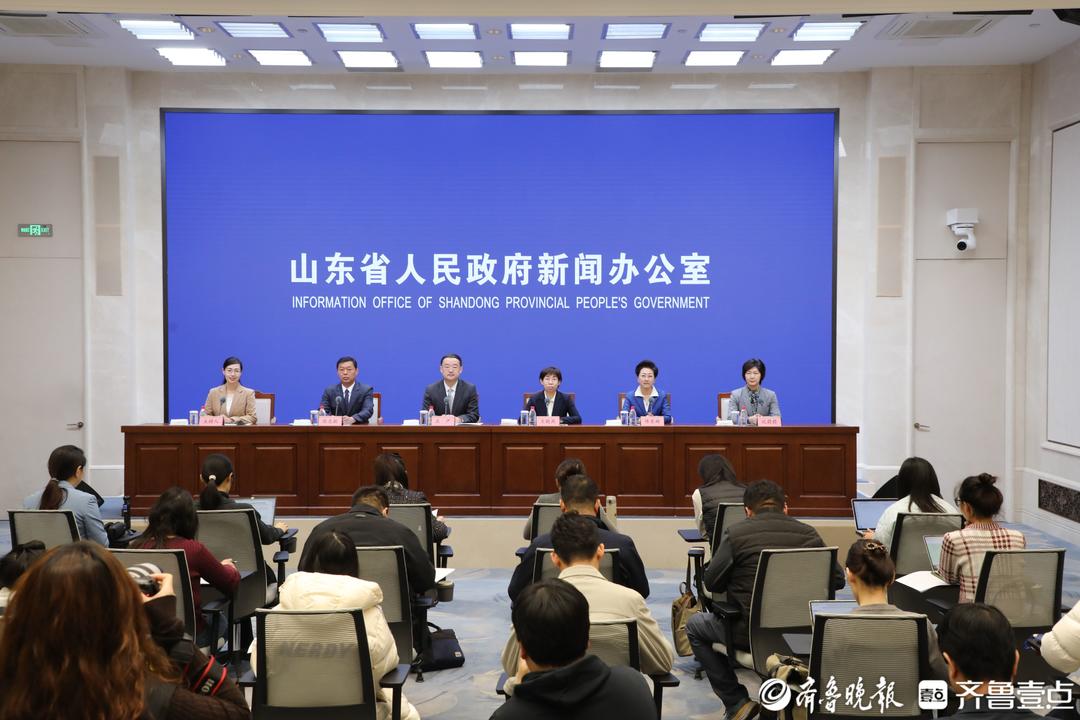
深化养老服务改革发展,山东出台15条举措
Da Zhong Ri Bao· 2025-12-12 01:08
Core Viewpoint - The Shandong provincial government has introduced the "Implementation Opinions on Deepening the Reform and Development of Elderly Care Services," aiming to establish a three-tiered elderly care service network by 2029 that is inclusive, accessible, and sustainable [1][2]. Group 1: Key Reform Measures - The "Implementation Opinions" outlines 15 reform measures across four areas, focusing on meeting the diverse needs of the elderly population [1]. - A dual-driven development path is proposed, emphasizing the integration of public welfare and industry, aiming to create a new elderly care framework characterized by government involvement, market efficiency, social compassion, and family support [1][2]. Group 2: Service Network Development - The core task is to accelerate the establishment of a three-tiered elderly care service network that effectively covers urban and rural areas [2]. - The provincial government will provide guidelines for the construction of this network, detailing the planning, standards, and functional positioning of facilities at the county, township, and village levels [2]. Group 3: Financial Support and Investment - The provincial government plans to prioritize financial investment in elderly care services, with over 2.7 billion yuan allocated for 2025 alone [3]. - The government will optimize budget allocations to ensure sufficient funding for elderly care facilities and services, including subsidies for home care bed construction and long-term care insurance [3]. Group 4: Medical and Elderly Care Integration - By the end of 2029, all counties in Shandong are expected to have at least five integrated medical and elderly care institutions, enhancing the quality of care provided [4]. - The proportion of integrated medical care institutions within elderly care facilities is targeted to reach 50% [4].
山东真金白银保障养老:大中专生从业最高可获2万元奖励
Feng Huang Wang Cai Jing· 2025-12-12 00:30
Core Points - Shandong province prioritizes elderly care services in its fiscal spending, with over 2.7 billion yuan allocated in 2025 alone, and has successfully included 10 cities in the central government's pilot program for community-based elderly care services [2] - The provincial government plans to optimize budget allocations to support key tasks, enhance funding structures, and attract social capital for elderly care projects, including providing up to 500,000 yuan in interest subsidies for loans to nursing institutions [2] - Shandong will improve elderly care policies by offering subsidies for home care bed construction, home modification for the elderly, and long-term care insurance to support disabled seniors [2] Talent Development - The province will increase incentives for educational institutions offering elderly care programs, with rewards up to 1 million yuan, and provide financial support for graduates entering the elderly care workforce [3] - Financial rewards will also be given to certified elderly care workers to encourage more talent in the sector [3] Implementation and Oversight - The Shandong Provincial Finance Department emphasizes strict management and oversight of elderly care funds to ensure effective use and prevent misuse, with a focus on performance evaluation and financial supervision [5] - The government aims to enhance collaboration among departments and increase financial resources to support the reform of elderly care services [5]


应对“中度老龄化”,山东出台新政深化养老服务改革
Feng Huang Wang Cai Jing· 2025-12-11 07:37
Core Viewpoint - Shandong Province is focusing on enhancing its elderly care services in response to its rapidly growing elderly population, aiming to create a replicable model for national high-quality development in elderly care [4][6]. Group 1: Demographics and Policy Framework - Shandong has the largest elderly population in China, with 24.82 million people aged 60 and above, indicating a transition into a moderately aging society [4]. - The "Implementation Opinions" released on November 24 aims to reform and develop the elderly care service system, emphasizing the integration of medical care and health services [4][6]. Group 2: Development Strategies - The dual-driven development path proposed includes enhancing the elderly care service sector and expanding the elderly care industry, focusing on policy improvement and market cultivation [6]. - A "Four Has" work framework is introduced, which emphasizes government involvement, market efficiency, social compassion, and family support to create a collaborative and responsible elderly care environment [6]. Group 3: Specific Initiatives and Goals - The policy addresses the need for community-based elderly care and aims to improve family care facilities, alongside developing a long-term care insurance system for the elderly with disabilities [6]. - By 2029, Shandong plans to establish a three-tiered elderly care service network that is inclusive, accessible, and sustainable across urban and rural areas [6][7].
山东2482万老人喜迎“幸福礼包”!山东重磅养老改革文件出台
Qi Lu Wan Bao· 2025-12-11 06:51
Core Viewpoint - The Shandong provincial government has issued a significant policy document titled "Implementation Opinions on Deepening the Reform and Development of Elderly Care Services," marking a milestone in the province's efforts to enhance elderly care services and address the challenges of an aging population [3]. Group 1: Policy Background - The document is the first major reform initiative in elderly care since the 18th National Congress of the Communist Party of China, having been reviewed by three key government meetings [3]. - Shandong has a large and rapidly growing elderly population, with 24.82 million people aged 60 and above, indicating a shift into a moderately aging society [3]. Group 2: Achievements and Innovations - Shandong has established a basic elderly care service list ahead of the national standard, with 75% more service items than the national list [3]. - The proportion of nursing beds in elderly care institutions has increased to 76.4%, exceeding the national "14th Five-Year Plan" target by 21 percentage points [3]. - The province has been selected as one of the first pilot provinces for subsidies for elderly care services for severely disabled seniors, leading the nation in both the amount of subsidy funds and the number of issued consumption vouchers [3]. Group 3: Key Reform Measures - The "Implementation Opinions" focus on four main areas: government leadership, market allocation, social participation, and family support, introducing 15 reform measures aimed at establishing a three-tier elderly care service network by 2029 [4]. - The policy emphasizes "home-based elderly care" by enhancing family care bed construction and developing embedded community elderly care services [4]. - It proposes a dual-driven approach of "promoting industry through services and vice versa," aiming to improve the quality of elderly care services and expand the industry [4]. Group 4: Future Directions - The government plans to refine supporting policies, clarify task divisions, and establish an annual implementation mechanism to ensure the effective execution of the reform measures [5].
新思想引领新征程丨站在人民立场考虑问题,坚持在发展中保障和改善民生
Yang Guang Wang· 2025-12-11 05:36
Core Viewpoint - The Chinese government emphasizes the importance of improving people's livelihoods as part of its modernization efforts, focusing on equitable development and common prosperity [1]. Group 1: Urban Renewal and Community Development - The government is actively implementing urban renewal actions during the 14th Five-Year Plan, particularly focusing on the renovation of old residential communities to enhance living standards [4]. - In Shenyang, the renovation of the Chang'an community has significantly improved residents' quality of life, with upgrades to heating and other utilities [1][4]. - The Ministry of Housing and Urban-Rural Development is prioritizing projects that directly impact citizens' interests, aiming to eliminate safety hazards and improve living environments [4]. Group 2: Elderly Care and Social Services - Hebei's Shijiazhuang has developed a comprehensive home-based elderly care service network, creating a 15-minute service radius for senior citizens [4]. - The city has established standardized community elderly service centers to provide various support services, including meal delivery and health guidance [4]. - The government is reforming elderly care services to ensure that the elderly are well cared for and can contribute to society [5]. Group 3: Employment and Economic Stability - The government has introduced policies to promote high-quality employment, aiming for an annual urban job creation target of over 12 million, with 10.57 million jobs created in the first three quarters of this year [5]. - The Ministry of Human Resources and Social Security is focusing on income distribution to ensure that hard work and skills are rewarded, particularly in high-demand sectors [6]. Group 4: Family Support and Childcare - The government has launched various policies, including childcare subsidies and free preschool education, to reduce the financial burden on families [5]. - These initiatives are part of a broader strategy to support families and ensure that children receive proper care and education [5]. Group 5: People's Well-being and Governance - The government is committed to placing people's needs at the forefront of its policies, ensuring that quality of life continues to improve as a primary goal of economic and social development [7]. - President Xi Jinping has reiterated the importance of addressing the public's basic needs, such as education, elderly care, and job opportunities, as essential to achieving a happy life for all [7].
深化养老服务改革,推动实现老有所养老有所为
Xin Hua Wang· 2025-08-21 01:31
Core Viewpoint - The deepening of elderly care service reform is a pressing requirement for implementing the national strategy to actively respond to population aging, significantly impacting people's well-being and social stability [1] Group 1: Service Development and Infrastructure - Since the "14th Five-Year Plan," a profound transformation benefiting millions of elderly people has been steadily advancing, focusing on institutional innovation, service implementation, resource expansion, and structural optimization [1] - As of the end of 2023, approximately 86,000 elderly meal assistance points have been established nationwide, with a focus on enhancing meal services through various models such as "social catering + entrusted services" and "central kitchen + professional delivery" [3][4] - By the end of 2024, the elderly population aged 60 and above in China is expected to exceed 310 million, accounting for 22% of the total population, emphasizing the importance of developing home and community-based elderly care services [3][4] Group 2: Policy Support and Financial Assistance - The "2024 National Aging Career Development Bulletin" indicates that there are 406,000 various elderly care institutions and facilities nationwide, with a total of 7.993 million elderly care beds [4] - In August, a subsidy coupon program was launched in Qingdao for elderly individuals with moderate to severe disabilities, allowing them to deduct 40% of their personal expenses for elderly care services [5][6] - Since 2016, the long-term care insurance system has been piloted, with over 180 million people insured by the end of last year, and 65.7% of beds in elderly care institutions are nursing-type, achieving the goals set for the "14th Five-Year Plan" [6] Group 3: Rural Elderly Care Development - The government work report for 2025 emphasizes the need to promote rural elderly care services, with initiatives to establish a three-tiered elderly care service network at the county, township, and village levels [7][8] - Central financial support of 296 million yuan has been allocated to 59 regions to innovate county-level elderly care service systems, enhancing the overall level of rural elderly care services [7][8] Group 4: Social Participation and Quality of Life - The importance of enabling elderly individuals to continue contributing to society is highlighted, with policies aimed at enhancing their social participation and self-worth [9] - The "Silver Age Action" initiative has seen over 7 million elderly volunteers participating in various projects, benefiting more than 400 million people since its inception in 2003 [9] - By the end of 2024, the national elderly education public service platform will have aggregated 441,000 course resources, providing learning support services to 170 million people [10]
织密养老服务三张网
Zheng Quan Ri Bao· 2025-07-08 16:19
Core Viewpoint - The Ministry of Civil Affairs aims to deepen the reform and development of elderly care services to address the challenges posed by an aging population, with a focus on improving the quality of elderly care services and creating a sustainable ecosystem involving government, market, family, and society [1] Group 1: Aging Population and Service Demand - By the end of 2024, the population aged 60 and above in China is expected to exceed 300 million, highlighting the urgency of addressing elderly care issues as a significant national concern [1] - The transition from survival support to quality living in elderly care services is emphasized, necessitating a comprehensive approach to urban space, service models, and consumption patterns [1] Group 2: Urban Development and Service Integration - The integration of age-friendly concepts into urban planning, industrial upgrades, and public services is crucial for enhancing smart city construction and elderly care service levels [2] - Community and home modifications for elderly care, such as building care stations and improving facilities in old neighborhoods, are essential to avoid uneven distribution of service resources [2] Group 3: Innovative Service Models - Promoting deep integration of medical and elderly care services is vital, including establishing collaborative pathways between care institutions and hospitals to provide comprehensive services [3] - The development of an intelligent care system utilizing "Internet + Care" to match service needs and monitor health through smart devices is highlighted [3] - Policies to support elderly care enterprises and enhance their operational capabilities are necessary, focusing on market-oriented institutions that cater to the needs of disabled and cognitively impaired elderly individuals [3] Group 4: Expanding Elderly Care Consumption - The potential for consumption among the elderly is significant, necessitating the exploration of diverse products and services across various sectors such as travel, education, and healthcare [4] - Encouraging social capital to enter the elderly care sector and fostering a multi-layered consumption ecosystem will better meet the high-quality living demands of the elderly [4] - The support of silver economy policies is expected to clarify the development path for elderly care services, creating new growth points in service consumption [4]