住房以旧换新

Search documents
上海静安区国企收购老公房“以旧换新”
Mei Ri Jing Ji Xin Wen· 2026-02-28 01:23
Group 1 - The housing "old-for-new" initiative in Shanghai's Jing'an District is being explored, with state-owned enterprises acquiring old second-hand apartments to facilitate residents' transition to new homes [1][2] - The program targets owners of old apartments under 70 square meters and valued at 4 million yuan or less, with a structured process for evaluation and purchase [1][2] - The initiative aligns with the central government's policy direction outlined in the 2025 economic work conference, aiming to integrate old housing into a guaranteed rental system [2] Group 2 - The pilot program in Jing'an could lead to significant structural impacts on major urban areas, shifting the role of local governments and urban investment platforms from land suppliers to market stabilizers and housing resource operators [3] - The "old-for-new" model is expected to alleviate the replacement risks for families looking to upgrade their homes, thus activating the "sell one, buy one" chain and addressing the surge in second-hand listings in major cities [3] - The new model shortens the replacement cycle for homeowners, allowing them to purchase new homes before selling their old ones, thereby reducing financial risks associated with timing [3]
多城宣布收储二手房 老旧二手房有了“官方退出通道”
Di Yi Cai Jing· 2026-02-12 22:45
Core Viewpoint - The policy of "exchanging old for new" and acquiring second-hand houses for affordable rental housing is being implemented in multiple cities across China, signaling a shift in the real estate industry from "incremental development" to "stock operation" [1][5][6]. Group 1: Policy Implementation - Various cities, including Shanghai, Jinan, and Hangzhou, are initiating programs to acquire second-hand homes for use as affordable rental housing, addressing the needs of new citizens, young people, and university graduates [2][3]. - Shanghai's pilot program involves three districts, with an estimated total acquisition of around 10,000 second-hand homes, which would represent about 5% of the city's annual second-hand home transactions [2]. - Jinan and Hangzhou have also launched similar initiatives, with Jinan planning to acquire 1,000 homes and Hangzhou's Fuyang District targeting 200 homes for affordable rental purposes [3]. Group 2: Market Dynamics - The shift towards acquiring second-hand homes is a response to the challenges faced by homeowners in selling their properties, which has disrupted the housing exchange chain [5]. - The real estate market is experiencing a fundamental change, with a decrease in new home transactions and an increase in second-hand home transactions, indicating a growing substitution effect of second-hand homes for new ones [5]. - The national housing policy emphasizes the importance of recognizing the changing supply-demand relationship in the real estate market, particularly as cities transition to a stock development phase [5]. Group 3: Implications for Stakeholders - The new policies are expected to transform the roles of local governments and state-owned enterprises from "land suppliers" to "market stabilizers" and "housing resource operators" [6]. - Collaboration between real estate companies and local state-owned platforms in the acquisition and operation of second-hand homes may become a new business direction for these entities [6]. - The targeted acquisition of second-hand homes is seen as a strategic move to stimulate market confidence and address supply-demand imbalances in the rental market, particularly for small units in high-demand areas [7].
山东启动“迎新春换新房”,住房品质升级多了“新解法”
Feng Huang Wang Cai Jing· 2026-02-12 00:20
Core Viewpoint - The housing sector is experiencing a transformation with a focus on high-quality living standards, driven by innovative technologies and supportive policies aimed at enhancing consumer confidence and stimulating demand [1][2][3]. Group 1: Housing Quality and Innovation - The "Good House" exhibition showcases advanced technologies that enhance living conditions, such as passive building air conditioning systems and smart home features that improve comfort and safety [2]. - A total of 213 provincial high-quality housing pilot projects have been established, reflecting the growing market interest in quality living spaces [2]. - The integration of health, comfort, and intelligence in housing is becoming a key market trend as urbanization progresses and consumer demands evolve [2]. Group 2: Policy Support and Consumer Incentives - The Jinan government is issuing 50 million yuan in housing consumption vouchers, providing 10,000 yuan per eligible new home purchase to stimulate both housing sales and consumer spending [2]. - Various cities in Shandong are implementing diverse promotional activities, such as project promotions and online marketing, to boost housing consumption and market confidence [3]. Group 3: Solutions for Existing Housing - The "old house dilemma" is being addressed through innovative services like direct buyback programs, which alleviate concerns about selling old homes and facilitate smoother transitions to new properties [4]. - The Shandong government has introduced guidelines for "old-for-new" housing exchanges, promoting various models to reduce costs and streamline the housing exchange process [4]. Group 4: Aging Population Considerations - The exhibition features solutions for aging populations, including easy-to-install stairlifts and bathroom modifications that enhance safety and comfort for elderly residents [5][6]. - These adaptations aim to redefine the quality of life for seniors, ensuring that existing homes can meet their needs effectively [6]. Group 5: Housing Fund Innovations - The housing provident fund system is being expanded to include flexible employment individuals, allowing them to participate and benefit from housing loans and subsidies [7]. - Incentives for flexible employment individuals include higher interest rates on deposits and cash bonuses for opening accounts, promoting broader access to housing support [7]. - The maximum loan amount for housing provident funds in Jinan has been raised to 1.7 million yuan, with a reduced down payment ratio for second homes, easing the financial burden on families [8].
烟台住房“卖旧买新”首房成交,优惠叠加直省8万元
Qi Lu Wan Bao· 2026-02-10 09:08
Core Insights - Yantai City has successfully completed its first "sell old buy new" housing transaction, allowing a citizen to save 80,000 yuan through policy incentives, marking the transition from promotion to implementation of the policy [1][2] Group 1: Policy Implementation - The "sell old buy new" policy aims to alleviate the difficulties faced by citizens in transitioning between homes and to stimulate housing improvement demand [1] - The policy will be trialed starting January 1, 2026, for one year, offering various models such as "exchange old for new," "sell old buy new," and "demolish old for new" for citizens to choose from [1] Group 2: Financial Support and Incentives - A special fund for high-quality real estate development has been established, with a total of 115 million yuan allocated for government subsidies and targeted housing purchase coupons [1] - Residents participating in the "sell old buy new" program will receive a 1% subsidy based on the new home price, with a maximum subsidy of 30,000 yuan per unit [2] - Additional targeted purchase coupons are available for families with multiple children, allowing for a maximum combined subsidy of 80,000 yuan when used with other incentives [2]
上海收购“老破小”,有信号意义
Sou Hu Cai Jing· 2026-02-07 01:34
Core Viewpoint - The "old for new" housing policy in Shanghai aligns with the core task of "de-stocking" in the real estate sector, providing support for old and dilapidated properties and establishing price anchors [1][8]. Group 1: Policy Implementation - Shanghai has initiated a program to acquire second-hand homes for use as rental properties, starting in key districts such as Pudong, Jing'an, and Xuhui [3]. - The program prioritizes the acquisition of properties that owners are eager to replace, with funds regulated in a "housing ticket" format to ensure proceeds from selling old homes are used to purchase new ones [4]. - The acquisition targets older, smaller properties, specifically those built before 2000, with a total price not exceeding 4 million yuan and a size under 70 square meters [5]. Group 2: Market Context - The urgency for "de-stocking" in China's real estate market is highlighted by a significant inventory of new homes, with a de-stocking cycle projected to reach 28.7 months by the end of 2025, far exceeding reasonable limits [7]. - The "old for new" policy is seen as a critical measure to address this pressing issue [8]. Group 3: Market Dynamics - The average total price of eligible properties in Shanghai is 255,000 yuan, with a market average of 367,000 yuan, indicating a significant price gap [11]. - The average negotiation space for eligible properties is 8.3%, compared to the overall market's 7.9%, suggesting a more favorable environment for buyers in the targeted segment [11]. Group 4: Regional Variations - Different cities have adopted the "old for new" policy with varying focuses, with first-tier cities emphasizing urban renewal and second- and third-tier cities concentrating on de-stocking goals and financial incentives [13]. - The operational models for the policy differ across regions, with some areas using a "help sell" model while others involve direct acquisition by state-owned enterprises [14]. Group 5: Challenges and Considerations - Experts have raised concerns about the challenges of acquiring second-hand homes compared to new inventory, noting the complexities of negotiations with individual homeowners [17]. - The sustainability of funding for these acquisitions is questioned, as the rental yield in Shanghai remains below 2%, raising concerns about the financial viability of the program [17]. - The policy's effectiveness relies on transparent processes and fair pricing mechanisms to ensure both buyer and seller interests are met [21].

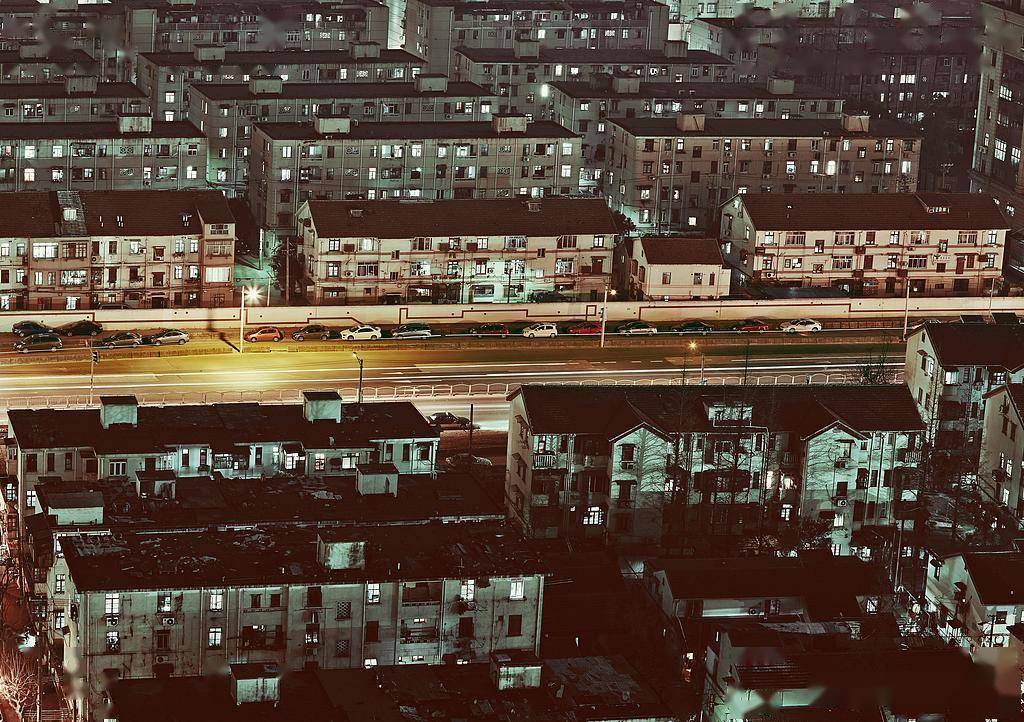
中心城区住房“以旧换新”活动继续
Xin Lang Cai Jing· 2026-01-29 16:41
Group 1 - The core idea of the article is that Dezhou City will continue its housing "old for new" program in 2026, which has been well-received by residents and developers since its launch in May 2024 [1] - The initiative aims to facilitate transactions between new and second-hand homes, thereby stimulating housing consumption and promoting a stable and healthy development of the real estate market [1]
多地住房“以旧换新”出新招
Zheng Quan Ri Bao Zhi Sheng· 2026-01-27 16:41
Core Viewpoint - Recent initiatives in various regions to implement a "trade-in" model for housing, supported by state-owned enterprises, aim to stimulate demand for improved housing options through structured acquisition of second-hand homes [1][2][3] Group 1: Implementation of "Trade-in" Model - Multiple regions, including Zhejiang Fuyang, Shanghai Fengxian, and Ningbo, have launched or are in the process of implementing housing "trade-in" programs to facilitate the exchange of old homes for new ones [1] - Fuyang District has announced a program where a state-owned enterprise will acquire 200 second-hand homes, with specific criteria for eligibility, including location and construction date [1] - The acquisition method involves a combination of "trade-in vouchers" and "purchase vouchers," allowing homeowners to receive additional financial incentives when purchasing new homes [1] Group 2: Market Response and Performance - Ningbo's initial program has successfully acquired 500 old homes, contributing to a significant increase in new home sales, with a 67% month-over-month rise in December 2025 [2] - Shanghai Fengxian's initiative has also begun, with plans to acquire 50 old homes to support new housing projects [2] - Jiangsu Xuzhou has introduced a similar service through a state-owned platform, aiming to create a standardized and transparent process for property exchanges [2] Group 3: Challenges and Considerations - The involvement of state-owned enterprises in the "trade-in" model reduces transaction risks and enhances the likelihood of successful exchanges, addressing psychological barriers for homeowners [3] - However, challenges remain, including financial pressures on state-owned platforms and the complexity of managing dispersed second-hand properties [3] - The ability to replicate and promote this model will depend on the operational efficiency of state-owned enterprises in managing acquired assets [3]
上海国企收购老公房,计划“以旧换新”?
Mei Ri Jing Ji Xin Wen· 2026-01-27 16:07
Group 1 - The housing "old-for-new" initiative in Shanghai's Jing'an District is being explored, with state-owned enterprises acquiring old second-hand apartments to facilitate residents' new home purchases [1][2] - The program allows homeowners with old apartments (70 square meters or less, priced under 4 million yuan) to sell their properties directly to public rental housing companies in Jing'an, aiding in the purchase of new homes [1][2] - The process involves selecting a new home, applying for the program, and having a third-party evaluation of the old property, streamlining the transaction and reducing the burden on homeowners [1][2] Group 2 - Prior to Jing'an's initiative, the Fengxian District had already implemented a similar "old-for-new" service model, receiving significant public interest and registering 104 intent applications, with 50 families completing formal registration [2] - The initiative aligns with the central government's policy direction established in the 2025 economic work conference, integrating old housing resources into a guaranteed rental system [2] - If successful, the Jing'an pilot could transform the role of local governments and urban investment platforms from land suppliers to market stabilizers and housing resource operators, impacting core urban areas and related industries [3]
上海静安区国企收购老公房“以旧换新”?
Mei Ri Jing Ji Xin Wen· 2026-01-27 00:46
Group 1 - The housing "old-for-new" initiative in Shanghai is expanding from suburban areas to urban districts, with Jing'an District being a key focus for pilot implementation [1][2] - The program involves state-owned enterprises purchasing old residential properties to facilitate residents' transition to new homes, specifically targeting properties under 70 square meters and valued at 4 million yuan or less [1][2] - The process includes selecting a new home, applying for the program, and having a third-party evaluation of the old property, which, if deemed suitable, will allow for a streamlined transaction process [1][2] Group 2 - Prior to Jing'an's initiative, the Fengxian District had already implemented a similar "old-for-new" model, receiving significant public interest with 104 initial inquiries and 50 families officially registered for the program [2] - The initiative aligns with the central government's economic policies, aiming to stabilize the housing market and improve the efficiency of property transactions [2][3] - Successful implementation in Jing'an could lead to a structural shift in the role of local governments and urban investment platforms, transforming them from land suppliers to market stabilizers and housing resource operators [3] Group 3 - The "old-for-new" model is expected to alleviate the risks associated with property exchanges for families, thereby activating the "sell one, buy one" chain and addressing the recent surge in second-hand property listings [3] - This new approach allows for a more efficient property exchange process, reducing the time required for transactions and mitigating financial risks associated with selling a home before purchasing a new one [3]
金融大家评 | 稳楼市的重要性更加凸显
清华金融评论· 2026-01-21 10:23
Group 1 - The core viewpoint of the article emphasizes the need for stronger measures to stabilize the real estate market in 2026, with a focus on controlling supply, reducing inventory, and improving the quality of housing [2][3] - The 2025 Central Economic Work Conference highlighted the urgency of stabilizing the real estate market, indicating that the current situation is more pressing than in late 2024 and early 2025 [3] - The government aims to encourage the acquisition of existing residential properties for use as affordable housing, with a specific policy tool introduced in May 2024 allowing for a 300 billion yuan re-loan for this purpose [4][5] Group 2 - The direction for reducing real estate inventory has become clearer, with a focus on controlling new land supply and revitalizing existing properties [4] - Innovative practices in some cities have emerged, such as using "housing vouchers" in an "old for new" exchange model to facilitate the acquisition of older homes, thereby avoiding pricing issues associated with new properties [5] - The construction of "good houses" is a new initiative aimed at improving housing quality, which is expected to stabilize investment in the real estate sector while balancing the need to reduce existing inventory [6]