农业补贴

Search documents
美国农民明知贸易战会砸饭碗,仍死挺特朗普,真相其实很简单!
Sou Hu Cai Jing· 2025-09-23 04:22
Core Insights - The article highlights the paradox of American farmers supporting Trump despite the negative impact of the trade war on agricultural exports, which saw a 37% drop in U.S. agricultural product exports [3] - It discusses the illusion of government subsidies as a safety net for farmers, which has led them to view their votes as insurance against losses [4][6] - The article emphasizes the financial benefits farmers have gained from tax reforms and relaxed labor policies, which have allowed them to reduce costs significantly [8][10] Group 1: Government Subsidies - During the 2018 trade war, the U.S. Department of Agriculture provided $52 billion in subsidies, which allowed many farmers to cover up to 80% of their losses [4] - Farmers are currently facing uncertainty as promised subsidies for 2024 have not materialized, leading to skepticism about government support [6] Group 2: Labor Policies - The relaxation of H-2A visa policies has enabled farmers to save 30% on labor costs, as workers are paid less than the legal minimum wage and are discouraged from complaining due to visa risks [8] Group 3: Tax Reforms - The reduction of corporate tax rates from 35% to 21% has resulted in significant savings for large agricultural businesses, with some farmers reporting annual tax savings of hundreds of thousands of dollars [10] - The article notes that the shift in Chinese import patterns towards Brazil and Argentina has led to a 28% drop in U.S. soybean export prices, highlighting the risks associated with these financial strategies [10]


48:47,美国投票结果诞生,特朗普收到坏消息,他要支付351亿巨款
Sou Hu Cai Jing· 2025-09-22 17:05
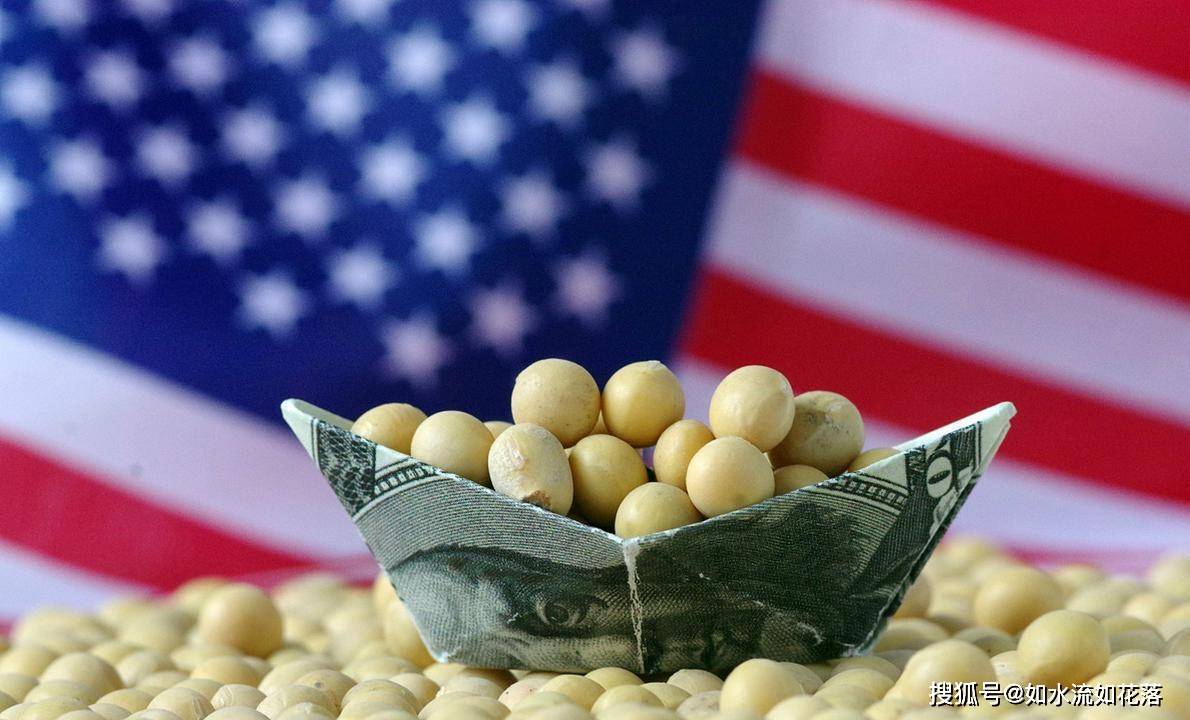
Core Insights - The article highlights the challenges faced by American farmers, particularly in the soybean sector, due to trade tensions and inadequate government support [5][6][9][14] - It discusses the political implications of agricultural subsidies and the growing discontent among farmers towards the Trump administration [11][13][14] Group 1: Economic Impact - American soybean exports to China saw a dramatic decline of 42% year-on-year in Q4 2024, exacerbating the struggles of U.S. farmers [6] - The current domestic soybean inventory has reached an alarming 1.02 billion bushels, with prices dropping to $10.25 per bushel, which is below the production cost [9] - The agricultural sector contributes 18.7% to the U.S. GDP, supporting over 230,000 jobs, indicating the broader economic implications of the agricultural crisis [11][14] Group 2: Political Dynamics - The narrow Senate vote of 48 to 47 for Trump's economic advisor Stephen Milan to join the Federal Reserve Board reflects a shift in political dynamics, with some previously loyal lawmakers showing signs of independence [3][14] - Trump's promise of $35.1 billion in agricultural subsidies, initially aimed at winning over agricultural state voters, faces significant challenges in implementation due to rising national debt and budget constraints [5][14] - Discontent among farmers is growing, with many expressing their frustrations directly to Trump, indicating a potential shift in voter sentiment ahead of future elections [13][14] Group 3: International Relations - Trump is attempting to leverage international relationships, particularly with European allies, to alleviate the surplus of unsold U.S. soybeans, but faces resistance [8] - The World Trade Organization (WTO) has raised concerns over the U.S. agricultural subsidies, which could lead to international disputes and further complicate trade relations [8]
就在今天!美国投票结果出炉,9月20日,特朗普收到噩耗,他要支付351亿巨款
Sou Hu Cai Jing· 2025-09-20 16:33
Group 1 - The Republican Party is showing signs of internal anxiety as they modify rules to confirm 48 positions, including key departments like Defense and Energy, indicating a lack of unified support for President Trump's agenda [1] - Trump's influence over the Federal Reserve is limited, as evidenced by the recent 25 basis point rate cut, which did not meet his expectations of at least 50 basis points [1] - The struggle for control over the federal government is evident, with Trump's ability to influence the Federal Reserve being significantly constrained [1] Group 2 - The $35.1 billion agricultural subsidy, which helped Trump gain support from agricultural states during the last election, is now under threat due to rising national debt and budget deficits [3] - The Democratic-controlled House is particularly cautious about agricultural subsidies, which are seen as driven by electoral considerations, complicating Trump's ability to fulfill his promises [3] - Farmers' support for Trump is wavering, and failure to deliver on subsidies could lead to a loss of backing from this crucial voter base [3] Group 3 - Trump's strategy to encourage the EU to purchase more U.S. soybeans is facing resistance, as European officials are wary of being drawn into a trade conflict with China [4] - The EU's economic ties with China complicate Trump's push for increased purchases, as any tariffs on Chinese goods could disrupt their supply chains [4] - The "America First" policy is leading to international isolation, reducing the effectiveness of domestic economic strategies [4] Group 4 - The combination of a narrow victory in Senate confirmations, the pressure of agricultural subsidies, fiscal constraints, and international isolation presents a significant challenge for Trump's administration [7] - The current situation reflects structural pressures rather than short-term political struggles, indicating a critical test for Trump's governance [7]
蔗糖可乐救不了肥胖的美国人
Hu Xiu· 2025-07-21 07:19
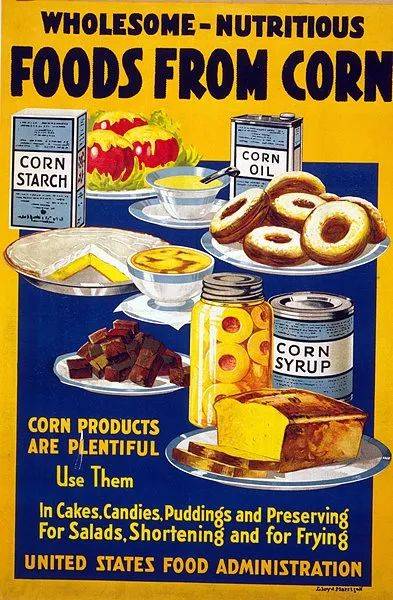
Core Viewpoint - Trump's announcement to negotiate with Coca-Cola to replace high fructose corn syrup with cane sugar in the U.S. soda formula is seen as politically motivated rather than a personal preference for soda [1][4]. Group 1: Economic Factors - High fructose corn syrup (HFCS) is widely used in the U.S. due to its cost advantage, stemming from protective tariffs on imported sugars and agricultural subsidies [2][3]. - Corn is the most subsidized crop in the U.S., accounting for about 30% of annual agricultural subsidies, which contributes to the low price of corn syrup [3]. - The political implications of Trump's proposal may involve interests of sugar industry supporters, such as the Van Hollen family in Florida, who are significant players in the sugar market [2][4]. Group 2: Health Concerns - The health debate surrounding corn syrup is significant, with figures like Robert F. Kennedy Jr. advocating against its use due to its association with rising obesity rates since the 1970s [5][10]. - Scientific studies present mixed conclusions on whether corn syrup is worse than cane sugar, with some suggesting fructose may increase the risk of metabolic syndrome and non-alcoholic fatty liver disease [5][6]. - Public perception of corn syrup has been negatively impacted by marketing efforts from traditional sugar producers, leading to a general distrust in food safety [7][9]. Group 3: Societal Implications - The ongoing debate between corn syrup and cane sugar reflects broader societal issues, including the affordability of healthy food options versus cheaper, high-sugar, high-fat foods [11][12]. - The obesity epidemic in the U.S. is exacerbated by economic factors, with lower-income individuals facing higher obesity rates due to limited access to healthier food choices [11][12]. - Technological solutions, such as GLP-1 medications for weight loss, are not universally accessible, particularly for lower-income populations, highlighting the intersection of health and socio-economic issues [12].