减费让利

Search documents
兴业银行西安分行:减费让利“组合拳”彰显惠企利民担当
Sou Hu Cai Jing· 2025-09-15 10:19
Core Insights - The article emphasizes the importance of the real economy as the foundation of the national economy and highlights the measures taken by Industrial Bank's Xi'an branch to reduce financing costs for small and micro enterprises and individual businesses [1][2] Group 1: Financial Support Measures - Industrial Bank's Xi'an branch has implemented multiple fee reduction measures to support enterprises, including waiving account management fees, annual fees, and transfer fees [1] - The bank has extended the payment fee discount measures until September 30, 2027, and the new service fee schedule will be fully implemented by July 1, 2025 [1] - The bank is actively covering costs related to mortgage registration, appraisal, and notarization fees for enterprises when they apply for loans, thereby reducing their financial burden [1] Group 2: Impact and Future Plans - From January to August of the current year, the bank has waived various fees totaling 21.5 million yuan, benefiting over 300 enterprises, and has borne credit financing costs exceeding 4 million yuan, impacting over 9,100 clients [2] - The Xi'an branch plans to continue optimizing its fee reduction measures and enhancing financial service levels to support enterprise development and contribute to economic prosperity [2]

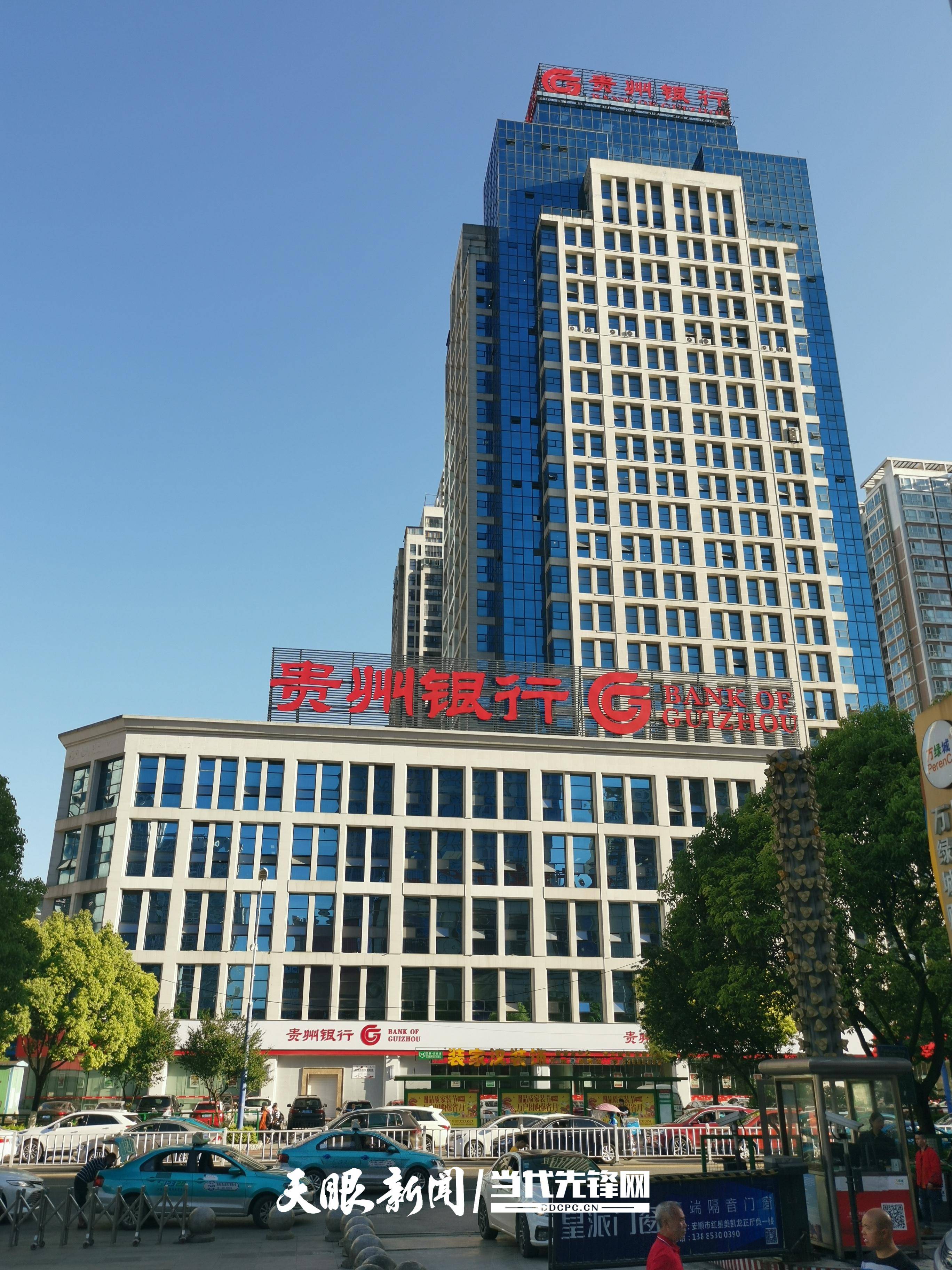
贵州银行安顺分行:“融资成本清单”明示 算好企业减费让利细账
Sou Hu Cai Jing· 2025-09-10 07:58
Core Viewpoint - The implementation of the "Comprehensive Financing Cost List for Corporate Loans" by Guizhou Bank Anshun Branch enhances transparency in corporate financing, helping businesses understand their financing costs and access favorable loan terms [1][5][11]. Group 1: Impact on Enterprises - Guizhou Bank Anshun Branch actively promotes the "Comprehensive Financing Cost List," which aids companies in calculating their financing costs and accessing various loan options [1][11]. - The initiative has benefited both new and existing clients, as demonstrated by Anshun Yuanjing New Materials Co., which received a loan of 19.9 million yuan within 10 working days after utilizing the financing cost list [5][11]. - Spring Return Health Technology Co. reported a reduction in interest expenses by several tens of thousands of yuan due to the bank's proactive support and the use of the financing cost list [7][11]. Group 2: Financial Support and Efficiency - The bank's "Thousand Enterprises and Ten Thousand Households Visit" initiative has facilitated better communication with businesses, leading to tailored financing solutions [9][11]. - The Anshun Bank team helped Wanlv City Bailanting Hotel secure a 5 million yuan loan by introducing third-party asset evaluations, which allowed the hotel to meet collateral requirements and save nearly 100,000 yuan in financing costs [9][11]. - As of the end of August, the financing cost list has covered 260 loans totaling 3.685 billion yuan, benefiting over 214 small and micro enterprises and individual businesses [11].

多机构下调理财产品相关费率为哪般?
Xin Hua Wang· 2025-08-12 06:30
Core Viewpoint - Multiple banks and their wealth management subsidiaries have recently reduced the fees associated with wealth management products, primarily focusing on fixed management fees and sales service fees, with some rates even adjusted to zero [1][2][3]. Fee Adjustments - The fee reductions include fixed management fees and sales service fees, with institutions like Nanjing Bank and Bank of China announcing significant cuts [2][3]. - For example, Nanjing Bank's subsidiary reduced the fixed management fee from 0.8% per year to 0.4% per year for a specific product [2]. - Bank of China lowered the sales service fee for its products, with A-class shares dropping from 0.30% to 0.15% and C-class shares from 0.40% to 0.10% [2]. - Some products have had their fees reduced to zero, such as those from China Merchants Bank and Huaxia Bank [3]. Market Competition - The fee reductions are seen as a competitive strategy among banks to attract customers amid a slowdown in product issuance and subpar returns [4][5]. - The wealth management market, with a balance of 29 trillion yuan and a growth rate of around 12%, has the capacity to lower fees while still generating significant returns for investors [4]. - Analysts suggest that the competition among banks is intensifying, particularly as wealth management subsidiaries continue to emerge and adapt to new regulations [4][5]. Long-term Trends - Experts predict that while the current trend of fee reductions may continue in the short term, it is unlikely to be a permanent shift [6]. - The long-term outlook suggests that fee structures will stabilize as the market for net value products matures [6]. - Different banks and wealth management companies are expected to adopt varied pricing strategies, leading to further differentiation in fees and services [6].
为超过8200万家市场主体减免支付手续费超120亿元——银行减费让利惠企利民
Xin Hua Wang· 2025-08-12 06:28
Core Viewpoint - The Chinese banking sector is actively implementing fee reduction policies to support small and micro enterprises, enhancing service efficiency through financial technology, and ensuring that the benefits of these policies reach the intended beneficiaries [1][2][4][7]. Group 1: Fee Reduction Policies - Major banks like Agricultural Bank of China and Industrial and Commercial Bank of China have highlighted their efforts in reducing fees and taxes, with over 82 million market entities benefiting from a total of 12 billion yuan in fee reductions since the implementation of the policies [1][2]. - Agricultural Bank of China has created clear public announcements regarding fee reductions, utilizing various channels to ensure that small and micro enterprises are well-informed about the available benefits [2][3]. - As of the end of 2021, Industrial and Commercial Bank of China increased its free service items from 109 to 149, demonstrating a commitment to supporting struggling small businesses [3]. Group 2: Financial Technology Integration - Financial technology is playing a crucial role in accurately delivering the benefits of fee reductions to small and micro enterprises, with the People's Bank of China establishing a dynamic identification mechanism for these businesses [4]. - Minsheng Bank has implemented system upgrades to automate the identification of clients eligible for fee reductions, resulting in a total fee reduction of 262 million yuan benefiting 647,000 small and micro enterprises by the end of 2021 [4]. - Industrial Bank has integrated facial recognition technology into its account opening processes, enhancing efficiency and accessibility for small businesses [5]. Group 3: Direct Impact of Policies - In response to the COVID-19 pandemic, China CITIC Bank's Shanghai branch ensured uninterrupted cross-border services for businesses, processing nearly 500 million yuan in transactions to support local supply chains [6]. - The bank has also waived various transaction fees for approximately 50,000 enterprises, demonstrating a proactive approach to mitigating the financial impact of the pandemic [6]. - Industrial Bank has expanded its fee reduction initiatives to all corporate clients, with a total reduction of 24 million yuan benefiting 310,000 small and micro enterprises from September 2021 to February 2022 [7]. Group 4: Monitoring and Feedback Mechanisms - The People's Bank of China has established a regular monitoring mechanism to ensure the effective implementation of fee reduction policies, conducting visits to over 100,000 bank branches and 110 payment institutions [7]. - Feedback from market entities indicates that over 90% are satisfied with the execution of the fee reduction policies, reflecting the positive reception of these initiatives [7].


在峨眉山授信超6亿元!农发行四川分行:“一张表”照亮融资成本
Sou Hu Cai Jing· 2025-07-05 11:03
Core Viewpoint - The Agricultural Development Bank of China (ADBC) in Emeishan City has initiated a pilot program to enhance transparency in corporate loan financing costs, providing a comprehensive cost list to businesses, which has significantly improved their understanding of financing expenses [1][3]. Group 1: Pilot Program Implementation - The pilot program for disclosing comprehensive financing costs was launched by ADBC Emeishan City branch, resulting in over 600 million yuan in credit support within two months [3]. - The initiative addresses the confusion businesses face regarding total financing costs, which hampers their ability to evaluate financing options accurately [3][4]. - ADBC identified this issue through market research and feedback from enterprises, positioning it as a key area for improving the business environment and service quality [3][4]. Group 2: Key Features of the Cost List - The cost list is standardized, covering all potential fees associated with loans, ensuring no costs are overlooked [4]. - The list is presented in a visual format, making it easier for clients to understand the breakdown of financing costs, including specific amounts and the entities charging them [4]. - The program emphasizes visible cost reductions, highlighting fees waived by the bank, such as assessment and registration fees, allowing businesses to clearly see the benefits of the bank's policies [4][5]. Group 3: Benefits for Businesses and the Bank - For businesses, the initiative leads to better financial decision-making, enhanced access to policy benefits, and an overall improved sense of satisfaction [5]. - For the bank, it promotes refined internal management, encourages the reduction of unnecessary fees, and optimizes service processes, ensuring that cost reductions are tangible and evident [5].

减费让利转向花式增收,银行借中收业务求突围
Di Yi Cai Jing· 2025-06-26 11:22
Core Insights - The banking industry is facing challenges in balancing profitability and customer satisfaction due to shrinking net interest margins, prompting a shift towards increasing fee-based income from intermediary services [1][4][6] Group 1: Fee Adjustments and Revenue Generation - Several banks, including both small and large institutions, have recently announced new or adjusted service fees, such as charging for credit reports and ATM withdrawals [2][3] - The adjustments in service fees are primarily aimed at enhancing intermediary business income to counteract the pressure from declining net interest margins [5][6] - Regulatory data indicates that the net interest margin for commercial banks fell to 1.43% in Q1 2025, marking a historical low, while non-performing loan rates increased, further squeezing traditional interest income [4] Group 2: Compliance and Customer Relations - Banks are required to comply with the "Commercial Bank Service Price Management Measures," ensuring that any new or adjusted fees are properly registered and publicly announced [7] - The importance of service fees has grown among consumers, influencing their choice of banking services, which may lead to a shift towards providers offering better value [7][8] - The introduction of new fees is seen as a necessary measure to cover operational costs and improve service quality, but it also raises the challenge of managing customer experience effectively [6][8]

金融观察员|银行花式揽储将遭整治;多家银行新增服务费应对压力
Guan Cha Zhe Wang· 2025-06-16 09:29
Group 1 - Several banks have introduced new service fees to cope with the pressure on net interest margins, including UHQ Bank and Suzhou Bank, as part of a necessary measure to seek "cost reduction and revenue increase" in a low-interest environment [1] - Local regulatory authorities have implemented prohibitive measures against "fancy" deposit solicitation practices, aiming to maintain competitive order in the deposit market and reduce banks' liability costs [1] - The People's Bank of China and the State Administration of Foreign Exchange have allowed banks in Fujian Province to handle cross-border RMB payment services for Taiwanese residents involved in legal property transactions [1] Group 2 - Qingdao Bank's largest shareholder is set to change as Guoxin Group plans to increase its stake to nearly 19.99%, surpassing Haier Group and Italy's UniCredit, which is expected to positively impact the bank's stock price [3] - The National Financial Regulatory Administration has approved the senior management qualifications of Xu Mingjie and Wu Jiong, indicating a focus on the qualifications of senior management in financial institutions [4] - Tianjin Binhai Rural Commercial Bank has appointed a new Party Secretary, with a focus on improving asset quality and addressing a relatively high non-performing loan ratio of 2.61% [4] Group 3 - Xiamen International Bank has appointed Wang Fei as the new Party Secretary and proposed him as the chairman, while the previous leader Wang Xiaojian has stepped down due to work changes [5] - Guangdong Rural Credit Union is undergoing significant reforms, planning to establish a Rural Commercial Bank to enhance capital strength and improve risk management capabilities, with total assets reaching 4.8 trillion yuan [5]