
分级诊疗体系

Search documents
加速构建分级诊疗体系,南京鼓楼医院秦淮总院及12家社区分院挂牌
Yang Zi Wan Bao Wang· 2025-09-24 14:26
Group 1 - The core viewpoint of the news is the establishment of a collaborative healthcare model in Nanjing, aiming to enhance medical services and management capabilities in the Qinhuai District through the partnership between Nanjing Red Cross Hospital and Nanjing Gulou Hospital [1] - The newly formed "Nanjing Gulou Hospital Group Qinhuai General Hospital" will implement a "321" hierarchical diagnosis and treatment system, integrating primary, secondary, and tertiary healthcare services [1] - The collaboration will focus on developing specialized departments such as cardiology, endocrinology, and urology, addressing the needs of the aging population and chronic disease management in the Qinhuai District [1] Group 2 - Since 2013, Qinhuai District has been a pioneer in establishing "medical alliances," signing over 50 agreements with various healthcare institutions to enhance resource sharing and patient care [2] - The district has created a "dual referral green channel" for difficult and severe cases, facilitating a system where patients can be prioritized for treatment and referred between primary and tertiary care [2] - The health committee of Qinhuai District aims to improve the capabilities of grassroots medical institutions and meet diverse health service needs, advancing the "Healthy Nanjing, Healthy Qinhuai" strategy [2]
从“治病”到“健康”的民生转型——镇江基本公共卫生服务迈入“优质化”新阶段
Zhen Jiang Ri Bao· 2025-09-21 23:36
Group 1 - The health literacy level of residents has increased to 42.5%, and the average life expectancy has reached 80.61 years, achieving the "Healthy China 2030" planning goals ahead of schedule [1] - The per capita financial subsidy standard for basic public health services has increased to 108 yuan, which is 7.2 times that of 2009 [1] - 98.5% of grassroots medical and health institutions have met the national service capacity basic standards [1] Group 2 - The city has established a tiered diagnosis and treatment system, ensuring that minor illnesses are treated in the community while serious conditions are referred to hospitals [2] - The coverage rate of family doctor contracts has reached 46.2%, with health management rates for children aged 0-6 exceeding 98% for two consecutive years [2] - The health management rate for elderly individuals has improved to 65% [2] Group 3 - The city aims to enhance grassroots medical institutions and transition from "disease treatment" to "health management" [3] - The focus will be on improving public health services from "equalization" to "quality enhancement" [3] - The initiative is part of a broader effort to contribute to the construction of a "strong, rich, beautiful, and high" new Jiangsu [3]
焦点访谈|“十四五”时期,这份卫生健康领域答卷写满民生温度
Yang Shi Wang· 2025-09-21 14:07
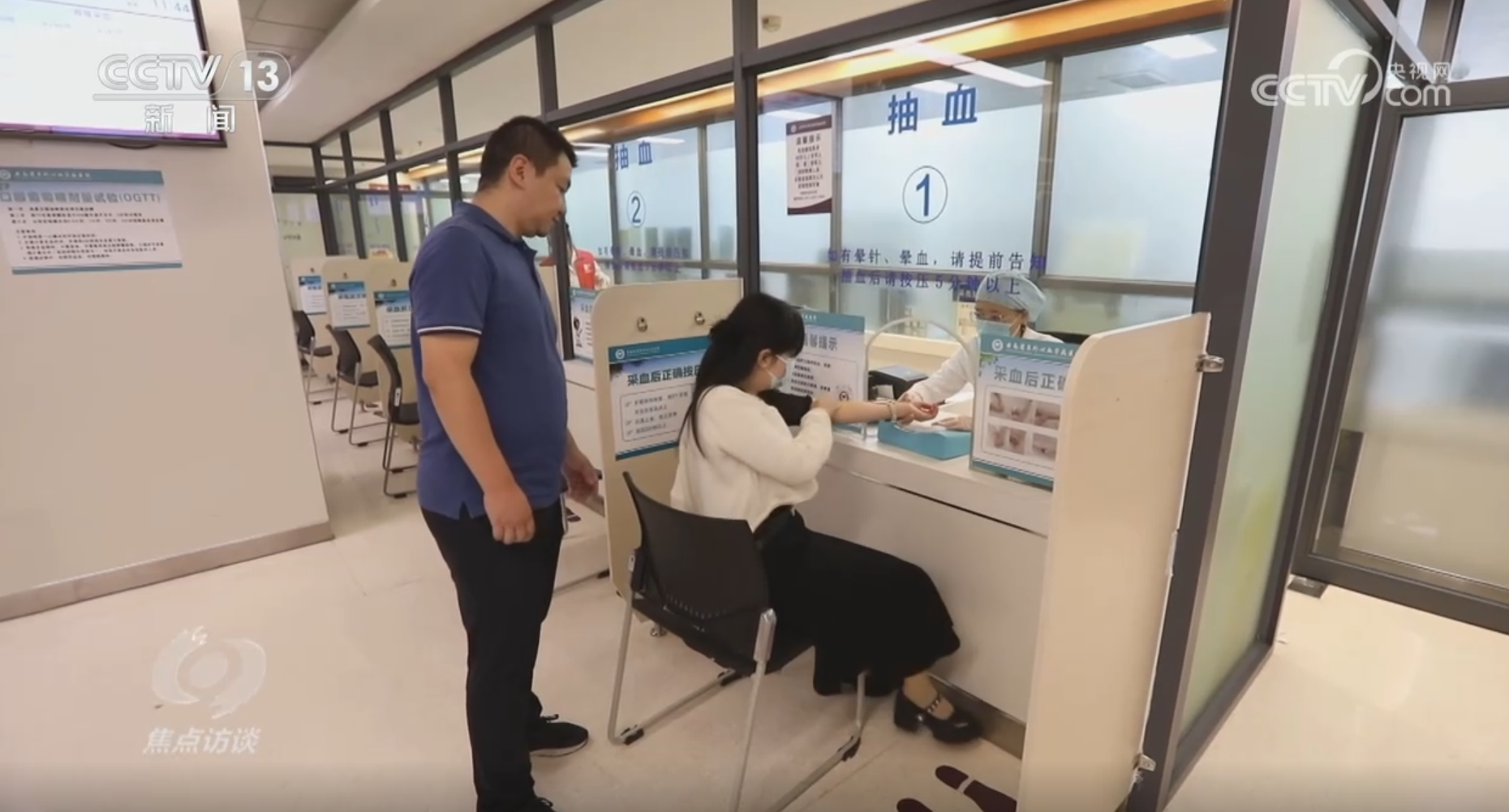
Core Insights - The article emphasizes the significant improvements in China's healthcare system during the "14th Five-Year Plan" period, highlighting the establishment of the world's largest disease prevention and control system and medical service system [1] Healthcare System Development - By 2024, the average life expectancy of Chinese residents is projected to reach 79 years, with health literacy levels increasing to 31.9% [1] - Basic medical insurance now covers over 1.3 billion residents, with continuous improvements in the accessibility, equity, and capability of health services [1] Case Study: Heart Transplant in Yunnan - A heart disease patient, Chen Hui, underwent a heart transplant at Yunnan Fuwai Cardiovascular Hospital, which is a national regional medical center established in collaboration with the Chinese Academy of Medical Sciences [3][5] - The hospital aims to provide medical services comparable to those in Beijing, with trained personnel and similar management systems [5] Resource Allocation and Accessibility - The government is optimizing resource allocation to ensure that major illnesses are treated within provinces, general illnesses are addressed at city and county levels, and routine health issues are managed at the grassroots level [7] - By the end of 2024, over 90% of residents will be able to reach the nearest medical service point within 15 minutes, with a total of 1.09 million medical institutions and 15.78 million health personnel nationwide [7] Community Health Initiatives - The establishment of tightly-knit county medical communities has led to a 20% increase in grassroots diagnosis and treatment, while the number of referrals to county hospitals has decreased by over 10% [9] - By 2024, the number of patients utilizing two-way referrals is expected to reach 36 million, a 46% increase from 2020 [9] Elderly and Pediatric Care - The healthcare system is focusing on the elderly and children, with over 3 billion people aged 60 and above and significant improvements in pediatric services [12] - By 2024, 80% of grassroots medical institutions will provide services for common pediatric illnesses, and the number of pediatric practitioners is expected to increase by nearly 50% compared to 2020 [12] Public Health and Safety - A robust public health monitoring system has been established, covering over 84,000 medical institutions and 29 provinces with biosafety laboratories [14] - The government has built 25 national teams for the prevention of acute infectious diseases [14] Support for Childbearing - By 2024, the number of childcare placements is projected to reach 5.737 million, a 126% increase from the end of the "13th Five-Year Plan" [15] Traditional Chinese Medicine Accessibility - The number of visits to traditional Chinese medicine facilities has increased by 60% since the end of the "13th Five-Year Plan," with a coverage rate of 96% for county-level TCM institutions [17] Overall Healthcare Improvement - The construction of national medical centers and regional medical centers has reduced the disparity in healthcare resources between eastern, central, and western regions [17] - The healthcare system is continuously innovating, ensuring that more patients can access affordable and effective domestic medications and medical devices [17]

中金:春山可望——全球宠物医疗启示录
中金点睛· 2025-08-14 23:53
Core Viewpoint - The pet medical industry is characterized by high barriers to entry, high profitability, and potential for expansion, indicating a promising growth trajectory in the pet economy, particularly in China [2][4]. Industry Overview - The global pet medical market has shown resilient growth, transitioning from "volume increase and price stability" to "volume stability and price increase" in mature markets like the US and Japan [2][5]. - The average EBIT margin for leading US pet hospitals like VCA was 17% from 2002 until its privatization, while Japanese counterparts like JARMeC and Wolves Hand reported average EBIT margins of 14% and 17% respectively [2][13]. - In China, the average medical expenditure per pet is significantly lower than in the US and Japan, indicating room for growth [15][46]. Key Characteristics of Pet Medical Industry - **High Barriers**: The industry faces significant entry barriers due to the scarcity of qualified veterinarians and the high costs of medical equipment [9][10]. - **High Profitability**: Leading pet hospitals in the US and Japan demonstrate strong profitability metrics, while Chinese hospitals are still in the process of improving their margins [13][15]. - **Potential for Expansion**: The number of pet hospitals in China is still low compared to the US and Japan, suggesting opportunities for market penetration and growth [15][20]. Trends and Drivers - The aging pet population and evolving pet ownership attitudes are driving both essential and discretionary medical needs [21][24]. - The demand for specialized veterinary services is increasing, supported by advancements in diagnostic technologies and treatment options [4][21]. Competitive Landscape - Leading companies in the US, such as VCA and Banfield, have established comprehensive service models and capitalized on strategic partnerships for rapid expansion [30][33]. - The Japanese market features specialized hospitals like JARMeC, focusing on advanced medical services and referral systems [39][40]. Insights for Future Growth - The pet medical sector is expected to drive the next wave of growth in the pet economy, with key factors including tiered medical services, talent development, capital investment, and laboratory diagnostics [4][42]. - The establishment of a tiered referral system is crucial for enhancing service delivery and patient retention in the pet medical field [48][52]. Talent Development - The cultivation of veterinary talent is essential for sustaining operational efficiency and service quality in pet hospitals [54][56]. - In the US, organizations like VCA have developed comprehensive training programs to ensure a steady supply of qualified veterinarians [54]. - Chinese companies are beginning to establish partnerships with educational institutions to address the talent gap, although they are still in the early stages of development [56][57]. Capital-Driven Expansion - The expansion of pet hospital networks is primarily driven by acquisitions, as seen in the strategies of leading firms like VCA [57]. - The focus on acquisition allows companies to enhance their operational capabilities without the initial challenges of establishing new facilities [57].

健康中国建设全面推进(奋勇争先,决战决胜“十四五”)
Ren Min Ri Bao· 2025-08-10 22:00
Group 1 - The article highlights the advancement of medical services in China, particularly the implementation of a cloud-based system for sharing medical imaging data, which enhances convenience for patients and healthcare providers [1] - The "14th Five-Year Plan" emphasizes the construction of a robust healthcare system, aiming to improve public health and ensure that patients can access quality medical services close to home [2][3] - The establishment of a comprehensive medical insurance system is noted, with significant improvements in coverage and reimbursement rates, benefiting millions of patients across the country [3] Group 2 - The article discusses the integration of public health and medical services, with initiatives such as the appointment of dedicated disease control supervisors in hospitals to enhance disease prevention efforts [4] - Financial support for public health services has increased, with per capita fiscal subsidies reaching 99 yuan, contributing to improved health literacy among the population [4] - The promotion of a health-conscious society is evident, with a notable increase in health literacy from 17.06% in 2018 to 31.87% in 2024 [4]
国家卫健委答21:提升基层服务能力,畅通双向转诊
2 1 Shi Ji Jing Ji Bao Dao· 2025-07-28 09:21
Group 1 - The National Health Commission of China is promoting the Sanming healthcare reform experience, focusing on public hospital reforms with a public welfare orientation [1] - Beijing has established a dynamic adjustment mechanism for medical service prices, standardizing over 8,800 medical service price items in five batches, leading to a 12.8 percentage point increase in medical service revenue share compared to pre-reform levels [1] - The Sun Palace Community Health Service Center in Beijing is enhancing its service capabilities by integrating with a medical group, focusing on primary diagnosis and bidirectional referral systems [1] Group 2 - The Sun Palace Community Health Service Center has developed four specialty departments, increasing its diagnostic capabilities to cover 389 disease types, with outpatient visits growing by 28% since 2018 [2] - A bidirectional referral system has been established, allowing family doctors to refer patients to higher-level hospitals, with a significant increase in patient transfers: up 159% for upward transfers and 116% for downward transfers in 2024 [2]
推动建立顺畅双向转诊制度
Jing Ji Ri Bao· 2025-06-12 22:06
Group 1 - The core viewpoint emphasizes the importance of a well-structured medical treatment order to optimize healthcare resource allocation and address the issues of "difficult and expensive medical care" for the public [1] - Data from the National Health Commission indicates that by 2024, the number of two-way referrals nationwide reached 36.567 million, a 20.6% increase from 2023, with upward referrals at 15.111 million (down 3.1%) and downward referrals at 21.456 million (up 45.7%) [1] - The establishment of a tightly-knit county medical community has been achieved in 2,188 counties (cities, districts) by the end of 2024, ensuring full coverage at the provincial level [1] Group 2 - The core of the hierarchical diagnosis and treatment system can be summarized as "primary diagnosis at the grassroots level, two-way referrals, acute and chronic disease separation, and vertical linkage" [2] - Strengthening grassroots healthcare services is essential for the effective implementation of the hierarchical diagnosis and treatment system and the smooth operation of two-way referrals [2] - The National Health Commission has issued specific measures to improve the first diagnosis responsibility system and clarify referral service rules, which will enhance the convenience, orderliness, and precision of two-way referrals [2]
深化医改成效显著:居民健康水平大幅提高
Xin Hua Wang· 2025-04-12 21:41
Group 1 - The core viewpoint of the articles highlights significant improvements in China's healthcare system, with key health indicators reaching historical best levels, including a projected average life expectancy of 79 years by 2024 and a maternal mortality rate of 14.3 per 100,000 [1][2] - The personal health expenditure as a percentage of total health costs decreased from 34.34% in 2012 to 26.89% in 2022, indicating a shift towards more public funding in healthcare [1] Group 2 - The next steps in healthcare reform include prioritizing health development, promoting collaborative development of medical services, insurance, and pharmaceuticals, and enhancing the public health system to improve early detection of major epidemics [2] - There is a focus on deepening public hospital reforms, establishing a dynamic adjustment mechanism for staffing, and creating a service-oriented fee structure [2] - The government aims to enhance public awareness and satisfaction with healthcare reforms, addressing urgent healthcare access issues faced by the population [2]
北京大学人民医院与河北百家县级医院签约医联体
Xin Jing Bao· 2025-03-31 03:52
Core Insights - The Beijing University People's Hospital has signed agreements with 100 county-level hospitals in Hebei to enhance medical collaboration and support the national hierarchical medical system [1][2] - The hospital aims to improve medical service quality through initiatives such as patient referrals, mutual recognition of test results, and expert support for grassroots hospitals [1][2] - The forum emphasized the importance of integrating medical and industrial development, with a focus on high-end medical devices and innovative pharmaceuticals [2][3] Group 1 - The establishment of a medical alliance led by Beijing University People's Hospital aims to facilitate resource sharing and improve healthcare standards across the Beijing-Tianjin-Hebei region [2][3] - The hospital's efforts have resulted in over 20,000 patient referrals in 2024, demonstrating effective resource allocation [1] - The forum's theme focused on modern hospital management and the integration of medical and industrial sectors to foster innovation [3] Group 2 - The Tongzhou District is positioning itself as a model for medical-industrial collaboration, targeting high-quality development in the healthcare sector [2] - The district's policies aim to create a thriving ecosystem for the health industry, emphasizing financial services, talent development, and spatial support [2] - Expectations were set for the Beijing University People's Hospital to contribute significantly to the capital's international innovation center and the integrated development of healthcare in the region [3]