反垄断监管

Search documents
Netflix与派拉蒙竞购华纳兄弟探索,好莱坞的洗牌时刻?
3 6 Ke· 2025-12-24 08:56
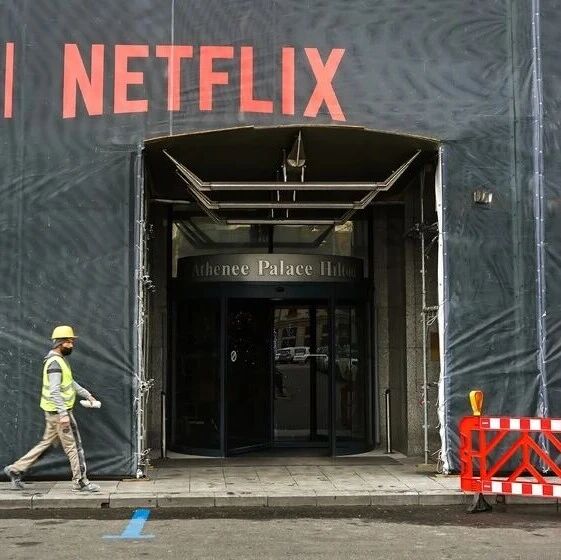
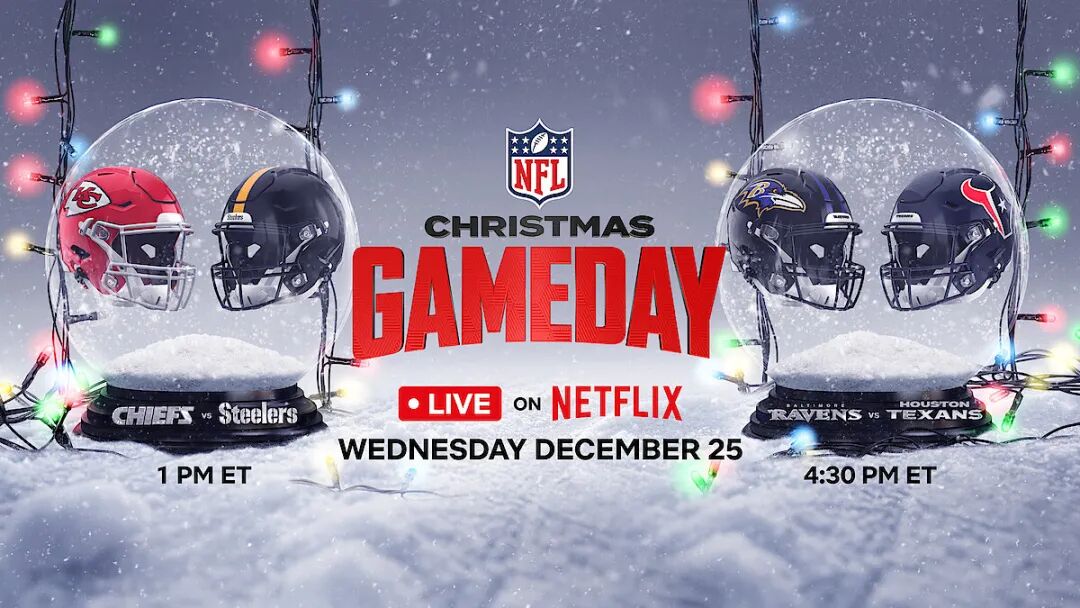
Core Insights - Larry Ellison has agreed to provide a personal guarantee of approximately $40.4 billion in equity financing for the Paramount-Skydance consortium led by his son David Ellison, aimed at acquiring Warner Bros. Discovery, which is seen as a significant move in the competitive landscape of Hollywood [1] - The acquisition battle for Warner Bros. Discovery is viewed as a potential major industry upheaval in Hollywood by 2025, following a series of strategic moves and acquisitions in the sector [1][2] - Netflix has submitted a non-binding acquisition proposal for Warner Bros. Discovery, valuing the company at approximately $82.7 billion, which has intensified speculation about the future direction of the company [2][3] Group 1: Acquisition Dynamics - David Ellison's Paramount-Skydance consortium has made a hostile takeover bid for Warner Bros. Discovery, valuing the company at around $108 billion, which includes a broader scope than Netflix's proposal [2][3] - The competition between Netflix and Paramount-Skydance has evolved from strategic probing to a central event affecting the entire Hollywood landscape [3] - The initial phase of the hostile takeover saw Paramount's financing partner, Affinity Partners, withdraw support, leading Warner Bros. Discovery's board to urge shareholders to reject the bid due to uncertainties in financing and execution [3] Group 2: Industry Reactions and Implications - Netflix's unexpected move to pursue an acquisition has raised questions about its previous stance against mergers and acquisitions, indicating a potential shift in its business strategy [4][5] - The industry is concerned that a tech-driven streaming company like Netflix taking over a traditional content group could disrupt Hollywood's established production and creative ecosystems [7] - Netflix's recent changes, including the introduction of an ad-supported subscription tier and ventures into sports content, reflect its adaptation to market pressures and the need for growth beyond organic means [6][9] Group 3: Regulatory Challenges - Regulatory scrutiny, particularly regarding antitrust issues, poses significant challenges for the acquisition, with concerns about market concentration if Netflix and Warner Bros. Discovery merge [11][12] - The definition of the market will be crucial in regulatory discussions, with Netflix likely to argue for a broader definition that includes various forms of entertainment beyond traditional streaming [12] - Concerns about the impact on labor and compensation within Hollywood arise from the potential consolidation of power in the hands of a single entity like Netflix [14] Group 4: Future of Theatrical Releases - The acquisition raises questions about Netflix's approach to theatrical releases, as its historical strategy has involved short release windows, which could threaten traditional cinema [15][21] - Netflix's commitment to maintaining some level of theatrical distribution for Warner Bros. films is seen as essential for preserving relationships within Hollywood, despite potential conflicts with its core streaming model [21][30] - The integration of Warner Bros.' extensive IP portfolio could compel Netflix to adapt its strategies to include more traditional film distribution methods to maximize value [22]


从布鲁塞尔到首尔,“苹果税”连遭质疑
3 6 Ke· 2025-12-23 12:44
Core Viewpoint - The article highlights the global pushback against platform monopolies, particularly focusing on Apple's App Store fee structure, which is perceived as unfair and detrimental to competition and innovation in the digital economy [1][4]. Group 1: Regulatory Responses - In Europe, 20 app developers and consumer groups have united to challenge Apple's App Store fees, indicating a significant regulatory response to perceived unfair competition [1]. - Japan's new competition law mandates Apple to open third-party app stores and payment channels, while South Korea has already implemented similar measures, reflecting a strong regulatory trend in Asia [4]. - The EU is considering a fine against Apple for violating the Digital Markets Act (DMA), potentially amounting to 10% of its global annual revenue, which is approximately $38.3 billion based on 2023 revenue [4]. Group 2: Developer Sentiment and Actions - Developers in Asia are increasingly vocal about their rights, with South Korean companies publicly denouncing unfair practices and Chinese developers organizing collective legal actions against Apple [5]. - The awareness among developers regarding their rights is growing, leading them to prefer markets with more favorable regulatory environments to reduce costs [5]. Group 3: Apple's Compliance Challenges - Apple faces mounting regulatory challenges globally, particularly in Asia, where it must adapt to new regulations while dealing with complaints and lawsuits from developers and consumers [5]. - The company's argument that regulatory requirements threaten user security is losing traction as various countries adopt different regulatory approaches [6]. Group 4: Future Implications - The ongoing regulatory battles will shape the future landscape of the digital economy, emphasizing the need for a balance between innovation and market fairness [7]. - The ultimate goal of tech regulation is to safeguard innovation while ensuring an open and fair digital ecosystem [7].


交易热潮持续升温,投行看涨2026年并购与IPO市场
Xin Lang Cai Jing· 2025-12-22 14:08
Core Insights - 2025 is anticipated to be a strong year for IPOs and M&A transactions, with optimism from Wall Street that this growth momentum will continue into the new year [1][3]. M&A Market Performance - The total announced M&A transaction value in 2025 reached $4.8 trillion, marking the highest since 2021 and the second-highest in the past decade [8]. - There were 166 M&A deals exceeding $5 billion, the highest number since 2021, although the total number of deals was the lowest in at least ten years [8]. - The technology sector dominated the M&A market with a transaction value of $1 trillion, accounting for over 20% of the global total, significantly outpacing the healthcare sector [8]. - The resurgence of leveraged buyouts is a key indicator of the M&A market's recovery, with private equity transaction volume reaching $1 trillion, the highest since 2021 [8][11]. - The overall market environment is favorable for continued M&A activity, driven by a need for scale and a more lenient regulatory stance from the Trump administration compared to the Biden administration [12]. IPO Market Performance - In 2025, 1,372 companies successfully went public, raising a total of $170.6 billion, the best performance since 2022, but still significantly lower than the $606.4 billion raised in 2021 [13][16]. - The technology sector was the leading force in the IPO market, representing 29% of the global IPO market, with notable listings from companies like CoreWeave and Figma [16]. - The largest IPO of 2025 was from Medline, a medical supplies provider, raising nearly $6.3 billion, indicating a broader acceptance of various business models in the market [16]. Market Outlook for 2026 - There is a general optimism among investment bankers regarding the market performance in the first half of 2026, with expectations that it will likely continue the strong activity seen in the latter half of 2025 [17][18]. - Communication with clients and the number of ongoing projects for 2026 are at high levels, suggesting a robust pipeline for future transactions [18].


苹果宣布:大幅降低日本“苹果税”,iPhone开放第三方应用商店和支付,专家:中国被区别对待,抽成比例高于美欧日韩
3 6 Ke· 2025-12-19 00:47
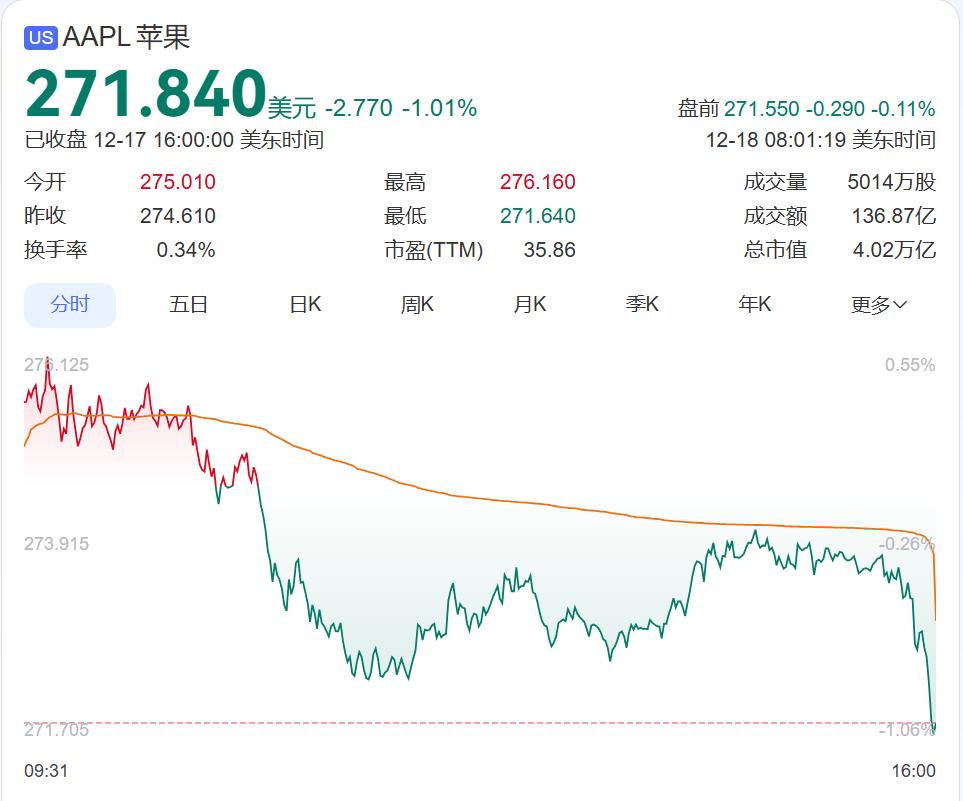
Core Viewpoint - Apple has announced the opening of third-party app stores and external payment channels in Japan to comply with the "Specific Smartphone Software Competition Promotion Law," marking Japan as the first Asian country to break Apple's dual monopoly on app distribution and in-app purchases [1][2]. Group 1: Changes in Apple's Policies - Apple has significantly reduced its "Apple tax" in Japan, introducing a tiered commission structure for different payment scenarios, with commissions ranging from 5% to 21% [2][3]. - The new fee structure includes a 10% to 21% commission for in-app third-party payments, a 10% to 15% commission for external payment links, and a 5% core technology fee for transactions through third-party app stores or sideloaded apps [2][3]. Group 2: Regulatory Context - The changes stem from the Japanese National Assembly's passage of the "Specific Smartphone Software Competition Promotion Law" in April 2024, which aims to curb monopolistic practices by software providers [3]. - The Japan Fair Trade Commission has outlined numerous prohibitions against Apple, including excessive commission charges for third-party payments and unreasonable technical restrictions [3]. Group 3: Comparison with Other Markets - Among Apple's top four global markets (U.S., EU, China, Japan), only China continues to experience Apple's dual monopoly on app payments and distribution [5]. - In China, Apple maintains the highest commission rates for in-app transactions globally, charging 30% for standard enterprises and 15% for small developers [5][8]. Group 4: Developer Impact - The high commission rates in China have raised operational costs for many app developers, particularly smaller teams and individual developers [6]. - Apple's practices have led to significant scrutiny and legal challenges from Chinese consumers regarding its monopolistic behavior, although recent court rulings have not favored the plaintiffs [9][10]. Group 5: Market Performance - Apple's revenue in the Greater China region has shown a decline, with a 3.6% drop reported in the fourth quarter of fiscal year 2025, contrasting with growth in other regions [14]. - Despite a recent uptick in growth in the third quarter, the overall performance in China remains a concern, with competition from local brands intensifying [16].
Netflix变了:打破原则,800亿豪赌 “影视一哥”
首席商业评论· 2025-12-13 04:21
Core Viewpoint - The acquisition of Warner Bros. Discovery (WBD) by Netflix for $72 billion, along with assuming $10.7 billion in debt, marks a significant shift in Netflix's strategy, driven by growth anxiety and changes in management style [4][13]. Group 1: Acquisition Details - The assets being acquired include WBD's streaming services HBO, WBO Studios, and iconic IPs such as "Harry Potter," "DC Universe," and "Game of Thrones," excluding sports content [6]. - The total acquisition cost amounts to $82.7 billion, with Netflix paying $27.75 per share, 84% in cash and 16% in stock. This values WBD at 22x EV/Adj. EBITDA, which is higher than Netflix's current valuation of 30x [8]. - The merger is expected to occur after WBD's restructuring, likely in Q3 2026, pending regulatory approval due to potential antitrust concerns [9]. Group 2: Strategic Shift - Netflix's shift from a "build rather than buy" strategy is attributed to increasing costs of creating new IP and the need to maintain revenue growth amid rising user expectations [13][14]. - The introduction of a 100% tariff on foreign-produced content by the Trump administration poses challenges to Netflix's international strategy, which relies heavily on overseas content production [15]. - Acquiring existing IPs is seen as a viable option to enhance Netflix's content library and explore various monetization avenues, especially given WBD's success in IP derivatives [18]. Group 3: Management Changes - The change in Netflix's management style from idealism to a more pragmatic approach is evident, especially after the departure of founder Reed Hastings, who was a strong proponent of original content [19][20]. - Hastings' recent stock sales signal a shift in Netflix's strategic direction, aligning with the new leadership's focus on realistic growth strategies [20]. Group 4: Market Implications - The acquisition raises concerns about short-term financial pressures and cash flow, as the high debt incurred may outweigh the anticipated savings from content costs [21][24]. - The potential overlap in user bases between Netflix and HBO MAX could limit the expected increase in subscribers, complicating the financial justification for the acquisition [22]. - The deal's success hinges on Netflix's ability to realize synergies and manage the financial implications of the acquisition effectively [24].
欧盟反垄断监管机构批准博通收购VMware交易存在失误
Xin Lang Cai Jing· 2025-12-11 13:59
Core Viewpoint - The European Cloud Infrastructure Services Providers Association (CISPE) has filed a lawsuit against the European Commission, claiming that the antitrust regulators did not adequately analyze the risks associated with Broadcom's $69 billion acquisition of VMware before approving the deal [1][2]. Group 1: CISPE's Claims - CISPE, which has 46 member organizations in Europe, including Microsoft and Amazon as associate members, argues that the European Commission made legal errors and significant assessment mistakes in evaluating the impact of the acquisition on the server virtualization software market [1][2]. - The association asserts that the European Commission failed to assess the effects of the transaction on the server virtualization software market, constituting a legal error and violating its obligations under the Merger Regulation and relevant case law [1][2]. Group 2: Responses from Involved Parties - Broadcom has firmly rejected CISPE's allegations, maintaining that the acquisition is beneficial [1][2]. - A spokesperson for the European Commission stated that they have no specific comments at this time but are prepared to defend their decision in court [1][2]. - CISPE's Secretary General, Francisco Mingorance, expressed that the regulatory oversight has caused tangible harm to the European cloud computing industry and all institutions relying on it [1][2].


谷歌慌了?欧盟拿苹果当标尺,应用商店整改不达标将挨重罚
Huan Qiu Wang Zi Xun· 2025-12-11 03:40
Core Viewpoint - The European Commission is using Apple's App Store compliance measures as a benchmark to evaluate Google's App Store compliance, with potential hefty fines for Google by Q1 2025 if it fails to meet standards [1][4]. Group 1: Regulatory Context - The regulatory developments stem from the implementation of the Digital Markets Act, which led to a €500 million fine imposed on Apple earlier this year for violations [4]. - Apple's comprehensive App Store reform plan has become an "invisible benchmark" for regulatory compliance in the industry, despite not being officially recognized by the EU [4]. Group 2: Google's Compliance Measures - Google's reform measures announced in August were criticized for being insufficient, as the EU believes they do not meet core requirements such as allowing developers to direct users to third-party payment channels [4]. - Although Google reduced the initial acquisition fee for developers from 10% to 3% and introduced a tiered fee structure, the EU still sees gaps in compliance compared to Apple's approach [4]. Group 3: Implications for the Industry - The EU's stance indicates a shift towards a "benchmarking" phase in app store regulation, with Apple transitioning from a "penalized entity" to a "reference point" for compliance [4]. - This development is expected to accelerate Google's reform process and provide a new direction for global app store compliance reforms, making Google's ability to implement additional measures a key focus in antitrust regulation within the tech industry [4].

超级富二代豪掷7600亿,跟奈飞干上了
投中网· 2025-12-11 03:10
Core Viewpoint - The article discusses the dramatic acquisition of Warner Bros. Discovery by Netflix for a total value of $82.7 billion, highlighting the shift in power dynamics between traditional media companies and streaming giants [3][19]. Group 1: Acquisition Details - Netflix announced an agreement to acquire Warner Bros. Discovery's film production and streaming business for $82.7 billion, consisting of $72 billion in stock and additional debt [3][19]. - The deal is expected to be completed within 12 to 18 months, marking a significant shift in the media landscape [3][19]. - The acquisition has sparked interest from other competitors, including Paramount and Comcast, indicating a highly competitive environment [5][13]. Group 2: Warner Bros. Background - Warner Bros. was founded in 1918 and is one of the oldest film studios in Hollywood, known for iconic franchises like Batman, Harry Potter, and Game of Thrones [8][12]. - The company has faced significant challenges, including high debt levels and declining revenues from traditional cable businesses, leading to substantial losses in recent fiscal years [11][12]. - Warner's core business has been shrinking, with its cable networks losing subscribers and advertising revenue, while its streaming service HBO Max has struggled to achieve profitability [12][13]. Group 3: Competitive Landscape - The article highlights the emergence of new players like Paramount and the involvement of David Ellison, who is leveraging his family's wealth and political connections to challenge Netflix's acquisition [5][21][23]. - Paramount's aggressive bid of $108.4 billion for Warner Bros. reflects the intense competition among media companies to consolidate and enhance their content offerings [5][21]. - The potential merger of Paramount and Warner Bros. could create a formidable competitor to Netflix and Disney, raising concerns about market monopolization [19][21]. Group 4: Financial Performance - Netflix's strong financial performance, with revenues of $11.08 billion and a 15.9% year-over-year growth, positions it well for this acquisition [17]. - The company has shifted its strategy from being a builder to a buyer, indicating a willingness to pursue acquisitions to overcome growth limitations [17][18]. - The acquisition is seen as a strategic move to enhance Netflix's content library and production capabilities, complementing its existing strengths [18][19].

奈飞收购华纳兄弟探索资产交易面临消费者集体诉讼
Ge Long Hui A P P· 2025-12-10 08:45
Group 1 - The core viewpoint of the article is that Netflix's proposed acquisition of Warner Bros. Discovery assets for $72 billion is facing a consumer class-action lawsuit, which claims the deal may reduce choices for U.S. subscription streaming platforms [1] - Some members of Congress have expressed concerns regarding Netflix's acquisition proposal, indicating that the transaction will likely face strict scrutiny under U.S. antitrust laws [1] - Paramount Global has initiated a hostile takeover bid for Warner Bros. Discovery, offering a cash proposal of $30 per share, which values the company at $108.4 billion [1] Group 2 - Netflix has stated that it believes the lawsuit is baseless and is merely a tactic by the plaintiff's lawyers to exploit market attention on the transaction [1]
Netflix变了:打破原则,800亿豪赌 “影视一哥”
虎嗅APP· 2025-12-09 11:14
Core Viewpoint - The acquisition of Warner Bros. Discovery (WBD) by Netflix for $72 billion, along with assuming $10.7 billion in debt, marks a significant shift in Netflix's strategy, driven by growth anxiety and changes in management style [5][10][13]. Acquisition Details - The assets being acquired include WBD's streaming services like HBO, WBO Studios, and iconic IPs such as "Harry Potter," "DC Universe," and "Game of Thrones," while excluding sports content [7][8]. - The total acquisition cost amounts to $82.7 billion, with Netflix paying $27.75 per share, 84% in cash and 16% in stock [8][9]. - The merger is expected to occur after WBD's restructuring, likely post-Q3 2026, pending regulatory approval due to antitrust concerns [9][10]. Market Context - The valuation of the acquisition is approximately 22x EV/Adj. EBITDA, which is higher than Netflix's current valuation of around 30x [9]. - Netflix's cash reserves are limited, necessitating a $59 billion bridge loan from banks to finance the cash portion of the deal [9][10]. Regulatory Concerns - The primary risk associated with the acquisition is regulatory scrutiny, particularly regarding antitrust issues, as the combined user base in the U.S. could exceed 30% of the market [10][11]. - Netflix may attempt to redefine the streaming market to mitigate regulatory risks by including platforms like YouTube in market share calculations [11][13]. Strategic Shift - Netflix's shift from a "build rather than buy" strategy is attributed to increasing costs of creating new IP and the need for more diverse content to sustain growth [14][15]. - The imposition of a 100% tariff on foreign-produced content by the Trump administration could hinder Netflix's international strategy, further motivating the acquisition [15][16]. Management Changes - The change in Netflix's management style from idealism to a more pragmatic approach is evident, especially following the departure of founder Reed Hastings [17][19]. - Hastings' recent stock sales suggest a divergence from the company's current strategic direction, indicating a shift towards a more realistic outlook under new leadership [19][20]. Financial Implications - The acquisition is expected to save Netflix $2-3 billion annually in content costs, but the financial burden of the bridge loan could exceed these savings, leading to increased interest expenses [21][22]. - The deal may create short-term cash flow pressures and uncertainty for investors, potentially leading to a transition period as the market adjusts to the new strategy [22].