
城市可持续发展

Search documents
老“网红”城市厦门的“长红”考题
2 1 Shi Ji Jing Ji Bao Dao· 2025-12-09 10:22
Core Insights - Xiamen is at a critical juncture, balancing the drive to meet its 2025 GDP targets with the need to transform its "internet celebrity" status into sustainable development capabilities [1] - The city is shifting from leveraging external "aesthetic" capital to focusing on internal pragmatic attitudes, open ecosystems, and service capabilities to cultivate endogenous growth [1] Population Dynamics - Xiamen's permanent population has reached 5.35 million, a 0.43% increase from the previous year, leading the population growth in Fujian Province [3] - The population distribution is changing, with the district of Jimei housing 1.101 million residents, nearly half of the total population of Xiamen Island [4] Talent Attraction and Policies - Xiamen's inclusive atmosphere is evident in its talent policies, with significant support for new talent, including living subsidies and housing guarantees [3] - The city has implemented systematic talent policies that have attracted a diverse workforce, with half of the employees in some departments coming from outside the province [3] Business Environment - Xiamen is enhancing its business environment through innovative mechanisms and process reengineering, aiming to create a service ecosystem that supports enterprises throughout their lifecycle [5][6] - The city has achieved over 70% in "non-face-to-face" approval processes, reflecting its commitment to efficient governance [6] Economic Transformation - Xiamen ranks 10th in the national city network image index, emphasizing the need to transition from "internet celebrity" traffic to sustainable value creation [7] - The city faces challenges such as a trade-heavy economy and insufficient manufacturing support, with local supply chain integration below 60% for core components [8] Strategic Development Plans - The "15th Five-Year Plan" outlines a shift from external demand-driven growth to internal motivation, focusing on strengthening technological innovation and modernizing the industrial system [8][9] - The plan aims to enhance urban space utilization and develop a multi-centered urban structure, addressing imbalances between island and outer districts [9]
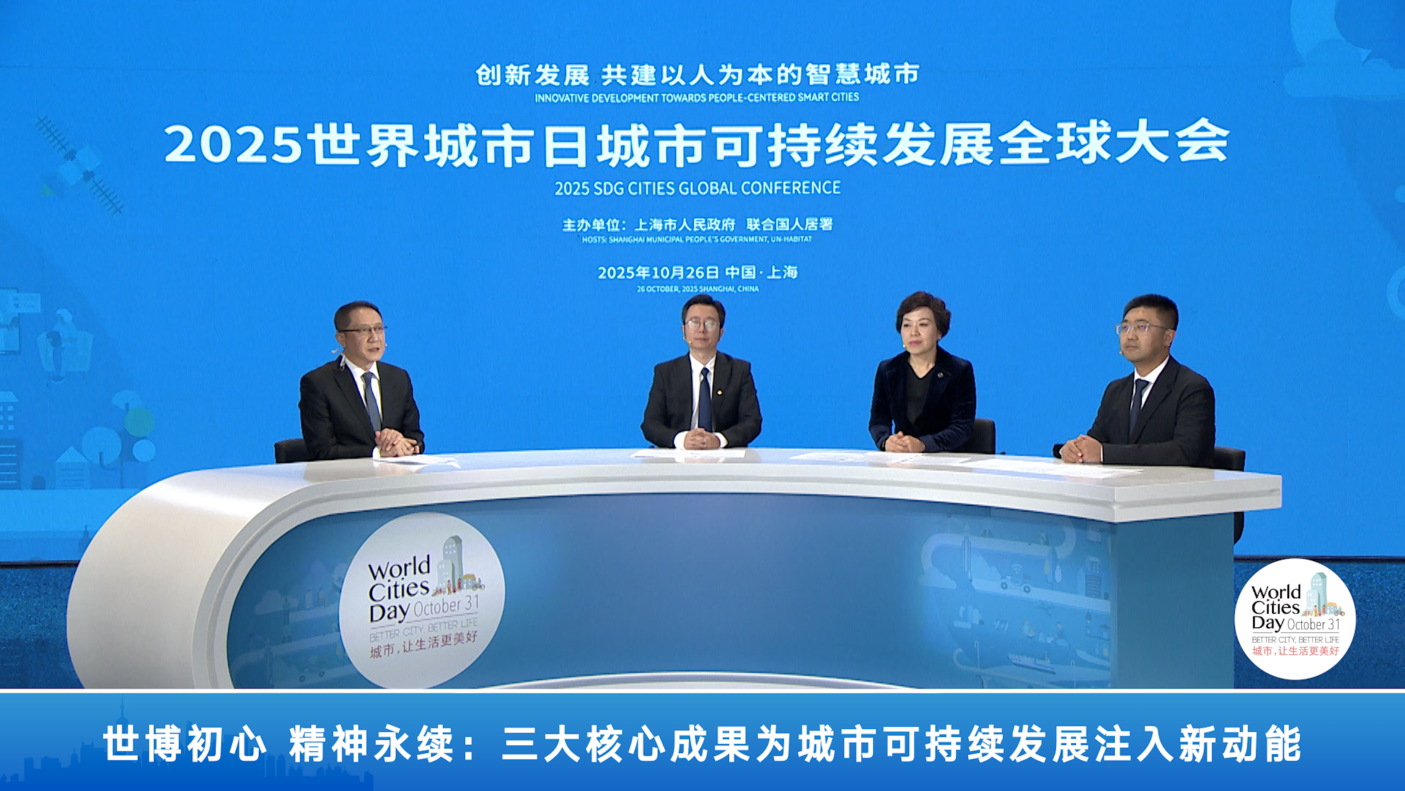
世博初心 精神永续:三大核心成果为城市可持续发展注入新动能
Di Yi Cai Jing· 2025-11-27 07:24
Core Insights - The spirit of the Expo will continue to invigorate and drive global sustainable development in the new era, transitioning from the vision of the 2010 Shanghai Expo to the outcomes of the 2025 World Cities Day [1] Group 1: Innovations in Urban Development - The 2025 World Cities Day Global Conference showcased innovative achievements in urban construction and management, reflecting a commitment to sustainable urban development [3] - MAZU-Urban, an AI-driven early warning system for urban multi-hazards, has been implemented in 35 countries and regions, enhancing disaster warning timeliness from "hour-level" to "minute-level" [5] - The "Smart City Cloud" series of products provides comprehensive lifecycle management for urban infrastructure, emphasizing the importance of data sharing for effective smart city development [7] Group 2: Green Urban Standards - The "International Standard for Green Block Design" fills a gap in global standards, transforming the concept of livability into actionable criteria for urban areas [9] - The green block standard evaluates urban areas based on green environment, facilities, and governance, helping citizens assess whether their neighborhoods meet their expectations for livability [9] - The integration of government, industry, academia, and research will further promote the implementation of these "Chinese solutions" globally, enhancing the spirit of the Expo as a driving force for sustainable development [9]

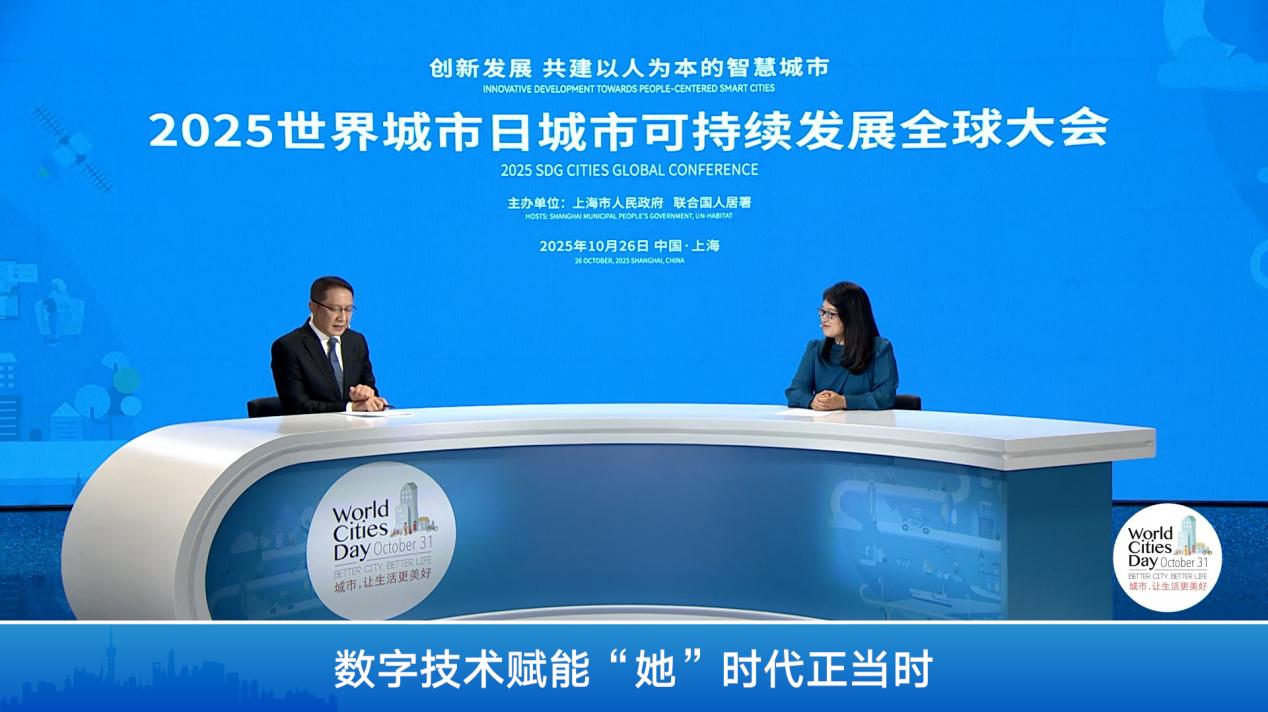
城市,如何让生活更美好?
Di Yi Cai Jing· 2025-11-27 07:24
Group 1 - The core idea emphasizes the importance of both scientific metrics and humanistic care in the sustainable development of cities, particularly through discussions on "women-friendly cities" and the "Shanghai Index" during the 2025 World Cities Day Global Conference on Urban Sustainable Development [1][3] Group 2 - Significant progress has been made in women's friendliness in Chinese cities over the past 20 years, with improvements in public lighting and the establishment of family care rooms reflecting the city's attention to women's and family needs [3][5] - However, there are still "invisible inconveniences" in urban development, such as the replacement of small shops by large supermarkets, which diminishes women's shopping convenience and community engagement [3][5] - The concept of "independent women" is discussed, highlighting that true independence involves "multiple dependencies," allowing women to balance family responsibilities and social value [5] Group 3 - The "Shanghai Index," developed by the Shanghai government and UN-Habitat, serves as a measurement tool for global urban sustainable development, focusing on four core values: safety, inclusivity, resilience, and sustainability [7][9] - The index consists of a foundational database with 47 indicators, designed for self-comparison and improvement rather than competition among cities [7][9] - It aims to support scientific public policy decisions in urban renewal, using specific indicators like the "urban night lighting index" to track vitality changes in built-up areas [7][9] Group 4 - The "Shanghai Index" is tailored for different city types, allowing for differentiated application scenarios, akin to various events in the Olympics with their own scoring standards [9] - Future development of the index is envisioned to complement other technical tools, guiding global cities towards greener, fairer, and smarter development [9]
世界市长点赞南京滨水城市治理经验
Ren Min Ri Bao· 2025-11-25 22:56
Group 1: Event Overview - The "2025 World Mayors Dialogue" event opened in Nanjing, focusing on sustainable urban development and sharing governance experiences among cities from various countries [1] - The event is guided by the State Council Information Office and aims to enhance international cooperation and mutual learning among cities [1] Group 2: Cultural Heritage and Urban Vitality - Nanjing's Ming City Wall, a UNESCO-recognized heritage site, is a key example of cultural preservation, with 25.1 kilometers well-preserved and over 600,000 bricks recycled since 2016 [3] - The "micro-renewal" approach in historical districts like Xiaoxihu and Laomendong has successfully retained cultural characteristics while revitalizing the area, earning awards for innovative design [3][4] Group 3: Green Development Initiatives - Nanjing is the only city in the Yangtze River basin where wild Yangtze River dolphins can be observed, with their population nearly doubling to about 65 over the past decade due to conservation efforts [7][8] - The city has restored approximately 1.7 million square meters of green space and 11 kilometers of ecological shoreline, promoting biodiversity and environmental health [8] Group 4: Smart City Governance - Nanjing's "One Network Management" platform enhances urban governance through digital integration, enabling real-time monitoring and decision-making across various sectors [10][11] - The city aims to create a digital governance model that supports sustainable urban development and efficient resource management [11] Group 5: International Collaboration and Consensus - The "Nanjing Consensus on River City Development" was established, emphasizing cooperation to address global challenges such as climate change and cultural heritage preservation [13] - The consensus advocates for sustainable practices, cultural diversity, and equitable urban development, fostering international dialogue and collaboration among river cities [13][14]
扬子潮涌,文明共启!2025世界市长对话·南京盛大开幕
Nan Jing Ri Bao· 2025-11-20 02:39
Group 1 - The "2025 World Mayors Dialogue" event held in Nanjing focuses on sharing advanced urban governance experiences and exploring future urban development trends and challenges for sustainable global city development [1][2] - The event is part of a national brand initiative aimed at enhancing international trust and friendship through dialogue among city mayors, showcasing China's modernization achievements [2][3] - Nanjing's unique position as a historical city along the Yangtze River adds significance to the event, coinciding with the fifth anniversary of a key meeting on the Yangtze Economic Belt development [2][3] Group 2 - The event features four thematic activities: "Vibrancy of Waterfront Cities," "Cultural Heritage Protection," "Ecological Restoration and Green Transformation," and "Waterfront Cities and Literature," aimed at showcasing Nanjing's cultural and ecological initiatives [3] - Participants will engage in practical discussions on challenges and share experiences in cultural heritage protection, green development, and smart city construction [3][4] - The opening ceremony, "Yangtze Night," highlighted Nanjing's historical significance as a maritime Silk Road hub, featuring performances and a symbolic ship launch representing friendship and cooperation [4][5] Group 3 - The event serves as an important dialogue platform for global waterfront cities, promoting sustainable urban development through diverse exchange formats [5]
“2025世界市长对话·南京”活动开幕
Xin Hua Ri Bao· 2025-11-19 23:25
在启幕环节"长江之夜"活动中,李忠军以大报恩塔为媒介,介绍了南京独特的城市魅力。他表示, 希望以此次活动为契机,加强城市间友好往来,在互学互鉴中启迪智慧,在交流交往中深化友谊,在共 赢共荣中创造未来。 11月19日,以"扬子潮涌 文明共启"为主题的"2025世界市长对话·南京"活动拉开帷幕。副省长,南 京市委副书记、代市长李忠军出席开幕活动并致辞,文莱内政部部长哈吉·阿赫马丁、埃及吉萨省副省 长亨德·穆罕默德·艾哈迈德·阿卜杜勒哈利姆等嘉宾出席活动。 "世界市长对话"是国务院新闻办指导的品牌外宣活动。"2025世界市长对话·南京"活动为期三天, 以世界滨水城市为参与主体。来自德国、意大利、塞尔维亚、纳米比亚、马来西亚、墨西哥、尼泊尔等 国家的友好城市,以及联合国教科文组织"创意城市网络"城市市长及代表,将共同分享城市治理经验, 探讨城市发展趋势,为推动城市可持续发展贡献智慧。 ...
述评:杭州灵隐飞来峰免费开放 将还湖于民进行到底
Zhong Guo Xin Wen Wang· 2025-11-19 12:24
述评:杭州灵隐飞来峰免费开放 将还湖于民进行到底 中新网杭州11月19日电 题:述评:杭州灵隐飞来峰免费开放 将还湖于民进行到底 作者 严格 林波 11月19日,浙江杭州宣布,自2025年12月1日起,西湖风景名胜区灵隐飞来峰景区(含灵隐寺、永福寺、 韬光寺)将取消门票,实施免费预约入园。 灵隐飞来峰是西湖世界文化遗产的重要组成部分,其中,千年古刹灵隐寺的双塔双经幢和飞来峰造像都 是全国重点文物保护单位。 2024年7月,灵隐飞来峰景区一景。 林波 摄 多年来,对于灵隐飞来峰的收费问题,社会各界一直有不同声音。这一次免票开放,可以说是杭州市顺 应民意,西湖还湖于民、还景于民的又一重要举措。 多年来,还湖于民、还景于民是杭州市一以贯之的准则。 20世纪80年代初,由于一度城市发展方向的错位,杭州西湖的景观功能萎缩。杭州环湖马路圈内的280 余公顷区域面积中,有80多公顷为各单位和居民占用,这些建筑零乱破旧,格调参差不一。 1983年,杭州市决定"拆墙",开始大规模地拆房还绿,建设环湖绿地,还景于民,还湖于民。 时任杭州市委书记厉德馨曾告诉作者,还湖于民难度极大,当时西湖周边的住家和单位多有来头和背 景,但杭州市 ...
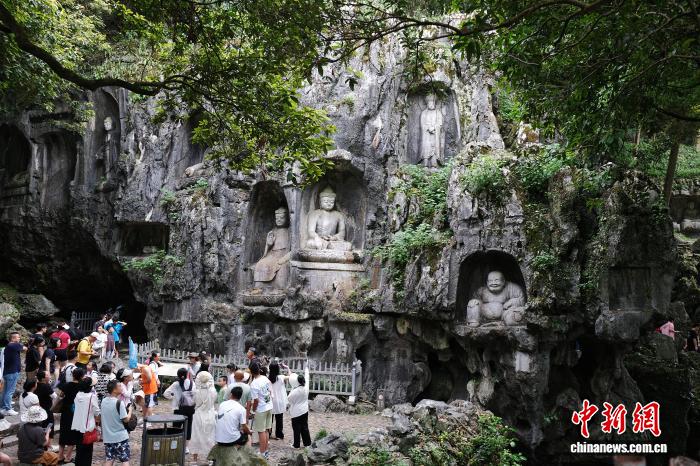
探寻城市可持续发展的上海答案
Di Yi Cai Jing· 2025-11-08 10:27
Core Insights - The rapid development and transformation of cities necessitate a focus on sustainability and livability, which has become a global issue [1][3] - The World Urban Day Global Conference on Sustainable Urban Development, co-hosted by the Shanghai Municipal Government and UN-Habitat, aims to deepen the brand connotation of the "Urban Development Conference" [1][3] Group 1: UN-Local Government Cooperation Model - The "Urban Development Conference" represents a unique mechanism innovation that integrates global agendas and international standards into urban planning and governance [3] - This model facilitates a two-way interaction between the UN and local governments, translating global sustainable development goals (SDGs) into executable urban projects [3] - The conference has established stable partnerships with over 100 cities globally, creating a valuable resource for long-term cooperation through cross-regional and cross-departmental trust [3] Group 2: Thematic Framework of the Conference - The conference is designed around three major themes that address interconnected urban challenges, forming a "complete loop" for urban governance [4] - The themes include "Good Housing," which relates to social equity; "Green, Low-Carbon, and Resilient," which pertains to urban safety and future; and "Digital Governance," which enhances urban efficiency [4] - Approximately 2.8 billion people globally still live in inadequate housing conditions, making "Good Housing" a significant global issue beyond mere construction [4] Group 3: Technological Output and Global Sharing - The conference aims to promote Chinese innovative technologies, such as the MAZU-Urban early warning system and "Smart City Cloud," as global shared tools [6] - It serves as a platform for dialogue between representatives of developing countries and Chinese technology teams to explore the applicability of technologies under different socio-economic conditions [6] - The focus is on knowledge sharing, technology openness, and capacity building to enable cities to localize and apply these experiences effectively [6] Group 4: Empowering the Next Generation - The conference seeks to engage youth in shaping the future of cities through initiatives like the "Future City Innovation Challenge" and "Youth Forum" [7] - It provides opportunities for young entrepreneurs and students to interact directly with city managers and international organizations, allowing their ideas to be put into practice [7] - Collaborations with universities and communities aim to educate young people on the significance of sustainable development, making it an accessible journey for them [7]
双城联动共话全球治理 中哥交流共绘文明新篇
Ren Min Ri Bao Hai Wai Ban· 2025-11-05 22:11
Group 1 - The theme of the global series of events for World Cities Day from October to November is "Human-Centered Smart Cities" localized practices, which aims to create a new platform for dialogue on global governance issues and enhance cultural exchange between Colombia and China [1] - The interaction between Bogotá and Shanghai during World Cities Day showcases the unique value of cultural exchange and governance experience dissemination, particularly through the "Easy Reading - International Public Welfare Salon" project launched at the Confucius Institute of Universidad de los Andes [2] - The project serves as a space for multilingual toolkits, cultural displays, and innovation incubation, focusing on topics such as "urban cultural heritage" and "community service enhancement" through youth dialogue between the two countries [2] Group 2 - The Shanghai Songding Social Innovation Development Center, the first social organization in Shanghai to obtain special consultative status with the United Nations Economic and Social Council (ECOSOC), participated in the event, representing China's civil society's contribution to international cooperation [3] - The participation of Songding Social Innovation Development Center highlights the professionalization and internationalization of Chinese civil organizations, showcasing a model of "local accumulation + international recognition" in the development of China's public welfare sector [3] - Increasingly, capable civil organizations are becoming new dialogue interfaces connecting China with the world, injecting more vitality into international cooperation [3]

【中国新闻网】研究证实大型古树是城市鸟类重要庇护所
Zhong Guo Xin Wen Wang· 2025-11-05 02:34
Core Insights - The research led by Chen Sichong from the Wuhan Botanical Garden confirms that large ancient trees play a crucial "refuge" role for urban birds, as published in the journal "Biological Conservation" [1][2] Group 1: Importance of Large Ancient Trees - Urbanization leads to habitat fragmentation, making large ancient trees invaluable as they provide ecological functions that newly constructed green spaces cannot replace [1] - The complex structure of the tree canopy offers essential resting spots for birds, while the abundant fruits serve as a vital food source for frugivorous birds [1] Group 2: Research Findings - The team observed 30 large ancient trees, including camphor, elm, and oak, and recorded behaviors of approximately 5,000 birds, identifying 41 species [1] - As urbanization increases, bird diversity declines, yet the reliance on large trees by birds increases; birds in urban centers are four times more likely to rest on these trees and over 150 times more likely to feed on their fruits compared to those in rural areas [1] Group 3: Behavioral Observations - There is no significant difference in the duration of resting or feeding on large trees between birds in suburban and urban areas, although a slight decrease in urban centers may be attributed to higher disturbances [2] - The study emphasizes that large ancient trees are not only historical artifacts but also essential infrastructure for maintaining urban ecological functions and building resilient urban landscapes [2] Group 4: Conservation Recommendations - Protection of large ancient trees should go beyond mere designation; urban planning must maintain their microhabitats and improve surrounding green space systems to ensure these trees become a cornerstone of sustainable urban development [2]