
大思政课

Search documents
每天锻炼2小时、学前一年免费……2025十大教改热词发布
Ren Min Ri Bao· 2025-12-30 04:57
Core Viewpoint - The Ministry of Education and the National Language Resources Monitoring and Research Center have launched the "Top 10 Education Reform Buzzwords for 2025," highlighting key initiatives aimed at advancing educational reform and quality in China [40]. Group 1: Major Education Reform Buzzwords - "Big Ideological and Political Course" aims to integrate traditional ideological education with real-world examples to enhance students' understanding of socialist values and national stories [40][41]. - "Daily Exercise for 2 Hours" mandates that primary and secondary school students engage in at least 2 hours of physical activity daily, promoting health and fitness [42]. - "Adjustment and Optimization of Subject and Major Settings" focuses on aligning higher education programs with national strategic needs and industry developments, enhancing talent quality and adaptability [43]. - "Transformation of University Scientific Achievements" emphasizes the importance of converting academic research into practical applications to foster economic and social development [44][45]. - "Cultivation of Excellent Engineers" aims to develop high-level engineering talents through a collaborative education model that integrates industry needs with academic training [46]. - "County High School Revitalization" seeks to improve the quality of education in rural areas by optimizing resources and enhancing teaching conditions [47]. - "Free Year of Preschool Education" will eliminate fees for the final year of public kindergarten starting in the 2025 academic year, promoting educational equity [48]. - "Expansion of Quality Undergraduate Education" focuses on increasing enrollment in top-tier universities while ensuring quality through targeted adjustments in program offerings [50]. - "New Dual High Standards in Vocational Education" aims to enhance vocational training by aligning educational programs with industry demands and national strategies [51]. - "Education Collaborative Network" promotes cooperation among schools, families, and communities to support student development and well-being [52].

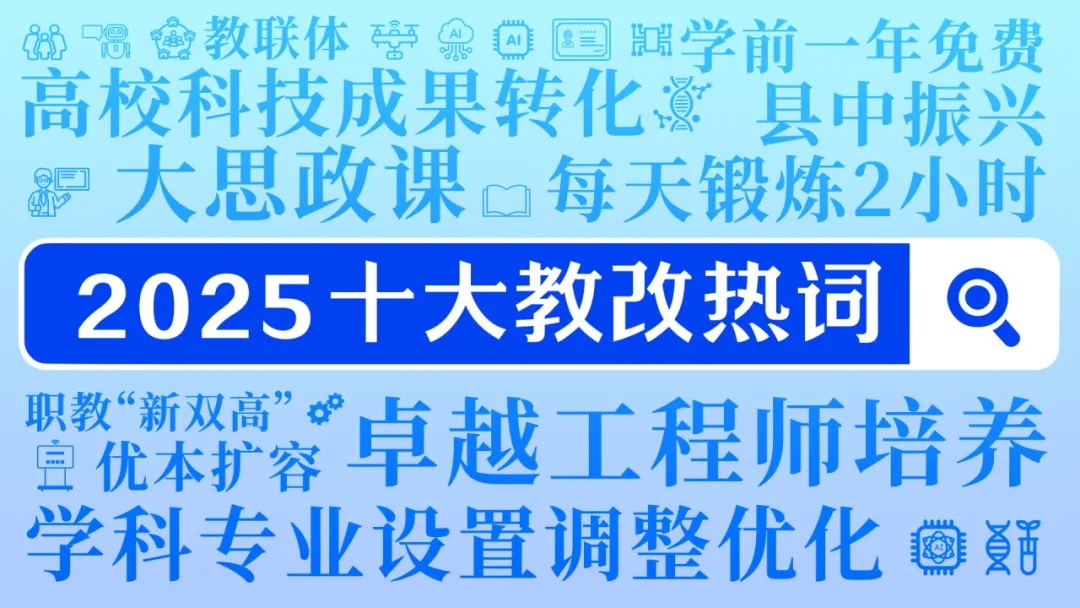
速递!2025十大教改热词发布
Bei Jing Ri Bao Ke Hu Duan· 2025-12-30 04:30
Core Viewpoint - The article discusses the "Top Ten Education Reform Buzzwords for 2025" released by the Ministry of Education, highlighting key initiatives aimed at advancing educational reform and strengthening the education system in China [3][4]. Group 1: Major Educational Initiatives - "Big Ideological and Political Course" aims to integrate social resources into education, focusing on practical education that aligns with Xi Jinping's thoughts on socialism with Chinese characteristics [3][4]. - "Daily Exercise for 2 Hours" mandates that primary and secondary school students engage in at least 2 hours of physical activity daily, as part of a broader initiative to enhance student health [6]. - "Adjustment and Optimization of Subject and Major Settings" involves systematic changes to higher education programs to better align with national strategic needs and industry developments, including the introduction of new disciplines like artificial intelligence and integrated circuits [7]. Group 2: Technology and Innovation in Education - "Transformation of University Scientific Achievements" focuses on enhancing the integration of education and technology, promoting the commercialization of research outcomes through various methods [8][9]. - "Cultivation of Excellent Engineers" emphasizes training high-level engineering talents through a collaborative education model that integrates industry needs and practical problem-solving [10]. Group 3: Enhancing Educational Access and Quality - "Revitalization of County High Schools" aims to improve the quality of education in rural areas by optimizing resource allocation and enhancing teaching conditions [11]. - "Free Year of Preschool Education" will eliminate fees for the final year of preschool education in public kindergartens starting in the fall of 2025, addressing public concerns about educational costs [12]. - "Expansion of Quality Undergraduate Education" seeks to increase enrollment in high-quality undergraduate programs, particularly in fields aligned with national needs [13]. Group 4: Vocational Education and Community Collaboration - "New Dual High Standards in Vocational Education" focuses on enhancing vocational education to better serve industry needs and societal development, with a strong emphasis on practical skills [14]. - "Educational Alliance" promotes collaboration among schools, families, and communities to support student development and address challenges in their growth [15][16].
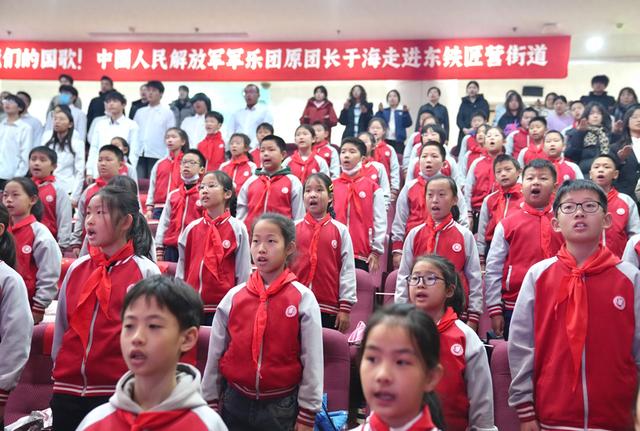
这堂“大思政课”上,他们用手语“唱响”国歌!
Xin Lang Cai Jing· 2025-12-26 10:49
这场"大思政课"开在北京联合大学特教学院报告厅内。台上台下用标准的国家通用手语"唱"国歌的,就 是特教学院的师生们,他们曾把手语国歌"唱响"在2022年冬残奥会开幕式上。 转自:北京日报客户端 当台上与台下的师生们一起用手语"唱响"国歌时,那无声的震撼,是对祖国最深情的告白!12月26日, 丰台区东铁匠营街道以"最爱我们的国歌"为主题的"大思政课"伊始,就给台下的中小学生们留下深刻印 象。 "我不会放下国歌,无论何时,我都将是一名捍卫国歌尊严的战士!"于海说。 值得一提的是,北京联合大学特教学院钟经华教授团队历时三年研制的《〈中华人民共和国国歌〉国家 通用盲文方案》,已于今年3月正式实施,让视障群体得以"亲手触摸"国歌的庄严,这一文化与精神的 双重跨越,为"最爱我们的国歌"写下生动注脚。 来源:北京日报客户端 这堂"大思政课"上,曾多次在国家重大庆典活动上担任乐团指挥的中国人民解放军军乐团原团长于海, 开启了他的第443场宣讲。他不仅带领孩子们回溯了《义勇军进行曲》在烽火岁月中诞生的历程,还将 他50年来连续参与国家重大庆典活动以及为《中华人民共和国国歌法》立法奔走呼吁的坚守娓娓道来。 ...
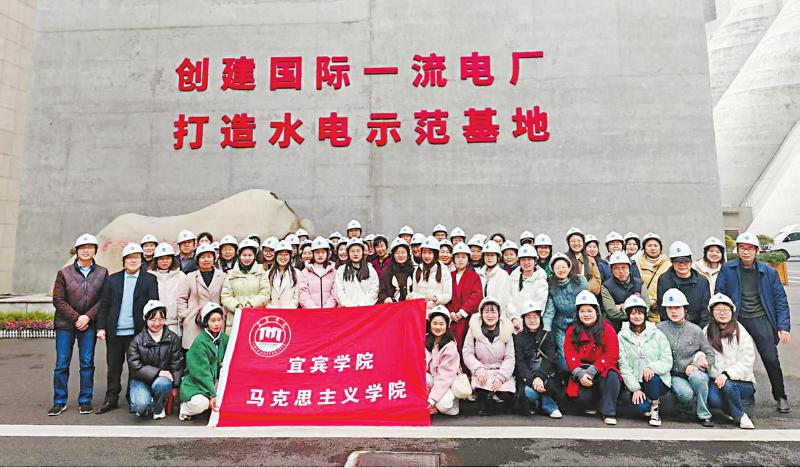
党建引领研教互促 聚力推进学院高质量发展
Si Chuan Ri Bao· 2025-12-14 21:53
学院党委善用"大思政课",深化理论宣讲,让党的创新理论"声"入人心。学院教师作为宜宾市"宜路有理"基层理 论宣讲队核心成员,深入基层一线开展宣讲,获得省委宣传部通报表扬。积极参加纪念中国人民抗日战争暨世界 反法西斯战争胜利80周年活动,依托宜宾市赵一曼纪念馆、李庄文化抗战博物馆等红色资源,打造"行走的思政 课";邀请雷锋战友陈国辅、赵一曼孙女陈红、"全国劳动模范"严克美等来校,将抽象的道理具象为可学可感的榜 样,使学生在耳濡目染中赓续红色血脉;学院党委书记受邀在约翰·拉贝北京交流中心和北京联合大学海外中国学 研究中心举办的学术会议上就"中国共产党人精神谱系的四川元素"作交流发言。 □马院宣(图片由宜宾学院马克思主义学院提供) 宜宾学院马克思主义学院坚持以习近平新时代中国特色社会主义思想为指导,深入学习贯彻习近平总书记关于学 校思政课建设的重要指示精神,紧紧围绕立德树人根本任务,以党建引领促发展,以研教互促提质量,以队伍建 设聚合力,以平实之心奋力书写新时代马克思主义学院建设的新篇章。 党建引领促发展 学院始终把党的政治建设摆在首位,实施"党建统揽""立心铸魂"工程,深入推进党建与人才培养深度融合,为学 院内涵 ...
聚焦成体特色 着力构建“大思政课”育人新格局
Si Chuan Ri Bao· 2025-12-14 21:53
□马院宣(图片由成都体育学院马克思主义学院提供) 成都体育学院马克思主义学院坚持思政课建设与党的创新理论武装同步推进,紧紧抓住思政课程和课程思政同向 同行的主线,积极推动思政课堂与"以体育人"有效融合,狠抓特色思政课,探索课程教学和社会实践"走出去、请 进来"两手共建的育人路径,着力构建具有鲜明成体特色的"大思政课"育人格局。 构建全环节的体育特色"大思政"课程体系 用习近平新时代中国特色社会主义思想铸魂育人,及时有效开展"三进"工作,推动党的创新理论及时、准确、高 效地进教材、进课堂、进学生头脑,是坚持思政课建设与党的创新理论武装同步推进的题中应有之义。近年来, 学院充分把握理论发展和教材体系中"变与不变"的规律,确保思想政治理论课课程体系兼具经典性和前沿性。先 后增设"习近平新时代中国特色社会主义思想概论""中华民族共同体概论""《资本论》选读"及"四史"等课程,着 力落实党的创新理论进入思政课堂,帮助学生全面系统地理解习近平新时代中国特色社会主义思想的核心要义, 帮助学生以大历史观的视野把握世界历史的发展脉络及规律。与此同时,学院有机融合体育院校校本特色,开 设"体育美育""奥林匹克文化与精神""马克思 ...
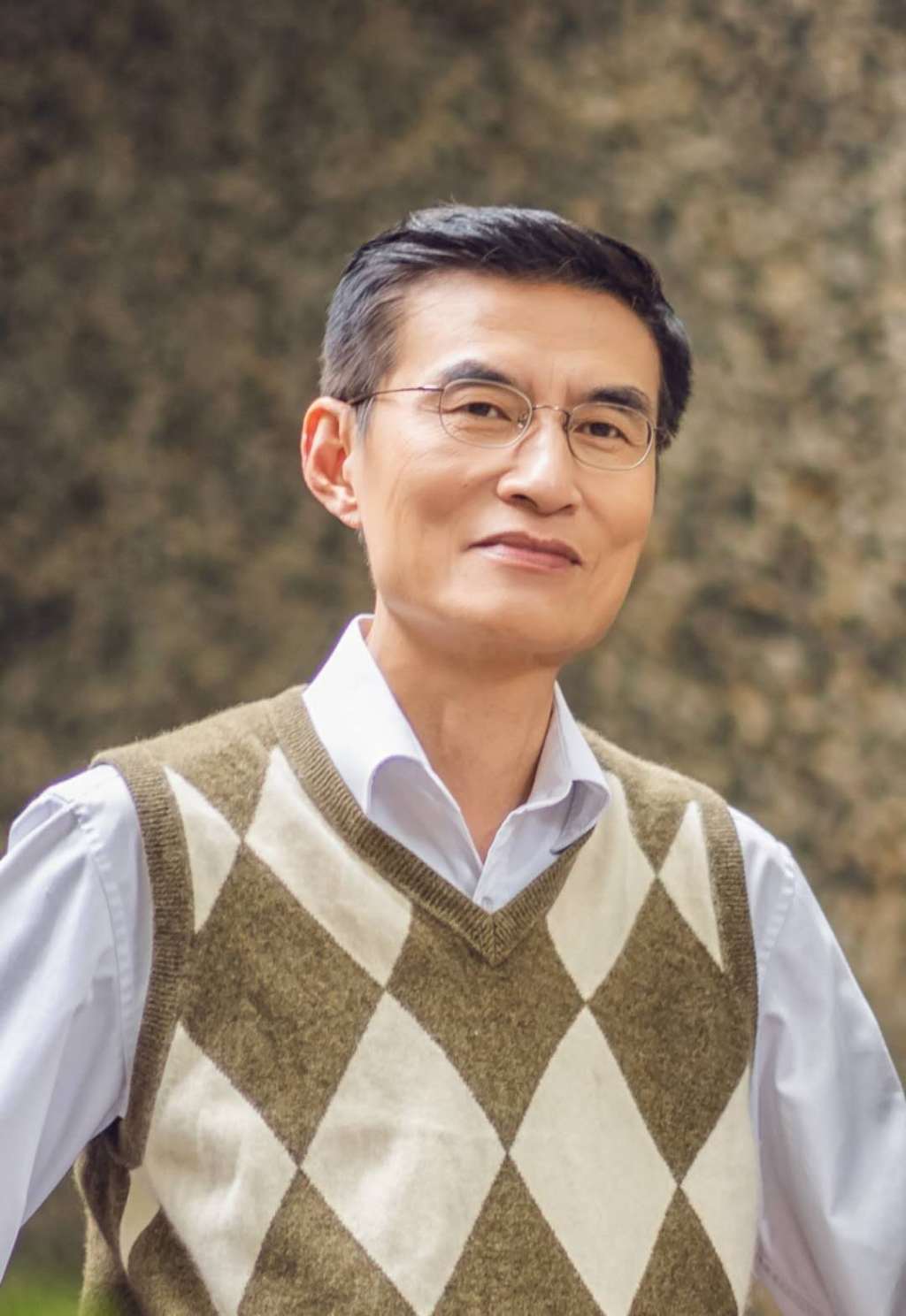
胡涵锦:人生最宝贵的时间献给最有意义的事业|上海“马克思主义理论突出贡献专家”系列访谈
Xin Lang Cai Jing· 2025-12-11 04:09
Core Viewpoint - The article discusses the development of the "Shanghai Marxist Theory Discipline Development Support Plan (2025-2027)" and highlights the recognition of outstanding contributors in Marxist theory education and research in Shanghai, emphasizing the importance of Marxist theory in contemporary education and its integration into the curriculum [1]. Group 1: Development Plan - The "Shanghai Marxist Theory Discipline Development Support Plan (2025-2027)" aims to enhance the study and promotion of Xi Jinping's Thought on Socialism with Chinese Characteristics for a New Era [1]. - The plan includes the recognition of 10 experts for their outstanding contributions to Marxist theory, 9 teaching masters, and 29 young and middle-aged backbones in the field [1]. Group 2: Interview with Hu Hanjin - Hu Hanjin, a professor at Shanghai Jiao Tong University, has dedicated his career to teaching and researching Marxist theory, evolving his focus from basic principles of Marxist philosophy to contemporary theories [5][6]. - He emphasizes three key sentiments in his career: gratitude, cherishment, and reverence, particularly for the opportunities provided by higher education [6]. Group 3: Teaching Philosophy - Hu Hanjin believes that effective teaching of Marxist theory requires a deep understanding of the subject matter, advocating for a comprehensive approach to lesson preparation that considers students' existing knowledge [22][23]. - He stresses the importance of integrating Marxist elements into various subjects, promoting the concept of "curriculum ideology" and the combination of "small ideological classes" with "large ideological classes" [11]. Group 4: Research Contributions - Hu Hanjin has published extensively on the practical application of Marxism in China, emphasizing that Marxist theory should be rooted in Chinese cultural traditions and historical experiences [12][15]. - His recent works focus on the development of new concepts and their significance in the context of contemporary Chinese society, reflecting on the evolution of Marxist thought [16][17].
深耕“四个课堂”创新“大思政课”育人模式
Zhong Guo Qing Nian Bao· 2025-12-07 22:48
Core Viewpoint - Hubei University of Technology is innovating its ideological and political education through a comprehensive "Big Ideological and Political Course" model, integrating various educational methods to enhance student engagement and national consciousness [1]. Group 1: Course Structure - The university has developed a tiered curriculum consisting of 6 mandatory ideological courses, 7 elective ideological courses, and 5 general education courses, forming a complete educational chain from theoretical foundation to personal choice and skill enhancement [2]. - Five mandatory ideological courses have been recognized as provincial-level first-class courses, solidifying the foundation for the "Big Ideological and Political Course" initiative [2]. Group 2: Integration of Industrial Spirit - The "Industrial Patriotism" spirit is deeply integrated into the ideological education, focusing on themes like "China's manufacturing rise" and "new industrialization strategy," while also incorporating ecological civilization and green development into the curriculum [3]. - The university has established a course on "Architectural Structure-1," which has been recognized as a model course for ideological education, demonstrating the integration of industry and education [3]. Group 3: Faculty Development - The university emphasizes the importance of faculty in delivering effective ideological courses, implementing training programs to enhance teachers' teaching design, theoretical interpretation, classroom management, and research capabilities [4]. - A total of 14 national-level research projects have been approved in recent years, reflecting the university's commitment to improving the quality of ideological education [4]. Group 4: Practical Learning - Social practice is viewed as a key component of ideological education, with the university innovating a model that combines classroom learning with real-world experience, allowing students to engage in "walking ideological courses" [5]. - The university has developed a virtual simulation course on "Socialist Core Values," attracting over 8,000 students for immersive learning experiences [5]. Group 5: Cultural Integration - The university has created a cultural education platform through the "Chasing Dreams" course, which involves collaboration among students, alumni, and industry experts to inspire students' aspirations [8]. - A community empowerment model has been established, integrating various educational resources and activities to create a comprehensive cultural learning environment [8]. Group 6: Digital and Media Engagement - The university leverages digital technology to create high-quality online ideological courses, expanding the reach and impact of its educational initiatives [10]. - A three-tiered communication system has been established to enhance the dissemination of positive energy and ideological education through various media platforms, achieving significant engagement [11].
“大思政课”视域下高校思想政治教育质量提升的 困境与路径探索
Yang Shi Wang· 2025-11-13 10:05
Core Concept - The "Big Ideological and Political Course" (大思政课) is a strategic initiative aimed at enhancing the quality of ideological and political education in higher education institutions, addressing the challenges posed by globalization and technological advancements [1][2]. Group 1: Theoretical Framework and Value - The "Big Ideological and Political Course" concept emphasizes the integration of classroom teaching with social practice, creating a comprehensive educational ecosystem that includes various stakeholders such as teachers, industry experts, and social forces [1][2]. - This approach aims to break the limitations of traditional teaching methods, fostering a more interactive and engaging learning environment that aligns with the needs of the digital age [2][3]. Group 2: Structural and Functional Changes - The restructuring of the ideological education system involves creating a multi-dimensional educational network that combines classroom, social, and online learning environments [3]. - The integration of theoretical teaching with practical social experiences enhances the relevance and applicability of the education provided, while the use of technology improves student engagement and interaction [3][4]. Group 3: Pathways for Improvement - To enhance the effectiveness of ideological education, there is a need to strengthen the collaboration between different educational stages and integrate resources from both within and outside the institution [4][5]. - The development of practical experiences, such as partnerships with industry and community service projects, is essential for deepening students' understanding and commitment to their professional and social responsibilities [5][6]. - The incorporation of digital technologies into the curriculum is crucial for modernizing the educational approach and making it more relevant to contemporary students [6]. Group 4: Institutional Mechanisms - Effective implementation of the "Big Ideological and Political Course" requires robust institutional support, including training for educators, a comprehensive evaluation system, and strong organizational leadership [6]. - Establishing a feedback mechanism that includes self-assessment, peer evaluation, and external reviews will help ensure continuous improvement in teaching quality and educational outcomes [6].
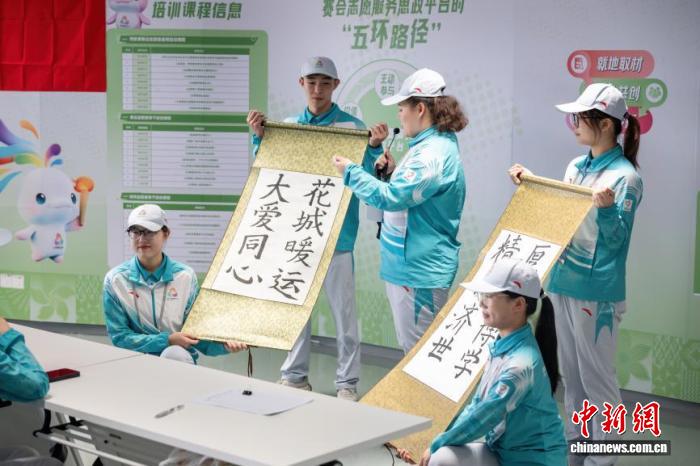
(粤港澳全运会)粤港澳三地志愿者同台分享志愿经历和感悟
Zhong Guo Xin Wen Wang· 2025-11-09 08:32
Core Viewpoint - The "Little Dolphin Ideological and Political Workshop" serves as a platform for youth from Guangdong, Hong Kong, and Macau to share volunteer experiences and promote volunteer spirit, integrating volunteer service with ideological education during the 15th National Games and the Special Olympics [2][4]. Group 1 - The workshop has organized various thematic activities such as "Little Dolphin Storytelling," "Reading Sharing Sessions," and "Volunteer Original Intention Lectures," aiming to share volunteer stories and strengthen the volunteer spirit [2][4]. - The workshop has conducted 5 sessions and hosted 35 specialized activities, engaging over 3,800 volunteers from the opening ceremony [4]. - The initiative emphasizes the integration of elements from the Guangdong-Hong Kong-Macau Greater Bay Area, encouraging volunteers from Hong Kong and Macau to participate and share their insights on regional integration [4]. Group 2 - The workshop adopts a three-dimensional curriculum system of "theoretical study + experiential learning + value practice," allowing volunteers to co-create courses and materials, transitioning from "listeners" to "storytellers" [4]. - The workshop is described as a vivid integration of large-scale event volunteer services and ideological education, promoting the values of dedication, friendship, mutual assistance, and progress among Chinese youth [4].
在山水课堂间培育时代新人——央美师生探索“艺术赋能思政”新模式
Zhong Guo Qing Nian Bao· 2025-11-08 01:18
Core Viewpoint - The Central Academy of Fine Arts (CAFA) is integrating ideological and political education with artistic practice through a unique "art + ideology" model, emphasizing social responsibility and cultural confidence among students [1][4][6]. Group 1: Educational Approach - CAFA has initiated a special "sketching journey" that combines art creation with ideological education, covering 7 provinces and 9 cities over 20 days, allowing students to engage with real-life contexts [1][2]. - The program includes 10 distinctive "art + ideology" classes that reflect the integration of teaching and practice, encouraging students to understand their societal responsibilities through artistic expression [2][4]. - The curriculum aims to cultivate a sense of national identity and cultural confidence by connecting students with historical and cultural sites, enhancing their understanding of China's past, present, and future [2][3]. Group 2: Practical Implementation - The "art in situ + ideology shaping" model has been developed to break traditional classroom boundaries, allowing for a deeper connection between ideological education and artistic creation [4][5]. - The program includes field trips to significant cultural and historical sites, where students can draw inspiration and understand the importance of their artistic contributions to society [3][4]. - CAFA encourages participation in competitions to foster a cycle of learning and improvement, linking ideological education with professional development [5]. Group 3: Historical Context and Future Aspirations - CAFA has a rich history intertwined with revolutionary movements, which informs its current educational philosophy of focusing on social issues and serving the people [5][6]. - The institution aims to produce artists who are not only skilled but also socially conscious, aligning with national goals and cultural values [6]. - Future explorations in the "art empowering ideology" pathway are expected to create replicable models for ideological education in other universities across China [6].